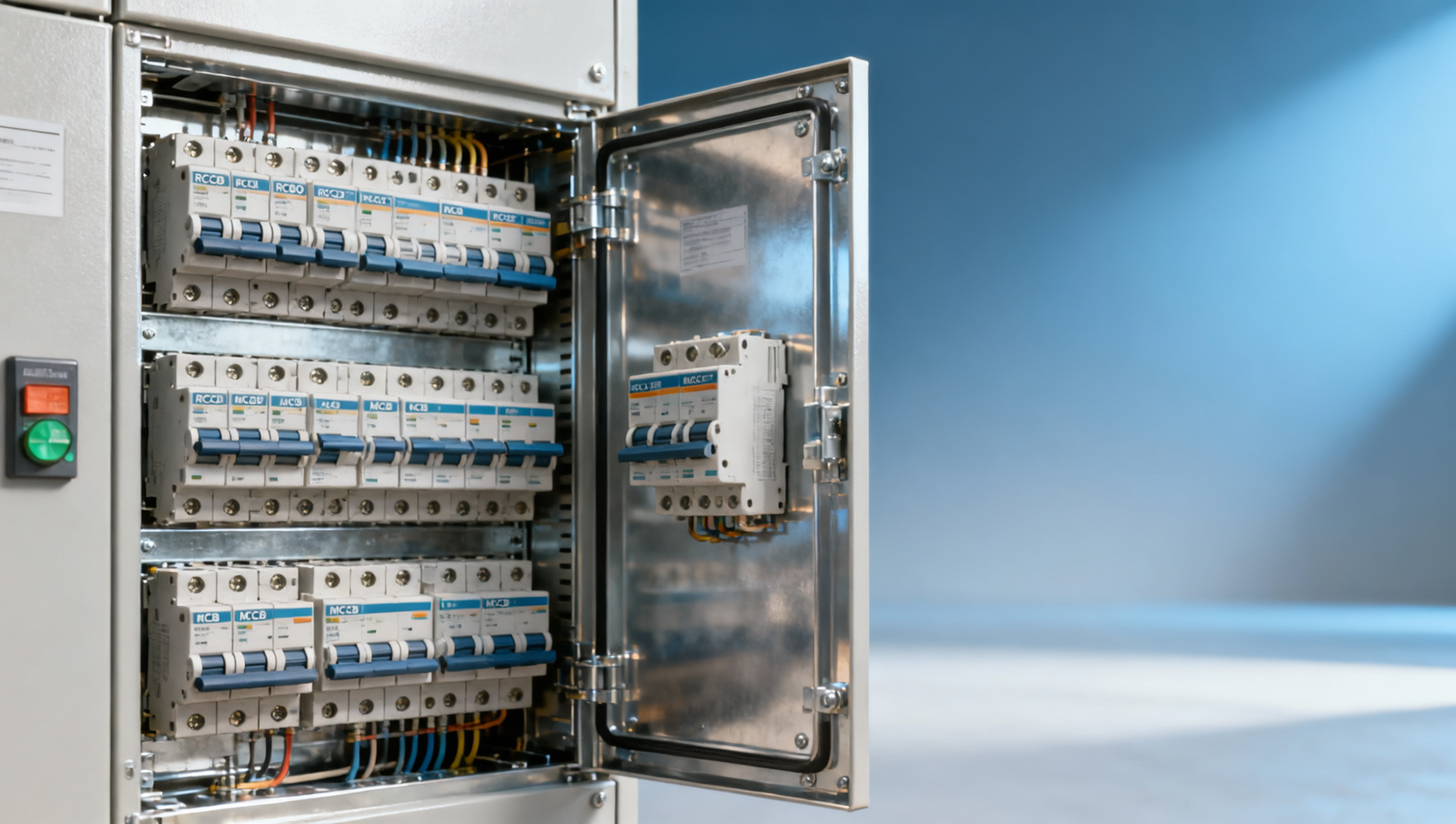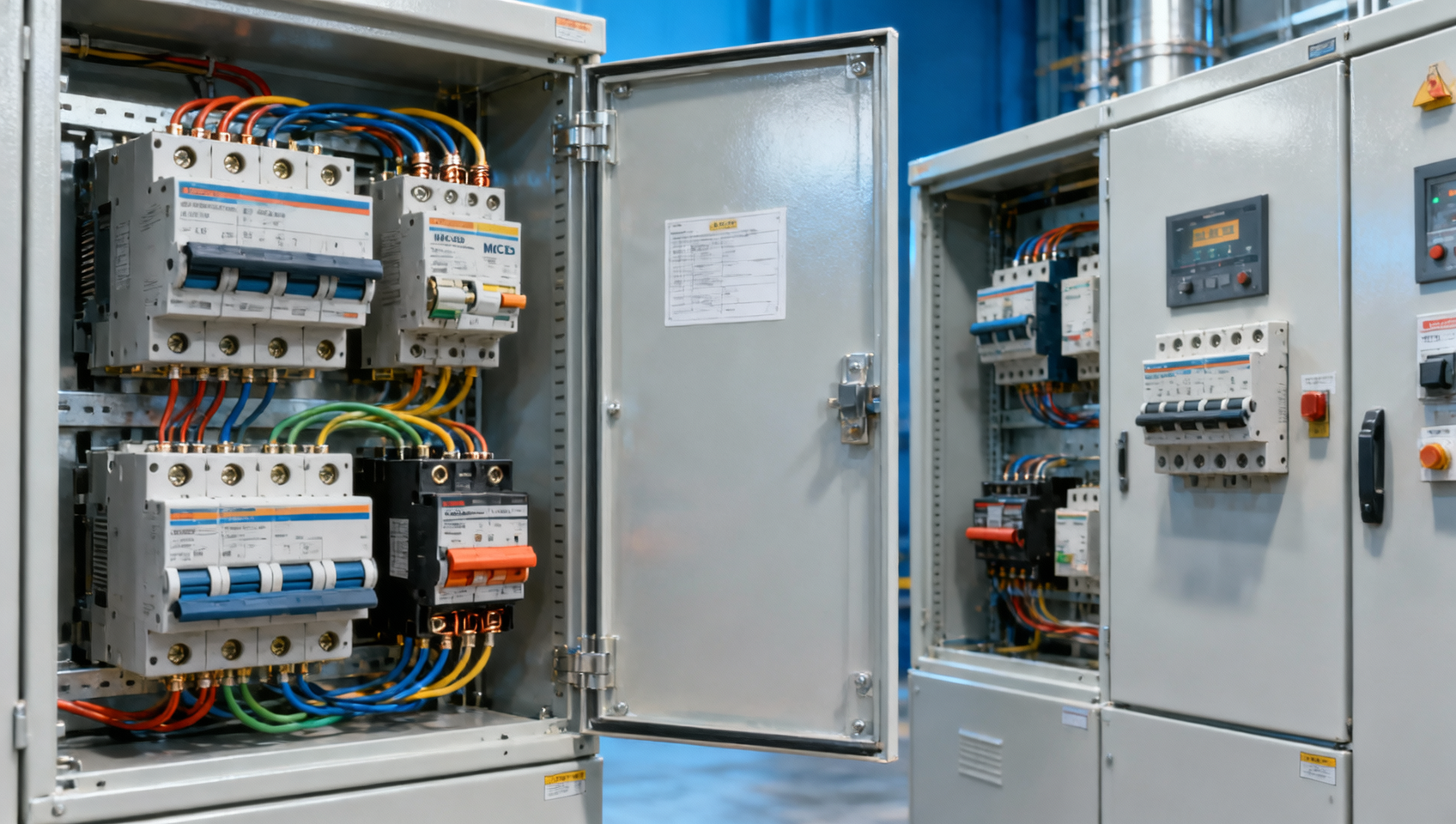
MCCB vs MCB: Which One Fits Better
Author
Date Published
Reading Time
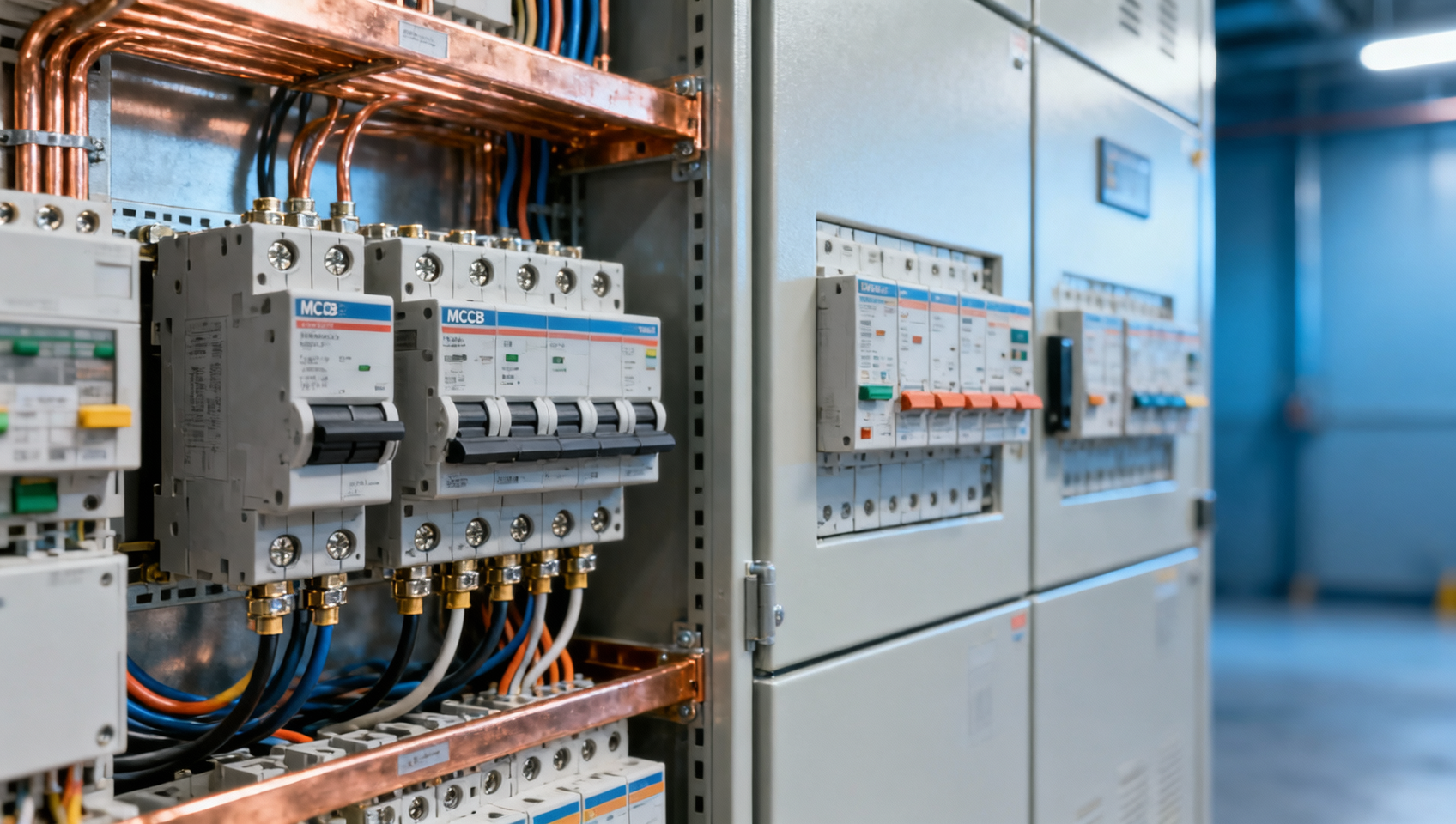
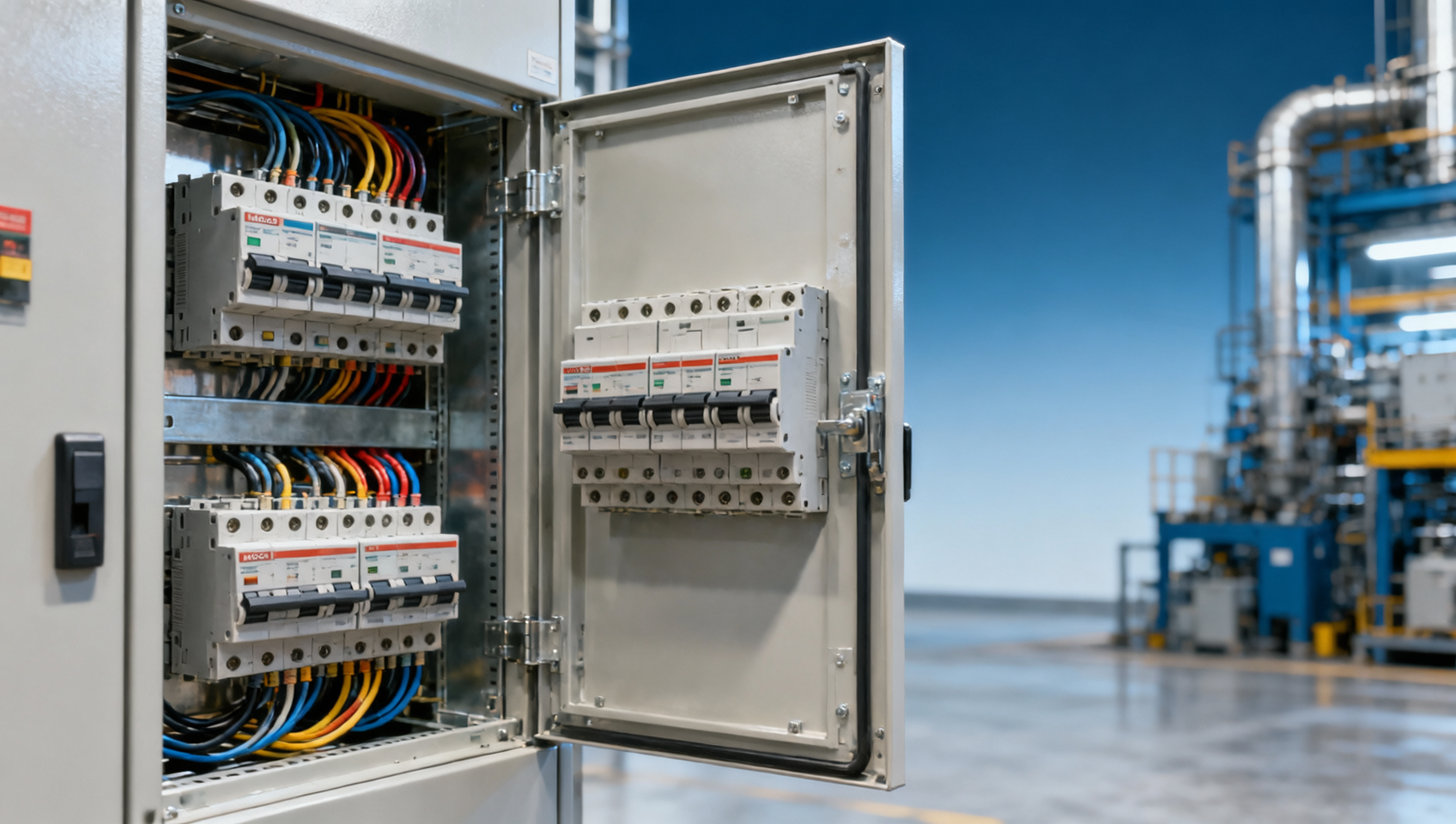
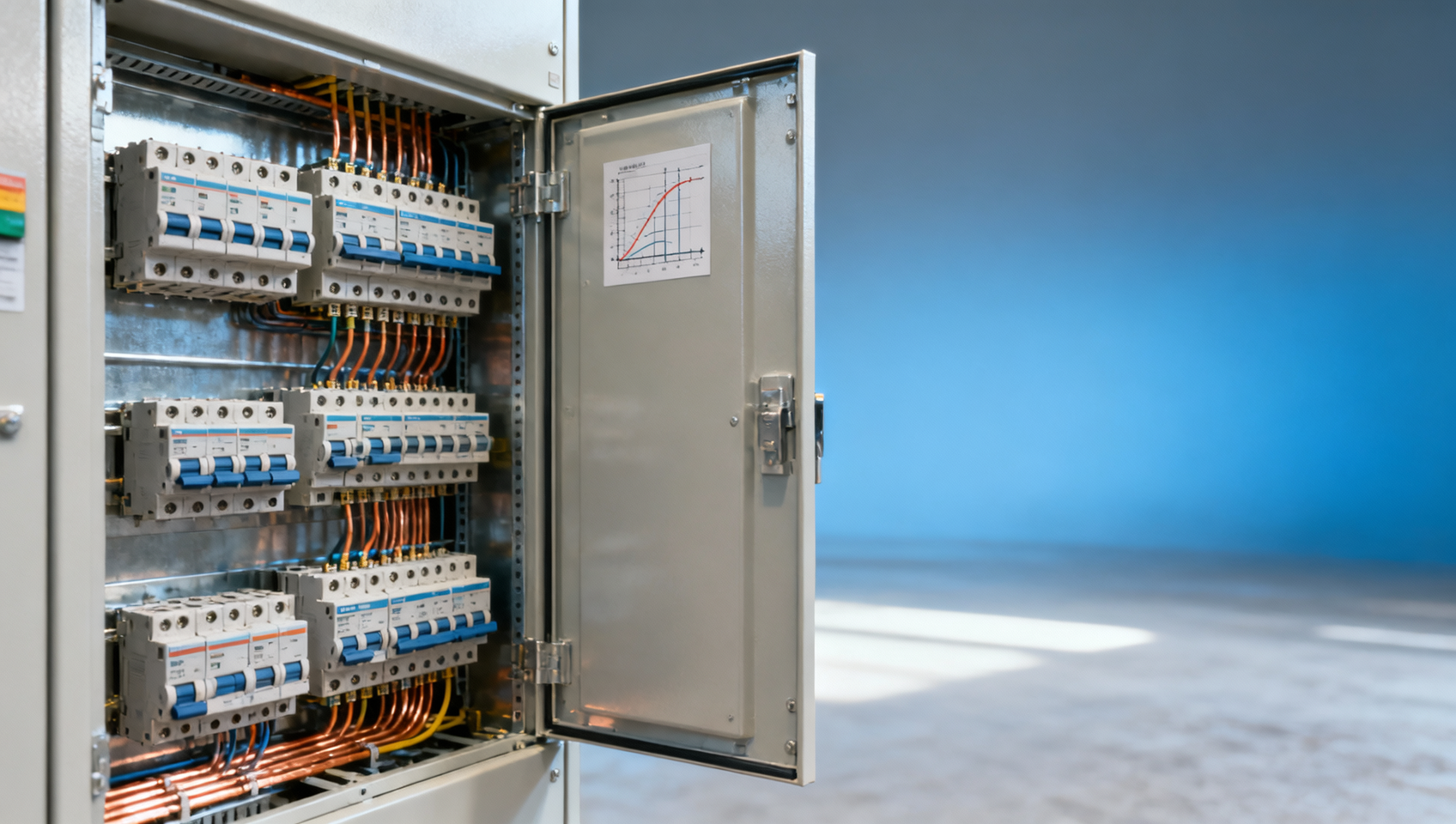
Choosing between a molded case circuit breaker MCCB and a miniature circuit breaker MCB can directly affect safety, load protection, and system reliability. For engineers, buyers, and facility decision-makers, understanding where each device fits alongside solutions like an air circuit breaker ACB, earth leakage circuit breaker, or residual current device RCD is essential for building efficient, compliant low-voltage power systems.
What Is the Real Difference Between MCCB and MCB?
At a basic level, both MCCB and MCB are protective devices designed to interrupt fault current and prevent overheating, insulation damage, and fire risk. The practical difference is not simply size. It is about breaking capacity, current range, adjustability, service environment, and the type of system risk each breaker is expected to manage over a 24-hour industrial duty cycle.
An MCB is commonly selected for lower current branch circuits in commercial buildings, light industrial panels, office facilities, and small machinery feeds. Typical current ranges often fall from 0.5A up to 125A, depending on design series and regional product standards. In contrast, an MCCB is generally used for higher loads, feeder protection, motor circuits, and distribution sections where ratings can extend from 16A to 1600A or more.
Another major distinction is fault handling. MCB units usually serve circuits with lower prospective short-circuit current. MCCB units are built for more demanding interruption duties and often provide adjustable thermal and magnetic trip settings. That extra adjustment matters when procurement teams must coordinate selective protection across 3 or 4 downstream levels of a low-voltage system.
For users and operators, the wrong choice may not fail immediately. The risk often appears later as nuisance tripping, under-protection, poor coordination, or maintenance disruption during peak production hours. In industrial environments, these hidden costs can exceed the unit price difference between MCB and MCCB within a single unplanned shutdown window.
Core functional comparison at a glance
The table below gives a practical side-by-side comparison for information researchers, operators, and procurement teams that need a fast first-screening tool before moving into detailed electrical design review.
This comparison shows why the question is rarely “Which breaker is better?” The more accurate question is “Which breaker fits the fault level, load profile, and coordination requirement of this circuit?” In most facilities, both devices are used together rather than as direct substitutes.
Why this distinction matters in procurement
When buyers compare catalog prices only, MCB often looks more economical. But feeder circuits, HVAC plants, pumps, compressors, and motor control sections frequently require margins that an MCB cannot provide. A proper decision must consider at least 5 factors: current rating, fault level, trip coordination, enclosure space, and compliance documentation.
Which Applications Fit MCB, and Which Demand MCCB?
Application context is where selection becomes clear. MCB is generally the right fit for low-power outgoing circuits, tenant distribution boards, lighting panels, small workshop sockets, and compact machinery with stable loads. In these cases, the circuit architecture is simpler, available fault current is lower, and trip curves such as B, C, or D may satisfy the operational need without further adjustment.
MCCB becomes the better choice when the electrical network includes larger motors, pumps, process equipment, capacitor banks, generator-linked distribution, or higher fault energy. It is also common in industrial plants that run for 16 to 24 hours per day and need stronger protection coordination between the incoming breaker and downstream branches.
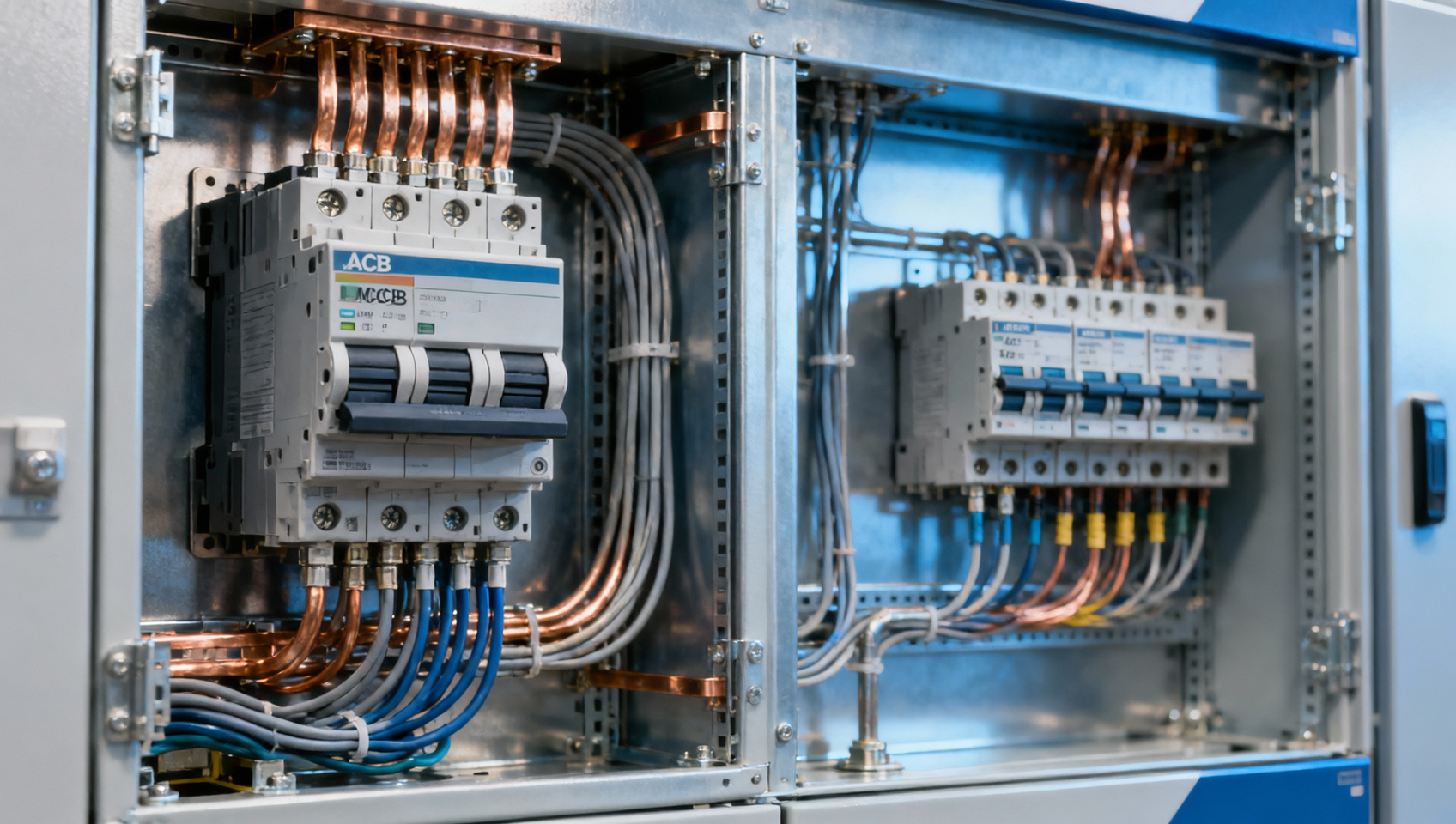
For mixed-use buildings and industrial campuses, the system may include MCB for terminal circuits, MCCB for sub-main distribution, and ACB at the main incoming side. If leakage protection is required for personnel safety or fire mitigation, an earth leakage circuit breaker or RCD may be added depending on circuit purpose and local code practices.
From an operations viewpoint, the best result is usually achieved by mapping the full system in 3 layers: source protection, feeder protection, and final circuit protection. This avoids the common mistake of using one breaker family across every layer simply to simplify purchasing.
Typical scenario mapping
The following table translates breaker choice into real installation scenarios that procurement teams and technical reviewers can use during project planning, retrofit evaluation, or panel standardization discussions.
This scenario view helps non-design stakeholders understand that MCCB vs MCB is not a brand preference issue. It is a circuit architecture decision. In retrofit projects, one of the first checks should be whether the original load has expanded over the last 2 to 5 years, pushing the circuit outside the safe envelope of the installed breaker.
A fast field checklist for users and operators
- If the circuit mainly serves lighting, sockets, or small single loads, start with MCB assessment.
- If the circuit feeds motors, process skids, or sub-distribution boards above typical branch levels, review MCCB first.
- If the installation has frequent inrush current, seasonal overload patterns, or downstream selectivity issues, fixed-trip MCB may be too limited.
- If personnel protection against leakage current is required, evaluate RCD or earth leakage protection in parallel rather than expecting MCB or MCCB alone to solve that risk.
What Technical Parameters Should Buyers Review Before Selecting?
Technical selection should begin with the electrical study, not with the catalog cover page. In B2B procurement, at least 6 checkpoints should be confirmed before a breaker is approved: rated current, rated voltage, short-circuit breaking capacity, trip characteristics, number of poles, and installation environment. Missing even one of these can delay panel build, factory acceptance testing, or site energization.
Current rating should match the continuous load and expected operating margin. For facilities with variable production, engineers often consider both present demand and a near-term expansion horizon of 12 to 36 months. Undersizing creates nuisance trips. Oversizing may weaken protection sensitivity. The correct window depends on conductor sizing, ambient temperature, and load duty pattern.
Breaking capacity is equally important. The breaker must safely interrupt the prospective fault current available at its installation point. This value differs between a terminal board and a main distribution board. A device suitable for a low-fault branch circuit may be entirely unsuitable for a transformer-near feeder. This is one of the most critical reasons MCCB is selected over MCB in industrial panels.
Adjustability is where MCCB often brings operational value. Thermal and magnetic settings can help accommodate motor starting, temporary process variations, and selective coordination. For a plant with 3 shifts, multiple motor starts, and recurring seasonal load peaks, this flexibility can reduce nuisance tripping without compromising fault protection.
Key technical parameters and why they matter
Use the following procurement-oriented parameter table to avoid choosing a breaker based only on current rating. For most industrial buyers, this table works well as a pre-RFQ screening framework.
The key takeaway is simple: equal current rating does not mean equal suitability. Two breakers marked for the same ampere value can perform very differently in fault interruption, adjustability, and life-cycle fit. That is why technical review and commercial review should happen together, not in separate steps.
Three mistakes that often cause rework
- Using MCB for a circuit with motor inrush or elevated short-circuit demand simply because the nominal current appears low enough.
- Ignoring ambient derating in panels that run in hot utility rooms, rooftop enclosures, or dusty production zones.
- Assuming leakage protection is included when the actual requirement calls for separate earth leakage or residual current functionality.
How Do Cost, Compliance, and Delivery Affect the MCCB vs MCB Decision?
Price matters, but in industrial purchasing it must be evaluated against system risk, compliance burden, and downtime exposure. MCB generally offers a lower unit cost and faster replacement path for standard branch circuits. MCCB carries a higher initial cost, yet it can reduce coordination problems, accommodate future load changes, and better align with feeder and equipment protection duties.
Lead time can also influence selection. Standard MCB configurations are often easier to source quickly, while specialized MCCB frames, accessories, and trip units may require a longer supply window, especially in cross-border projects. Typical procurement planning should allow enough time for technical clarification, compliance document review, and panel integration, often ranging from several days for local stock items to a few weeks for engineered packages.
Compliance is another major checkpoint. Buyers in EPC, industrial facility management, and export manufacturing often need products aligned with CE, UL, IEC, or ISO-driven quality systems, depending on project geography and specification language. The correct breaker choice must satisfy not only load protection needs but also documentation expectations during approval, inspection, and commissioning.
In practice, the lowest purchase price may become the highest operating cost if a breaker is selected without fault-level verification or coordination review. For decision-makers managing capex and operational continuity together, breaker selection should be treated as a reliability decision, not just a line-item comparison.
Cost and selection logic for B2B buyers
- Choose MCB when the circuit is a standard low-current branch, the fault level is within device capacity, and no advanced adjustment is needed.
- Choose MCCB when the circuit serves sub-distribution, motor loads, larger feeders, or future capacity growth over the next 1 to 3 years is expected.
- Review ACB if the application is at the main incoming level with higher system duty and broader coordination requirements.
- Add earth leakage protection or RCD where personnel safety, insulation monitoring concerns, or fire-risk reduction requires residual current functionality beyond overcurrent protection.
What procurement teams should request from suppliers
A strong RFQ package should ask for 5 items at minimum: rated current and voltage data, breaking capacity, trip characteristics or setting range, applicable standards, and accessory compatibility. For project schedules under 2 to 4 weeks, it is also wise to confirm stock status, replacement availability, and documentation turnaround before issuing a purchase order.
This is where Global Industrial Core supports industrial buyers effectively. GIC helps procurement and engineering teams compare solutions in a sourcing context, not just a product brochure context. That includes aligning technical documentation, compliance language, application fit, and supplier communication so approvals move faster and specification gaps are reduced before installation.
Common Misconceptions and FAQ for Engineers, Buyers, and Decision-Makers
Many selection errors come from assumptions that sound reasonable but do not hold up in actual panel design or industrial operation. The most common misunderstanding is that MCB and MCCB are interchangeable if the ampere rating is the same. In reality, current rating is only one part of the selection matrix.
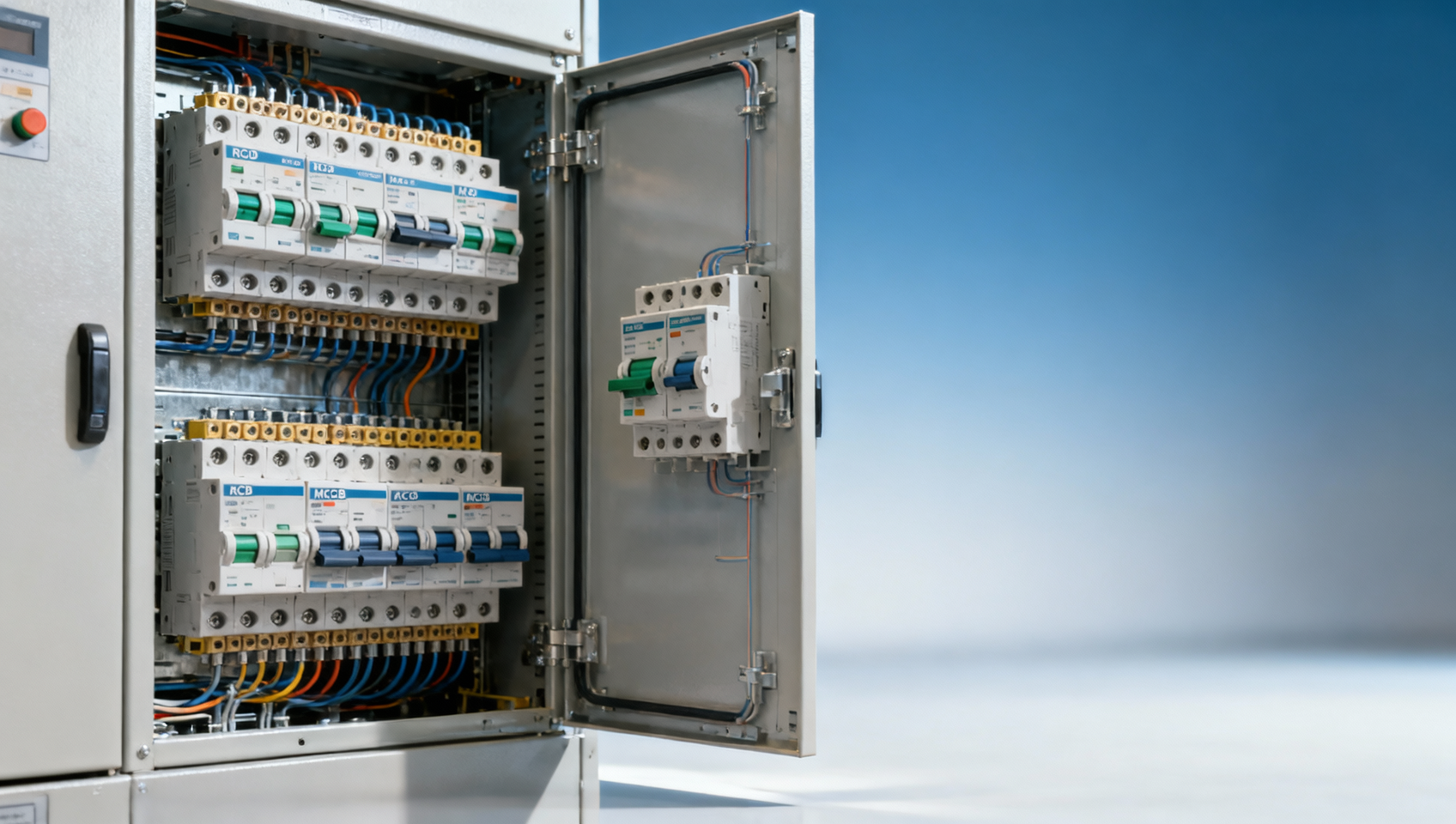
Another frequent mistake is expecting an overcurrent breaker to provide full leakage protection. MCB and MCCB are primarily designed for overload and short-circuit protection. If the application requires residual current protection for people or for specific risk control, an RCD or earth leakage circuit breaker must be evaluated separately according to the system design.
End users also sometimes believe that a larger breaker always improves reliability because it trips less often. In fact, over-sizing can reduce protection quality and expose cables or equipment to thermal stress. Reliability comes from correct coordination, not from simply increasing ratings.
The following FAQs address the questions most often raised during early research, procurement review, and plant retrofit discussions.
Can an MCCB replace an MCB everywhere?
Not necessarily. An MCCB can cover applications that demand higher capacity or adjustment, but it may be physically larger, more expensive, and unnecessary for standard branch circuits. The better approach is to match the device to circuit duty, available fault level, and panel layout. In many systems, MCB and MCCB are both necessary for different layers of protection.
When is MCB clearly the better choice?
MCB is often the better choice for lighting, socket outlets, compact office boards, and small machine branch circuits where current is modest and protection coordination is straightforward. It is especially practical when panel space is limited, replacement speed matters, and the installation does not require adjustable trip behavior.
When should buyers move directly to MCCB evaluation?
Start with MCCB if the circuit feeds a motor group, process skid, sub-main board, or a load zone with meaningful expansion expected within 12 to 24 months. MCCB should also be prioritized when fault-level margins, selective coordination, or trip setting flexibility are important to avoid repeated shutdowns.
Does an MCB or MCCB provide the same function as an RCD?
No. MCB and MCCB focus on overcurrent and short-circuit protection. RCD devices detect residual current and are used where electric shock protection or leakage-related fire mitigation is required. Some system designs combine functions through specific assemblies, but they should not be assumed equivalent without checking the actual product specification and project requirement.
Why Work With GIC When Evaluating Breaker Selection and Sourcing?
For industrial buyers, the challenge is rarely finding a breaker catalog. The real challenge is narrowing the right configuration fast enough to support project schedules, maintenance windows, and compliance review. Global Industrial Core bridges that gap by combining sourcing intelligence with application-level understanding across electrical and power infrastructure.
If your team is comparing MCCB vs MCB for a new panel, retrofit package, or multi-site procurement plan, GIC can help frame the decision around the issues that matter most: protection hierarchy, standards alignment, available documentation, lead-time practicality, and total operating impact. This is particularly useful for EPC contractors, facility managers, and procurement directors working under tight bid or shutdown timelines.
A practical engagement can cover 4 key areas: parameter confirmation, application matching, certification review, and quotation clarification. That means your team can move from broad product research to a narrower shortlist with fewer specification gaps and fewer back-and-forth revisions during approval.
If you are unsure whether a circuit should use MCB, MCCB, ACB, or an added earth leakage or RCD solution, contact GIC with your load profile, panel role, target standards, and delivery timeline. We can support evaluation of rated current, fault-duty fit, accessory needs, documentation expectations, sample or batch sourcing options, and quotation discussions tailored to your project stage.
What you can consult us about
- Whether MCCB or MCB is more suitable for a feeder, branch circuit, motor load, or panel retrofit.
- How to confirm current rating, breaking capacity, and trip requirements before RFQ release.
- Which compliance documents to request for CE, UL, IEC, or project-specific approval needs.
- How lead time, accessory options, and replacement planning may affect final selection.
- How to discuss sample support, batch supply, customized solution paths, and quotation structure for industrial purchasing.
Technical Specifications
- RCEP Launches Industrial Waste Equipment Mutual RecognitionAuthor :Environmental Engineering Director
- IEC 61850-90-15:2026 Released — Time Stamp Precision Upgrade Impacts Power Equipment ExportsAuthor :Grid Infrastructure Analyst
- Copper Price Surge Impacts BOM Costs for Industrial Breakers & TransformersAuthor :Grid Infrastructure Analyst
Expert Insights

Chief Security Architect
Dr. Thorne specializes in the intersection of structural engineering and digital resilience. He has advised three G7 governments on industrial infrastructure security.
Related Analysis
- Apr 22, 2026RCEP Launches Industrial Waste Equipment Mutual RecognitionAuthor :Environmental Engineering Director
- Apr 22, 2026IEC 61850-90-15:2026 Released — Time Stamp Precision Upgrade Impacts Power Equipment ExportsAuthor :Grid Infrastructure Analyst
- Apr 22, 2026Copper Price Surge Impacts BOM Costs for Industrial Breakers & TransformersAuthor :Grid Infrastructure Analyst
Core Sector // 01
Security & Safety
- Copper Price Surge Impacts BOM Costs for Industrial Breakers & TransformersAuthor :Grid Infrastructure Analyst
![]()
- What to Check Before Buying MCCBAuthor :Grid Infrastructure Analyst

- Miniature Circuit Breaker MCB MistakesAuthor :Grid Infrastructure Analyst

- MCCB vs MCB: Which One Fits BetterAuthor :Grid Infrastructure Analyst

- How to Size an Air Circuit Breaker ACBAuthor :Grid Infrastructure Analyst

- Residual Current Device RCD Selection TipsAuthor :Grid Infrastructure Analyst

- Earth Leakage Circuit Breaker vs RCDAuthor :Grid Infrastructure Analyst

- Why Magnetic Contactors Fail EarlyAuthor :Grid Infrastructure Analyst