Copper Price Surges 3.8% on Apr 23, Raising BOM Costs for Power Components
Author
Date Published
Reading Time

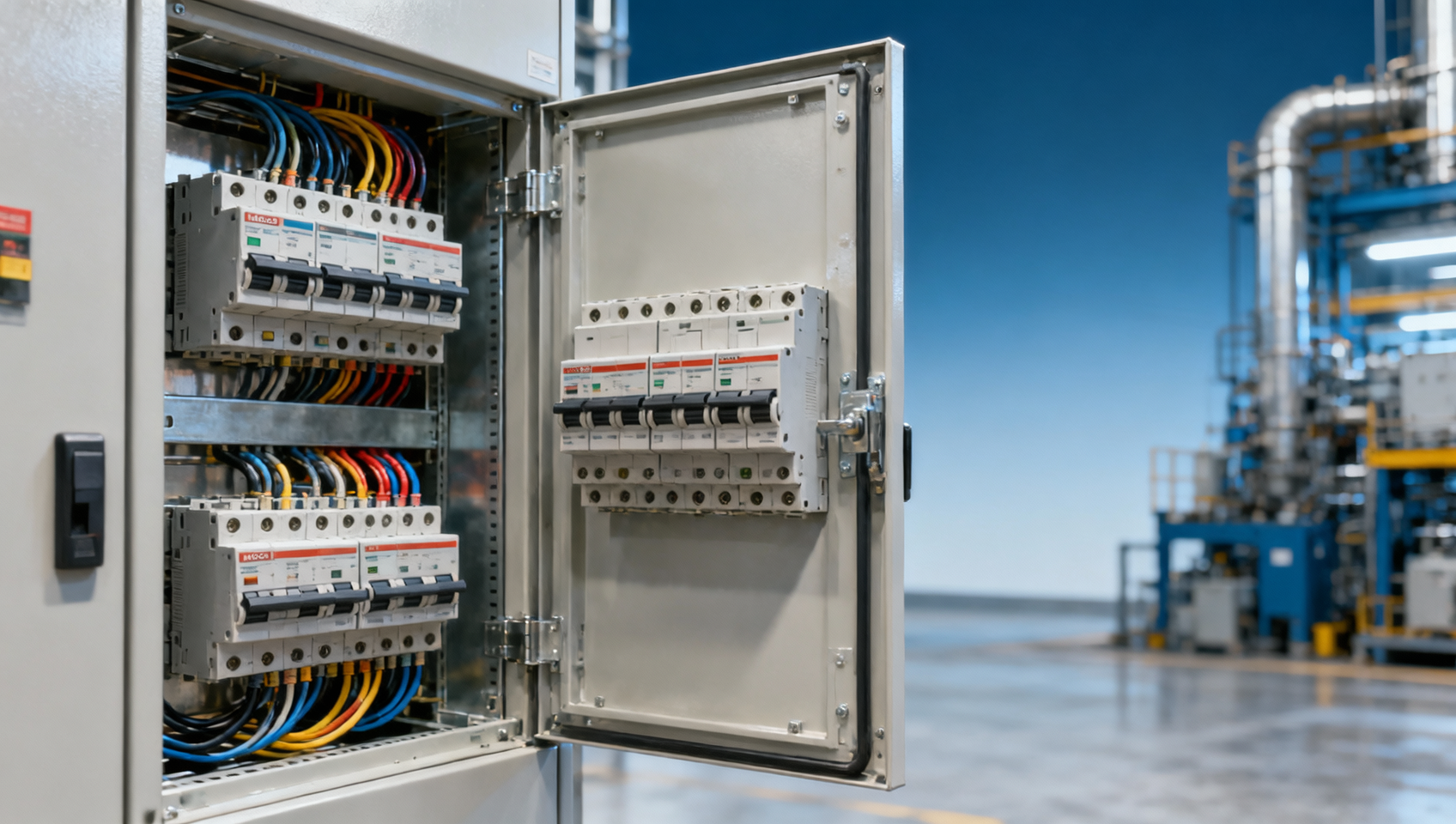
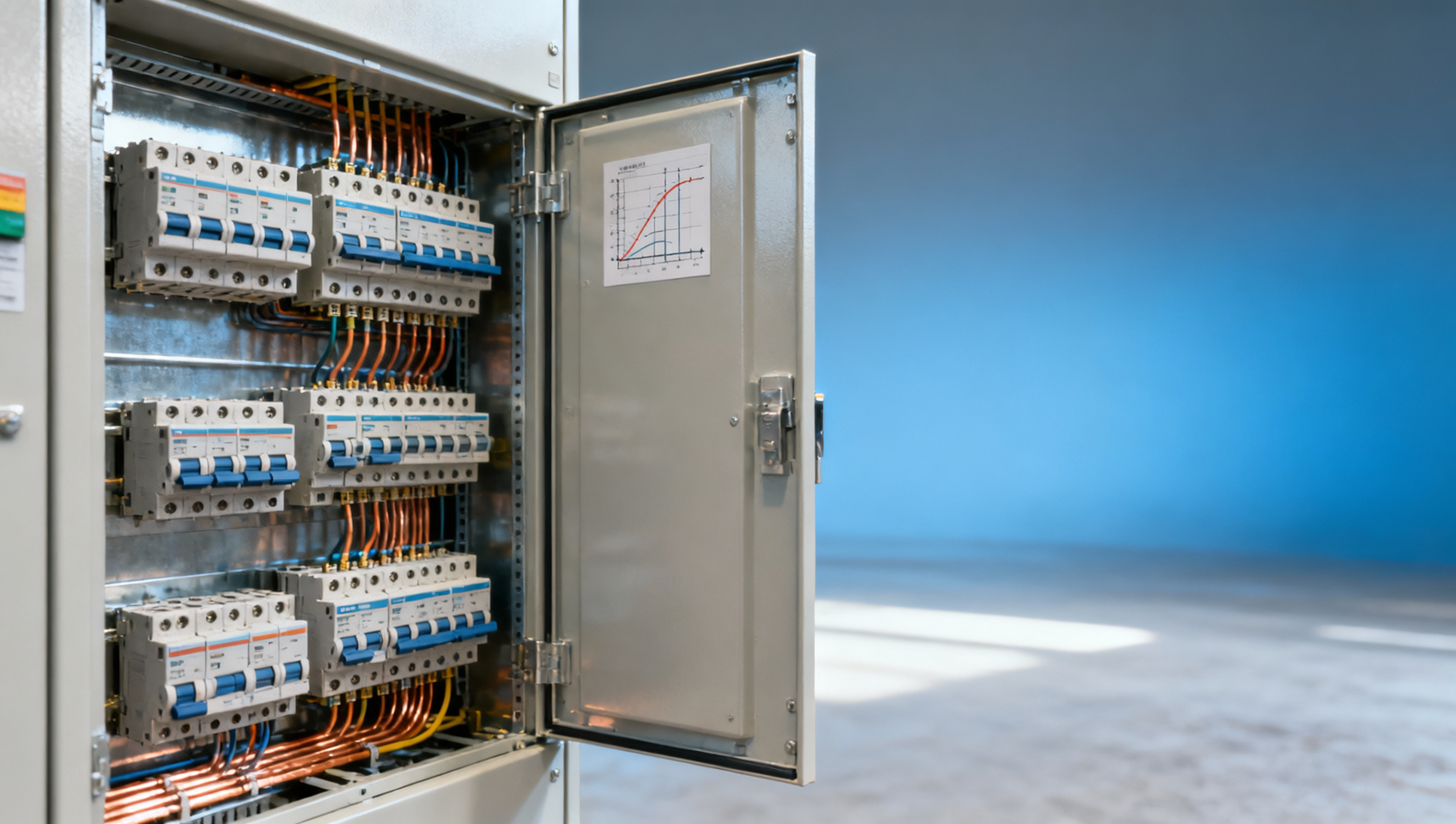
Global copper prices rose 3.8% in a single day on April 23, 2026, pushing LME copper futures to $9,820/ton — a new 2026 high. This sharp move directly impacts manufacturers of industrial breakers & relays, transformers & switchgears, and cables & wiring, where copper constitutes a major BOM input. The surge signals near-term cost pressure across power infrastructure supply chains.
Event Overview
On April 23, 2026, London Metal Exchange (LME) copper futures closed at $9,820 per metric ton, marking a 3.8% daily increase and the highest level of 2026. The rise was driven by two concurrent factors: ongoing labor strikes at major copper mines in Chile and surging electricity demand from AI data centers, which intensified procurement competition for refined copper. As a result, electrolytic copper spot premiums widened. This price movement has triggered immediate BOM cost increases — estimated at +7.1% month-on-month — for core electrical components including breakers & relays, transformers & switchgears, and cables & wiring. Several leading Chinese suppliers have implemented tiered pricing structures effective April 2026, and new order lead times have extended to 8–10 weeks.
Industries Affected
Raw Material Procurement Enterprises
These enterprises source copper or copper-based intermediates (e.g., rod, strip, wire rod) for internal use or resale. They face direct exposure to spot premium volatility and tighter availability. Impact manifests as higher landed costs, reduced margin visibility, and increased difficulty securing fixed-price contracts over multi-week horizons.
Electrical Equipment Manufacturers
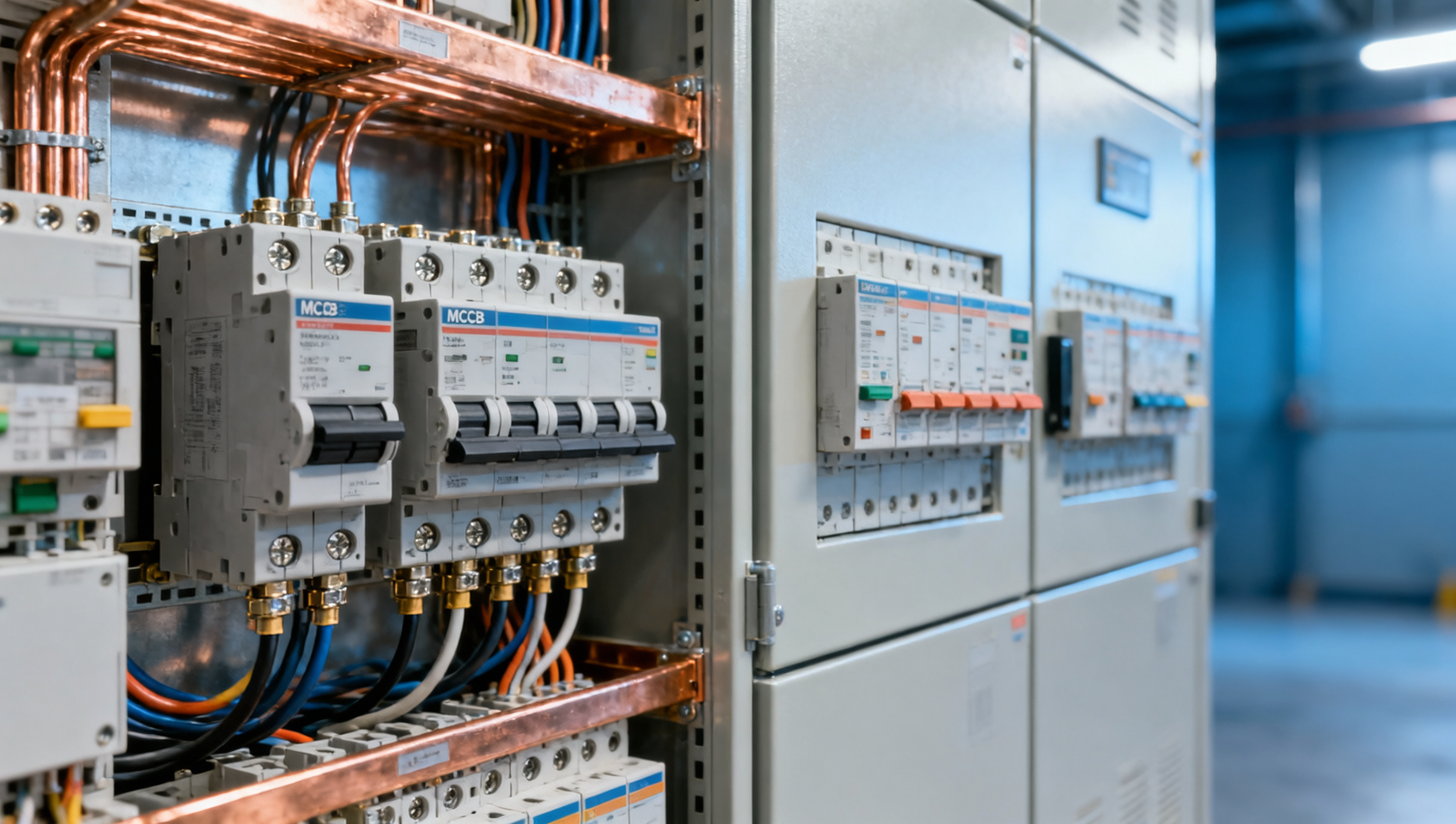
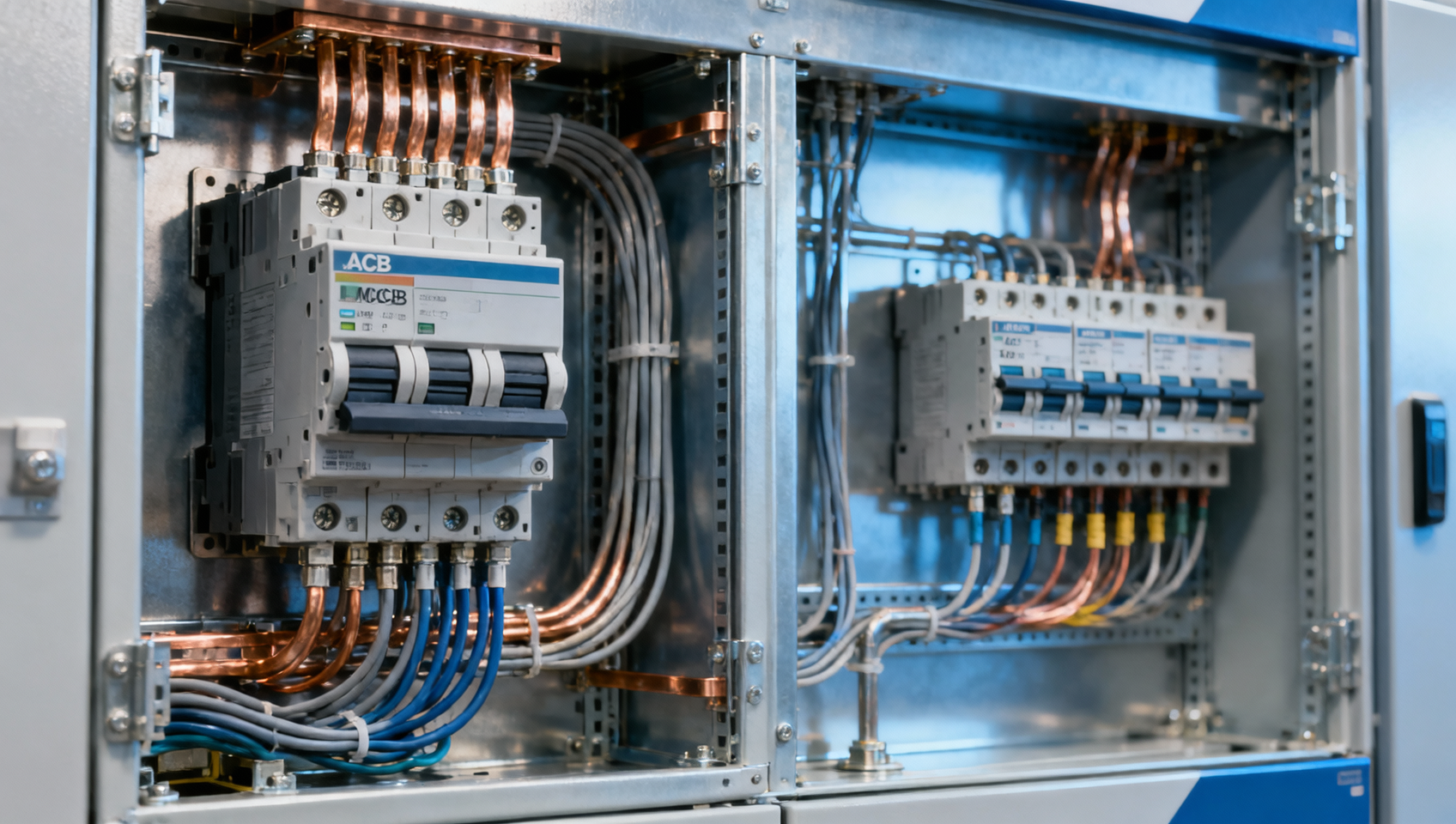
Companies producing industrial circuit breakers, relays, distribution transformers, switchgear assemblies, and power cables rely heavily on copper for windings, busbars, and conductors. A 7.1% BOM cost increase compresses gross margins unless fully passed through — which is constrained by competitive quoting cycles and long-standing customer agreements.
Distribution & Channel Intermediaries
Wholesalers and regional distributors of electrical components face dual pressure: rising inbound purchase costs and delayed replenishment due to extended supplier lead times (8–10 weeks). Inventory turnover slows, working capital requirements rise, and forward-pricing commitments become riskier without clear visibility into copper’s trajectory.
What Enterprises and Practitioners Should Monitor and Do Now
Track official updates on Chilean mining labor negotiations
Current supply-side pressure stems largely from strike-related output disruptions. Any formal resolution announcement — or escalation — will likely trigger rapid repricing. Monitoring union statements, government mediation efforts, and mine production advisories is operationally critical.
Review copper-dependent SKUs with >15% material cost exposure
Identify specific product lines where copper accounts for ≥15% of total BOM cost. Prioritize these for near-term pricing reassessment, alternative sourcing evaluation (e.g., alloy substitution feasibility), and customer communication planning — especially for contracts with fixed-price terms expiring before Q3 2026.
Assess lead time extension implications for project delivery schedules
With new orders now requiring 8–10 weeks for fulfillment, engineering-to-order (ETO) and build-to-schedule (BTS) workflows must be adjusted. Verify whether existing project timelines assume pre-April lead times, and initiate proactive client notifications where delays are probable.
Validate inventory valuation methodology under IFRS or local GAAP
A sustained copper price increase may affect lower-of-cost-or-net-realizable-value (LCNRV) assessments for copper-rich finished goods and work-in-process. Finance and operations teams should jointly confirm accounting treatment alignment ahead of quarterly close.
Editorial Perspective / Industry Observation
From an industry perspective, this copper price jump is best understood not as an isolated commodity spike, but as a convergence signal: structural demand growth from AI-driven infrastructure is intersecting with acute, geographically concentrated supply constraints. Analysis来看, it reflects tightening coordination between physical supply shocks and macro-level electrification trends — rather than speculative momentum alone. Current more relevant interpretation is that this event marks a short-to-medium-term inflection point for procurement planning cycles, not yet a long-term structural shift. Continued monitoring is warranted because copper’s role in grid modernization and AI power delivery makes it increasingly sensitive to both policy-led investment and operational disruptions — and because supplier pricing mechanisms (e.g., tiered quotes) suggest embedded expectation of further volatility.
This development underscores how raw material dynamics — once considered background noise in electrical equipment manufacturing — are now frontline operational variables. For stakeholders across the value chain, responsiveness hinges less on forecasting peak prices and more on building adaptive procurement, pricing, and communication protocols calibrated to real-time material cost triggers.
Information Sources
LME official settlement data (April 23, 2026); publicly disclosed supplier pricing notices (April 2026); industry reports on Chilean mining labor actions; AI data center power demand estimates cited in recent energy infrastructure briefings. Note: Ongoing developments in Chilean labor negotiations and AI infrastructure rollout remain subject to continuous observation.
Technical Specifications
- 2026 Shanghai Fastener Show Launches Zero-Carbon Process ZoneAuthor :Heavy Industry Strategist
- China Launches World’s Largest Agri-Meteorological Observation NetworkAuthor :Precision Metrology Expert
- TÜV Rheinland Updates EMC Guide: RF Immunity for Industrial OpticsAuthor :Precision Metrology Expert
Expert Insights

Chief Security Architect
Dr. Thorne specializes in the intersection of structural engineering and digital resilience. He has advised three G7 governments on industrial infrastructure security.
Related Analysis
- Apr 24, 20262026 Shanghai Fastener Show Launches Zero-Carbon Process ZoneAuthor :Heavy Industry Strategist
- Apr 24, 2026China Launches World’s Largest Agri-Meteorological Observation NetworkAuthor :Precision Metrology Expert
- Apr 24, 2026TÜV Rheinland Updates EMC Guide: RF Immunity for Industrial OpticsAuthor :Precision Metrology Expert
Core Sector // 01
Security & Safety
- IEC 61850-90-15:2026 Published: 100ns Timestamp Mandatory for Substation RelaysAuthor :Grid Infrastructure Analyst
![]()
- Copper Price Surges 3.8% on Apr 23, Raising BOM Costs for Power ComponentsAuthor :Grid Infrastructure Analyst
![]()
- Copper Price Surge Impacts Breakers & Transformers BOM CostsAuthor :Grid Infrastructure Analyst
![]()
- Copper Price Surge Impacts BOM Costs for Industrial Breakers & TransformersAuthor :Grid Infrastructure Analyst
![]()
- What to Check Before Buying MCCBAuthor :Grid Infrastructure Analyst

- Miniature Circuit Breaker MCB MistakesAuthor :Grid Infrastructure Analyst

- MCCB vs MCB: Which One Fits BetterAuthor :Grid Infrastructure Analyst

- How to Size an Air Circuit Breaker ACBAuthor :Grid Infrastructure Analyst