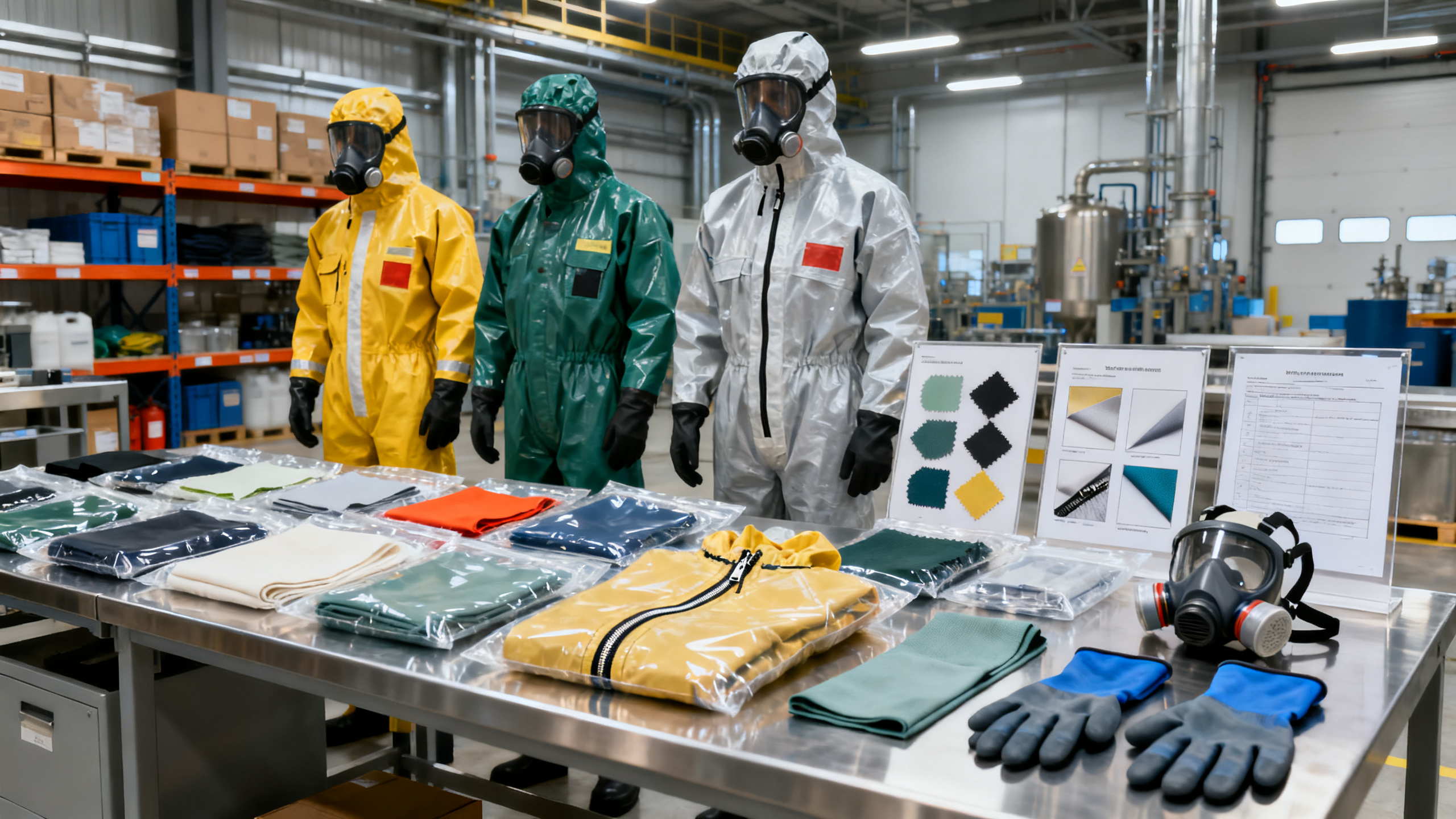
US CPSC Tightens PPE Flame Resistance Standards
Author
Date Published
Reading Time
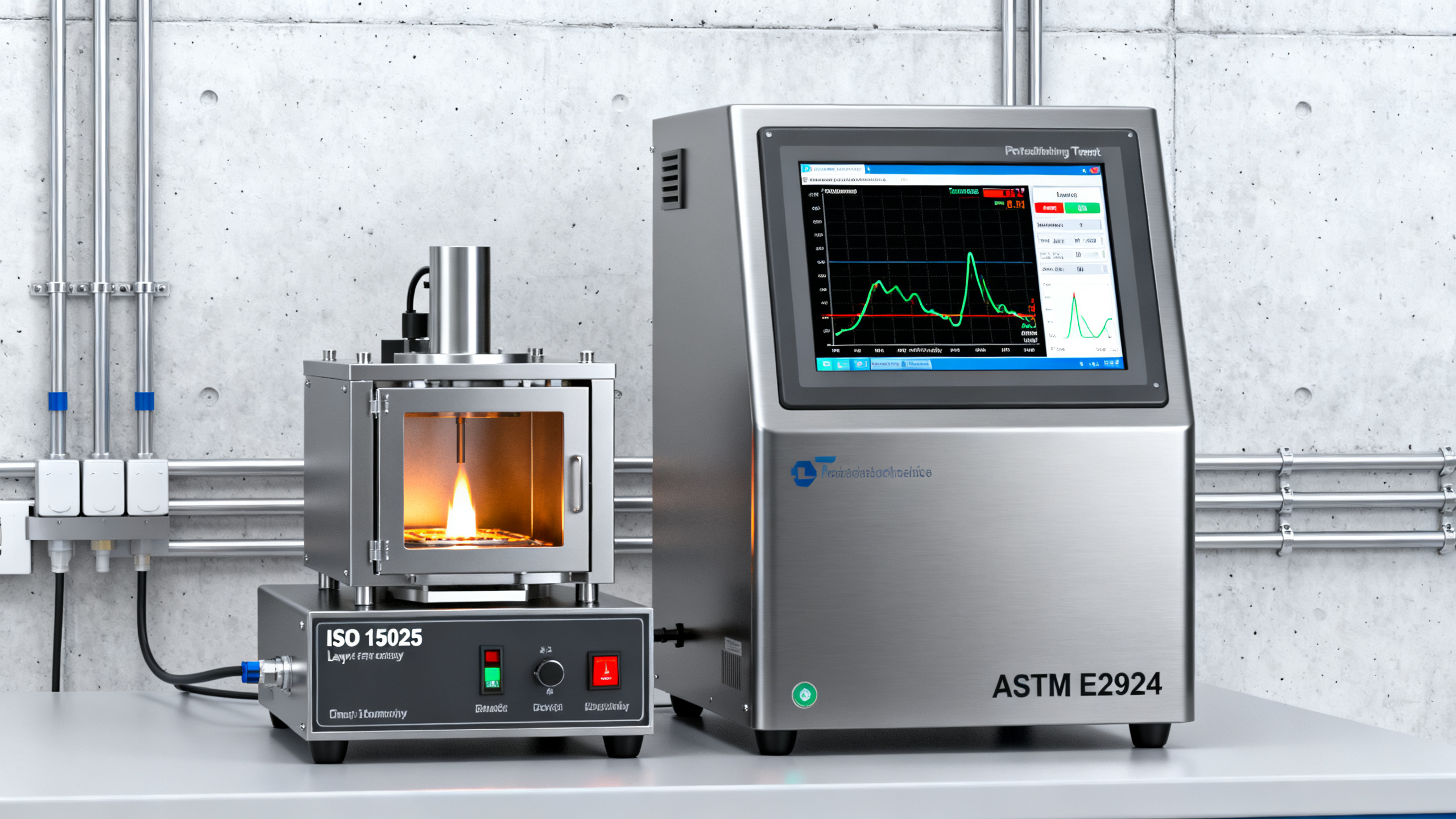
On May 10, 2026, the U.S. Consumer Product Safety Commission (CPSC) issued the Flame-Resistant Workwear Final Rule (16 CFR Part 1615), upgrading NFPA 2112 flame resistance testing to a mandatory federal standard—and introducing two new requirements: melt-drip residue toxicity (ASTM E2924) and multi-layered fabric burn rate (ISO 15025 Method A). This development directly affects manufacturers, exporters, and supply chain stakeholders involved in flame-resistant personal protective equipment (PPE) destined for the U.S. market—particularly workwear producers, textile converters, and third-party testing service providers.
Event Overview
The U.S. Consumer Product Safety Commission (CPSC) published the Flame-Resistant Workwear Final Rule on May 10, 2026, codified as 16 CFR Part 1615. The rule mandates compliance with NFPA 2112 for flame-resistant workwear sold in the United States. It also adds two new test requirements: (1) toxicity assessment of melt-drip residues per ASTM E2924, and (2) burn rate evaluation under multi-layered configuration per ISO 15025 Method A. As reported, third-party laboratory capacity is fully booked through late August 2026, and average order lead times for compliant workwear have extended from six weeks to twelve weeks.
Industries Affected
Direct Exporters and Brand Owners
Exporters shipping flame-resistant workwear to the U.S. must now meet updated CPSC-mandated testing protocols before customs clearance. Because certification requires sequential validation across three distinct test criteria—including newly added toxicological and multi-layer combustion assessments—the time required for full compliance verification has increased significantly.
Textile and Fabric Suppliers
Suppliers providing base fabrics or laminated composites used in FR workwear face upstream pressure to pre-validate materials against ASTM E2924 and ISO 15025 Method A. These tests are not widely performed in routine textile quality assurance; their inclusion raises technical and documentation expectations for raw material declarations and batch traceability.
Contract Manufacturers and Cut-and-Sew Facilities
Manufacturers assembling finished garments must ensure that every layer—including linings, interfacings, and stitching threads—contributes to overall compliance. The ISO 15025 Method A test specifically evaluates performance under realistic layered configurations, meaning assembly decisions (e.g., seam placement, lining selection) now carry regulatory weight beyond aesthetics or cost.
Testing and Certification Service Providers
Third-party laboratories accredited for CPSC-related testing report full scheduling through August 2026. Demand surges reflect both the novelty of the two new test methods and limited global capacity for ASTM E2924, which requires specialized analytical instrumentation and trained toxicology personnel.
Key Considerations and Recommended Actions
Monitor official CPSC guidance and enforcement timelines
The Final Rule includes a specified effective date and compliance deadline—both publicly available in the Federal Register notice. Businesses should verify whether transitional provisions apply to existing inventory or pending orders, and track any supplemental FAQs or interpretive bulletins issued by CPSC’s Office of Compliance.
Prioritize product categories with highest U.S. market exposure
Not all FR workwear lines face equal risk. Companies should identify SKUs currently certified to NFPA 2112 but not yet tested for ASTM E2924 or ISO 15025 Method A—and assess which models represent >15% of U.S.-bound shipments. These warrant immediate retesting scheduling.
Distinguish between regulatory signal and operational impact
While the Final Rule is legally binding, its practical effect depends on enforcement posture and importer-of-record responsibilities. Analysis shows CPSC typically relies on importer self-certification and post-market surveillance—not pre-clearance inspection—meaning documentation integrity and test report traceability are more critical than physical shipment delays alone.
Adjust procurement, production, and communication planning now
Given confirmed lab backlogs, companies should extend internal lead-time buffers by at least four weeks for all U.S.-bound FR workwear. Internal quality teams should also revise vendor scorecards to include evidence of ASTM E2924 and ISO 15025 Method A capability—and request updated test reports for all active material lots.
Editorial Observation / Industry Perspective
Observably, this rule represents a structural tightening—not just a procedural update—in how flame resistance is regulated for occupational apparel in the U.S. The inclusion of toxicological endpoints signals a shift toward holistic hazard assessment, moving beyond ignition and flame spread alone. From an industry perspective, it is better understood as both a compliance milestone and a catalyst for supply chain recalibration: while the legal requirement is clear, widespread operational readiness remains uneven across tiers of the PPE value chain. Continued attention is warranted—not only for upcoming enforcement actions, but also for potential alignment efforts with Canada’s Health Canada or the EU’s PPE Regulation (EU 2016/425), where similar toxicity metrics are under discussion.
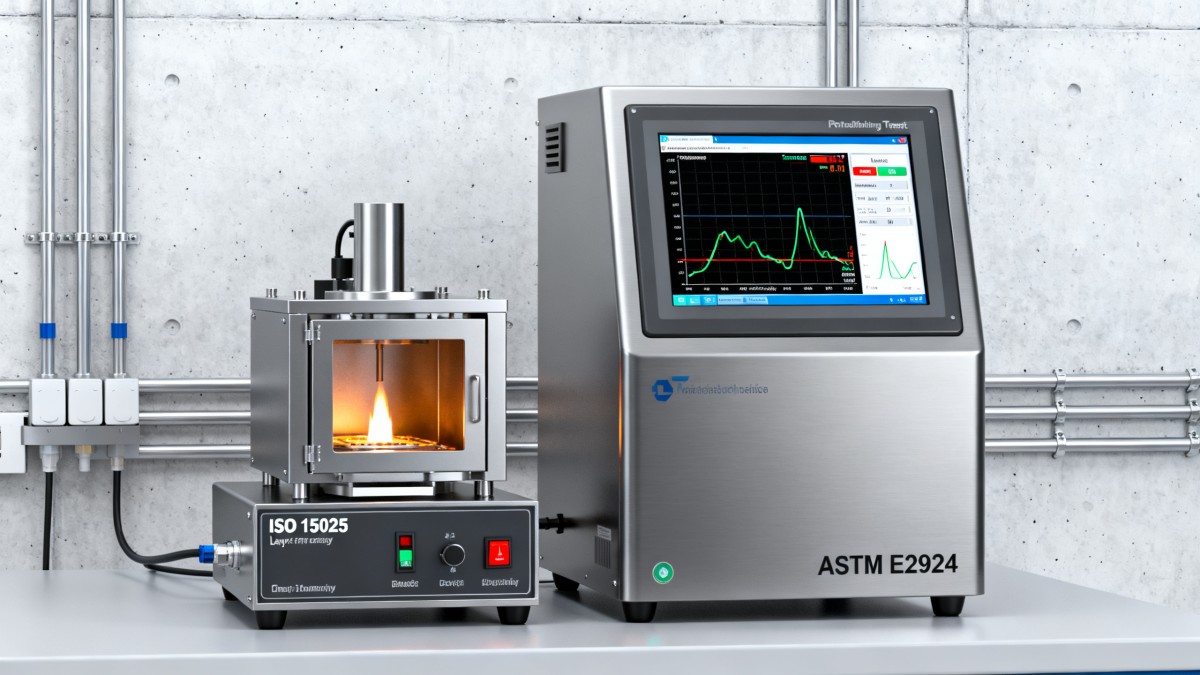
Conclusion: This CPSC action formalizes higher evidentiary thresholds for flame-resistant workwear entering the U.S. market. Its immediate consequence is elongated lead times and tighter resource constraints—notably in testing capacity—but its longer-term significance lies in elevating material safety expectations across the entire production lifecycle. For now, it is most accurately interpreted as an enforceable standard with near-term logistical implications, rather than a provisional policy signal.
Source Disclosure:
Primary source: U.S. Consumer Product Safety Commission (CPSC), Flame-Resistant Workwear Final Rule, 16 CFR Part 1615, published May 10, 2026.
Additional context drawn from verified industry statements regarding laboratory scheduling and delivery timelines. No external data, projections, or unconfirmed regulatory developments have been included. Ongoing monitoring is recommended for CPSC enforcement guidance and potential updates to ASTM E2924 or ISO 15025 adoption status in other jurisdictions.
Technical Specifications
- How to Select Electronic Hotel Key Card Locks for Guest Rooms and Staff AreasAuthor :Safety Compliance Lead
- How to Select Lab Instruments for Reliable Chemical Analysis WorkflowsAuthor :Precision Metrology Expert
- How to Size a UPS for Server Rooms: Load, Runtime, and Redundancy FactorsAuthor :Grid Infrastructure Analyst
Expert Insights

Chief Security Architect
Dr. Thorne specializes in the intersection of structural engineering and digital resilience. He has advised three G7 governments on industrial infrastructure security.
Related Analysis
- Sep 17, 2026How to Select Electronic Hotel Key Card Locks for Guest Rooms and Staff AreasAuthor :Safety Compliance Lead
- Sep 16, 2026How to Select Lab Instruments for Reliable Chemical Analysis WorkflowsAuthor :Precision Metrology Expert
- Sep 15, 2026How to Size a UPS for Server Rooms: Load, Runtime, and Redundancy FactorsAuthor :Grid Infrastructure Analyst
Core Sector // 01
Security & Safety
- Can One Supplier Provide Both IEC- and ATEX-Certified Safety Equipment?Author :Safety Compliance Lead

- Are Dual IEC and NEC Safety Certifications Worth the Cost?Author :Safety Compliance Lead

- What Is the Difference Between Class I and Class II PPE?Author :Safety Compliance Lead

- Which Oil and Gas Safety Standards Should Contractors Meet Before Site Mobilization?Author :Safety Compliance Lead

- EU REACH Adds PFAS Cap for PPE WorkwearAuthor :Safety Compliance Lead

- How to Evaluate a Chemical Resistant Suit Supplier for Industrial Safety ProcurementAuthor :Safety Compliance Lead

- EU REACH Sets 50 ppb PFAS Cap for PPE WorkwearAuthor :Safety Compliance Lead

- EU Tightens PFOA Limit for PPE and Industrial Filter MediaAuthor :Safety Compliance Lead