Mexico’s NOM-001-SENER-2026: Energy Efficiency Certification for Industrial Fire Pump Sets
Author
Date Published
Reading Time
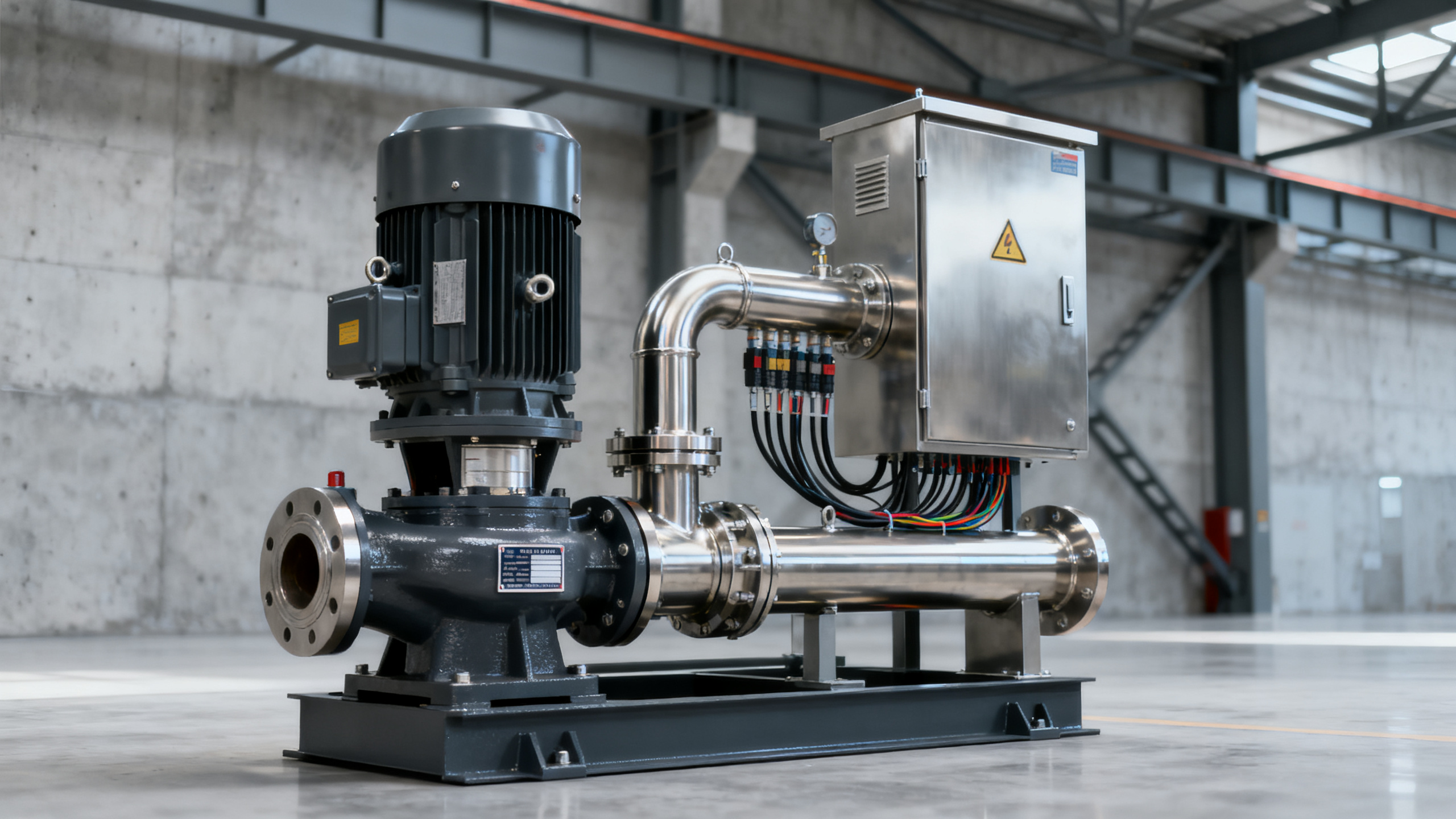
On May 7, 2026, Mexico’s Ministry of Energy (SENER) issued NOM-001-SENER-2026, a mandatory energy efficiency standard requiring all imported industrial fire pump sets with flow rates of ≥50 L/s to obtain a three-tiered energy efficiency classification (A/B/C). This regulation directly affects manufacturers, exporters, and importers in the fire protection equipment supply chain—particularly those engaged in cross-border trade between China and Mexico—and signals a tightening of technical market access requirements.
Event Overview
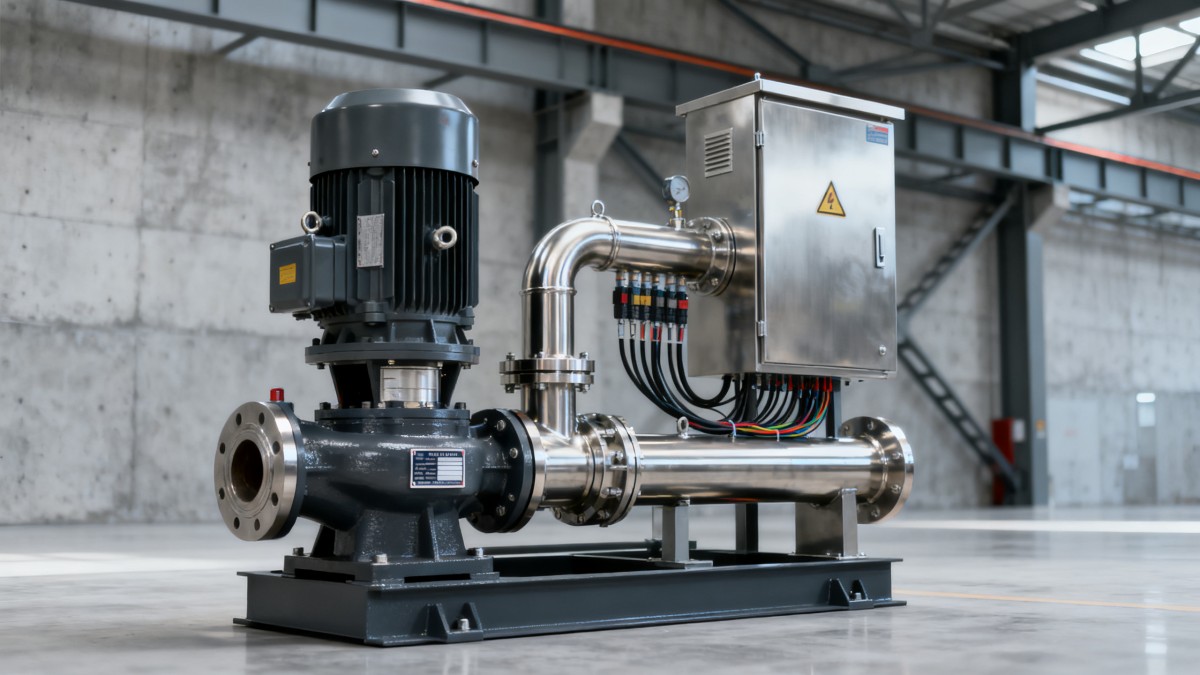
On May 7, 2026, SENER published NOM-001-SENER-2026 as a compulsory official Mexican standard. It stipulates that all industrial fire pump sets imported into Mexico with nominal flow rates of 50 liters per second or higher must undergo energy efficiency classification testing and certification. The classification comprises three levels: A (highest efficiency), B, and C (lowest). Products classified as Level A are eligible for a 15% reduction in import tariff. Certification must be conducted exclusively by SENER-recognized laboratories located in Mexico, and foreign manufacturers—including those based in China—must appoint a local representative to manage testing, documentation, and registration.
Industries Affected
Direct Exporting Enterprises
Exporters of industrial fire pump sets from China and other third countries are directly subject to the new requirement. Since certification is mandatory prior to customs clearance, failure to complete the process will block market entry. The need for a Mexican legal representative adds administrative and contractual complexity not previously required under general import procedures.
Manufacturing Enterprises (OEM/ODM)
Manufacturers producing fire pump sets for export—especially those supplying branded or private-label units to international distributors—must now ensure product designs meet the minimum efficiency thresholds defined under the A/B/C framework. As the standard applies to the full pump set (including driver, control panel, and integrated components), engineering alignment across subsystems becomes critical before shipment.
Supply Chain Service Providers
Local representatives, certification consultants, and logistics service providers operating in Mexico will see increased demand for regulatory support services. However, only entities formally recognized by SENER may conduct or administer the certification process—limiting the pool of qualified partners and potentially extending lead times for compliance verification.
Key Considerations and Recommended Actions
Monitor Official Implementation Guidance
While NOM-001-SENER-2026 entered force on May 7, 2026, SENER has not yet published detailed test protocols, conformity assessment procedures, or the official list of accredited laboratories. Companies should track updates via the Mexican Official Journal (Diario Oficial de la Federación) and SENER’s public notices.
Identify Product Scope and Classification Thresholds Early
Manufacturers and exporters should verify whether their specific pump set models fall within the scope (≥50 L/s flow rate) and begin internal efficiency benchmarking against likely A/B/C thresholds. Though exact performance limits are not yet public, preliminary analysis suggests A-level products may require overall system efficiencies exceeding 72%, based on analogous NOM standards for rotating equipment.
Engage a Verified Local Representative Without Delay
Appointing a legally authorized Mexican representative is a prerequisite—not an optional step—for initiating certification. Companies should confirm the representative’s formal recognition status with SENER before contract execution, as unauthorized intermediaries cannot submit valid applications.
Adjust Lead Times and Documentation Workflow
Given that testing must occur in Mexico and certification cannot be completed remotely, supply chain planning must now include additional time for sample shipping, lab scheduling, report generation, and registration approval. Documentation—including technical files, pump curves, motor specifications, and control logic diagrams—must be prepared in Spanish and aligned with Mexican metrological requirements.
Editorial Perspective / Industry Observation
Observably, NOM-001-SENER-2026 functions less as a standalone energy policy and more as a technical trade barrier calibrated to align import controls with domestic infrastructure resilience goals. Analysis shows this standard is consistent with Mexico’s broader trend of embedding energy performance criteria into sector-specific NOMs—particularly for safety-critical equipment used in industrial and municipal settings. From an industry perspective, it is better understood as an early-stage regulatory signal rather than an immediately enforceable operational mandate, given the absence of published implementation guidelines and accredited lab lists. Continued monitoring over the next 6–12 months will clarify whether enforcement is phased, how strictly ‘industrial fire pump set’ is interpreted (e.g., whether skid-mounted vs. bare-pump configurations differ), and whether grandfathering applies to existing import contracts.
Conclusion: NOM-001-SENER-2026 marks a formalization of energy efficiency as a non-tariff requirement for industrial fire protection equipment entering Mexico. Its immediate impact lies not in widespread disruption, but in raising the baseline for market access preparation. For affected enterprises, the regulation is best interpreted as a structural shift toward greater pre-market technical accountability—requiring proactive coordination with local regulatory infrastructure, rather than reactive compliance after shipment.
Source: Secretaría de Energía (SENER), Mexico; Official Gazette of the Federation (Diario Oficial de la Federación), May 7, 2026 issue.
Note: Details regarding test methodology, laboratory accreditation status, and transitional provisions remain pending and require ongoing observation.
Technical Specifications
- Air Handling Unit Supplier Checklist: Performance Data, Lead Times, and SupportAuthor :Environmental Engineering Director
- Buying Fiberglass Water Tanks Wholesale: Compare Quotes and Delivery CostsAuthor :Environmental Engineering Director
- Choosing an XLPE Power Cable Supplier: Test Reports, Traceability, and Lead TimesAuthor :Grid Infrastructure Analyst
Expert Insights

Chief Security Architect
Dr. Thorne specializes in the intersection of structural engineering and digital resilience. He has advised three G7 governments on industrial infrastructure security.
Related Analysis
- Oct 19, 2026Air Handling Unit Supplier Checklist: Performance Data, Lead Times, and SupportAuthor :Environmental Engineering Director
- Oct 18, 2026Buying Fiberglass Water Tanks Wholesale: Compare Quotes and Delivery CostsAuthor :Environmental Engineering Director
- Oct 17, 2026Choosing an XLPE Power Cable Supplier: Test Reports, Traceability, and Lead TimesAuthor :Grid Infrastructure Analyst
Core Sector // 01
Security & Safety
- How to Vet a Wholesale CO2 Extinguisher Supplier for Certified Bulk OrdersAuthor :Safety Compliance Lead

- How to Select a Conventional Fire Alarm Panel by Zone Capacity and Building RiskAuthor :Safety Compliance Lead

- Steel Rescue Tripods Wholesale: Key Load Ratings, Standards, and Buying MistakesAuthor :Safety Compliance Lead

- India Lifts Duty on Fire Rescue Imports to 22%Author :Safety Compliance Lead

- IEC 62061 Amendment 2 Targets Fire & Rescue ControllersAuthor :Safety Compliance Lead

- IEC 62819-2:2026 Sets New Cybersecurity CheckpointAuthor :Safety Compliance Lead

- When to Use a Quick Deployment Oil Boom for Spill Control in Ports and Inland WatersAuthor :Safety Compliance Lead

- Saudi SASO Adds Cybersecurity Annex to Fire Equipment CertificationAuthor :Safety Compliance Lead