What to check before choosing a Security & Safety supplier
Author
Date Published
Reading Time
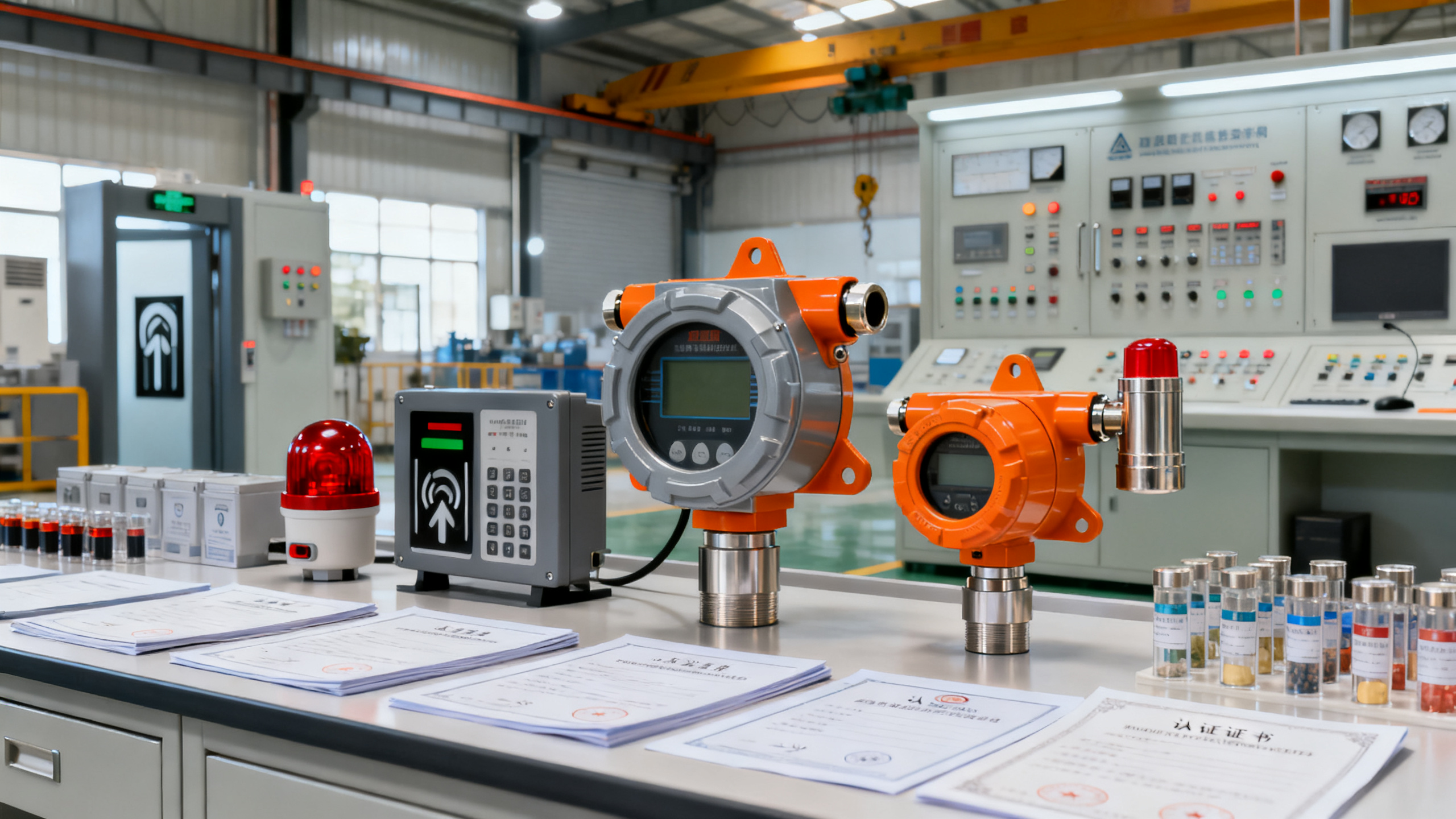
Choosing a Security & Safety supplier now requires more than checking price sheets or delivery promises.
Industrial sites face tighter compliance, higher uptime expectations, and broader exposure to operational, cyber, and personnel risks.
A weak supplier decision can create audit failures, unsafe conditions, delayed commissioning, and expensive replacement cycles.
That is why the right evaluation model must look at standards, traceability, technical support, product consistency, and long-term resilience.
In today’s industrial environment, selecting a Security & Safety supplier is a strategic risk-control decision, not a routine sourcing task.
Why the checklist for a Security & Safety supplier is getting stricter
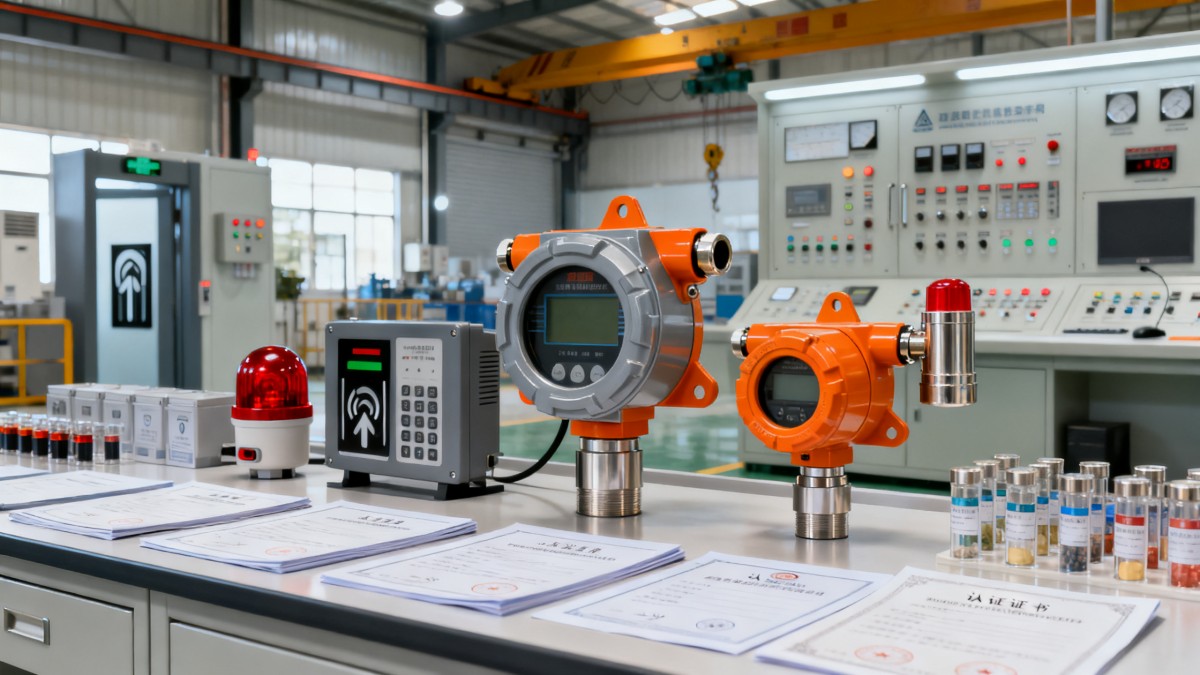
Across industrial sectors, safety systems are no longer isolated hardware purchases.
They are part of broader risk architectures that support worker protection, incident prevention, and regulatory defensibility.
Facilities now expect alarms, access control, PPE, detection devices, emergency systems, and monitoring components to work together reliably.
This shift changes how any Security & Safety supplier should be assessed.
The market is also moving toward lifecycle accountability.
Buyers increasingly ask for validation data, maintenance guidance, spare parts continuity, and proof of field performance in demanding environments.
As a result, the best Security & Safety supplier is often the one with strong engineering discipline, not just a large catalog.
The strongest trend signals before choosing a Security & Safety supplier
Several market signals explain why evaluation standards have become more demanding.
These signals affect both general industry projects and high-risk industrial infrastructure.
These changes mean that choosing a Security & Safety supplier now depends on evidence, not assumptions.
What is driving these changes in security and safety sourcing
The pressure comes from regulation, technology, and operating reality.
A useful selection process should reflect all three.
- Regulatory expectations are rising across industrial, commercial, and infrastructure projects.
- Safety systems are expected to prove performance, not just exist on a specification sheet.
- Integrated sites require devices that work across electrical, control, and monitoring environments.
- Harsh conditions demand stronger material quality, enclosure ratings, and endurance testing.
- Global procurement volatility makes after-sales support and inventory planning more important.
For this reason, the ideal Security & Safety supplier must combine compliance strength with practical execution capability.
What to check before choosing a Security & Safety supplier
1. Certification validity and standards alignment
Always confirm whether certifications are current, relevant, and issued by recognized bodies.
A credible Security & Safety supplier should provide test reports, declarations, and product-level traceability without delay.
Check whether approvals match the destination market and actual use conditions.
2. Product reliability under real operating conditions
Catalog performance is not enough for industrial decision-making.
Review service life data, failure rates, ingress protection, temperature tolerance, and field references.
The right Security & Safety supplier should explain how products perform under dust, vibration, humidity, corrosion, or continuous operation.
3. Documentation depth and technical clarity
Incomplete documentation often signals wider quality risks.
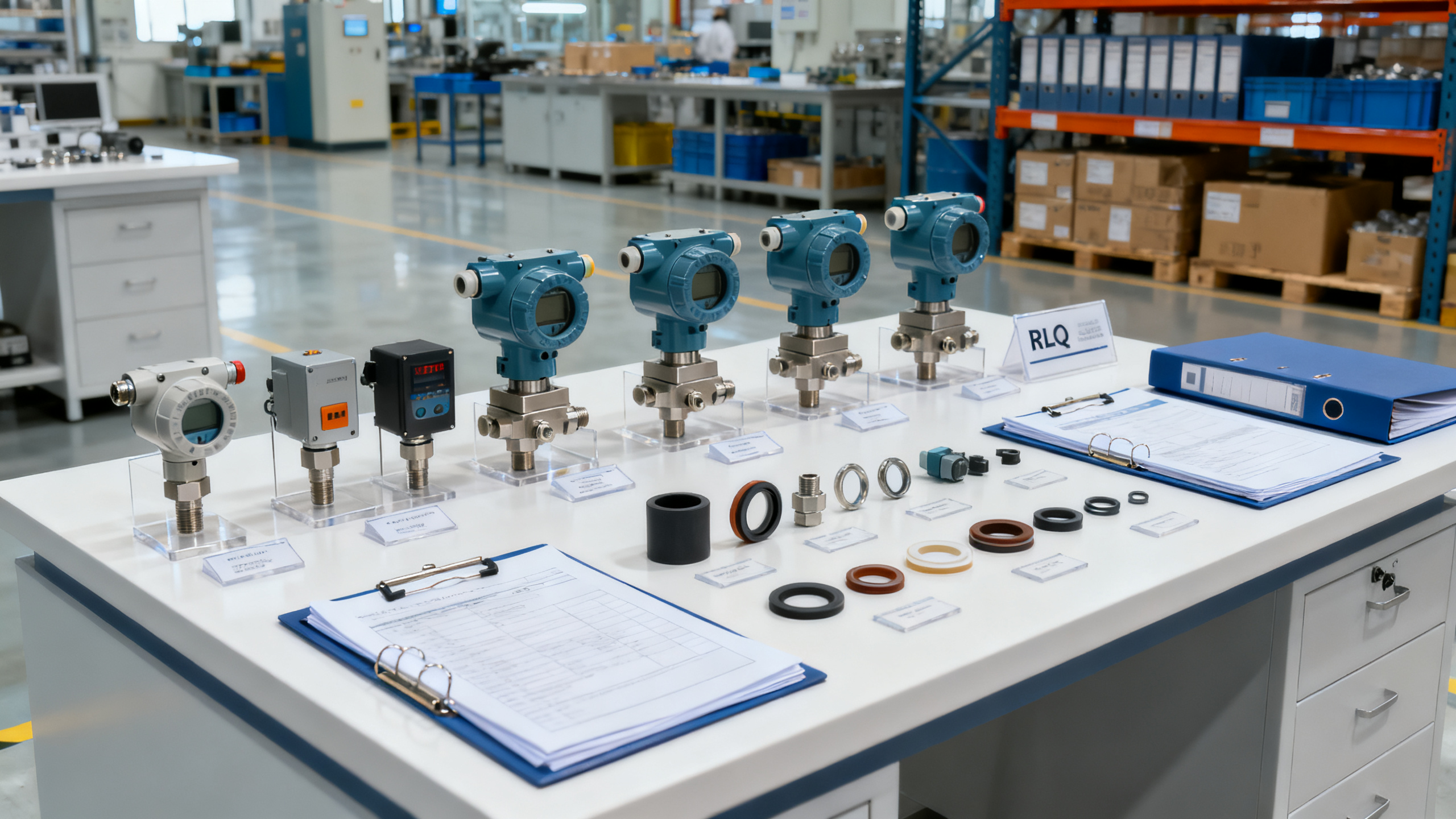
Look for installation guides, maintenance instructions, wiring details, material specifications, and revision history.
A dependable Security & Safety supplier supports audits and commissioning through clear technical records.
4. Response capability during urgent events
Safety gaps rarely wait for standard lead times.
Evaluate spare stock, escalation channels, replacement speed, and regional support coverage.
A strong Security & Safety supplier can support emergency replacement without creating compliance uncertainty.
5. Manufacturing consistency and quality control
Consistency matters when systems must perform predictably across multiple sites.
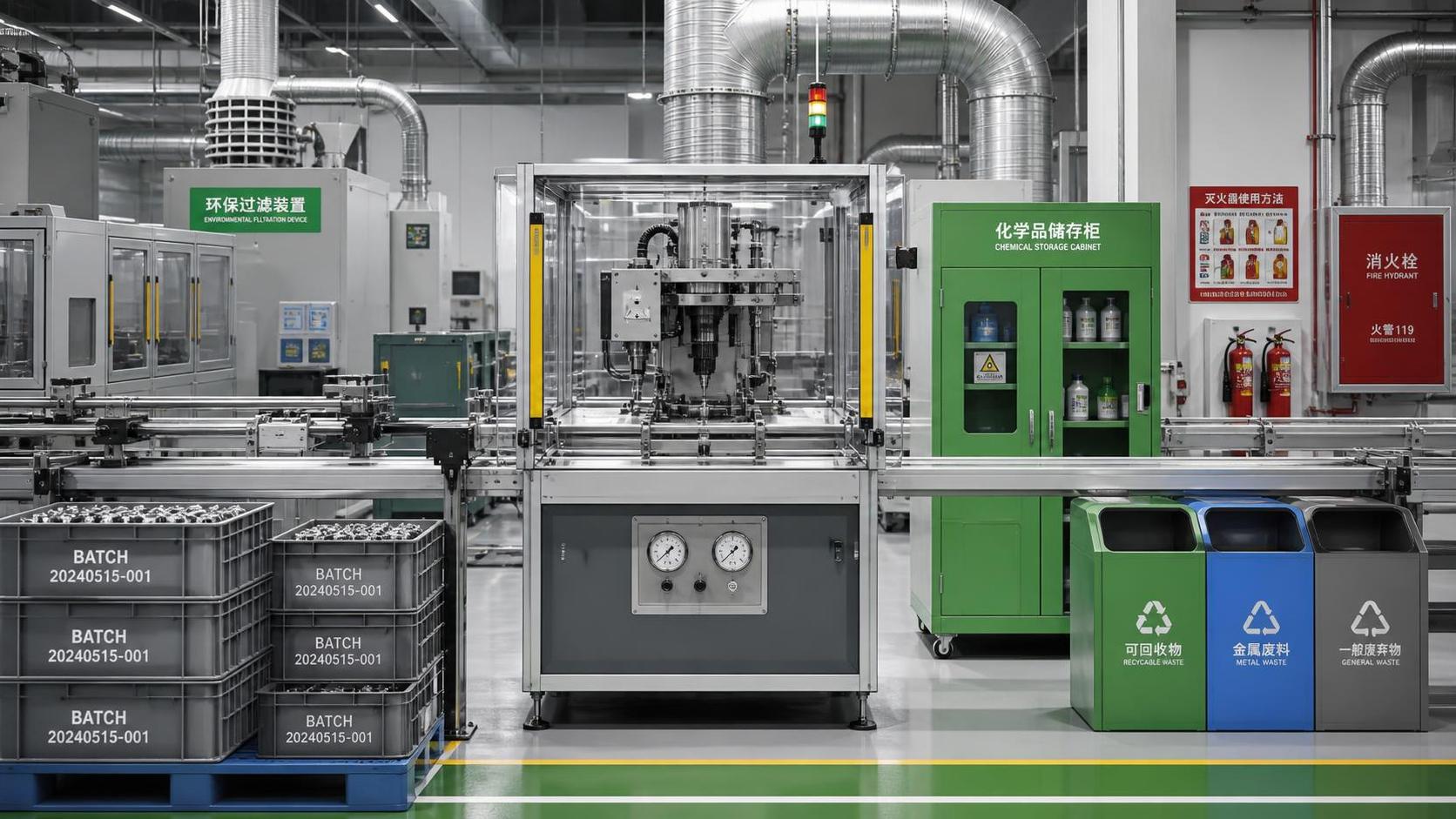
Ask about incoming inspection, calibration routines, batch control, and nonconformance handling.
Any Security & Safety supplier worth shortlisting should show repeatable quality, not isolated sample quality.
6. Integration support and application knowledge
Many failures happen at interfaces, not inside a single product.
Check compatibility with control panels, communication protocols, power requirements, and existing facility architecture.
A qualified Security & Safety supplier should understand application risk, not just SKU selection.
How supplier quality affects different business functions
The impact of supplier choice spreads beyond procurement and touches several business-critical activities.
- Compliance: Weak records increase audit exposure and delay approvals.
- Operations: Low reliability creates downtime, false alarms, or unsafe blind spots.
- Maintenance: Poor parts continuity increases lifecycle cost and unplanned substitutions.
- Project delivery: Unclear lead times can interrupt installation and commissioning sequences.
- Risk governance: Weak supplier discipline undermines incident investigation and accountability.
This is why a Security & Safety supplier should be evaluated as an operational partner, not a transactional vendor.
Priority checkpoints that deserve closer attention
When comparing options, several checkpoints often reveal the difference between acceptable and dependable supply.
- Verify certificate numbers against official registries where possible.
- Request recent inspection or factory audit evidence.
- Review sample documentation before issuing a large order.
- Assess mean time to respond for urgent technical support.
- Check whether parts remain available across the expected asset lifecycle.
- Look for proven experience in comparable sites or regulated environments.
Each point strengthens confidence in the chosen Security & Safety supplier and reduces hidden downstream risk.
A practical decision framework for the next supplier review
What to do next before finalizing a Security & Safety supplier
Start with a structured prequalification review instead of a price-first comparison.
Score each Security & Safety supplier against compliance, technical depth, service responsiveness, and supply continuity.
Then validate claims through samples, documentation checks, and reference verification.
Where risk exposure is high, add a factory audit or third-party inspection step.
A disciplined process prevents hidden quality costs and improves long-term operational confidence.
For industrial environments where failure is not an option, the right Security & Safety supplier is the one that proves trust through data, control, and performance.
Technical Specifications
- How to Select Electronic Hotel Key Card Locks for Guest Rooms and Staff AreasAuthor :Safety Compliance Lead
- How to Select Lab Instruments for Reliable Chemical Analysis WorkflowsAuthor :Precision Metrology Expert
- How to Size a UPS for Server Rooms: Load, Runtime, and Redundancy FactorsAuthor :Grid Infrastructure Analyst
Expert Insights

Chief Security Architect
Dr. Thorne specializes in the intersection of structural engineering and digital resilience. He has advised three G7 governments on industrial infrastructure security.
Related Analysis
- Sep 17, 2026How to Select Electronic Hotel Key Card Locks for Guest Rooms and Staff AreasAuthor :Safety Compliance Lead
- Sep 16, 2026How to Select Lab Instruments for Reliable Chemical Analysis WorkflowsAuthor :Precision Metrology Expert
- Sep 15, 2026How to Size a UPS for Server Rooms: Load, Runtime, and Redundancy FactorsAuthor :Grid Infrastructure Analyst
Core Sector // 01
Security & Safety
- How to Select Electronic Hotel Key Card Locks for Guest Rooms and Staff AreasAuthor :Safety Compliance Lead

- How to Evaluate a Hotel Key Card Lock Supplier for Multi-Property RolloutsAuthor :Safety Compliance Lead

- Pre-Contract Audit Checklist for Verified Production Safety and Environmental ComplianceAuthor :Safety Compliance Lead

- How Can Distributors Build Procurement-Oriented Industrial Content That Drives RFQs?Author :Safety Compliance Lead

- EU Mandates EN 50131-1:2026 for Security SystemsAuthor :Safety Compliance Lead

- EU EN 50131-1:2026 Takes Effect on CCTV ComplianceAuthor :Safety Compliance Lead

- IEC Issues CCTV Interoperability Test StandardAuthor :Safety Compliance Lead

- EN 50131-4:2026 Raises EU Security Compliance BarAuthor :Safety Compliance Lead