Police Batons Wholesale Buying Guide: Materials, Compliance, MOQ, and Supplier Checks
Author
Date Published
Reading Time
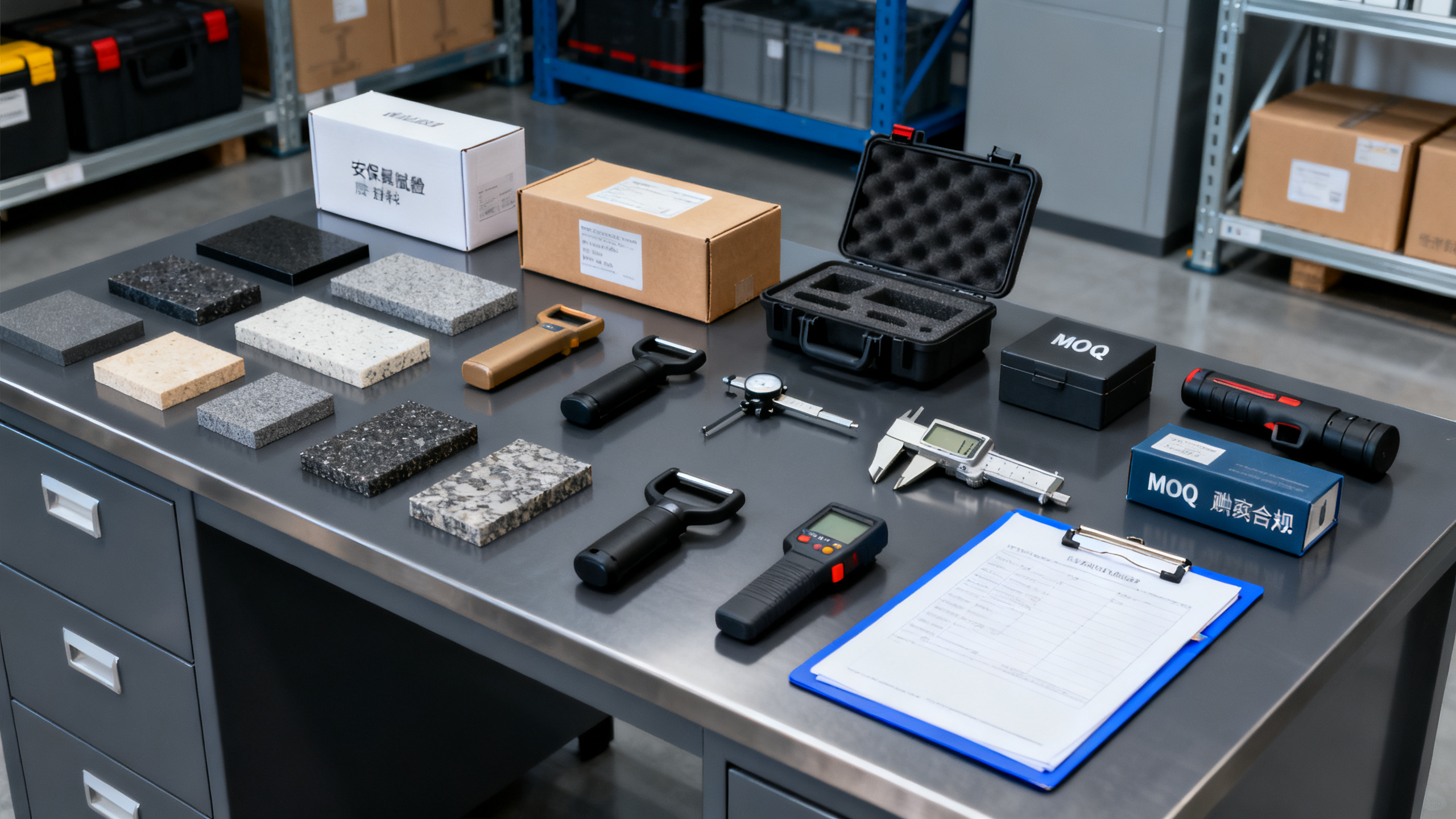
Police Batons Wholesale Buying Guide: Materials, Compliance, MOQ, and Supplier Checks
For teams evaluating police batons wholesale options, price alone is never enough.
Material strength, legal compliance, MOQ, and supplier verification shape total risk.
They also affect delivery stability, field performance, and replacement cost.
This guide explains how to compare police batons wholesale offers with more confidence.
Start with Use Case, Not Unit Price
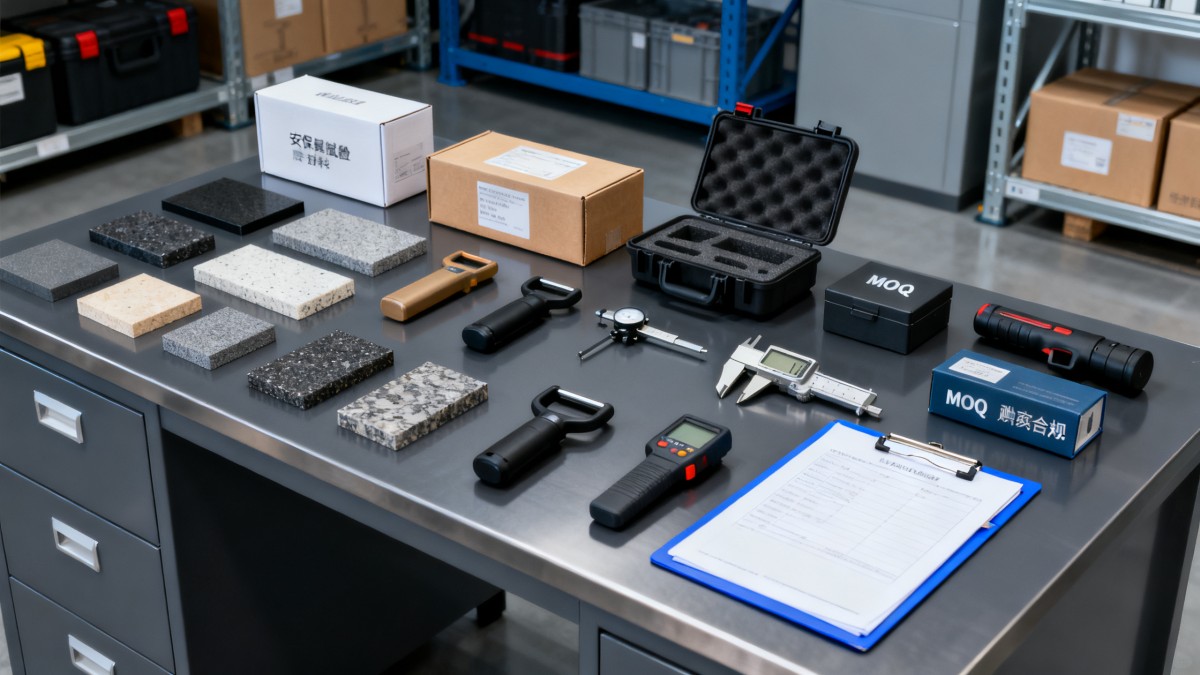
The first mistake in police batons wholesale sourcing is comparing quotations too early.
A baton for patrol stock differs from one for training, riot control, or private security contracts.
That difference changes materials, finish, weight, packaging, and documentation needs.
In practical buying, the lowest quote often hides mismatch costs.
Those costs appear later through breakage, compliance delays, or rejected shipments.
- Define whether the order is for institutional duty use, training, or resale.
- Confirm required baton type, such as straight, expandable, or side-handle.
- Check local restrictions before discussing packaging or branding.
- Align technical specs with contract terms and end-user expectations.
This early filtering makes every later police batons wholesale decision faster and safer.
Compare Baton Materials the Right Way
Material selection is where wholesale cost and service life start to separate.
For police batons wholesale buyers, common materials include carbon steel, alloy steel, aluminum, rubber, and polycarbonate.
Each option changes impact resistance, corrosion behavior, carrying comfort, and maintenance requirements.
What to Expect from Common Materials
Material claims should never be accepted without test evidence.
Ask for hardness data, coating details, salt spray results, and impact testing records.
In police batons wholesale negotiations, verified data reduces disputes better than brochures do.
Check Compliance Before Ordering
Compliance is often the biggest hidden risk in police batons wholesale sourcing.
Baton legality differs by country, region, agency type, and import classification.
A product that ships smoothly to one market may be restricted in another.
That is why compliance review must start before sampling is approved.
Key Documents to Request
- Product specifications with dimensions, finish, and material composition.
- Factory quality certificates, such as ISO 9001 if available.
- Test reports from internal labs or qualified third parties.
- Export documents and HS code confirmation.
- Declarations covering restricted market use, if required.
Some suppliers mention CE or similar standards too casually.
That can be a warning sign, because many baton products are not covered the same way as electrical goods.
The safer approach is document-by-document verification tied to destination market rules.
For police batons wholesale projects, local counsel or customs brokers can prevent expensive mistakes.
Understand MOQ, Pricing Structure, and Total Cost
MOQ affects cash flow more than many buyers expect.
In police batons wholesale deals, MOQ may apply at product level, color level, logo level, or carton level.
A low headline price can become less attractive once customization thresholds are added.
Cost Areas That Need Review
- Unit price by material grade and finish.
- Mold, logo, engraving, or packaging setup fees.
- Sample charges and sample lead time.
- Inspection cost before shipment.
- Freight, duties, and import handling fees.
- Spare parts or replacement support for expandable models.
It also helps to ask how price changes across volume bands.
Many police batons wholesale suppliers have meaningful breaks at 500, 1,000, or 3,000 units.
From a cost-control view, the best deal is often the lowest compliant landed cost.
That is not always the lowest ex-works number.
How to Verify a Police Batons Wholesale Supplier
Supplier checks should go beyond catalog quality and response speed.
A reliable police batons wholesale partner needs process control, traceability, and stable communication.
This becomes more important when repeat contracts or regulated destinations are involved.
Supplier Checkpoints That Matter
- Factory profile, registration history, and export experience.
- Production capacity for peak demand periods.
- Consistency of welding, machining, coating, and grip assembly.
- Batch coding, defect handling, and claims response process.
- Willingness to support third-party inspection.
- Accuracy of paperwork versus actual product build.
If possible, request a video audit or live factory walkthrough.
That usually reveals more than edited marketing photos.
In actual business, slow answers on technical questions are often more revealing than slow price replies.
Sample Testing and Inspection Reduce Expensive Surprises
A sample is not just a formality in police batons wholesale procurement.
It is the fastest way to confirm balance, extension smoothness, grip feel, finish quality, and packaging accuracy.
One approved sample should then become the production reference.
Suggested Inspection Points
- Length, diameter, weight, and tolerance consistency.
- Locking reliability for expandable batons.
- Surface finish, coating adhesion, and corrosion resistance.
- Grip bonding, texture, and odor issues.
- Packaging labels, carton marks, and barcode accuracy.
Pre-shipment inspection is especially useful for first orders.
For repeat police batons wholesale orders, periodic checks still protect quality drift.
Build a Safer RFQ Process
A clear RFQ improves quote quality immediately.
It also makes police batons wholesale suppliers easier to compare on real decision factors.
The more precise the RFQ, the fewer surprises appear after deposit payment.
- Specify baton type, dimensions, material, and finish.
- State target market and compliance documents required.
- Request MOQ, lead time, and price by quantity tier.
- Ask for sample policy and inspection support.
- Require packing details and carton data.
A disciplined RFQ process turns police batons wholesale buying into a controllable sourcing project.
That means fewer compliance gaps, stronger supplier leverage, and better long-term cost control.
When material data, legal checks, MOQ logic, and supplier verification align, better decisions follow naturally.
Technical Specifications
- How to Select Electronic Hotel Key Card Locks for Guest Rooms and Staff AreasAuthor :Safety Compliance Lead
- How to Select Lab Instruments for Reliable Chemical Analysis WorkflowsAuthor :Precision Metrology Expert
- How to Size a UPS for Server Rooms: Load, Runtime, and Redundancy FactorsAuthor :Grid Infrastructure Analyst
Expert Insights

Chief Security Architect
Dr. Thorne specializes in the intersection of structural engineering and digital resilience. He has advised three G7 governments on industrial infrastructure security.
Related Analysis
- Sep 17, 2026How to Select Electronic Hotel Key Card Locks for Guest Rooms and Staff AreasAuthor :Safety Compliance Lead
- Sep 16, 2026How to Select Lab Instruments for Reliable Chemical Analysis WorkflowsAuthor :Precision Metrology Expert
- Sep 15, 2026How to Size a UPS for Server Rooms: Load, Runtime, and Redundancy FactorsAuthor :Grid Infrastructure Analyst
Core Sector // 01
Security & Safety
- How to Select Electronic Hotel Key Card Locks for Guest Rooms and Staff AreasAuthor :Safety Compliance Lead

- How to Evaluate a Hotel Key Card Lock Supplier for Multi-Property RolloutsAuthor :Safety Compliance Lead

- Pre-Contract Audit Checklist for Verified Production Safety and Environmental ComplianceAuthor :Safety Compliance Lead

- How Can Distributors Build Procurement-Oriented Industrial Content That Drives RFQs?Author :Safety Compliance Lead

- EU Mandates EN 50131-1:2026 for Security SystemsAuthor :Safety Compliance Lead

- EU EN 50131-1:2026 Takes Effect on CCTV ComplianceAuthor :Safety Compliance Lead

- IEC Issues CCTV Interoperability Test StandardAuthor :Safety Compliance Lead

- EN 50131-4:2026 Raises EU Security Compliance BarAuthor :Safety Compliance Lead