China Adds HS 8531.90.91 for Industrial Safety Exports
Author
Date Published
Reading Time
On June 10, 2026, China Customs began using a new export subheading in its Single Window system for industrial-grade intelligent security and emergency-response equipment. The change is especially relevant for exporters of integrated security gates, thermal imaging fire monitoring systems, and multispectral smoke detectors, as well as for customs teams, supply chain operators, and overseas buyers tracking delivery timing. For the industry, the development matters not only because the reported customs clearance pace for security gates and fire equipment has improved by 30%, but also because the new code links classification with inspection priority, AEO-related facilitation, and tax rebate processing.
A New Export Category Is Now in Use
According to the provided event information, China Customs activated HS 8531.90.91 in the Single Window system starting June 10, 2026. The subheading is described as covering industrial-grade intelligent security and emergency-response equipment.
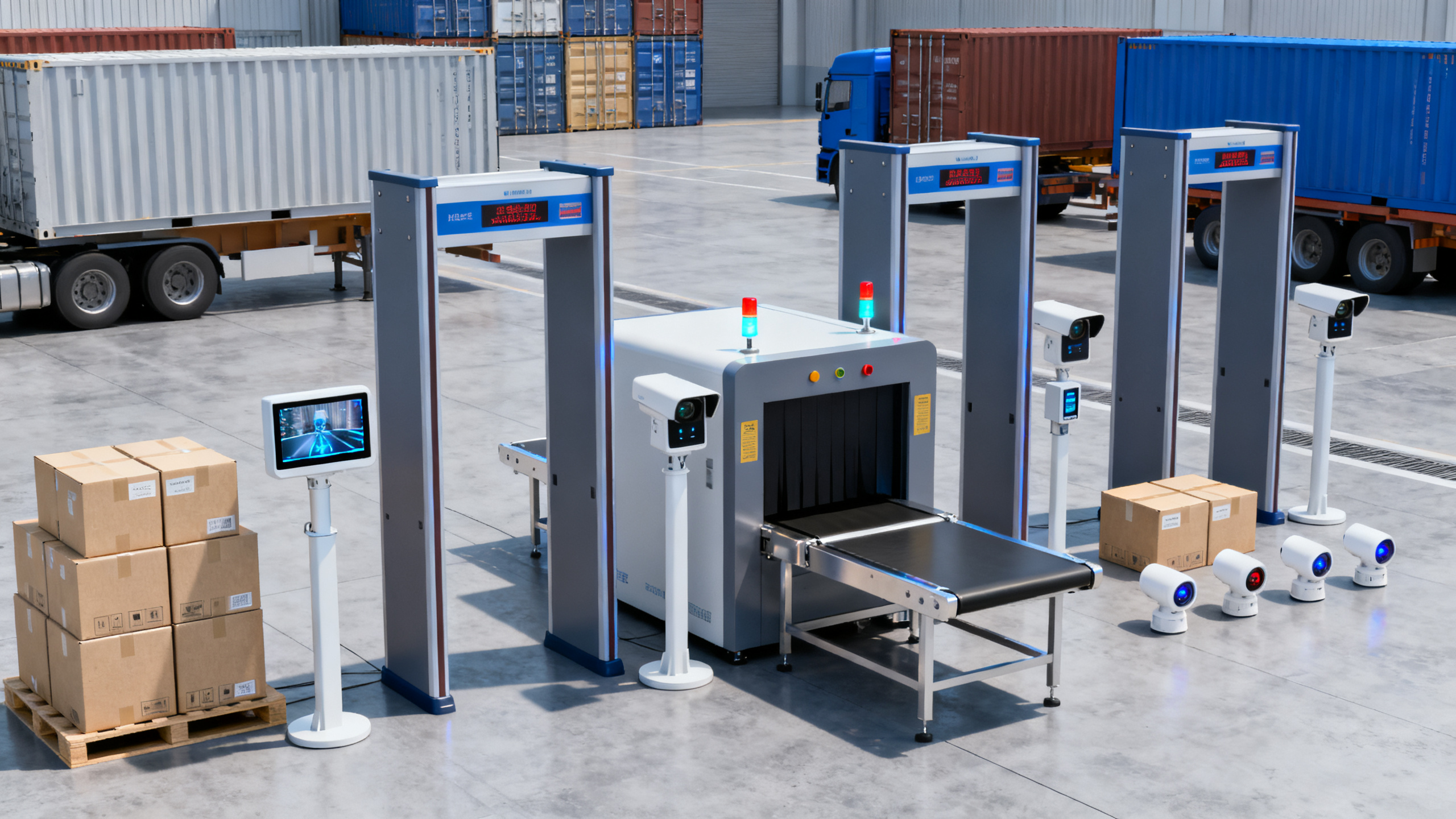
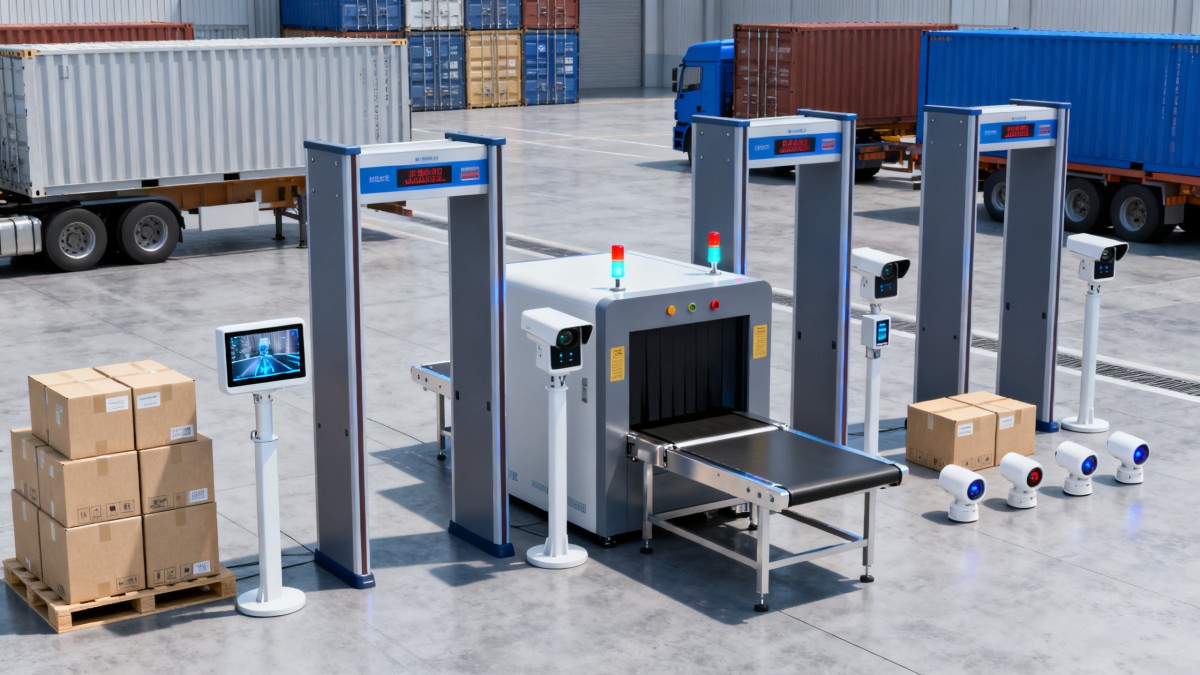
The products specifically mentioned in the provided information include CCTV-integrated security screening gates, infrared thermal imaging fire monitoring systems, and multispectral smoke detectors. Enterprises whose products are classified under this code can access priority inspection, a green channel associated with advanced AEO certification, and immediate export tax rebate settlement.
The first pilot locations are Shanghai, Shenzhen, and Ningbo, with nationwide rollout expected by the end of June.
Where the Immediate Impact May Appear
Exporters handling higher-value security equipment
From an industry perspective, direct export companies are likely to be the first to feel the effect because customs classification directly affects declaration efficiency, inspection arrangements, and rebate timing. The most immediate impact may appear in export filing, document preparation, and shipment scheduling. What deserves closer attention is whether a company's products clearly fit the stated scope of the new code and whether internal declaration practices are aligned with the updated classification path.
Manufacturers coordinating production and delivery
For manufacturers of integrated security and fire-monitoring equipment, the change may influence production-to-shipment coordination rather than factory operations alone. Analysis shows that faster clearance can affect dispatch planning, finished-goods turnover, and promised delivery windows to overseas customers. Companies in this position may need to pay closer attention to model definitions, product specifications, and supporting product descriptions used in customs documents.
Customs brokers and supply chain service providers
Service providers involved in declaration, port coordination, and export compliance may also be affected because the new subheading creates a more specific processing route for certain products. The practical impact may show up in classification review, supporting paperwork checks, and client communication around timelines. Observably, the pilot starting in Shanghai, Shenzhen, and Ningbo makes port-level execution an important point to watch before the expected nationwide expansion by late June.
Overseas buyers monitoring lead time reliability
For procurement teams and end users buying these categories of equipment, the change may matter less as a customs technical update and more as a delivery-management issue. If exporters can use the new code smoothly, buyers may see more predictable shipment handling for relevant products. What deserves closer attention is whether suppliers can explain the classification basis clearly and reflect any processing improvement in confirmed delivery schedules rather than only in general claims.
What Companies Should Watch Next
Check whether products genuinely fit the new subheading
The provided information names several product types, but companies still need to distinguish between products that clearly match the stated scope and products that only partially resemble it. In practice, the difference between a policy signal and actual processing benefit often depends on whether the declared product description, technical materials, and customs classification are consistent.
Follow implementation details across pilot ports and national rollout
The current confirmed facts point to initial coverage in Shanghai, Shenzhen, and Ningbo, with national expansion expected by the end of June. For exporters and logistics teams, that means attention should remain on how implementation is handled during the pilot phase and whether operational details remain consistent once the rollout broadens.
Review documentation and communication workflows
Companies that expect to use HS 8531.90.91 may need to review product naming, declaration documents, and supporting materials used with brokers, freight partners, and customers. This is less about general management and more about avoiding mismatches between product configuration and declared category, especially when shipment timing and rebate processing are part of customer commitments.
Separate facilitation benefits from routine eligibility assumptions
The event summary states that enterprises under this code can receive priority inspection, access to an advanced AEO green channel, and immediate export tax rebate settlement. Analysis shows that companies should pay attention to how these benefits apply in actual operations and avoid treating every relevant shipment as automatically receiving the same practical outcome without confirming the applicable conditions in execution.
Why This Looks Like More Than a Routine Coding Update
As an editorial observation, this development is more appropriate to understand as both an operational adjustment and a policy signal. The operational side is clear: a more specific subheading can streamline handling for a defined group of industrial security and emergency-response products. The signal side is also notable: the named product scope centers on higher-value, technology-integrated equipment rather than broad low-differentiation goods.
At the same time, it would be premature to treat the update as a settled long-term outcome for the entire sector. Observably, the pilot starts in three ports and nationwide rollout is expected later in the same month, so the industry still needs to watch how consistently the classification is applied and how smoothly the stated facilitation measures translate into day-to-day export processes.
How the Industry May Best Read This Stage
At this stage, the new HS 8531.90.91 should be read as a concrete trade-processing change with immediate relevance for exporters of specified industrial security and fire-safety equipment. It also serves as a practical reminder that customs classification, logistics efficiency, and rebate timing are increasingly connected in higher-value equipment exports.
A neutral reading is that the change has clear short-term operational value, while its broader long-term significance still depends on rollout consistency, product scope interpretation, and execution across ports and participating enterprises. For now, it is more appropriate to understand this as an industry development that deserves close follow-up rather than as a final result with fully verified sector-wide effects.
About the Basis of This Article
This article is generated based on the user-provided news title, event date, and event summary. For this type of development, commonly relevant source categories may include official customs notices, company disclosures, industry association updates, authoritative media coverage, and standard-setting or trade-related documents.
No specific official source link was provided in the input, so the exact official publication path still requires continued verification. The main follow-up points to watch are whether the expected nationwide rollout is completed by the end of June, how the new code is implemented in practice across ports, and whether any further official clarification is issued on product scope or processing conditions.
Technical Specifications
- How to Select Electronic Hotel Key Card Locks for Guest Rooms and Staff AreasAuthor :Safety Compliance Lead
- How to Select Lab Instruments for Reliable Chemical Analysis WorkflowsAuthor :Precision Metrology Expert
- How to Size a UPS for Server Rooms: Load, Runtime, and Redundancy FactorsAuthor :Grid Infrastructure Analyst
Expert Insights

Chief Security Architect
Dr. Thorne specializes in the intersection of structural engineering and digital resilience. He has advised three G7 governments on industrial infrastructure security.
Related Analysis
- Sep 17, 2026How to Select Electronic Hotel Key Card Locks for Guest Rooms and Staff AreasAuthor :Safety Compliance Lead
- Sep 16, 2026How to Select Lab Instruments for Reliable Chemical Analysis WorkflowsAuthor :Precision Metrology Expert
- Sep 15, 2026How to Size a UPS for Server Rooms: Load, Runtime, and Redundancy FactorsAuthor :Grid Infrastructure Analyst
Core Sector // 01
Security & Safety
- How to Select Electronic Hotel Key Card Locks for Guest Rooms and Staff AreasAuthor :Safety Compliance Lead

- How to Evaluate a Hotel Key Card Lock Supplier for Multi-Property RolloutsAuthor :Safety Compliance Lead

- Pre-Contract Audit Checklist for Verified Production Safety and Environmental ComplianceAuthor :Safety Compliance Lead

- How Can Distributors Build Procurement-Oriented Industrial Content That Drives RFQs?Author :Safety Compliance Lead

- EU Mandates EN 50131-1:2026 for Security SystemsAuthor :Safety Compliance Lead

- EU EN 50131-1:2026 Takes Effect on CCTV ComplianceAuthor :Safety Compliance Lead

- IEC Issues CCTV Interoperability Test StandardAuthor :Safety Compliance Lead

- EN 50131-4:2026 Raises EU Security Compliance BarAuthor :Safety Compliance Lead