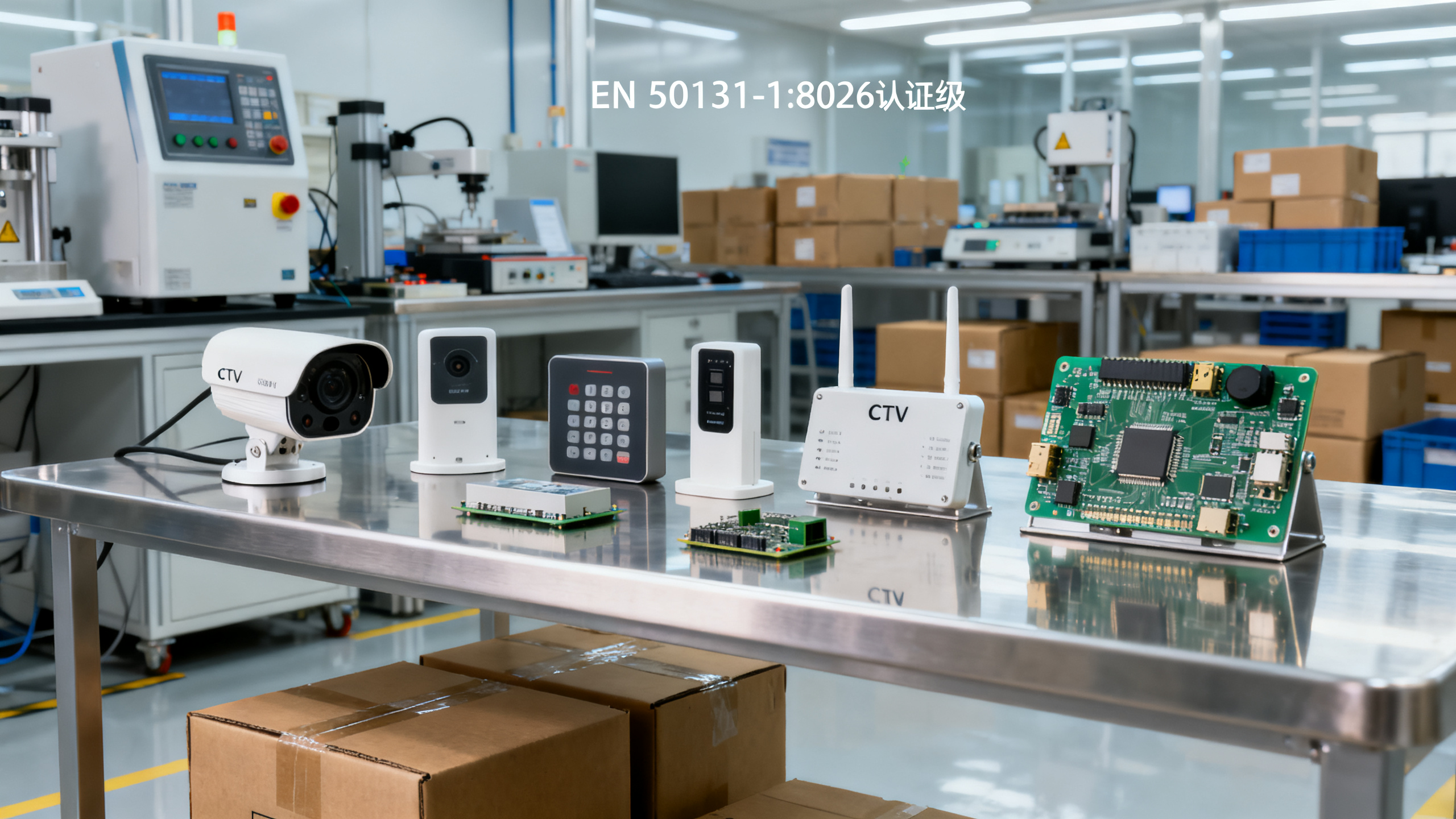
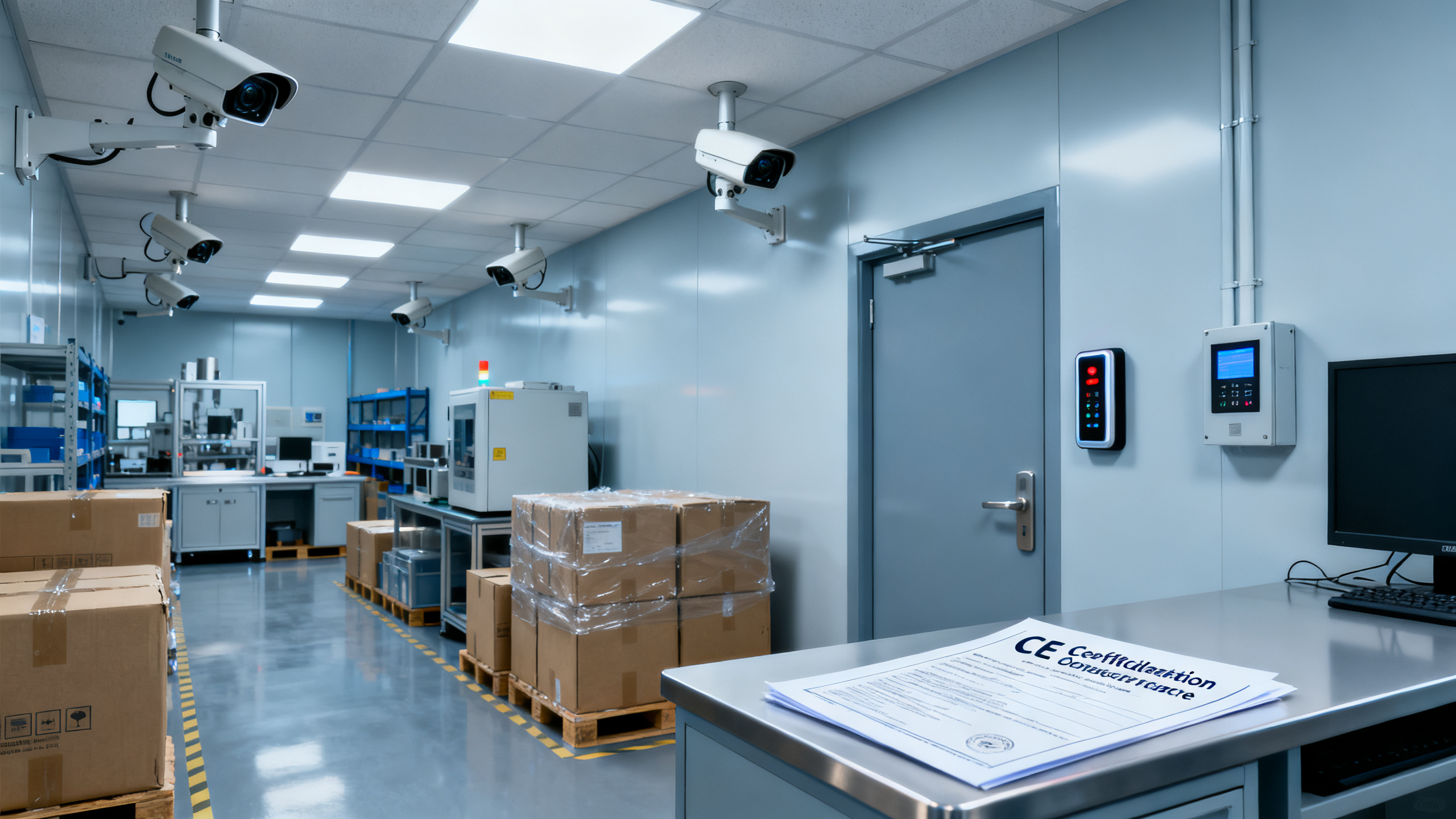
AI Security Rules Tighten Export Paths for Industrial Devices
Author
Date Published
Reading Time
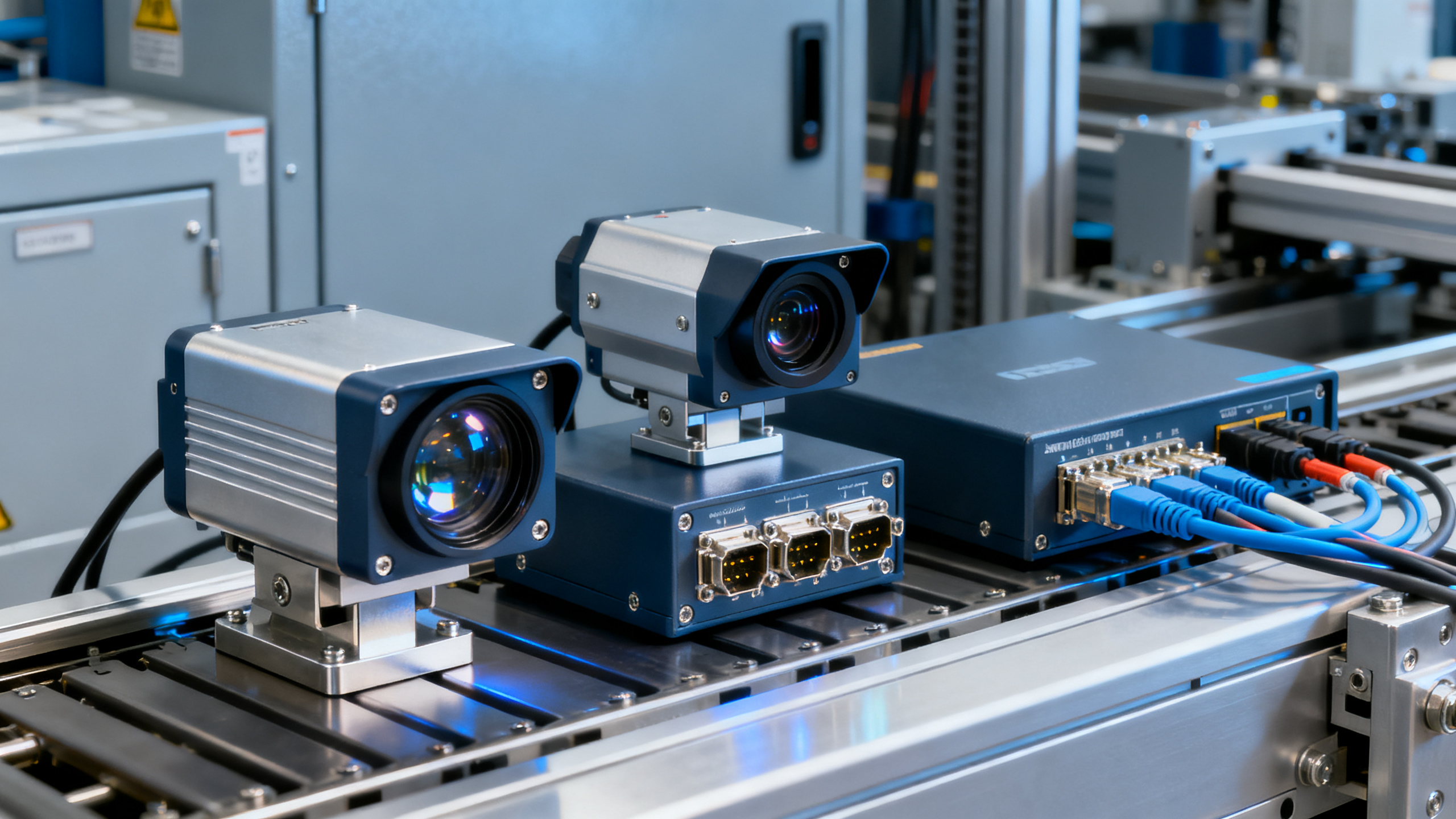
On June 18, 2026, China’s Ministry of Industry and Information Technology released an implementation opinion on innovation and development in “AI + information and communications,” putting new attention on embedded AI security for industrial CCTV and access control, as well as testing and measurement equipment. For exporters of smart cameras, industrial machine vision inspection devices, and fiber sensing gateways targeting Europe and the United States, the update is noteworthy because it links product design, certification readiness, and supply-chain preparation more closely to AI-native security requirements and the GB/T 35273—2026 AI security extension requirements.
What the new opinion explicitly requires
The confirmed information shows that the implementation opinion calls for industrial-grade CCTV and access control equipment, along with testing and measurement devices, to include built-in AI security mechanisms. The examples provided include on-device model watermarking, encrypted inference channels, and zero-trust device identity chains.
The same information also indicates that the new rule affects export certification pathways for smart cameras, industrial visual inspection instruments, and fiber optic sensing gateways sold into European and American markets. At the same time, it pushes the supply chain to prepare in advance for the AI security extension requirements under GB/T 35273—2026.
Where the pressure is likely to appear first
Export-facing device makers will feel it in product definition
From an industry perspective, manufacturers serving overseas markets may be affected first because the policy signal is tied directly to equipment categories already used in industrial security, industrial vision, and optical communications scenarios. The likely pressure points are product architecture, compliance documentation, and certification planning rather than marketing claims.
Supply-chain partners may face earlier qualification requests
Analysis shows that suppliers involved in components, modules, firmware support, and integration services may come under closer review if exporters need to prove that AI security functions are built into devices from the design stage. What deserves closer attention is whether upstream partners can support requirements connected to model protection, secure inference transmission, and trusted device identity.
Channel and project delivery teams may need to adjust customer communication
For distribution, project delivery, and account-facing teams, the impact is likely to appear in pre-sales explanation, tender responses, and export documentation workflows. If certification pathways are affected, customer communication may shift from performance-only discussions to questions about how security architecture is embedded inside the device.
Practical issues companies should track now
Watch how official wording translates into execution
Analysis shows that the current signal is clear on direction, but companies still need to distinguish between the policy wording itself and the exact implementation steps that may follow in certification, testing, or documentation practice. That gap matters for internal planning.
Review the most exposed product lines first
What deserves closer attention is not every device category at once, but the products directly mentioned or clearly aligned with the summary: smart cameras, industrial visual inspection devices, and fiber sensing gateways. Companies with exports to Europe and the United States may need to map these lines first against AI security design and compliance readiness.
Prepare supplier and technical evidence early
Observably, the requirement for built-in AI security architecture can affect not only engineering but also supporting materials. Businesses may need to prepare supplier qualifications, technical descriptions, security-related documentation, and delivery schedules more carefully if customers or certification processes request proof of alignment.
Align customer commitments with compliance timing
From an industry perspective, sales and operations teams should pay attention to how export commitments, product customization, and delivery timelines match the likely pace of security adaptation. The practical issue is less about broad strategy and more about avoiding mismatches between promised shipment schedules and compliance preparation.
Why this reads as a policy signal, not a finished outcome
In editorial observation, this development is more appropriate to understand as a strong directional signal than as a fully settled end state for the market. The confirmed facts already point to a stricter link between AI-enabled industrial devices and security-by-design expectations, but the full business effect will depend on how certification pathways and related compliance interpretation evolve in practice.
Observably, the importance of this update lies in its combination of product scope and export relevance. It does not simply address AI as a general concept; it points toward concrete security architecture inside device categories that already sit in sensitive industrial and monitoring environments.
How the industry may best read this update
The immediate significance of the June 18, 2026 update is that AI security is moving closer to the core design and export compliance logic of industrial communications and monitoring equipment. A cautious reading is most appropriate: this is neither a routine wording change nor a final market conclusion, but a development that companies in industrial optical communications, security monitoring, and testing equipment should monitor closely as they prepare products, documents, and supplier coordination.
Basis of this article
This article is generated from the user-provided news title, event date, and event summary. The available information is limited to the implementation opinion released on June 18, 2026, the stated requirement for embedded AI security mechanisms in relevant industrial devices, the noted effect on export certification pathways for certain products entering European and American markets, and the reference to GB/T 35273—2026 AI security extension requirements.
For this type of industry update, commonly relevant source categories may include official notices, company disclosures, industry association releases, authoritative media coverage, and standards-related documents. A specific official source link was not provided in the input, so further verification remains necessary. Follow-up attention should focus on any later official clarification related to implementation wording, certification practice, and compliance expectations for the affected product categories.
Technical Specifications
- How to Select an Emissions Monitoring System Analyzer for Compliance ReportingAuthor :Precision Metrology Expert
- How to Select an Access Control Management System for Multi-Site FacilitiesAuthor :Safety Compliance Lead
- Portable Gas Monitor Calibration: How Often Is It Needed for Safe Confined-Space Work?Author :Precision Metrology Expert
Expert Insights

Chief Security Architect
Dr. Thorne specializes in the intersection of structural engineering and digital resilience. He has advised three G7 governments on industrial infrastructure security.
Related Analysis
- Sep 21, 2026How to Select an Emissions Monitoring System Analyzer for Compliance ReportingAuthor :Precision Metrology Expert
- Sep 20, 2026How to Select an Access Control Management System for Multi-Site FacilitiesAuthor :Safety Compliance Lead
- Sep 19, 2026Portable Gas Monitor Calibration: How Often Is It Needed for Safe Confined-Space Work?Author :Precision Metrology Expert
Core Sector // 01
Security & Safety
- How to Select an Access Control Management System for Multi-Site FacilitiesAuthor :Safety Compliance Lead

- How to Select Electronic Hotel Key Card Locks for Guest Rooms and Staff AreasAuthor :Safety Compliance Lead

- How to Evaluate a Hotel Key Card Lock Supplier for Multi-Property RolloutsAuthor :Safety Compliance Lead

- Pre-Contract Audit Checklist for Verified Production Safety and Environmental ComplianceAuthor :Safety Compliance Lead

- How Can Distributors Build Procurement-Oriented Industrial Content That Drives RFQs?Author :Safety Compliance Lead

- EU Mandates EN 50131-1:2026 for Security SystemsAuthor :Safety Compliance Lead

- EU EN 50131-1:2026 Takes Effect on CCTV ComplianceAuthor :Safety Compliance Lead

- IEC Issues CCTV Interoperability Test StandardAuthor :Safety Compliance Lead