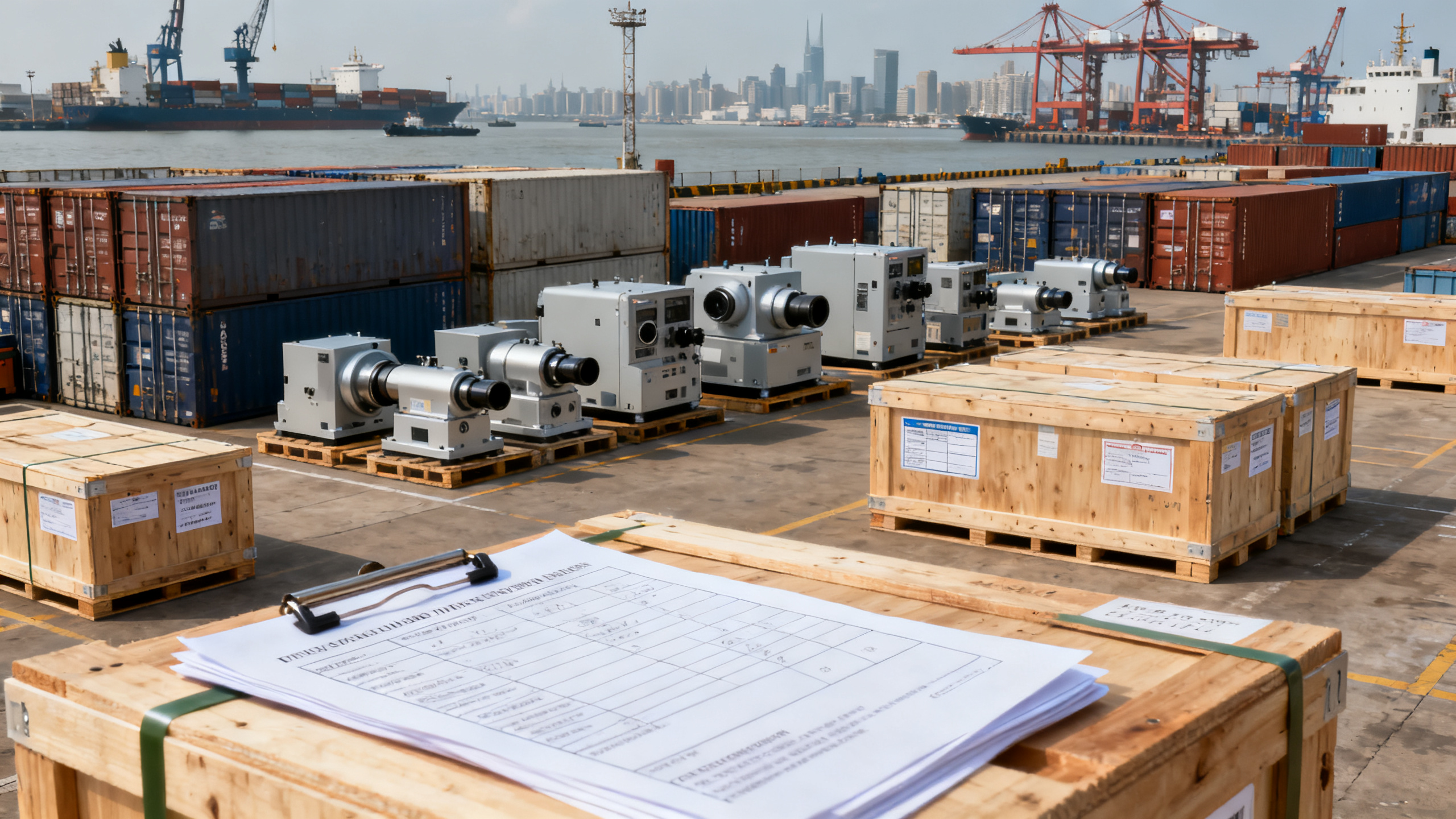
G7 Paris Meeting Focuses on Critical Mineral Supply Security
Author
Date Published
Reading Time
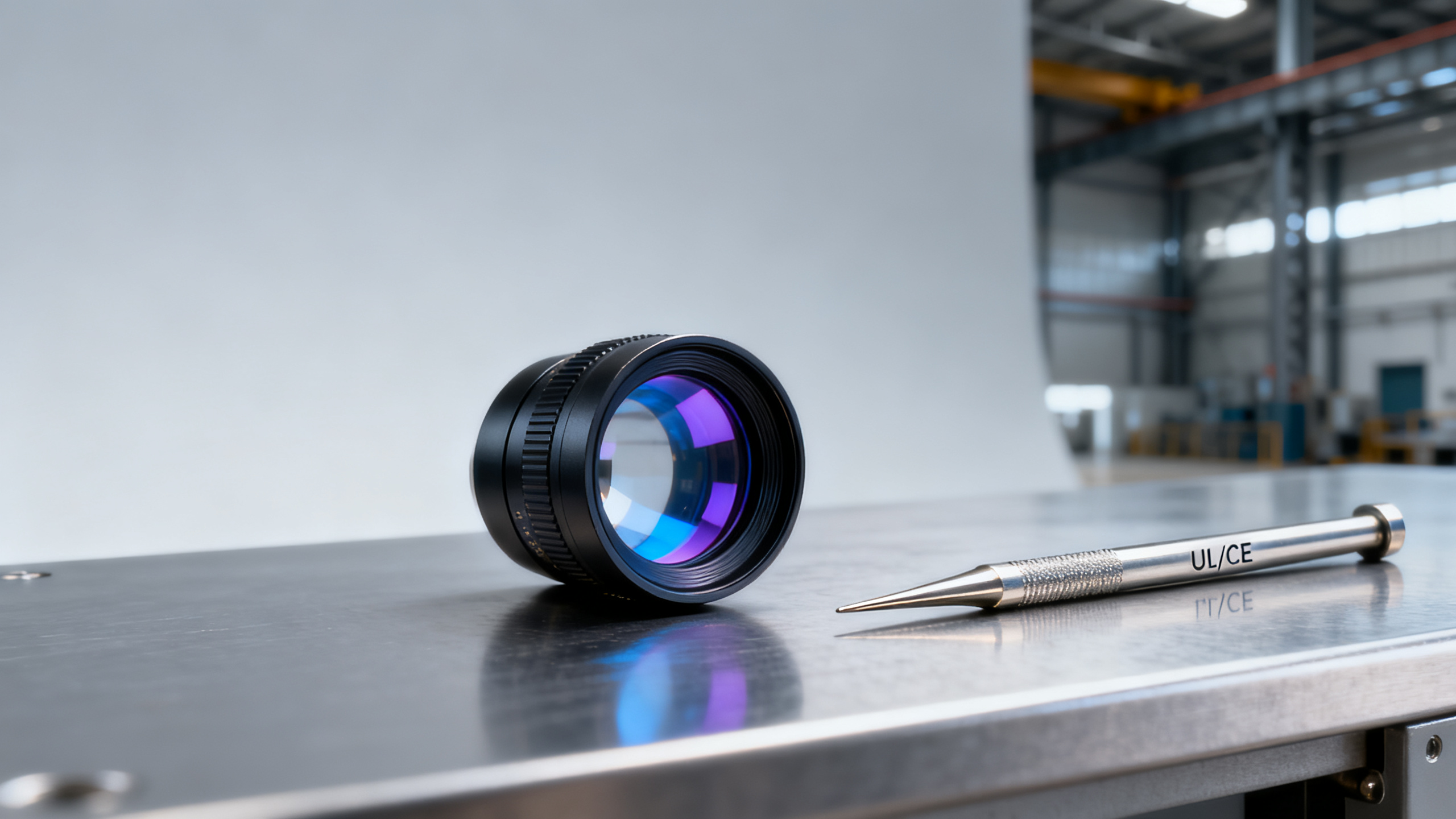
G7 trade ministers convened in Paris on May 6, 2026, to advance coordinated efforts toward securing critical mineral supply chains outside China’s dominant influence—particularly for rare earth elements used in permanent magnets and battery metals including cobalt and nickel. This development directly affects manufacturers of industrial optical lenses, test probes, and specialty bearings, as well as suppliers and integrators across clean energy, electronics, and advanced manufacturing sectors.
Event Overview
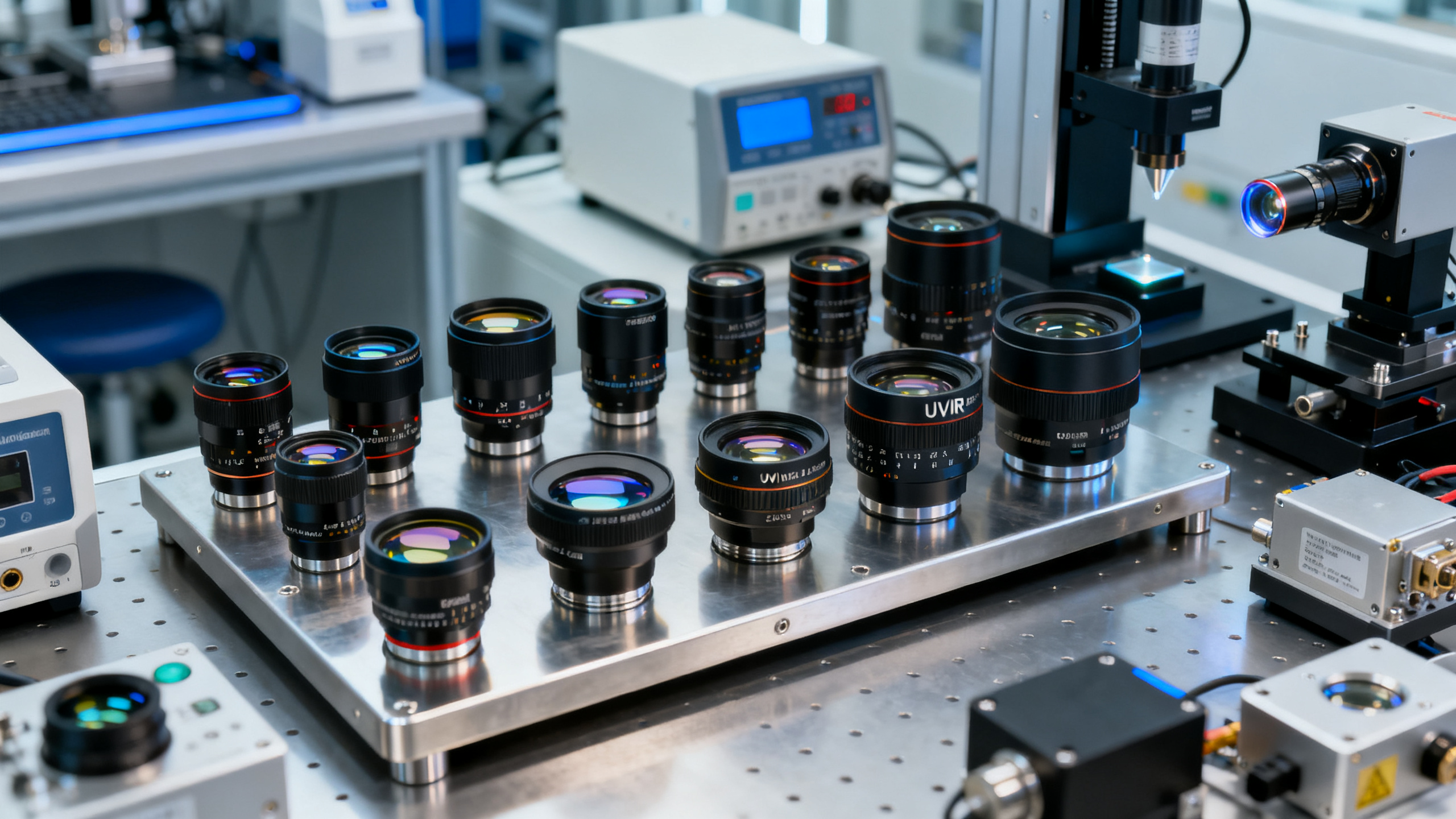
On May 6, 2026, G7 trade ministers meeting in Paris reached consensus to accelerate the development of non-China-led supply chains for critical minerals. The focus areas explicitly named were rare earth permanent magnets (used in motors and sensors) and cobalt-nickel (used in batteries and high-temperature alloys). As part of this strategy, the European Union and Japan are expected to expedite certification of suppliers located outside China. This, in turn, is prompting Chinese manufacturers of industrial optical lenses, test probes, and specialty bearings to broaden coverage of international conformity marks—including UL, CE, and IECEx certifications.
Industries Affected
Raw Material Procurement Enterprises
These enterprises source cobalt, nickel, and rare earth oxides or compounds. They are affected because the G7 initiative increases pressure to diversify upstream sourcing away from China-dominated refining and separation capacity. Impact includes heightened due diligence requirements, potential shifts in long-term contracts, and increased scrutiny of origin traceability and ESG compliance documentation.
Component & Subsystem Manufacturers
This group includes makers of industrial optical lenses, test probes, and specialty bearings—products cited in the announcement as facing intensified certification expectations. Their exposure stems from downstream integration into G7-aligned end-use systems (e.g., EV powertrains, automation equipment, defense electronics), where certified supply chain provenance is becoming a de facto requirement—not just for final assembly but for subcomponents.
Supply Chain Certification & Compliance Service Providers
Third-party testing labs, certification bodies, and regulatory consultants serving Chinese exporters are impacted by rising demand for UL, CE, and IECEx assessments—especially for technically complex components with dual-use applications. Workload may increase, but so will expectations around audit rigor, technical documentation depth, and alignment with evolving G7-aligned standards frameworks.
What Enterprises or Practitioners Should Monitor and Do Now
Track official implementation roadmaps from the EU and Japan
While the Paris statement reflects political consensus, binding timelines, eligibility criteria for ‘trusted supplier’ status, and sector-specific certification thresholds remain pending. Enterprises should monitor upcoming EU Critical Raw Materials Act updates and Japan’s Ministry of Economy, Trade and Industry (METI) guidance on battery metal supply chain verification.
Map current certification coverage against priority product categories
Manufacturers should inventory which products—especially those containing rare earth magnets or integrated into battery-powered systems—are already certified to UL, CE, or IECEx standards, and identify gaps tied specifically to functional safety, electromagnetic compatibility (EMC), or hazardous substance restrictions relevant to G7 markets.
Distinguish between policy signals and operational readiness
The Paris outcome is a coordination signal—not an immediate regulatory change. Market access will not be revoked overnight; however, procurement tenders issued by G7 government agencies or large OEMs aligned with national strategies may begin embedding new certification or traceability clauses as early as late 2026. Enterprises should review upcoming RFP language rather than assume blanket compliance deadlines.
Prepare documentation and internal alignment for multi-standard audits
UL, CE, and IECEx require distinct technical files, risk assessments, and factory inspection protocols. Companies should initiate cross-functional reviews (engineering, QA, regulatory affairs) to align test reports, material declarations, and process controls ahead of formal application—avoiding delays caused by inconsistent data formats or missing failure mode analyses.
Editorial Perspective / Industry Observation
Observably, this G7 agreement functions primarily as a strategic coordination milestone—not yet an enforcement mechanism. Analysis shows it consolidates existing national initiatives (e.g., EU’s CRMA, U.S. Defense Production Act priorities) under a shared narrative, increasing diplomatic weight behind supply chain diversification. From an industry perspective, it signals growing convergence among major economies on defining ‘trusted’ mineral sources—not solely by geography, but by verifiable compliance with technical, environmental, and governance benchmarks. Current developments are better understood as reinforcing structural pressure on certification infrastructure and traceability capabilities, rather than triggering abrupt market exclusion.
Conclusion: This initiative underscores a maturing phase in global critical mineral governance—one where alignment on standards and verification pathways matters as much as raw material availability. It does not replace existing trade flows, but incrementally raises the bar for participation in high-value, security-sensitive segments of the supply chain. Enterprises are advised to treat it as a medium-term calibration point for compliance investment—not an emergency, but a clear directional marker.
Information Source: Official joint statement released by G7 trade ministers following the May 6, 2026, meeting in Paris. Note: Specific implementation measures, certification acceleration timelines, and eligibility rules for alternative suppliers remain under development and require ongoing observation.
Technical Specifications
- How to Select Electronic Hotel Key Card Locks for Guest Rooms and Staff AreasAuthor :Safety Compliance Lead
- How to Select Lab Instruments for Reliable Chemical Analysis WorkflowsAuthor :Precision Metrology Expert
- How to Size a UPS for Server Rooms: Load, Runtime, and Redundancy FactorsAuthor :Grid Infrastructure Analyst
Expert Insights

Chief Security Architect
Dr. Thorne specializes in the intersection of structural engineering and digital resilience. He has advised three G7 governments on industrial infrastructure security.
Related Analysis
- Sep 17, 2026How to Select Electronic Hotel Key Card Locks for Guest Rooms and Staff AreasAuthor :Safety Compliance Lead
- Sep 16, 2026How to Select Lab Instruments for Reliable Chemical Analysis WorkflowsAuthor :Precision Metrology Expert
- Sep 15, 2026How to Size a UPS for Server Rooms: Load, Runtime, and Redundancy FactorsAuthor :Grid Infrastructure Analyst
Core Sector // 01
Security & Safety
- IEC 62443-3-3:2026 Raises Cybersecurity Bar for Industrial OpticsAuthor :Precision Metrology Expert

- EU Sets New CE Rules for Industrial OpticsAuthor :Precision Metrology Expert

- How to Evaluate a Metallurgical Microscope Exporter for Image Quality and ComplianceAuthor :Precision Metrology Expert

- UL Expands Certification Route for Hazardous-Area OpticsAuthor :Precision Metrology Expert

- Shanghai Port Delays Deepen Under Origin ChecksAuthor :Precision Metrology Expert

- CIOE 2026 to Spotlight Vision and Tactile SensorsAuthor :Precision Metrology Expert

- MWC Shanghai 2026 Opens June 24 With CPO and Industrial Security in FocusAuthor :Precision Metrology Expert

- Brazil Tightens INMETRO Rules for Industrial Optical LensesAuthor :Precision Metrology Expert