COD BOD Analyzer Supplier Checklist: What Labs Should Verify Before Buying
Author
Date Published
Reading Time
COD BOD Analyzer Supplier Checklist: What Labs Should Verify Before Buying
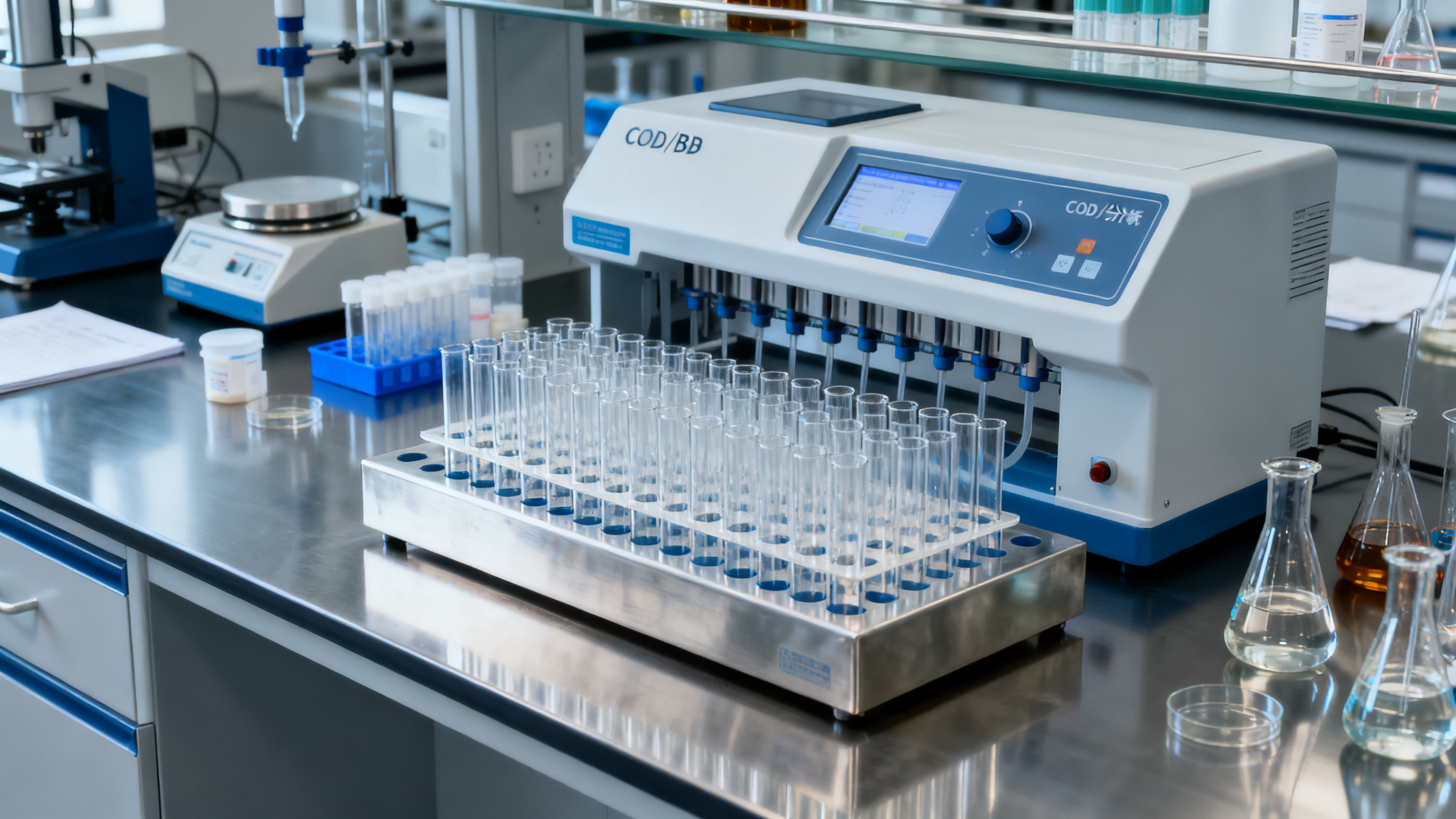
Choosing a reliable cod bod analyzer supplier is about more than price. It affects result accuracy, audit readiness, and daily lab efficiency.
Before issuing a purchase order, teams should verify performance claims, calibration support, certifications, service scope, and application fit.
This checklist gives a practical way to compare options, control cost, and reduce technical risk before selecting a cod bod analyzer supplier.
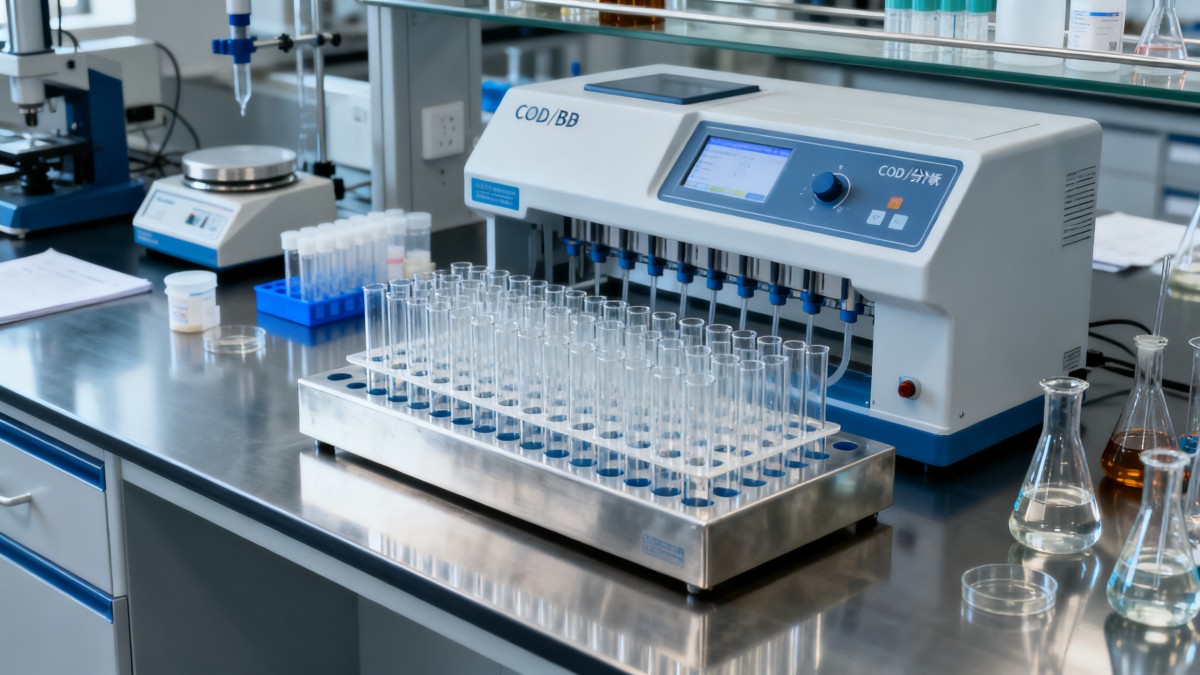
Start With Application Fit, Not Catalog Claims
The first question is simple: what samples will the analyzer handle every week?
Municipal wastewater, food processing discharge, chemical effluent, and surface water all create different demands on a system.
A strong cod bod analyzer supplier should ask about sample matrix, expected load, throughput, and reporting needs before quoting equipment.
That is usually a good sign. It shows the supplier understands process conditions, not just product listings.
Check whether you need standalone COD testing, separate BOD incubation support, or an integrated workflow with data logging.
In actual operations, mismatch here causes more wasted budget than small differences in unit price.
Key fit questions
- What COD and BOD ranges must be measured routinely?
- How many samples are processed per shift or per day?
- Are there corrosive, oily, saline, or high-solid samples?
- Do operators need quick screening or compliance-grade reporting?
- Will the system connect to LIMS or digital records?
Verify Measurement Performance in Detail
Many buyers focus on a broad measuring range. That alone is not enough.
A cod bod analyzer supplier should provide clear data on accuracy, repeatability, detection limits, drift, and interference handling.
Ask for real validation data, not only brochure values. Third-party test reports are even better.
Recent buying patterns show more labs requesting application-specific evidence. That shift makes sense because matrices behave differently.
For COD, confirm digestion consistency, photometric stability, and reagent compatibility. For BOD, verify incubation conditions and sensor reliability.
Performance items to confirm
- Measurement range and usable range under real samples
- Repeatability at low, medium, and high concentrations
- Bias versus reference methods
- Warm-up time and test cycle time
- Interference limits for chloride, color, turbidity, and solids
- Sample preparation requirements and operator sensitivity
Check Standards, Certifications, and Audit Readiness
Compliance is not a side issue. It directly affects whether data will stand up during inspections and customer audits.
A qualified cod bod analyzer supplier should explain which methods the instrument supports and where its approvals apply.
Look for documented alignment with relevant ISO methods, local environmental standards, and traceable calibration practices.
Also verify CE, UL, or equivalent electrical safety status where needed. This matters more in multinational procurement.
From a cost angle, weak documentation often creates hidden expense later through retesting, audit findings, or delayed project sign-off.
Documents worth requesting before purchase
- Method compliance statement
- Calibration certificate and traceability details
- Factory acceptance or validation records
- Electrical safety certifications
- Warranty terms and service commitments
Assess Reagents, Consumables, and Operating Cost
Purchase price is only the visible part of the decision.
The long-term economics depend on reagents, vials, standards, probes, incubation accessories, and replacement parts.
A dependable cod bod analyzer supplier should provide a realistic annual operating cost model based on your sample volume.
This is where low upfront pricing can become expensive. Proprietary consumables sometimes lock buyers into higher lifetime spend.
Ask whether approved alternatives exist and whether local stock is available. Lead time risk is often underestimated.
Cost questions to put in writing
- What is the average cost per COD test and per BOD test?
- Which parts need replacement annually?
- How long are reagent shelf lives under site conditions?
- Are hazardous disposal costs likely to increase?
- What are the expected service visit charges after warranty?
Review Calibration, Training, and Service Depth
Support quality often separates a usable system from a frustrating one.
A serious cod bod analyzer supplier should define installation scope, commissioning steps, calibration intervals, and training coverage.
Do not accept vague wording like “remote support available.” Ask for response times, channels, and escalation contacts.
More buyers now check service capacity by region. That is a practical move, especially for plants with strict uptime targets.
For regulated labs, training records and maintenance logs may become part of compliance evidence. That also affects supplier evaluation.
Service verification checklist
- On-site installation available or not
- Operator and supervisor training included
- Calibration tools and certified standards supplied
- Preventive maintenance schedule defined
- Spare parts support within your region
- Remote diagnostics and software update policy
Compare Supplier Credibility Beyond the Quote
A polished proposal does not prove operational reliability.
When screening a cod bod analyzer supplier, examine references, installed base, technical depth, and responsiveness during the pre-sales stage.
Suppliers usually reveal their true quality before the order is placed. Slow technical replies are an early warning.
Ask for case examples in wastewater treatment, manufacturing labs, or environmental monitoring programs similar to your own use case.
This gives a more reliable signal than generic testimonials. It also helps forecast implementation friction.
A simple supplier comparison table
Use a Pre-Buy Validation Process
The safest approach is to validate suppliers before final approval.
Shortlist each cod bod analyzer supplier, then request a structured comparison using the same sample profile and service requirements.
If possible, arrange a demo, reference call, or pilot review. Even a limited check can expose workflow issues early.
This also makes internal approval easier because the recommendation is tied to measurable criteria, not just vendor preference.
In the end, the best cod bod analyzer supplier is the one that supports reliable data, manageable cost, and stable service over years.
Before signing, turn this checklist into a scored procurement sheet. That small step usually leads to a much better buying outcome.
Technical Specifications
- Air Handling Unit Supplier Checklist: Performance Data, Lead Times, and SupportAuthor :Environmental Engineering Director
- Buying Fiberglass Water Tanks Wholesale: Compare Quotes and Delivery CostsAuthor :Environmental Engineering Director
- Choosing an XLPE Power Cable Supplier: Test Reports, Traceability, and Lead TimesAuthor :Grid Infrastructure Analyst
Expert Insights

Chief Security Architect
Dr. Thorne specializes in the intersection of structural engineering and digital resilience. He has advised three G7 governments on industrial infrastructure security.
Related Analysis
- Oct 19, 2026Air Handling Unit Supplier Checklist: Performance Data, Lead Times, and SupportAuthor :Environmental Engineering Director
- Oct 18, 2026Buying Fiberglass Water Tanks Wholesale: Compare Quotes and Delivery CostsAuthor :Environmental Engineering Director
- Oct 17, 2026Choosing an XLPE Power Cable Supplier: Test Reports, Traceability, and Lead TimesAuthor :Grid Infrastructure Analyst
Core Sector // 01
Security & Safety
- Choosing a 5-Part Hematology Analyzer: Throughput, Sample Volume, and QCAuthor :Precision Metrology Expert

- Wholesale Borosilicate Lab Glassware: How Buyers Verify Quality, Specs, and Supply ReliabilityAuthor :Precision Metrology Expert

- How to Select Lab Instruments for Reliable Chemical Analysis WorkflowsAuthor :Precision Metrology Expert

- Buying Lint-Free Wipes in Bulk: How to Match Material and Packaging to Cleanroom UseAuthor :Precision Metrology Expert

- How to Choose a Class II Biosafety Cabinet Supplier for Compliant Lab ProcurementAuthor :Precision Metrology Expert

- Wholesale Binocular Microscopes: Comparing Specifications, MOQs, and QC RiskAuthor :Precision Metrology Expert

- How to Evaluate a UV-Visible Spectrophotometer Manufacturer for Lab Accuracy?Author :Precision Metrology Expert

- China Temporarily Bans Helium ExportsAuthor :Precision Metrology Expert