EU Commission Adopts 'Battery Passport 2.0' Amendment: Mandatory Digital Passports for All EV Batteries Sold in Europe from 2027
Author
Date Published
Reading Time

EU Commission Adopts 'Battery Passport 2.0' Amendment: Mandatory Digital Passports for All EV Batteries Sold in Europe from 2027
Introduction
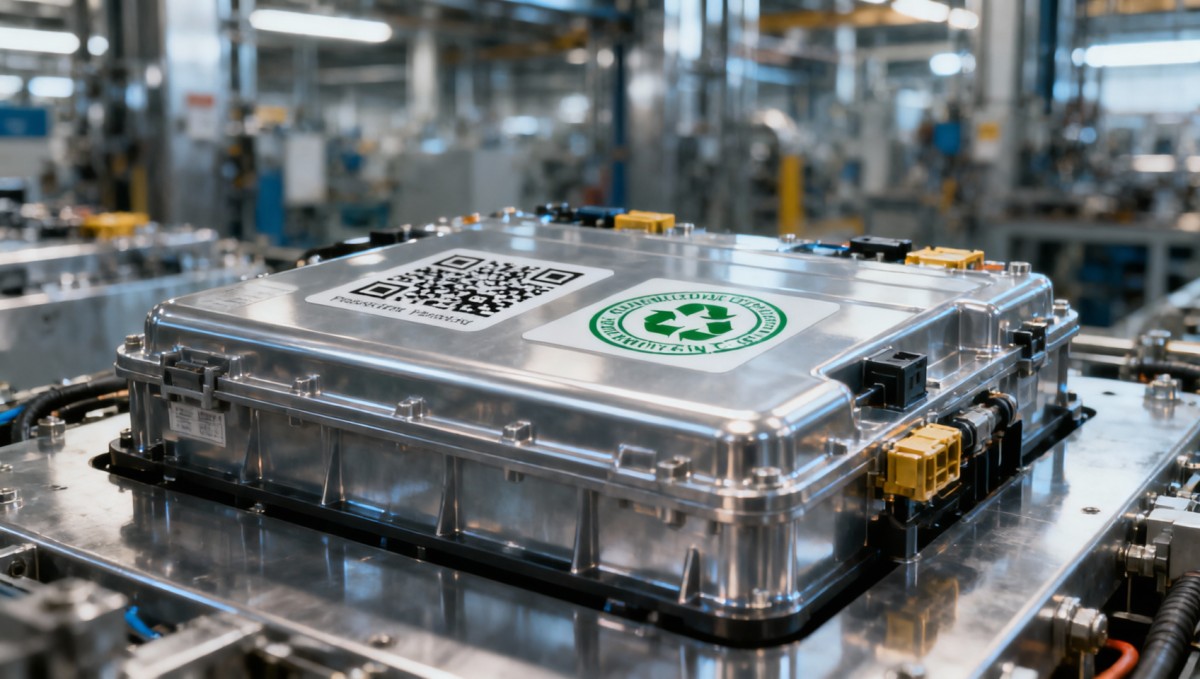
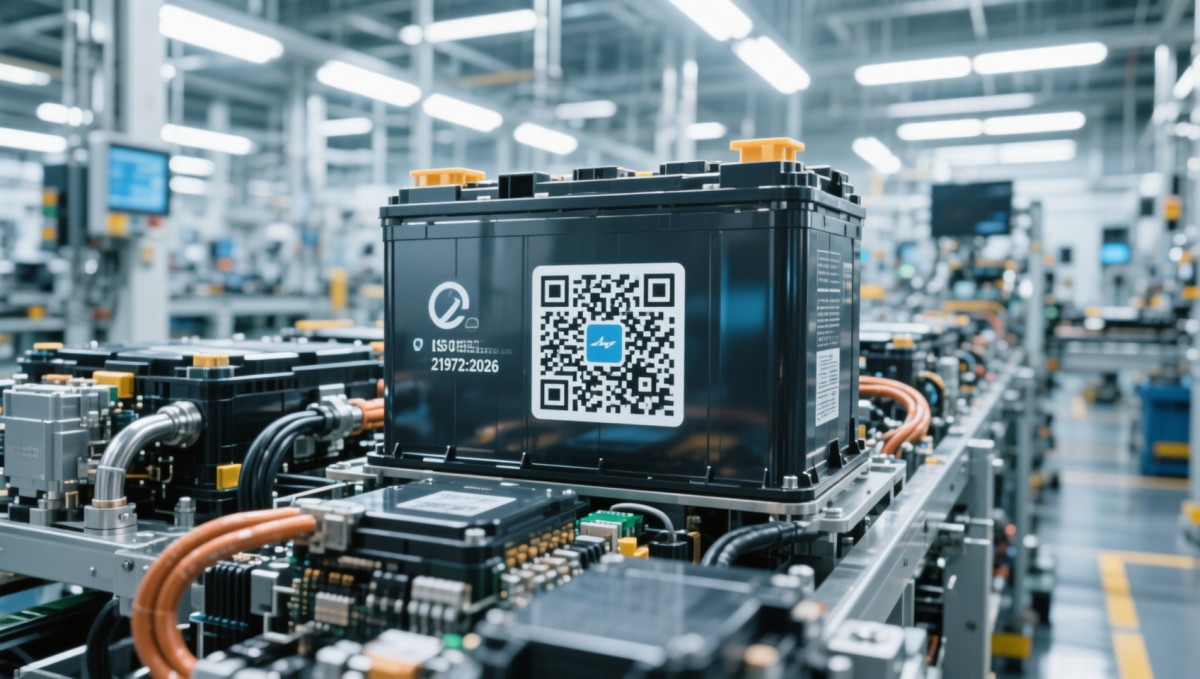
On March 22, 2026, the EU Official Journal published a revised Battery Passport 2.0 Regulation, mandating that all electric vehicle (EV) batteries sold in Europe must embed a digital passport compliant with ISO 21972:2026 standards starting from 2027. The new rules tighten carbon footprint thresholds to 45kg CO₂e/kWh and introduce mandatory fields for recycled cobalt/nickel content and second-life compatibility codes. This development critically impacts battery manufacturers, recyclers, and exporters, particularly those from China, who must complete system certification by Q3 2026. The regulation signals a major shift toward circular economy enforcement in the EU battery market.
Event Overview
The EU Commission's amendment to the Battery Passport 2.0 Regulation introduces three key changes:
- Carbon footprint limits reduced to 45kg CO₂e/kWh (effective 2027)
- New mandatory digital passport fields: recycled cobalt/nickel percentages and梯次利用 (second-life) compatibility codes
- ISO 21972:2026 standardization for all battery passports
Chinese battery exporters face a September 2026 deadline for system certification alignment.
Impact on Key Industries
1. Battery Manufacturers & Exporters
Direct compliance costs will increase by 8-12% due to:
- Mandatory upstream supply chain data integration
- Real-time carbon footprint tracking systems
- ISO standard certification processes
2. Raw Material Suppliers
Recycled content requirements (cobalt/nickel) will:
- Accelerate mining-to-recycling partnerships
- Force price premiums for traceable materials
- Disadvantage suppliers without auditable ESG documentation
3. Recycling & Second-Life Operators
The梯次利用 (second-life) coding system creates:
- New revenue streams from battery passport data services
- Standardized valuation metrics for used batteries
- Barriers for non-EU certified recyclers
Actionable Insights for Businesses
1. Prioritize Digital Passport System Integration
Chinese exporters should:
- Select EU-recognized blockchain providers before Q2 2026
- Conduct gap analysis on existing carbon accounting systems
2. Reconfigure Raw Material Procurement
Focus shifts to:
- Securing recycled cobalt/nickel contracts with traceability
- Auditing supplier ESG documentation (minimum 3 tiers upstream)
3. Monitor Secondary Market Developments
梯次利用 codes require:
- Design modifications for disassembly compatibility
- Partnerships with EU-authorized second-life processors
Industry Observations
Analysis shows this regulation:
- Goes beyond reporting - embeds circular economy enforcement in product design
- Creates a de facto trade barrier favoring EU-certified supply chains
- Will likely trigger similar policies in North America by 2028
Current implementation risks include inconsistent interpretation of ISO 21972 across member states.
Conclusion
The Battery Passport 2.0 amendment represents a strategic move by the EU to control EV battery lifecycle governance. While increasing compliance burdens, it also standardizes sustainability metrics that may eventually benefit disciplined operators. Businesses should treat this as a binding roadmap rather than a distant future requirement.
Sources
- EU Official Journal (March 22, 2026)
- ISO 21972:2026 draft technical specifications
- Note: Member state implementation guidelines pending as of publication
Technical Specifications
- Air Handling Unit Supplier Checklist: Performance Data, Lead Times, and SupportAuthor :Environmental Engineering Director
- Buying Fiberglass Water Tanks Wholesale: Compare Quotes and Delivery CostsAuthor :Environmental Engineering Director
- Choosing an XLPE Power Cable Supplier: Test Reports, Traceability, and Lead TimesAuthor :Grid Infrastructure Analyst
Expert Insights

Chief Security Architect
Dr. Thorne specializes in the intersection of structural engineering and digital resilience. He has advised three G7 governments on industrial infrastructure security.
Related Analysis
- Oct 19, 2026Air Handling Unit Supplier Checklist: Performance Data, Lead Times, and SupportAuthor :Environmental Engineering Director
- Oct 18, 2026Buying Fiberglass Water Tanks Wholesale: Compare Quotes and Delivery CostsAuthor :Environmental Engineering Director
- Oct 17, 2026Choosing an XLPE Power Cable Supplier: Test Reports, Traceability, and Lead TimesAuthor :Grid Infrastructure Analyst
Core Sector // 01
Security & Safety
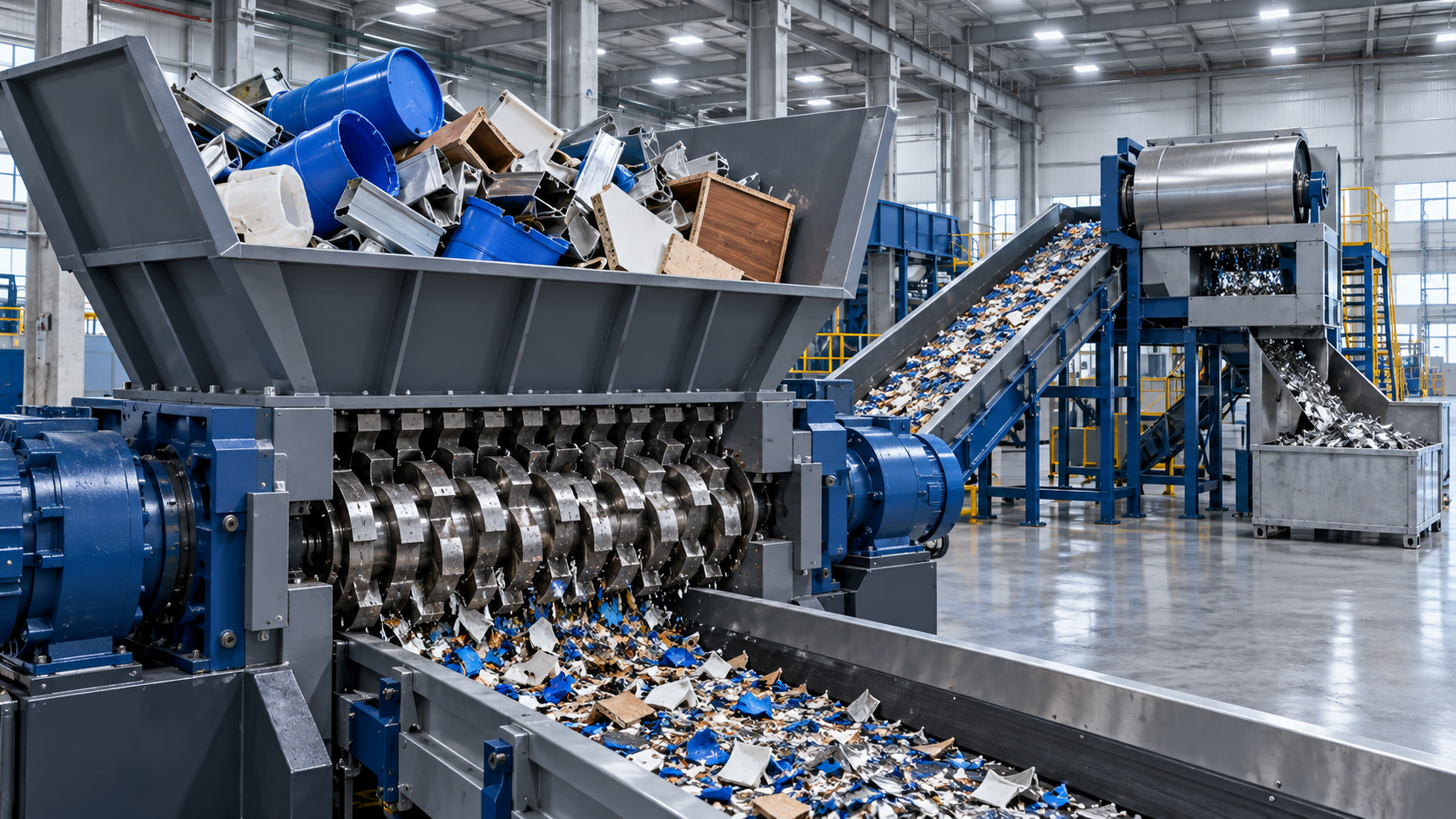
- How to Select a Twin Shaft Shredder for Bulky Waste, Scrap Metal, and PlasticsAuthor :Environmental Engineering Director

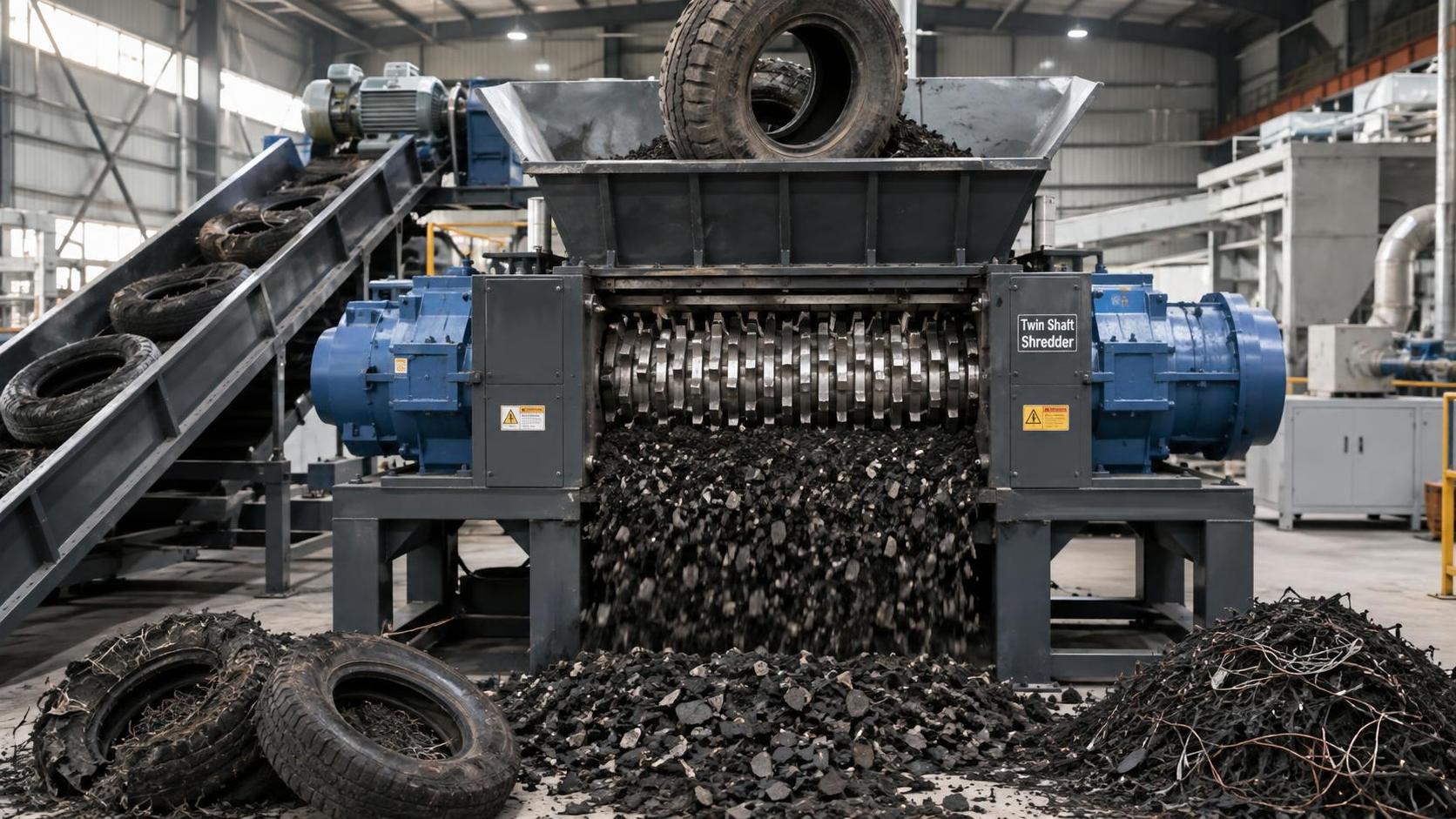
- How to Choose a Twin Shaft Shredder for Tires: Torque, Throughput, and Knife DesignAuthor :Environmental Engineering Director

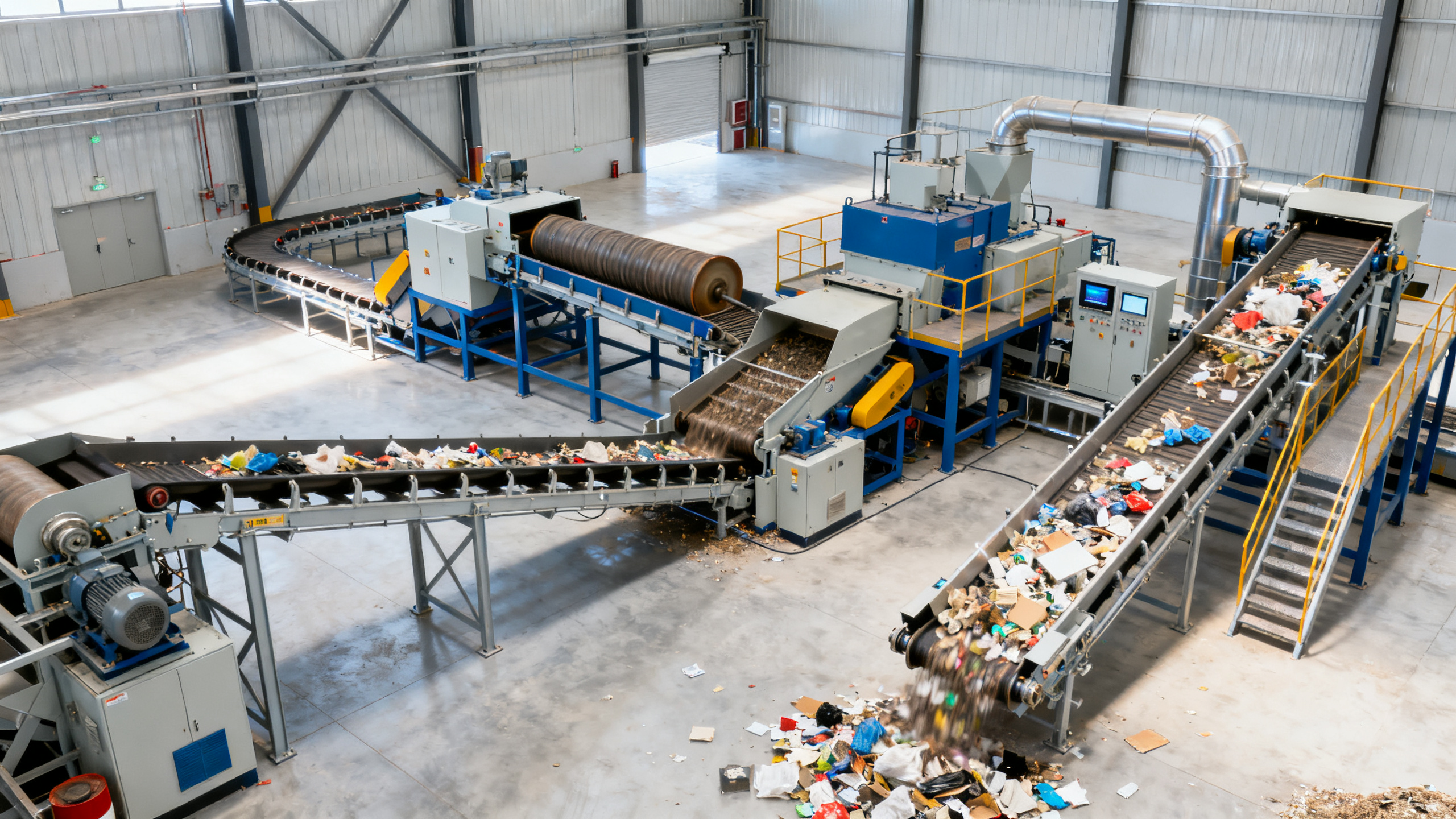
- Selecting Waste Recycling Equipment by Waste Stream, Throughput, and Contamination LevelAuthor :Environmental Engineering Director

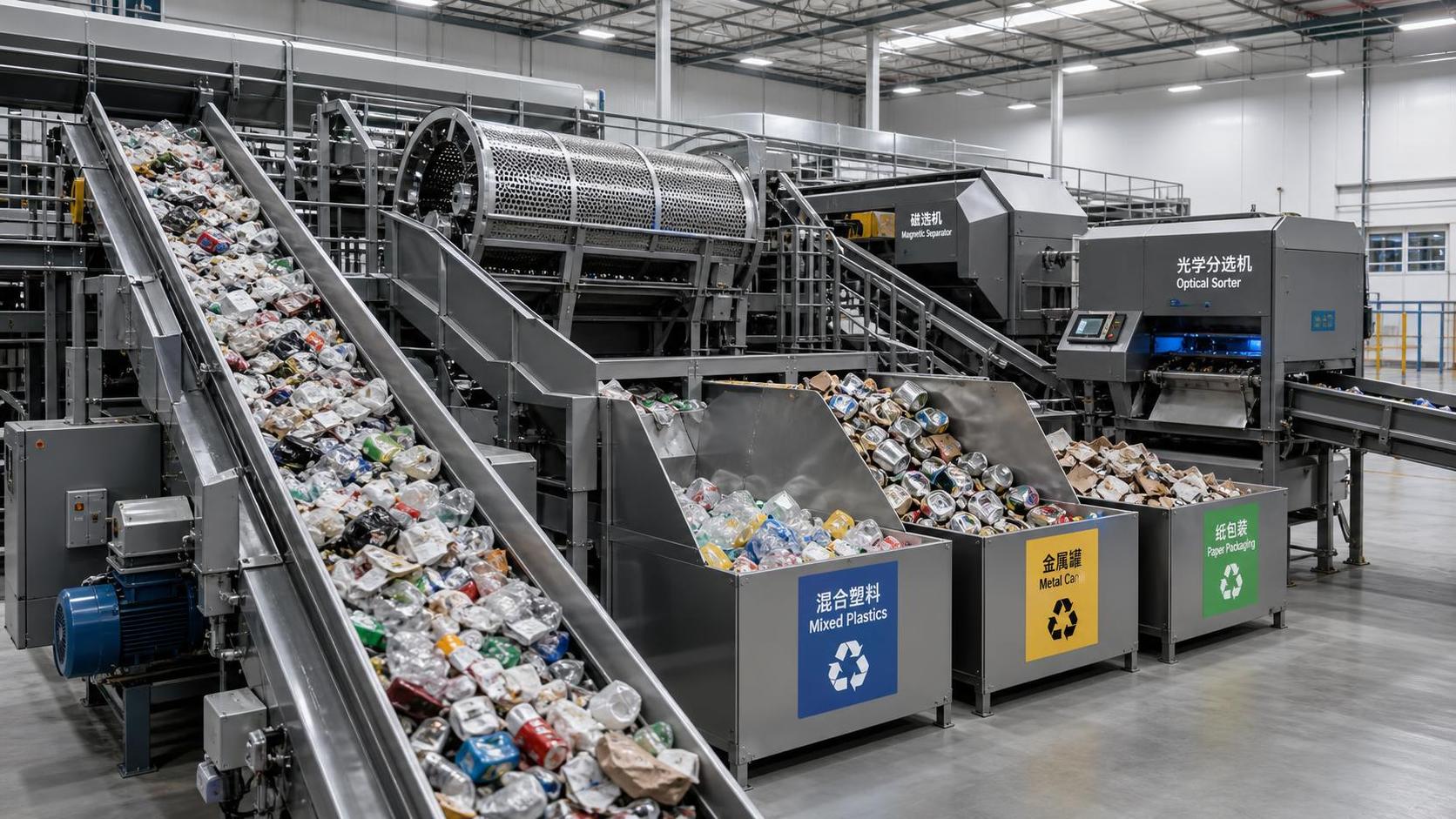
- How to Choose Waste Sorting Equipment for Recycling Plants by Material Stream and CapacityAuthor :Environmental Engineering Director

- Scrap Metal Baler Buying Guide: Horizontal vs Vertical, Capacity, Power, and OutputAuthor :Environmental Engineering Director

- What Is Industrial Ecology and How Does It Improve Resource Efficiency in Manufacturing?Author :Environmental Engineering Director

- Pet Bottle Washing Line Problems: Common Causes of Flake Contamination and How to Fix ThemAuthor :Environmental Engineering Director

- How to Evaluate Environment & Ecology Cost in Industrial ProjectsAuthor :Environmental Engineering Director