Environment & Ecology monitoring systems that work in harsh sites
Author
Date Published
Reading Time
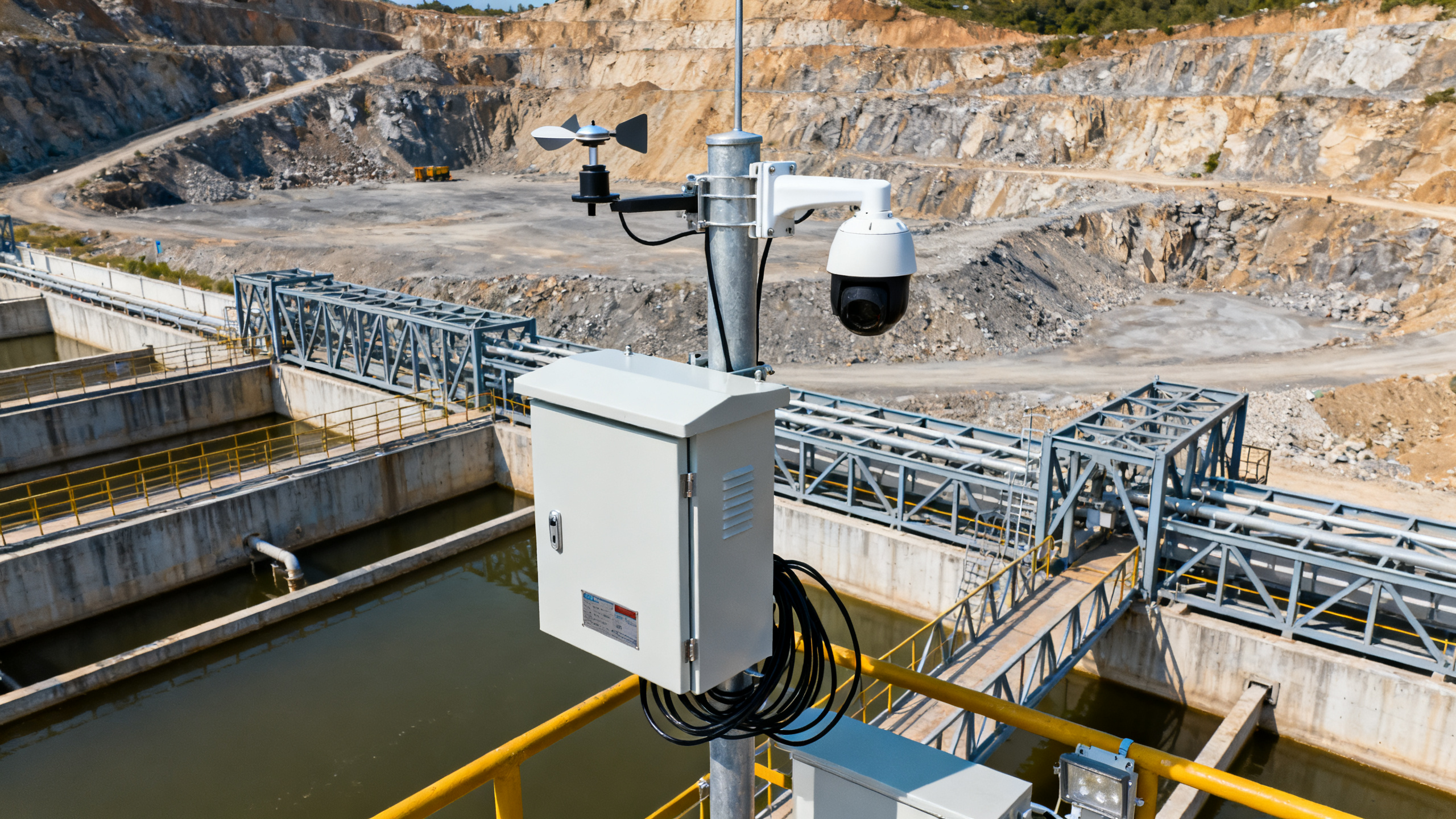
In harsh industrial sites, dependable Environment & Ecology monitoring systems are essential for protecting assets, ensuring compliance, and supporting fast, accurate maintenance decisions. For after-sales maintenance teams, the right system means fewer blind spots, stronger uptime, and reliable data even under dust, vibration, moisture, and extreme temperatures.
When users search for Environment & Ecology monitoring systems that work in harsh sites, the core intent is practical rather than theoretical: they want to know which systems can keep producing trustworthy data where ordinary instruments fail, how to maintain them efficiently, and how to reduce service calls, downtime, and compliance risk. For after-sales maintenance personnel, the real question is not simply “What is environmental monitoring?” but “Which monitoring architecture will survive this site and remain serviceable over time?”
The most useful answer therefore centers on reliability, maintainability, calibration stability, protection ratings, installation design, failure modes, and field service strategy. Broad environmental concepts matter less here than clear guidance on how to select, inspect, troubleshoot, and support systems in corrosive, dusty, wet, high-vibration, or temperature-extreme environments.
What after-sales maintenance teams need from harsh-site monitoring systems
For maintenance teams, a harsh-site Environment & Ecology monitoring system is only valuable if it continues to deliver usable readings between service intervals. A system that looks advanced on paper but drifts quickly, clogs easily, or requires constant recalibration becomes a liability. In remote or industrially aggressive locations, maintainability is as important as measurement accuracy.
Most after-sales teams care about five outcomes: stable performance, easy fault isolation, predictable spare parts planning, low calibration burden, and safe access for service work. If a monitoring system meets regulations but creates repeated field failures, it increases workload and weakens customer trust. That is why rugged design and service logic must be evaluated together.
Typical harsh sites include wastewater plants, mining operations, cement works, ports, substations, steel facilities, refineries, waste-to-energy plants, and outdoor utility assets. These locations expose sensors and enclosures to fine particulate matter, chemical vapors, salt spray, electromagnetic interference, mechanical shock, and rapid weather swings. A system that works well in a clean lab can fail quickly in these conditions.
Which environmental parameters usually matter most in difficult industrial environments
Environment & Ecology monitoring systems in heavy industry often combine several measurement functions instead of relying on a single sensor type. The most common parameters include ambient temperature and humidity, particulate matter, gas concentration, noise, water quality, effluent flow, pH, dissolved oxygen, conductivity, turbidity, and meteorological data such as wind speed and rainfall.
For after-sales teams, the challenge is that each parameter has different failure behavior. Gas sensors may poison or drift. Optical particle instruments may foul. Water probes may scale, corrode, or biofoul. Weather stations may suffer from lightning damage or bearing wear. Knowing the likely degradation pattern helps teams set better inspection intervals and avoid reactive maintenance.
In many harsh sites, system reliability depends less on the sensing principle alone and more on the supporting package: filtration, shielding, sample conditioning, cable routing, surge protection, enclosure sealing, and mounting design. A strong sensor can still underperform if the surrounding mechanical and electrical details are weak.
What makes a monitoring system truly suitable for harsh sites
A harsh-site capable system usually shows strength in four areas: environmental protection, mechanical durability, electrical resilience, and service accessibility. Maintenance teams should first confirm whether the field hardware is rated for the actual exposure profile, not just general outdoor use. IP ratings, corrosion resistance, UV stability, impact resistance, and temperature limits must align with the site.
Ingress protection is critical, but it should not be read in isolation. An IP66 or IP67 enclosure may still fail if cable glands are poor, access doors warp, or condensation builds inside. In coastal or chemical sites, enclosure material matters as much as sealing. Stainless steel, coated aluminum, engineered polymers, and anti-corrosion fasteners may all be necessary depending on the atmosphere.
Electrical robustness is another deciding factor. In industrial sites, transient voltage, poor grounding, long cable runs, and EMI can create intermittent faults that are difficult to diagnose. Reliable Environment & Ecology monitoring systems often include surge protection, signal isolation, shielded communication paths, and stable power conditioning. These features reduce nuisance alarms and unexplained data loss.
Finally, serviceability must be designed in. If technicians cannot safely open, inspect, clean, or swap key components without major disassembly, maintenance costs rise quickly. Modular sensor heads, tool-friendly access, clear terminal labeling, and plug-and-play replacement options save real hours in the field.
Common failure points that cause unreliable data in the field
Many monitoring failures are not dramatic breakdowns. Instead, they appear as slow data degradation, random dropouts, or implausible readings that are hard to prove wrong at first glance. For after-sales teams, these are often more dangerous than total failure because they can undermine compliance decisions without immediately triggering a repair response.
One frequent issue is contamination. Dust can block optical paths, moisture can affect electronics, and oily residues can alter sensor response. In water and wastewater applications, fouling and scaling are constant threats. If self-cleaning features are weak or maintenance access is poor, data quality may collapse long before the instrument fully stops working.
Another common problem is mechanical stress. Vibration loosens terminals, cracks solder joints, shifts alignments, and shortens connector life. Outdoor mounting poles and brackets can also amplify vibration from machinery or wind. A monitoring system intended for harsh sites should include mounting hardware that controls movement rather than simply supports weight.
Calibration drift is also a major concern. In hot, cold, humid, or chemically aggressive locations, drift rates can exceed expectations from controlled test conditions. Maintenance teams should ask not only whether a sensor is calibratable, but how fast it drifts in comparable field conditions, how easy field verification is, and whether the device supports diagnostics that show when data confidence is declining.
How to evaluate systems before deployment or retrofit
For after-sales personnel involved in product support or replacement decisions, the best evaluation method is scenario-based rather than specification-based alone. A datasheet may look strong, but the real question is how the system performs under the customer’s specific exposure pattern, maintenance schedule, and staffing reality.
Start with site stress mapping. Identify dust load, washdown frequency, vibration level, ambient temperature range, corrosive agents, solar exposure, and access restrictions. Then compare these with enclosure class, sensor operating range, cable design, mounting arrangement, and communication architecture. This quickly reveals whether the system is genuinely suited to the environment.
Next, review service requirements over a full maintenance cycle. How often do filters need changing? How is calibration performed? Are consumables proprietary? Can a sensor be replaced without shutting down the entire node? Does the system provide onboard diagnostics for power, signal health, contamination status, or internal temperature? These practical details usually determine lifecycle success.
It is also wise to examine spares strategy. In harsh sites, long lead times create avoidable downtime. Systems with modular field-replaceable units, standardized connectors, and widely available consumables are easier to support globally. This matters especially for EPC contractors and plant operators managing distributed assets across multiple climates and regulatory regions.
Installation choices that affect long-term maintenance workload
Even high-quality Environment & Ecology monitoring systems can become maintenance-heavy if installation decisions are poor. Mounting location, cable routing, drainage, and shielding all influence service frequency. A sensor placed where dust plumes concentrate, standing water collects, or forklift traffic causes impact will predictably require more intervention.
Maintenance teams should pay close attention to orientation and accessibility. Sensors should be positioned for representative measurement, but also for safe cleaning, verification, and replacement. Installations that require scaffolding or confined-space entry for routine tasks increase service cost and often lead to delayed maintenance.
Cable management deserves special emphasis. Many field faults come from water ingress through damaged sheathing, poorly sealed glands, or stress at bend points. Separate power and signal runs where possible, protect exposed routes mechanically, and ensure proper drip loops and grounding. These basic steps often prevent the intermittent problems that consume troubleshooting time.
Where condensation is likely, use ventilation or anti-condensation measures rather than assuming a sealed box alone will solve the problem. Temperature swings can pull moisture into enclosures over time. Once inside, that moisture can compromise terminals, PCBs, and communication reliability.
Maintenance strategies that reduce downtime and repeat visits
For harsh-site support, time-based maintenance alone is rarely enough. The better approach combines scheduled inspections with condition-based triggers. If the system can provide internal diagnostics, sensor health indicators, or contamination alerts, teams can intervene before readings become unusable while avoiding unnecessary service trips.
A practical maintenance program should include visual inspection, cleaning, connection checks, verification against reference values, calibration review, enclosure integrity checks, and communication testing. The exact interval depends on the site, but the key is to align service frequency with actual stress exposure rather than generic manufacturer assumptions.
Standardized field checklists improve consistency across technicians and sites. They help teams record drift trends, recurring fault codes, component wear patterns, and environmental damage. Over time, this data supports better spare forecasting and identifies whether failures stem from the sensor, the installation, or the broader site conditions.
Remote monitoring support is especially valuable. Systems that expose alarm history, signal quality, device temperature, power stability, and diagnostic flags make it easier for after-sales teams to triage issues before dispatch. In many cases, remote insight can distinguish between sensor contamination, network interruption, and actual environmental events.
How to balance compliance needs with field practicality
Environmental monitoring in industrial settings is often tied to permits, reporting obligations, and internal EHS targets. However, compliance is only meaningful when the data remains defensible. For after-sales teams, this means supporting systems that not only meet stated measurement requirements but also maintain traceability, calibration records, and stable performance in real operating conditions.
When evaluating or servicing systems, teams should consider whether the measurement chain is easy to audit. Can calibration and maintenance history be retrieved clearly? Are alarms time-stamped? Is there protection against silent data gaps? Does the system distinguish between out-of-range environmental events and instrument malfunction? These capabilities reduce disputes and strengthen trust in the dataset.
Field practicality should not be treated as secondary to compliance. In harsh sites, a theoretically compliant system that is too fragile or difficult to maintain may create more reporting risk than a robust design with simpler architecture and better uptime. Reliability and defensibility are closely linked.
What buyers and service teams should ask suppliers before committing
To avoid future maintenance pain, buyers and after-sales teams should ask focused questions early. What field life has the system demonstrated in comparable environments? Which components are most commonly replaced? What are the recommended cleaning and calibration intervals under high dust, salt, or vibration exposure? Which failures can be diagnosed remotely?
They should also ask about certification and documentation. Are there CE, UL, ISO-related quality records, ingress tests, EMC data, and material specifications available? Can the supplier provide application references in mining, utilities, marine, wastewater, or process industry settings? Strong suppliers can discuss not just nominal performance, but actual failure prevention methods.
Support structure matters too. Is there a clear spare parts list? Are replacement modules backward compatible? Is training available for field maintenance staff? Can firmware, diagnostics, and integration support be handled without long delays? In industrial environments, dependable support is part of the product value.
Final takeaway for harsh-site monitoring decisions
The best Environment & Ecology monitoring systems for harsh sites are not simply the most sensitive or feature-rich options. They are the systems that keep generating credible, serviceable, and auditable data after months or years of exposure to dust, vibration, moisture, corrosion, and temperature stress. For after-sales maintenance teams, this means prioritizing ruggedization, diagnostic visibility, modular serviceability, and installation quality as much as core sensing performance.
If a system is easy to maintain, resistant to real site hazards, and designed for quick fault isolation, it will reduce blind spots, lower repeat visits, and improve customer confidence. In heavy industry, that combination is what turns environmental monitoring from a compliance burden into an operational asset.
Technical Specifications
- How to Select an Emissions Monitoring System Analyzer for Compliance ReportingAuthor :Precision Metrology Expert
- How to Select an Access Control Management System for Multi-Site FacilitiesAuthor :Safety Compliance Lead
- Portable Gas Monitor Calibration: How Often Is It Needed for Safe Confined-Space Work?Author :Precision Metrology Expert
Expert Insights

Chief Security Architect
Dr. Thorne specializes in the intersection of structural engineering and digital resilience. He has advised three G7 governments on industrial infrastructure security.
Related Analysis
- Sep 21, 2026How to Select an Emissions Monitoring System Analyzer for Compliance ReportingAuthor :Precision Metrology Expert
- Sep 20, 2026How to Select an Access Control Management System for Multi-Site FacilitiesAuthor :Safety Compliance Lead
- Sep 19, 2026Portable Gas Monitor Calibration: How Often Is It Needed for Safe Confined-Space Work?Author :Precision Metrology Expert
Core Sector // 01
Security & Safety
- Environmental Technologies for Heavy Industry: Choosing Cleaner Production SolutionsAuthor :Environmental Engineering Director

- Selecting Air Compliance Equipment for Dust, Fumes, and VOC ControlAuthor :Environmental Engineering Director

- EU Rule Tightens EN 1822-2 for Industrial Air PurifiersAuthor :Environmental Engineering Director

- EU Eco-Design Rules Tighten for Air PurifiersAuthor :Environmental Engineering Director

- Low-Maintenance Dust and Fume Control Systems: Best Options for Welding ShopsAuthor :Environmental Engineering Director

- EPA Sets VOC Labeling Rule for Air PurifiersAuthor :Environmental Engineering Director

- Saudi SASO Rule Adds Real-Time Logging for Air SystemsAuthor :Environmental Engineering Director

- Saudi SASO Rules Tighten for Air PurifiersAuthor :Environmental Engineering Director