Vietnam MOIT Adds Mandatory Testing for Imported Industrial Dust Purifiers
Author
Date Published
Reading Time
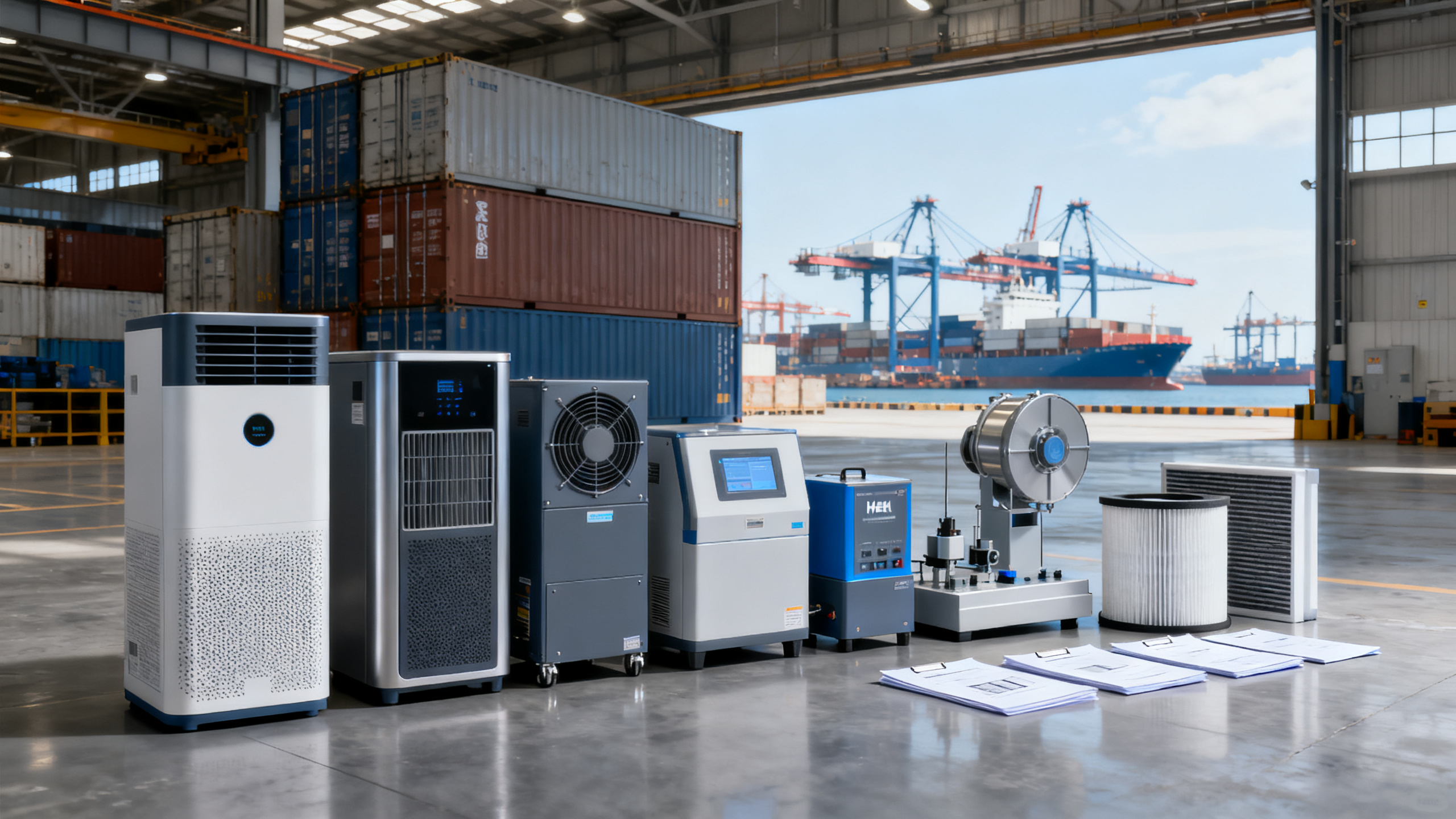
On May 8, 2026, Vietnam’s Ministry of Industry and Trade (MOIT) issued an update to its technical regulation framework, mandating new performance and durability testing for imported industrial air filtration and dust purification equipment. This development directly affects exporters and suppliers in the air filtration, industrial HVAC, and environmental control sectors — particularly those serving Vietnamese manufacturing, cement, power generation, and pharmaceutical facilities.
Event Overview
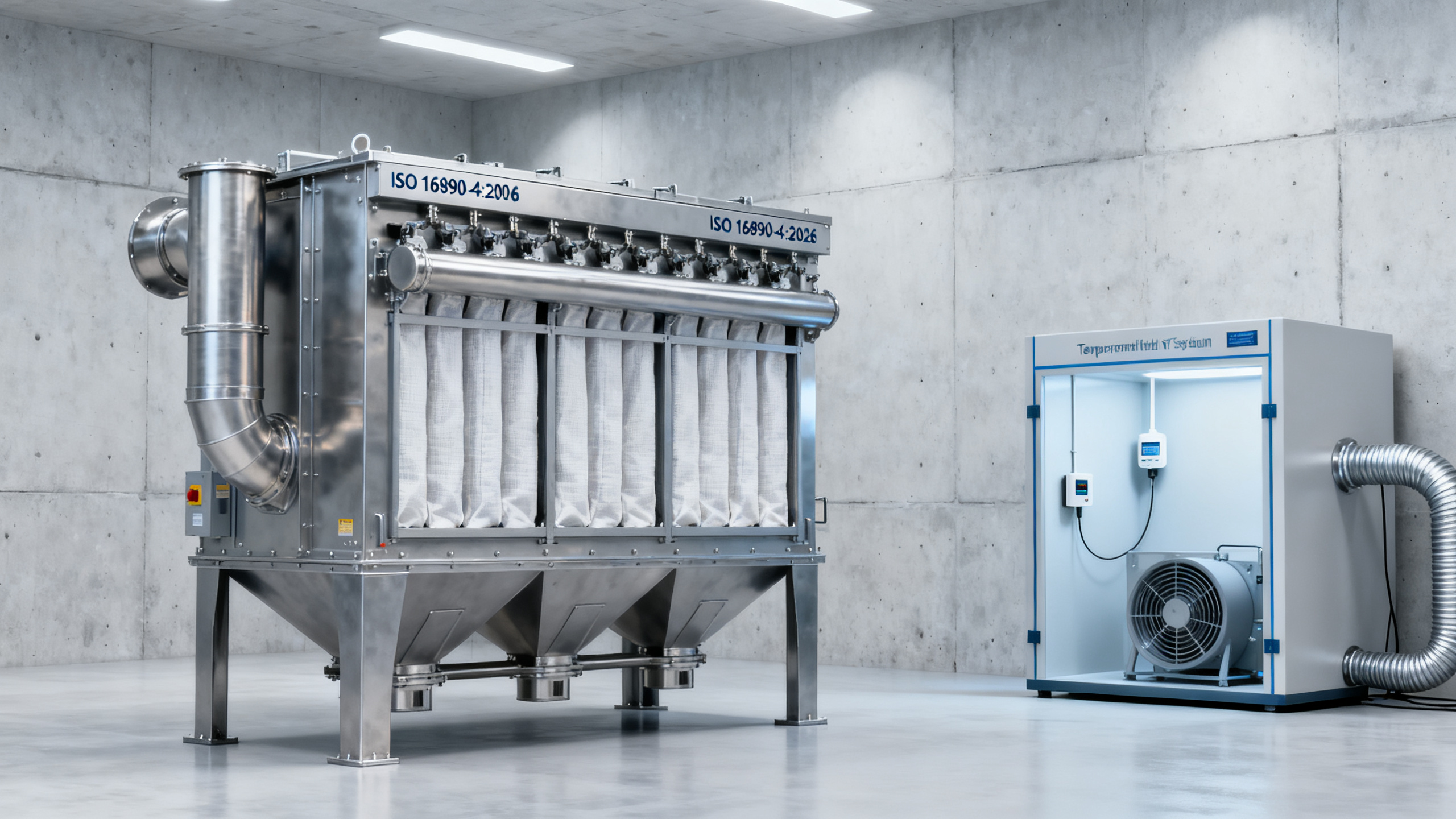
On May 8, 2026, MOIT published Notification No. 27/2026/TT-BCT, which takes effect on July 1, 2026. Under this notice, all imported industrial-grade air filtration and dust purification devices—including HEPA/ULPA filter modules, baghouse filters, and electrostatic precipitators—must comply with ISO 16890-4:2026. Specifically, products must undergo ePM1 efficiency classification and a 96-hour humid heat cycling test at 85% relative humidity and 40°C.
Which Subsectors Are Affected
Direct Exporters (Especially Chinese Manufacturers)
Exporters supplying industrial dust control equipment to Vietnam will face extended certification timelines. As confirmed in the notice, average certification duration is expected to increase to 10 weeks. This impacts order planning, shipment scheduling, and contract fulfillment cycles — especially for time-sensitive infrastructure or plant commissioning projects.
Filter Media Producers and Module Assemblers
Suppliers of filter media, especially those producing non-certified or legacy-grade materials, may encounter production line adjustments. The ePM1 grading requirement emphasizes fine particle capture (≤1 µm), shifting performance benchmarks away from traditional arrestance or MERV-based metrics. Some small- and medium-sized filter media producers report capacity constraints in adapting to the new wet-heat durability protocol.
Importers and Local Distributors in Vietnam
Local importers must now verify conformity documentation prior to customs clearance. Non-compliant units risk rejection at port or mandatory retesting under MOIT-accredited labs — adding cost and delay. Inventory management practices will need revision to avoid holding pre-July 2026 stock that lacks updated certification.
Third-Party Certification and Lab Service Providers
Accredited testing laboratories — especially those with ISO/IEC 17025 scope covering ISO 16890-4:2026 — are likely to see increased demand. However, current global capacity for the 96-hour humid heat cycle test remains limited, potentially creating bottlenecks in lead times unless additional labs obtain MOIT recognition before July 2026.
What Relevant Companies or Practitioners Should Monitor and Do Now
Track Official MOIT Guidance and Lab Accreditation Updates
MOIT has not yet published a full list of accredited testing bodies for ISO 16890-4:2026. Exporters and importers should monitor MOIT’s official portal and Vietnam Standards and Quality Institute (STAMEQ) announcements for lab recognition status — especially for facilities offering the required 96-hour 85%RH/40°C test.
Review Product Lines Against ePM1 Thresholds and Wet-Heat Specifications
Manufacturers should prioritize verification of existing models against the ePM1 efficiency class (e.g., ePM1 ≥ 50%, ≥ 80%, or ≥ 90%) and confirm whether their current wet-heat conditioning protocols align with ISO 16890-4:2026’s sequence and pass/fail criteria. Retesting may be needed even for previously certified units if earlier tests used different humidity profiles or durations.
Distinguish Between Regulatory Signal and Operational Readiness
The notice sets a clear effective date (July 1, 2026), but enforcement mechanisms — such as document review frequency, sampling rates at customs, or penalties for non-compliance — have not been detailed. Companies should treat compliance as mandatory from the effective date but remain alert for supplementary circulars clarifying inspection procedures.
Adjust Procurement and Logistics Timelines Starting Q2 2026
Given the 10-week average certification window, first-time applicants should initiate testing no later than early May 2026 to meet the July 1 deadline. Concurrently, logistics teams should factor in potential delays at Ho Chi Minh City or Hai Phong ports for documentation verification, especially for consignments arriving between July 1–15, 2026.
Editorial Perspective / Industry Observation
Observably, this regulatory update reflects Vietnam’s broader shift toward harmonizing industrial air quality standards with international best practices — particularly those addressing ultrafine particulate matter relevant to occupational health and emission control. Analysis shows it is less a sudden policy pivot and more a phased alignment, following earlier MOIT adoption of ISO 16890-1 for general ventilation filters in 2024. From an industry perspective, the inclusion of the 96-hour humid heat test signals growing attention to real-world durability in tropical climates — a criterion historically underemphasized in export-focused certification pathways. Current evidence suggests this is already operational (not merely advisory), given its binding effective date and explicit reference to testing methodology. However, sustained observation is warranted on how consistently the requirement is applied across entry points and product categories.
Overall, this notice formalizes a new baseline for market access — not just for filtration products, but for any industrial equipment where airborne particulate control is integral to function or compliance. It does not introduce novel technology requirements, but rather raises the evidentiary bar for performance validation in a high-humidity operating environment.
Information Sources:
– Vietnam Ministry of Industry and Trade (MOIT), Notification No. 27/2026/TT-BCT, issued May 8, 2026
– ISO 16890-4:2026, Air filters for general ventilation — Part 4: Test method to determine the fractional efficiency and the ePM1, ePM2.5 and ePM10 efficiency
– Pending observation: MOIT’s forthcoming list of accredited laboratories for ISO 16890-4:2026 testing
Technical Specifications
- How to Select an Emissions Monitoring System Analyzer for Compliance ReportingAuthor :Precision Metrology Expert
- How to Select an Access Control Management System for Multi-Site FacilitiesAuthor :Safety Compliance Lead
- Portable Gas Monitor Calibration: How Often Is It Needed for Safe Confined-Space Work?Author :Precision Metrology Expert
Expert Insights

Chief Security Architect
Dr. Thorne specializes in the intersection of structural engineering and digital resilience. He has advised three G7 governments on industrial infrastructure security.
Related Analysis
- Sep 21, 2026How to Select an Emissions Monitoring System Analyzer for Compliance ReportingAuthor :Precision Metrology Expert
- Sep 20, 2026How to Select an Access Control Management System for Multi-Site FacilitiesAuthor :Safety Compliance Lead
- Sep 19, 2026Portable Gas Monitor Calibration: How Often Is It Needed for Safe Confined-Space Work?Author :Precision Metrology Expert
Core Sector // 01
Security & Safety
- Environmental Technologies for Heavy Industry: Choosing Cleaner Production SolutionsAuthor :Environmental Engineering Director

- Selecting Air Compliance Equipment for Dust, Fumes, and VOC ControlAuthor :Environmental Engineering Director

- EU Rule Tightens EN 1822-2 for Industrial Air PurifiersAuthor :Environmental Engineering Director

- EU Eco-Design Rules Tighten for Air PurifiersAuthor :Environmental Engineering Director

- Low-Maintenance Dust and Fume Control Systems: Best Options for Welding ShopsAuthor :Environmental Engineering Director

- EPA Sets VOC Labeling Rule for Air PurifiersAuthor :Environmental Engineering Director

- Saudi SASO Rule Adds Real-Time Logging for Air SystemsAuthor :Environmental Engineering Director

- Saudi SASO Rules Tighten for Air PurifiersAuthor :Environmental Engineering Director