Power Factor Correction Capacitor Sizing: Key Parameters, Risks, and Selection Tips
Author
Date Published
Reading Time
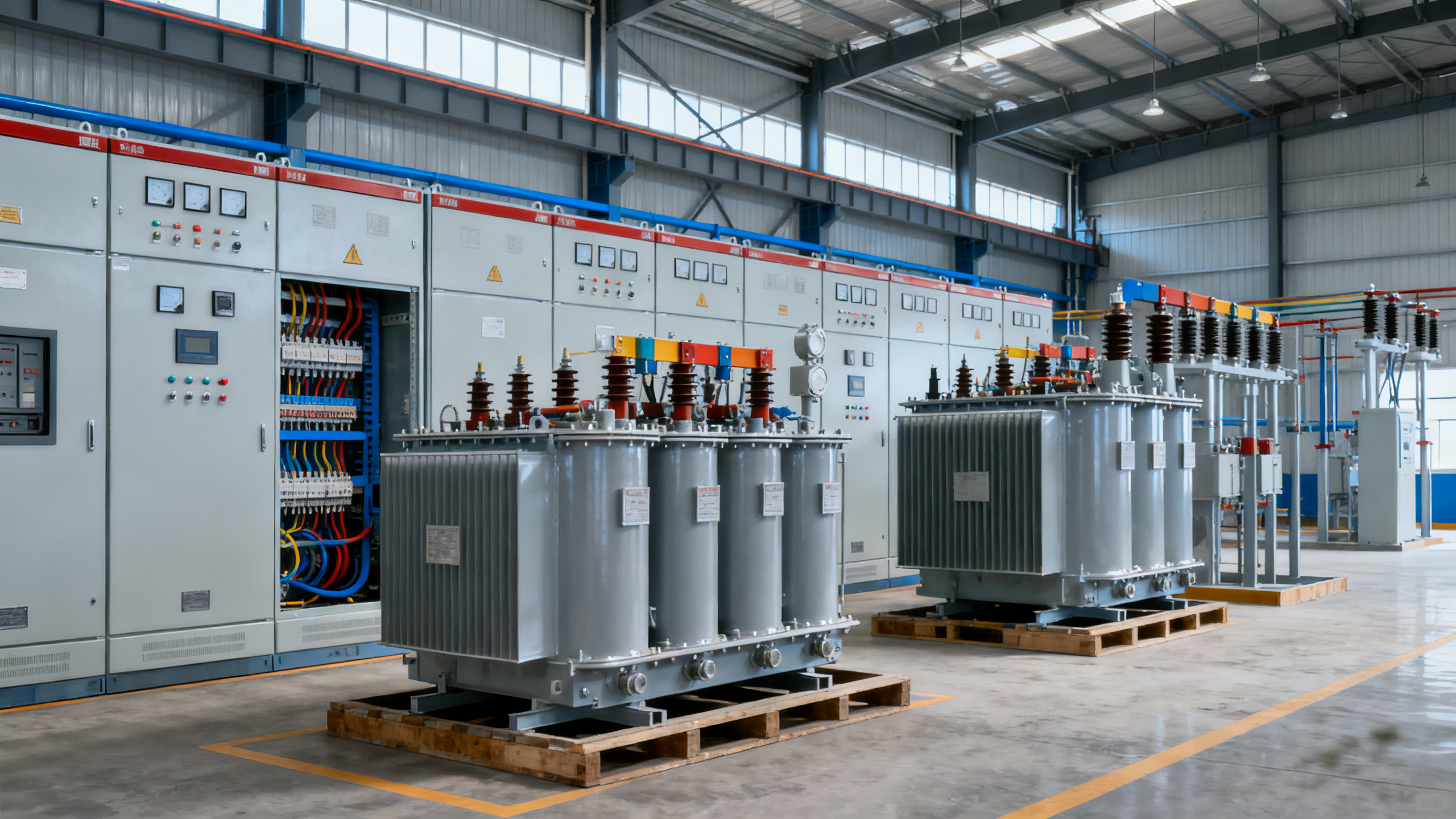
Sizing a power factor correction capacitor looks simple on paper, yet the real decision reaches far beyond kvar arithmetic. In industrial power systems, the wrong selection can reduce efficiency, shorten equipment life, trigger overheating, and complicate compliance reviews. A correct choice depends on how the load behaves, how the network is built, and how much electrical stress the capacitor bank will actually see over time.
That is why capacitor sizing remains a live issue across utilities, process plants, commercial campuses, water treatment sites, and heavy manufacturing. In the GIC view of foundational infrastructure, reactive power control is not a minor optimization topic. It sits close to reliability, safety margins, and the long-term stability expected from grid-connected assets.
Why capacitor sizing deserves closer attention
A power factor correction capacitor supplies reactive power locally. That reduces the reactive current drawn from the upstream source. The result can be lower line losses, improved voltage support, and better use of transformer and cable capacity.
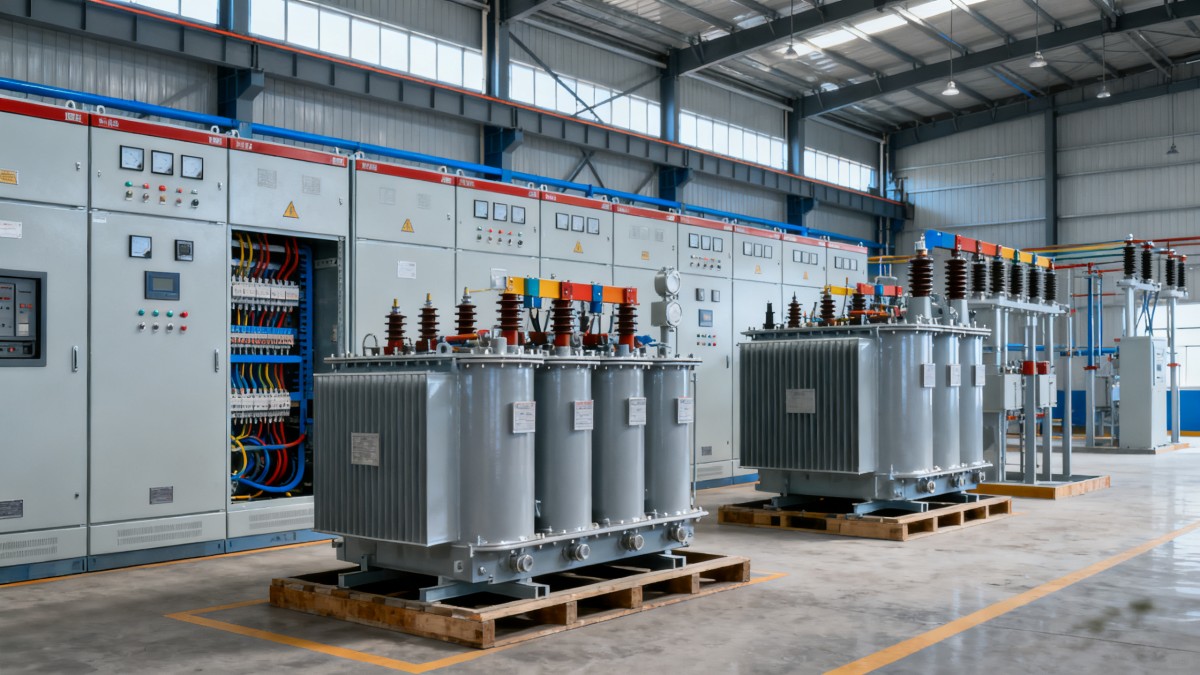
In many facilities, the driver is financial. Utility tariffs may penalize poor power factor or elevated reactive demand. Even where no penalty exists, excess current still raises heating, strains distribution assets, and limits headroom for future loads.
What changes the picture today is the electrical environment. Modern plants use variable frequency drives, rectifiers, welders, UPS systems, and nonlinear loads more heavily than before. A power factor correction capacitor that looks acceptable in a clean network may become risky in a harmonic-rich system.
The starting point is not the capacitor, but the load
Capacitor sizing begins with a realistic load profile. Nameplate power alone is rarely enough. The key question is how the site consumes active and reactive power during normal operation, partial loading, and switching events.
A stable motor-driven process often allows predictable correction. A site with fluctuating compressors, cranes, or batch equipment needs a more dynamic approach. If the load changes quickly, fixed capacitors may overcorrect during light demand periods.
That matters because overcompensation brings its own problems. Leading power factor, voltage rise, nuisance tripping, and controller instability are all common outcomes when the capacitor bank is oversized or poorly staged.
Key data to collect before sizing
A sound review usually starts with measured operating data rather than assumptions. The most useful inputs are listed below.
- Average and peak kW demand across representative operating cycles
- Existing power factor at main and sub-distribution levels
- Target power factor based on utility rules and plant policy
- System voltage, frequency, and short-circuit level
- THD, dominant harmonic orders, and nonlinear load share
- Ambient temperature, ventilation, altitude, and enclosure conditions
Without those inputs, a power factor correction capacitor decision can appear technically neat while remaining operationally weak.
Parameters that drive capacitor selection
The kvar requirement is still central, but it should be treated as one parameter among several. Practical sizing is a combination of electrical capacity, duty conditions, and system interaction.
Required reactive power
The required kvar is normally derived from present kW, current power factor, and target power factor. That calculation is straightforward. The harder part is deciding whether to correct at the main bus, at motor level, or through staged automatic banks.
Central correction simplifies maintenance. Local correction reduces feeder current more effectively. A mixed arrangement is often the better engineering answer in larger installations.
Voltage rating and tolerance
Voltage selection should reflect actual bus voltage, expected variation, and harmonic-related overvoltage stress. A capacitor operating near or above its rating for long periods will age faster, run hotter, and fail earlier.
Switching method
Fixed units suit stable loads. Automatic capacitor banks with multiple steps fit variable demand. Thyristor-switched systems can respond faster where rapid load cycling makes contactor switching too slow or mechanically stressful.
Thermal and environmental conditions
Capacitor performance is sensitive to heat. Poor ventilation, dusty rooms, corrosive atmospheres, and high ambient temperatures all reduce expected service life. A properly sized power factor correction capacitor still underperforms if the installation environment is ignored.
Where the main risks usually appear
Most sizing failures come from treating capacitors as isolated components. In reality, they interact with transformers, cables, drives, and the upstream network.
Resonance deserves special attention. When a power factor correction capacitor is connected to a network with significant harmonics, system impedance can combine with capacitor reactance and amplify certain harmonic frequencies.
This is why detuned capacitor banks are often preferred in facilities with drives and other nonlinear loads. The reactor shifts the resonant point away from problematic harmonic orders and protects the bank from excessive current.
Selection choices across common industrial settings
Not every site needs the same capacitor strategy. The right configuration depends on electrical behavior and maintenance priorities.
Continuous-process facilities
Refineries, chemical plants, and mineral processing lines often run stable loads for long periods. Fixed or staged automatic banks can work well, provided harmonic studies confirm network suitability.
Variable-load manufacturing
Fabrication plants, assembly sites, and mixed production halls usually need stepped correction. Here, controller sensitivity, switching speed, and step granularity matter almost as much as total kvar.
Commercial and institutional infrastructure
Hospitals, data-enabled buildings, and transport hubs often carry large HVAC and UPS loads. The power factor correction capacitor must be assessed with strong attention to harmonics, redundancy, and service continuity.
Water and utility systems
Pump stations and treatment plants often face motor-heavy reactive demand. Local correction near motor control centers can reduce feeder current, but coordination with motor starting and standby generators is essential.
Practical checks before final approval
A good specification review should test more than nominal capacity. Several checkpoints help separate an adequate selection from a robust one.
- Confirm measured load data covers seasonal and operational variation
- Verify target power factor aligns with utility billing thresholds
- Check whether harmonic filtering or detuning is required
- Review capacitor voltage rating against actual bus conditions
- Assess enclosure cooling, clearances, and maintenance access
- Confirm compliance expectations for CE, UL, ISO, and site-specific rules
This review approach reflects the broader GIC perspective on industrial sourcing. The component itself matters, but the larger question is whether the selected solution remains reliable under real duty, real standards, and real network conditions.
What a better sizing decision looks like
A well-chosen power factor correction capacitor is not merely large enough. It is matched to the load profile, protected against harmonics, rated for the true operating voltage, and placed where it supports both efficiency and system stability.
In practice, the next step is usually a disciplined comparison of site measurements, network distortion levels, switching needs, and compliance constraints. That process turns capacitor sizing from a simple purchase decision into a defensible engineering judgment.
Where the data is incomplete, it is worth starting with a focused power quality review and a clear set of acceptance criteria. That creates a stronger basis for selecting, validating, and maintaining the right power factor correction capacitor over its full service life.
Technical Specifications
- Air Handling Unit Supplier Checklist: Performance Data, Lead Times, and SupportAuthor :Environmental Engineering Director
- Buying Fiberglass Water Tanks Wholesale: Compare Quotes and Delivery CostsAuthor :Environmental Engineering Director
- Choosing an XLPE Power Cable Supplier: Test Reports, Traceability, and Lead TimesAuthor :Grid Infrastructure Analyst
Expert Insights

Chief Security Architect
Dr. Thorne specializes in the intersection of structural engineering and digital resilience. He has advised three G7 governments on industrial infrastructure security.
Related Analysis
- Oct 19, 2026Air Handling Unit Supplier Checklist: Performance Data, Lead Times, and SupportAuthor :Environmental Engineering Director
- Oct 18, 2026Buying Fiberglass Water Tanks Wholesale: Compare Quotes and Delivery CostsAuthor :Environmental Engineering Director
- Oct 17, 2026Choosing an XLPE Power Cable Supplier: Test Reports, Traceability, and Lead TimesAuthor :Grid Infrastructure Analyst
Core Sector // 01
Security & Safety
- Choosing a Step-Down Transformer Supplier: Test Reports, Lead Times, and WarrantyAuthor :Grid Infrastructure Analyst

- Metallurgy Processes That Improve Conductivity and Reliability in Power Grid ComponentsAuthor :Grid Infrastructure Analyst

- How to Size a UPS for Server Rooms: Load, Runtime, and Redundancy FactorsAuthor :Grid Infrastructure Analyst

- How to Choose a Step-Down Transformer for a Control Panel: Key Sizing FactorsAuthor :Grid Infrastructure Analyst

- How Often Should Overseas Power Systems Undergo Safety Inspections?Author :Grid Infrastructure Analyst

- How to Choose Panels for Extreme-Cold Industrial Sites?Author :Grid Infrastructure Analyst

- What Should a Cross-Border EPC Equipment Procurement Reference Include?Author :Grid Infrastructure Analyst

- How to Compare Low-Voltage Equipment for Panel IntegrationAuthor :Grid Infrastructure Analyst