Mysteel: Steel Price Composite Index Rises 2.26 Points on October 28
Author
Date Published
Reading Time

The October 28, 2026 steel price update reports a 2.26-point increase in the Myspic ordinary steel absolute price composite index to 3406.02. For steel traders, manufacturers and procurement teams, the figures may inform quotation reviews and purchasing decisions. The supplied information identifies no accompanying change to policy, standards, certification or trade requirements, so its immediate relevance is to commercial pricing rather than the implementation of a new regulatory obligation.
Composite and Product Indices Show Different Price Movements
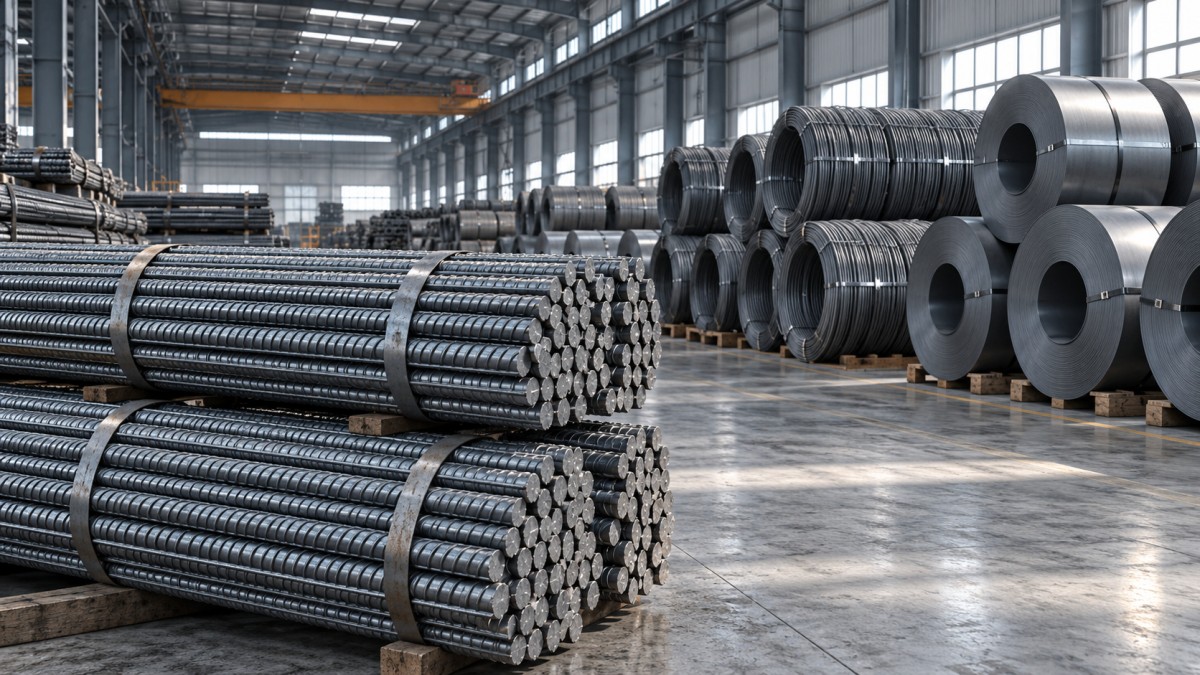
According to the supplied update, the Myspic ordinary steel absolute price composite index stood at 3406.02 on October 28, 2026, up 2.26 points. The rebar index rose 4.71 points to 3313.35, while the wire rod index increased 3.29 points to 3641.52. The hot-rolled coil index was reported at 3208.54; the supplied summary does not state its change.
The index reflects changes in tradable spot-market prices for standard steel specifications and major steel mill brands across domestic regions.
Commercial Exposure Depends on the Product Being Purchased
Traders may need to review quotation assumptions
From an industry perspective, the reported increases may prompt steel traders and distributors to compare outstanding quotations with current offers for the relevant products. The different movements in rebar and wire rod suggest that applying the composite increase uniformly across all quotations could obscure product-specific conditions. Any decision to revise an offer would need to take account of its validity period and the agreed commercial terms; the index update itself establishes no new pricing requirement.
Manufacturers may face different purchasing implications
Analysis suggests that manufacturers purchasing rebar, wire rod or hot-rolled coil could use the corresponding index as a reference when reviewing material costs. However, the supplied figures do not establish that any particular supplier has changed its prices. Buyers would need to compare actual offers for the required specification, mill brand and delivery arrangement before drawing conclusions about procurement costs.
Project buyers may need to check how contracts use indices
For contractors and other project purchasers, a possible implication concerns contracts that already reference steel price indices. If such a provision exists, procurement teams could check whether it names the same index, product category and reference date. This is a contractual review consideration, not evidence that an adjustment clause has been triggered or that delivery obligations have changed.
Checks Before Revising Orders or Commercial Documents
Match the benchmark to the quoted material
As a practical recommendation, buyers could verify that the benchmark used in an internal cost review corresponds to the material being ordered. The supplied description covers standard specifications and major mill brands across domestic regions, but it does not provide individual transaction quotations. Regional offers and the exact product specification therefore remain relevant checks before a purchase decision.
Verify the calculation before applying an adjustment
Where an existing agreement links prices to an index, a prudent review would examine the named series, comparison dates and calculation method. The reported increases are index-point changes and should not be treated as percentage increases. The hot-rolled coil reading also provides no stated change from a comparison period, so it cannot independently support a conclusion about that product's direction.
Keep technical acceptance requirements tied to agreed documents
From a compliance perspective, the supplied update provides no basis for revising certification, testing or technical acceptance requirements. If buyers consider a different specification or supplier in response to price discussions, they could verify conformity with the applicable purchasing documents before making a substitution. Such verification is a procurement recommendation, not a newly announced obligation.
Confirm delivery terms through supplier communication
Procurement teams could seek confirmation of quotation validity, availability and delivery dates when evaluating an order. The index movement alone does not demonstrate a change in lead times, supply availability or supplier performance, and it should not be used as evidence of those outcomes.
A Market Reference, with No Confirmed Rule Change
Editorial analysis indicates that this update is best understood as a spot-price reference. The supplied material contains no announcement of a new regulation, revised standard, certification condition or trade restriction. Characterizing it as a policy implementation signal would therefore go beyond the available evidence.
What deserves closer attention is whether subsequent product-level readings and actual supplier quotations show a consistent movement. For businesses using index-linked commercial terms, the relevance would also depend on the wording of their existing agreements. Any later claim of a regulatory or trade-rule change would require separate supporting documentation.
Use the Reading to Support a Targeted Procurement Review
On the supplied figures, the composite index increased alongside reported gains in rebar and wire rod, while hot-rolled coil was given only an index level. A proportionate business response would be to review the relevant product quotations and any applicable contractual pricing provisions. At this stage, analysis supports treating the update as an input to commercial assessment, with no confirmed basis for changing compliance procedures or assuming a sustained price trend.
Basis of This Article and Follow-up Verification
This article was prepared from the user-provided news title, event date and event summary attributed to Mysteel. The event date supplied is October 28, 2026. No specific official source link was included in the input, and the underlying release remains subject to verification.
Further verification could examine the original index publication, its stated methodology and subsequent product readings. Supplier quotations and the terms of individual contracts would help assess practical commercial effects. Any future policy, certification or trade requirement should be checked against the relevant official publication before being incorporated into business procedures.
Technical Specifications
Expert Insights

Chief Security Architect
Dr. Thorne specializes in the intersection of structural engineering and digital resilience. He has advised three G7 governments on industrial infrastructure security.
Related Analysis
- Oct 30, 2026Choosing a Lint-Free Wipes Factory: How to Evaluate Quality and CapacityAuthor :Precision Metrology Expert
- Oct 29, 2026Mysteel: Steel Price Composite Index Rises 2.26 Points on October 28Author :
- Oct 29, 2026Choosing a LOTO Device OEM: Quality Checks, Customization, and MOQsAuthor :Safety Compliance Lead
Core Sector // 01
Security & Safety
- Mysteel: Steel Price Composite Index Rises 2.26 Points on October 28Author :

- Nucor Raises Hot-Rolled Coil Spot Price by $15 to $1,270 per Short TonAuthor :

- World Steel Association Releases Climate Change and Steel Production Policy PaperAuthor :

- Turkish Flat Steel Prices Fall Under Import PressureAuthor :

- China’s Steel Industry Posts 1.7% Growth in Industrial Value Added in First Three QuartersAuthor :

- Steel Dynamics Reports Q3 2026 Results: Record Shipments and Strong EarningsAuthor :

- Cold-Formed Steel Market: Price, Capacity, and Lead-Time Signals for BuildersAuthor :

- Heat-Resisting Steel Market Trends: Availability Risks for High-Temperature FabricatorsAuthor :