Safety signs wholesale: the fading issue most catalogs hide
Author
Date Published
Reading Time
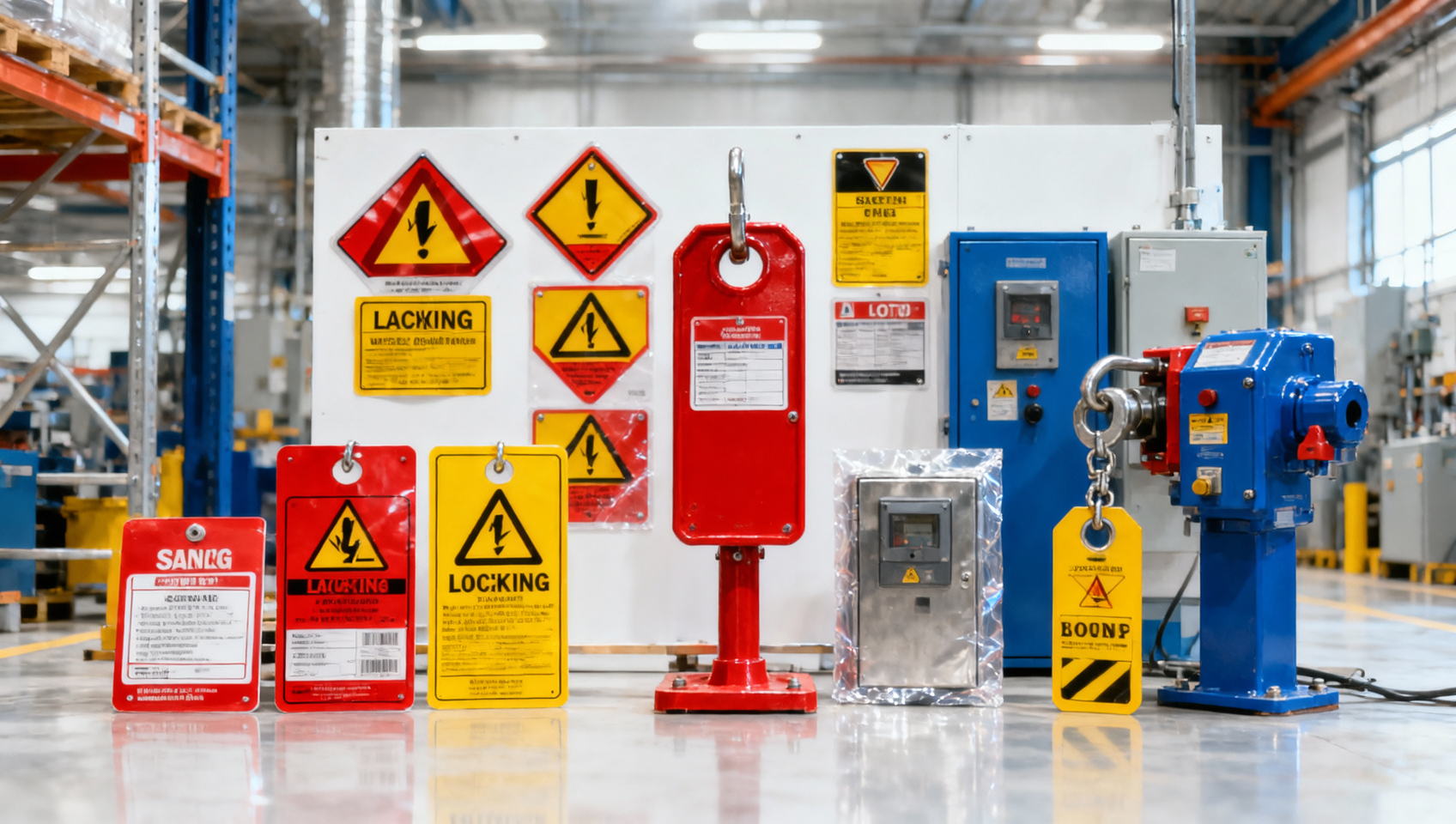
In safety signs wholesale, fading is the costly defect many catalogs gloss over—yet it directly impacts compliance, visibility, and long-term replacement budgets. For buyers comparing custom warning labels, scaffolding tags, lockout tagout stations, and loto devices wholesale, understanding colorfastness, material durability, and exposure performance is essential to sourcing signs that stay legible in real industrial conditions.
Why fading becomes a serious procurement risk in safety signs wholesale
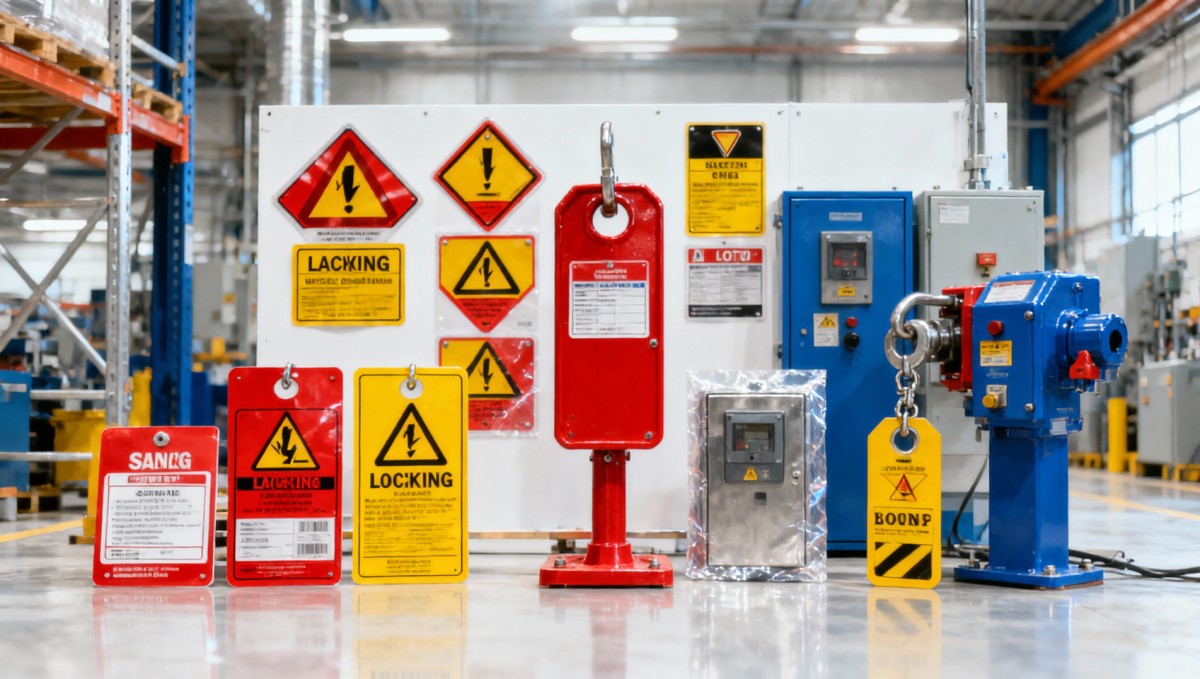
Many buyers first assess safety signs wholesale by unit price, size range, or printing options. That is understandable, especially when a project includes 200, 2,000, or even 20,000 pieces across multiple facilities. The problem is that fading rarely appears in a catalog photo, and early-stage quotations often do not explain how pigment stability, laminate quality, or UV exposure resistance will affect field life.
For operators, fading is not a cosmetic issue. A washed-out warning label near electrical panels, chemical storage, forklift routes, or confined spaces can reduce instant recognition. In high-traffic plants, ports, warehouses, and EPC job sites, signs must remain readable across shifts, seasonal weather changes, washdowns, and sunlight cycles. If legibility drops within 6–12 months, replacement costs and compliance pressure rise quickly.
For procurement teams, the fading issue creates a hidden total cost problem. A low initial quote may look attractive, but if signs need replacement every year instead of every 3–5 years in comparable exposure conditions, the real cost multiplies through labor, downtime coordination, and repeat purchasing. This is especially relevant when custom warning labels and lockout tagout stations are installed across regional or multinational facilities.
At GIC, the more useful question is not simply “What is the sign made from?” but “How will this sign perform in its actual environment over a defined service interval?” That shift in evaluation helps information researchers build a stronger specification, helps users avoid visibility failures, and helps decision-makers compare suppliers on lifecycle value rather than on printed brochures alone.
What catalogs often fail to disclose
- Whether the printed layer is surface-exposed or protected by an overlaminate, which strongly affects abrasion and wash resistance.
- Whether the substrate is intended for indoor dry areas, semi-covered loading bays, or full outdoor exposure for 2–4 years or longer.
- Whether colorfastness is stable under UV, chemical splash, salt air, or temperature swings such as -20°C to 60°C.
- Whether adhesive systems are matched to powder-coated metal, rough concrete, plastic housings, or temporary scaffolding tags.
Which materials and construction choices affect colorfastness most?
In safety signs wholesale, fading behavior usually comes from a combination of substrate, ink system, topcoat, and installation environment. Polyester, rigid PVC, aluminum, polycarbonate, and vinyl each behave differently. The same printed message may perform acceptably indoors for 24–36 months on one material and fail much sooner on another when exposed to direct sunlight, moisture, or repeated cleaning cycles.
Custom warning labels used on machinery often need better abrasion resistance than general warehouse signs. Scaffolding tags may need rapid visibility and practical replacement workflows rather than long decorative life. Lockout tagout stations and loto devices wholesale often sit near maintenance zones where oil mist, hand contact, and routine handling accelerate wear. That is why one material strategy does not fit every facility.
A practical buying approach is to separate applications into at least 3 exposure levels: indoor controlled, indoor industrial, and outdoor or harsh exposure. Once these categories are defined, buyers can request matching material recommendations instead of accepting a single generic sign specification. This also helps cross-functional teams agree on where premium materials are justified and where standard-grade signage is sufficient.
The table below summarizes common material considerations for safety signs wholesale programs. It is not a substitute for testing, but it gives procurement teams a useful first-pass screen before requesting samples, technical data, and site-specific recommendations.
The key takeaway is simple: material alone does not guarantee durability. Buyers should ask how the graphics are protected, how long the sign is expected to remain legible in a defined environment, and whether sample testing can be done under real site conditions for 30–90 days before a large safety signs wholesale rollout.
Three specification details worth checking early
1. UV and exposure suitability
If the sign will face direct sun, ask whether the construction is intended for outdoor use and whether the expected service window is 2 years, 3 years, or longer. A generic “weatherproof” statement is too vague for procurement comparison.
2. Cleaning and chemical contact
Signs in food processing, utilities, mining, or maintenance areas often face detergents, oils, or mild solvents. This can accelerate fading even when sunlight is limited.
3. Mounting method
The same message may need adhesive backing, drilled holes, magnetic mounting, or tag loops. Poor mounting decisions lead to edge lifting, water ingress, and faster visual deterioration.
How should buyers compare suppliers beyond catalog appearance and unit price?
When comparing safety signs wholesale suppliers, procurement teams need a repeatable evaluation method. This is especially important in B2B environments where one order may include custom warning labels, scaffolding tags, lockout tagout stations, and loto devices wholesale under the same safety program. A good comparison model should cover at least 5 dimensions: material fit, print durability, compliance suitability, delivery reliability, and after-sales documentation.
Researchers may focus on technical sheets. Users often care about readability from practical viewing distances such as 1–3 meters indoors or longer distances in yards and road-access zones. Buyers need consistency across batches and sites. Decision-makers want to reduce rework, avoid fragmented vendors, and maintain safety communication standards across multiple facilities over a 12–24 month procurement cycle.
The next table is designed as a supplier evaluation tool. It helps separate low-price offers from dependable long-term value, particularly when fading resistance is part of the purchasing risk assessment.
A balanced supplier review prevents two common mistakes: buying a premium outdoor-grade sign for a low-risk indoor area, or buying low-cost labels for equipment zones where abrasion and UV will quickly erase critical messages. In both cases, poor matching increases overall spend. GIC typically recommends that procurement teams define service conditions first, then compare quotations against those conditions rather than against price alone.
A practical 4-step sourcing process
- Map the sign population by area: indoor equipment, wet process area, outdoor access, temporary maintenance, and mobile assets.
- Assign exposure classes and replacement expectations, such as 12 months, 24 months, or 36 months plus.
- Request samples or pilot batches for the highest-risk 10%–20% of sign types before full release.
- Approve suppliers based on durability evidence, artwork control, and delivery capability, not just price per piece.
What do compliance teams and operators need from signs in real industrial environments?
The operational view is often missing from wholesale discussions. A sign that looks clear at the time of installation may still fail the site if operators cannot recognize hazards quickly during routine movement, shutdown work, or emergency response. In industrial environments, visibility has to survive dust, glare, vibration, washdown, and repeated human contact. A fading sign can become functionally noncompliant before it physically falls off the wall.
For custom warning labels, the message must remain sharp enough that maintenance crews, contractors, and visitors interpret it consistently. For scaffolding tags, color recognition and status clarity must remain obvious during active job phases. For lockout tagout stations, labels need to stay readable during frequent handling and during inspection intervals that may occur monthly or quarterly depending on site procedures.
This is where standards-aware sourcing matters. While exact site obligations vary by country and sector, buyers commonly need symbol consistency, signal-word clarity, durable mounting, and materials appropriate for the environment. Good sourcing is therefore not just about buying signs; it is about supporting safe behavior across a full operating cycle.
GIC supports this process by connecting technical review with procurement judgment. Instead of isolating design, compliance, and purchasing, a stronger model brings these functions together early so the selected safety signs wholesale package reflects real use conditions, not only approval-stage artwork.
Typical application scenarios where fading risk is underestimated
- Outdoor loading areas where signs face direct sun for 4–8 hours per day and truck wash splash is frequent.
- Mechanical rooms where oil mist and heat accelerate surface degradation even without strong sunlight.
- Chemical or utility zones where periodic cleaning agents slowly attack print layers and adhesives.
- Scaffold and temporary project areas where tags and hazard boards are handled often and exposed to weather shifts over 2–12 weeks.
Visibility is also a maintenance issue
When signs fade inconsistently, maintenance teams end up with reactive replacement work instead of planned replacement cycles. That increases labor disruption and makes site-wide visual control harder to sustain. A documented sign hierarchy and material plan can reduce these issues significantly.
Common misconceptions, budget traps, and FAQ for wholesale buyers
In cross-industry procurement, several misconceptions keep appearing. The first is that all “industrial” signs are durable enough for outdoor use. The second is that fading is unavoidable and therefore not worth specifying. The third is that replacement cost is minor because signs are low-value items. In practice, these assumptions can distort total project economics, especially across multi-site programs.
The real budget question is not whether a sign costs a little more upfront. It is whether the selected construction reduces replacement frequency, avoids safety communication gaps, and lowers administrative burden over the next 12–36 months. For procurement leaders, that lifecycle view often changes which quotation is truly competitive.
Below are common questions that help buyers, users, and decision-makers refine a safety signs wholesale specification before RFQ or final approval.
How do I know whether fading resistance should be a priority in my order?
If the signs will face outdoor exposure, strong indoor lighting, frequent cleaning, mechanical contact, or heat, fading resistance should be a front-end requirement. A simple rule is to review any sign expected to remain installed for more than 12 months, or any sign that supports hazardous-area communication, lockout tagout identification, or regulated access control.
Are scaffolding tags and custom warning labels evaluated the same way?
Not usually. Scaffolding tags often prioritize fast status recognition, handling practicality, and short project-cycle durability. Custom warning labels for machinery or electrical assets usually need stronger long-term legibility, adhesive reliability, and resistance to abrasion or chemicals. The exposure profile and inspection frequency should drive the specification.
What lead times are typical for samples and bulk orders?
Lead times vary by customization level, material, and order size. In many B2B programs, standard samples may be prepared within 7–15 days, while custom bulk production may require 2–4 weeks after artwork and specification approval. Larger multi-SKU orders, multilingual packs, or mixed hardware such as lockout tagout stations and loto devices wholesale may need phased scheduling.
Should we standardize one material across all sites?
Standardization helps administration, but one universal material can lead to overbuying in low-risk areas and underperformance in harsh zones. A better model is a 3-tier standard: indoor standard, industrial-duty indoor, and outdoor/harsh exposure. This keeps control manageable while improving lifecycle value.
Why work with GIC when selecting safety signs wholesale solutions?
For industrial buyers, the challenge is not finding a sign supplier. The challenge is finding decision-grade guidance that connects specification, compliance expectations, operating conditions, and sourcing execution. GIC is built for that intersection. We support EPC contractors, facility managers, procurement directors, and industrial teams that need dependable insight across safety, measurement, electrical, environmental, and mechanical infrastructure categories.
When reviewing safety signs wholesale opportunities, we help teams clarify application scope, compare material options, identify fading risks, and structure supplier conversations around useful criteria. That includes custom warning labels, scaffolding tags, lockout tagout stations, and loto devices wholesale where visibility, durability, and documentation all influence purchasing confidence.
If you are planning a new project, replacing inconsistent site signage, or building a multi-location sourcing program, contact GIC to discuss the practical details that matter before purchase. We can support parameter confirmation, exposure-based material selection, sample evaluation priorities, expected delivery windows, customization logic, and general compliance-oriented review points relevant to your environment.
A productive first conversation usually covers 6 items: sign type mix, installation environment, expected service life, mounting method, required certifications or internal standards, and target order schedule. With that information, your team can move from catalog browsing to a clearer, lower-risk sourcing decision.
Technical Specifications
- SCFI Surges 27% Weekly; Shanghai–Rotterdam Freight Hits $4,200/TEUAuthor :Environmental Engineering Director
- INMETRO New Rule: Industrial Circuit Breakers Must Pass IEC 60947-2 Annex Q Test from Sep 2026Author :Grid Infrastructure Analyst
- FDA Expands Regulation of Industrial Air Filters: ULPA Filter MVR Verification RequiredAuthor :Environmental Engineering Director
Expert Insights

Chief Security Architect
Dr. Thorne specializes in the intersection of structural engineering and digital resilience. He has advised three G7 governments on industrial infrastructure security.
Related Analysis
- Apr 26, 2026SCFI Surges 27% Weekly; Shanghai–Rotterdam Freight Hits $4,200/TEUAuthor :Environmental Engineering Director
- Apr 26, 2026INMETRO New Rule: Industrial Circuit Breakers Must Pass IEC 60947-2 Annex Q Test from Sep 2026Author :Grid Infrastructure Analyst
- Apr 26, 2026FDA Expands Regulation of Industrial Air Filters: ULPA Filter MVR Verification RequiredAuthor :Environmental Engineering Director
Core Sector // 01
Security & Safety
- CPSC Mandates ASTM F3502-23 Respiratory Resistance Re-testing for Industrial Dust MasksAuthor :Safety Compliance Lead
![]()
- Breathability vs protection in safety equipmentAuthor :Safety Compliance Lead

- EU PPE Regulation (EU) 2026/789 Enforces Dual CE+UKCA for Chinese ExportsAuthor :Safety Compliance Lead
![]()
- Automatic hand sanitizers with sensors or pedals?Author :Safety Compliance Lead

- Does a wholesale shoe cover dispenser really reduce contamination?Author :Safety Compliance Lead

- ESD anti static shoes that pass tests but feel unsafe on siteAuthor :Safety Compliance Lead

- Why wholesale cleanroom garments vary so much in durabilityAuthor :Safety Compliance Lead

- Scaffolding tags are simple until weather starts erasing themAuthor :Safety Compliance Lead