Engineering the Equilibrium: Navigating the Trade-off Between Breathability and Protection in Industrial Safety Equipment
In the demanding sectors of mechanical engineering and facility management, achieving the optimal equilibrium between breathability and protection in safety equipment is a primary concern for project managers and decision-makers. Adhering to stringent industrial standards is vital, especially when managing electrical safety and power distribution systems or navigating the complexities of metallurgical engineering. This technical overview explores how high-performance materials in the Security & Safety and Electrical & Power categories provide comfort without compromising the rigorous barrier requirements necessary for environmental engineering and operational resilience. For safety compliance leads and technical evaluators, understanding this trade-off is essential for maintaining a secure, efficient, and high-standard industrial environment.
The Engineering Conflict: Why Protection Often Compromises Breathability
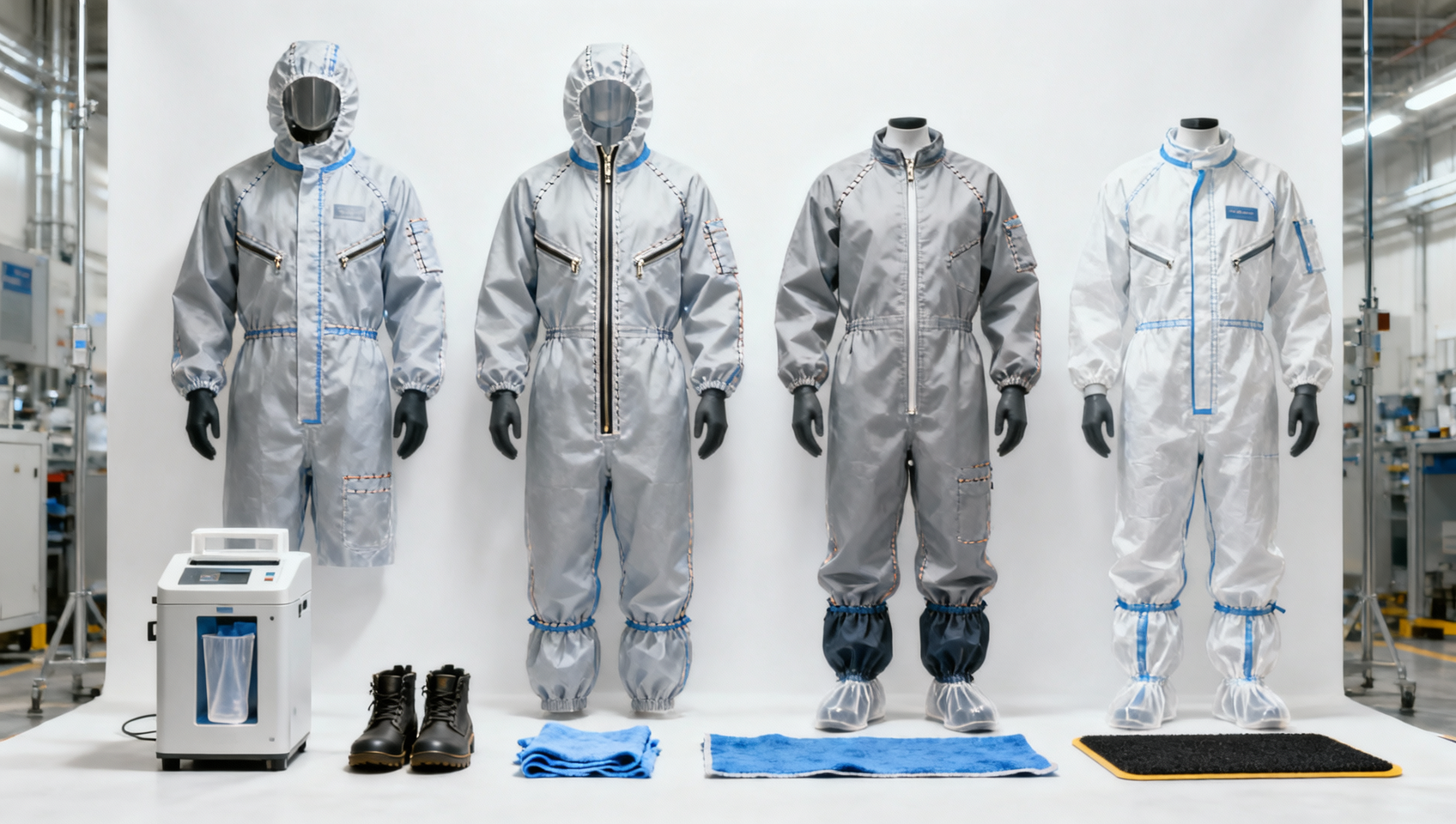
In heavy industry, the primary function of Personal Protective Equipment (PPE) is to act as a barrier against hazards—be they thermal, chemical, or electrical. Traditionally, the higher the level of protection (such as thicker membranes or denser weaves), the lower the air permeability. This creates a physiological challenge for the wearer. For safety compliance leads, the "protection vs. breathability" conflict is not merely a comfort issue; it is a safety risk. Heat stress caused by non-breathable gear can lead to cognitive fatigue, reduced dexterity, and increased accident rates in high-stakes environments like power grids and metallurgical plants.
Technical evaluators must look beyond surface-level specs and examine the Moisture Vapor Transmission Rate (MVTR) alongside the equipment's protective rating. A high-performance industrial suit must prevent the ingress of contaminants while simultaneously allowing metabolic heat to escape. If a material is too occlusive, moisture builds up inside, which can lead to steam burns in flash-fire scenarios or electrical conductivity issues in high-voltage environments.
Advanced Material Science: Bridging the Gap
Modern material breakthroughs are beginning to solve the historical trade-off. For the Global Industrial Core (GIC) audience, understanding these three categories of materials is essential for strategic sourcing:
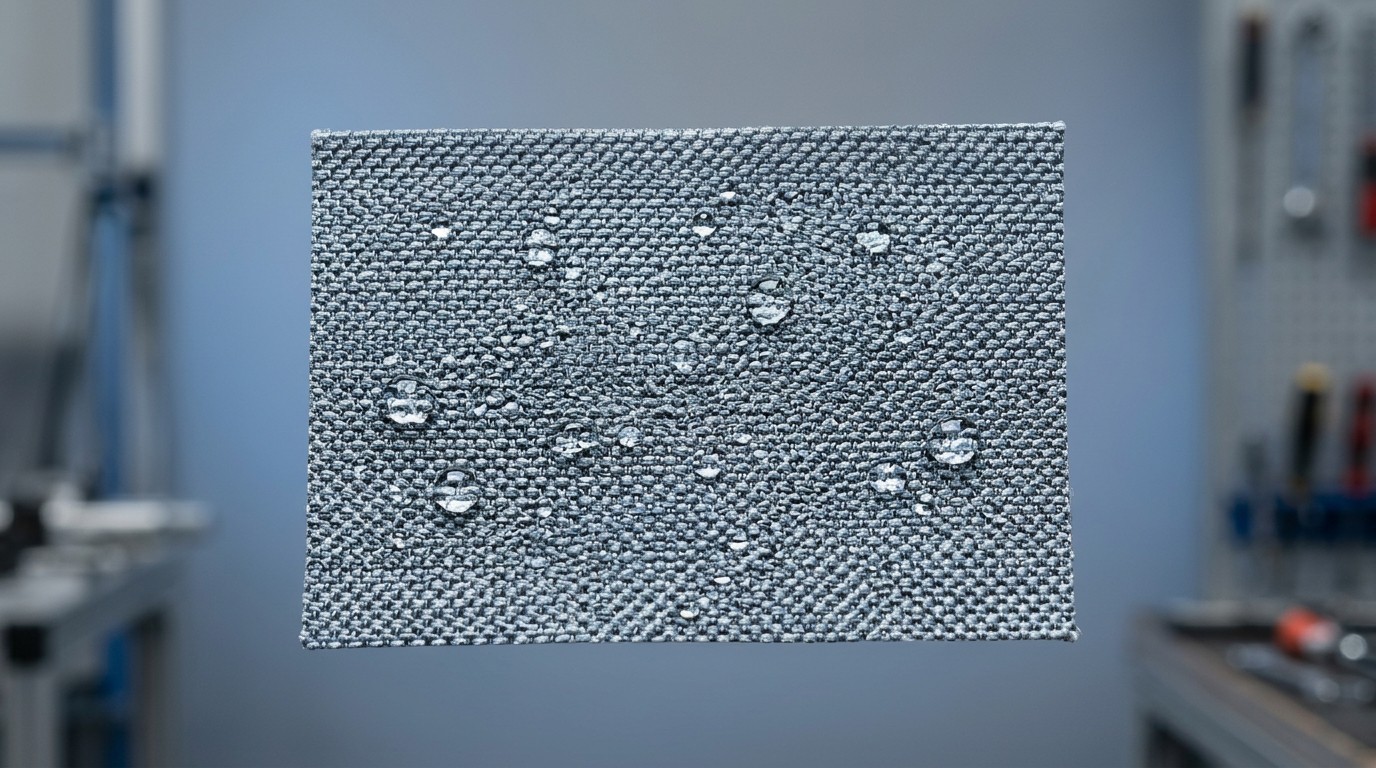
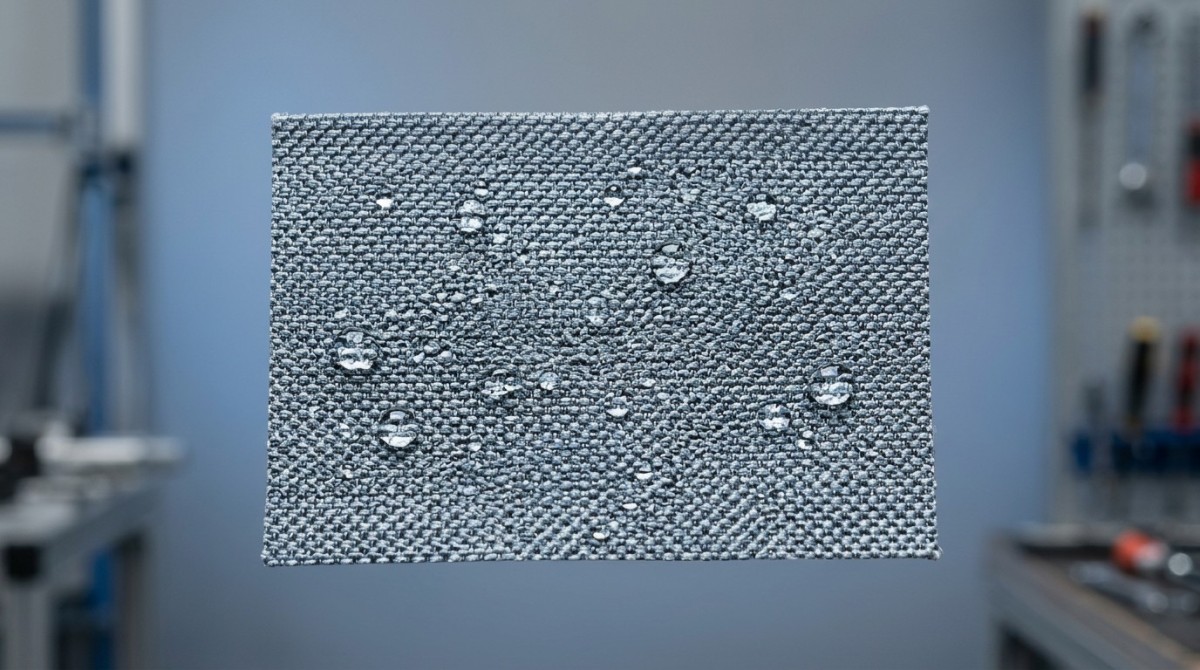
- Microporous Films: These utilize a membrane with billions of microscopic pores per square inch. The pores are large enough for water vapor molecules (sweat) to escape but small enough to block liquid droplets and pathogens.
- Monolithic Membranes: These work through molecular diffusion. They are solid barriers that prevent any liquid penetration but contain "hydrophilic" chains that transport moisture away from the body, making them ideal for chemical safety.
- Electrospun Nanofibers: The frontier of safety equipment. These create a highly porous structure that offers exceptional breathability while maintaining a high mechanical barrier against fine particulates, crucial for environmental engineering and metallurgy.
When evaluating these materials, procurement directors should demand testing certifications such as ISO 11092, which measures the evaporative resistance of textiles (Ret). A lower Ret value indicates higher breathability, which should be balanced against the specific ASTM or CE protection levels required for the site.
Sector-Specific Considerations for Technical Evaluators
The "ideal" balance varies significantly depending on the industrial pillar in question:
Electrical & Power Grid
In this sector, breathability is a secondary priority to Arc Flash protection. However, modern Arc-rated (AR) clothing now incorporates moisture-wicking fibers that do not compromise the Arc Thermal Performance Value (ATPV). Decision-makers should prioritize garments that meet NFPA 70E standards while utilizing lightweight, inherently flame-resistant (FR) blends.
Mechanical Components & Metallurgy
Workers in foundries face extreme radiant heat. Here, "breathability" often means specialized venting systems and aluminized fabrics that reflect heat while allowing internal air circulation. The focus is on preventing heat stroke without sacrificing the puncture and abrasion resistance required for handling heavy mechanical components.
Security & Safety (CBRN and Hazmat)
For facility managers dealing with toxic environments, the priority is absolute barrier integrity. In these cases, breathability is often sacrificed for safety, requiring operational protocols like "work-rest cycles" or the use of Powered Air Purifying Respirators (PAPR) to manage the microclimate inside the protective suit.
The Business Logic: ROI of Ergonomic Safety Gear
From a business assessment perspective, investing in breathable safety equipment offers a high return on investment (ROI). Although premium materials like GORE-TEX Professional or specialized Nomex blends may have a higher unit cost, the long-term benefits include:
- Increased Productivity: Employees working in comfortable gear can maintain focus and stamina for longer shifts, reducing downtime.
- Higher Compliance Rates: Workers are less likely to "cheat" the safety protocol (e.g., unzipping a jacket or removing a mask) if the equipment is not physically taxing to wear.
- Reduced Liability: Minimizing heat-related illnesses reduces insurance premiums and the risk of litigation following workplace incidents.