How to Place Eye Wash Stations Industrial
Author
Date Published
Reading Time
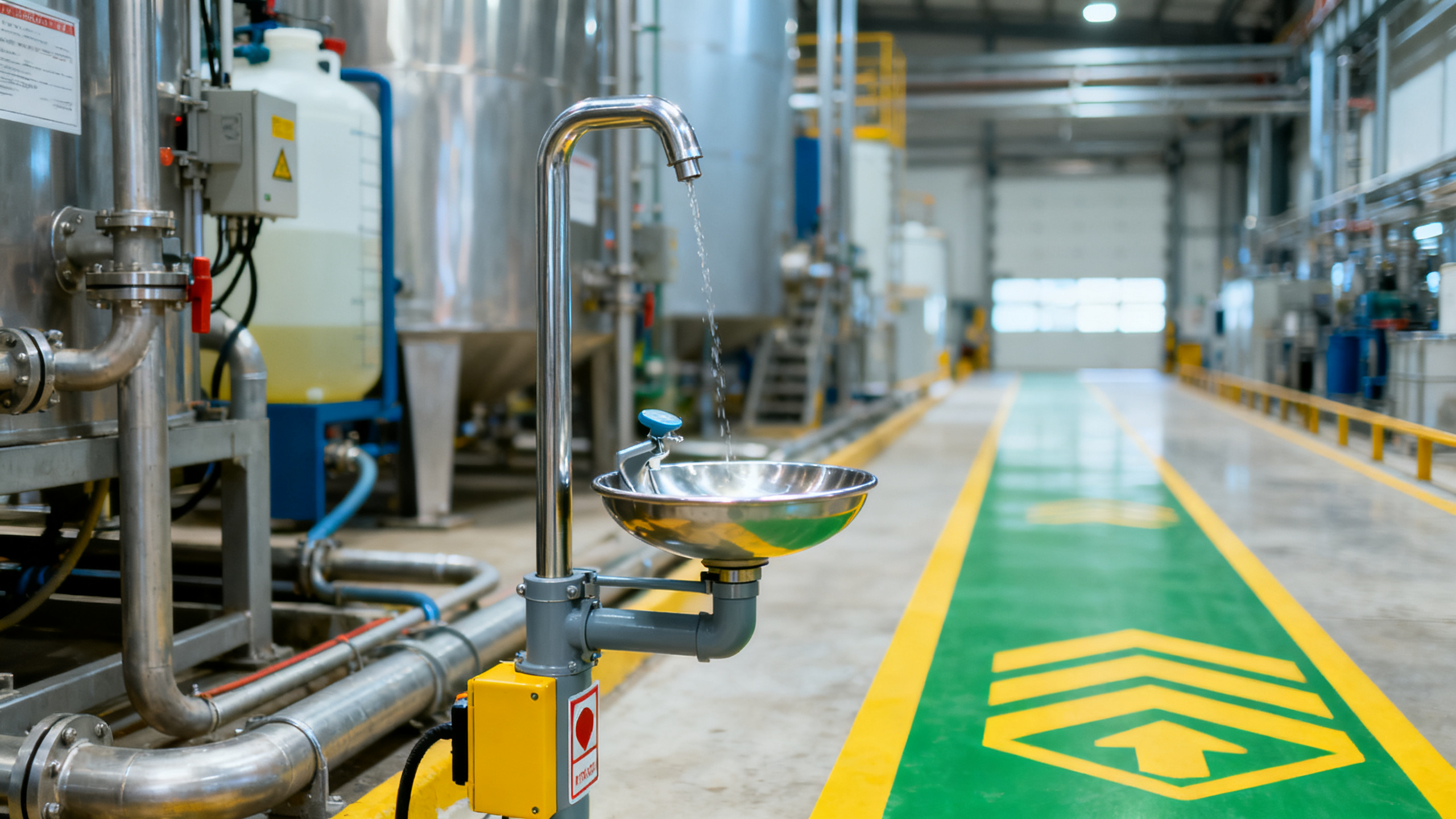
Proper placement of eye wash stations industrial is essential for fast emergency response, regulatory compliance, and worker protection in demanding facilities. Whether you manage welding zones, electrical rooms, chemical handling areas, or mixed-use production lines, this guide explains how to position units for maximum accessibility, safety, and operational efficiency while supporting informed decisions for users, buyers, and industrial site managers.
Why eye wash station placement matters more than many facilities assume
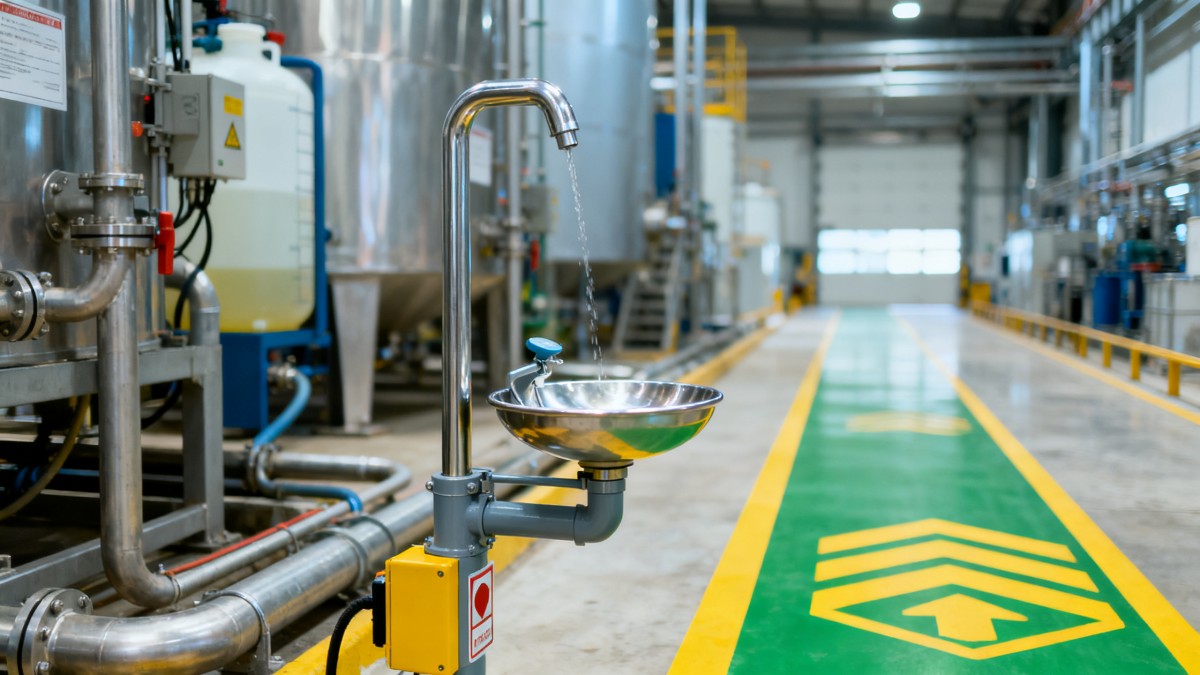
In industrial environments, an eye wash station is not simply a compliance item mounted on a wall. Its exact location affects response time during a splash, dust exposure, vapor contact, or metal particle incident. When workers cannot reach the unit quickly, even a well-built system loses practical value. That is why eye wash stations industrial planning must begin with hazard mapping, not product selection alone.
For information researchers, the main question is usually where the unit should be placed. For operators, the concern is whether the station is visible, reachable, and easy to activate under stress. For procurement teams, the challenge is choosing a layout that supports different risks without overbuying. For decision-makers, the issue is balancing compliance, plant continuity, and capital discipline across 1 site or multiple facilities.
Most industrial safety programs use a practical placement logic based on hazard proximity, unobstructed access, and operating conditions. In many facilities, the first review focuses on a 10-second travel concept, direct access on the same level, and clear identification. If workers must pass through doors, avoid pallets, or navigate congested aisles, the station may not serve its purpose when seconds matter.
Placement also changes by risk profile. A battery charging area, a chemical dosing skid, and a fabrication zone do not create the same injury pattern. A proper eye wash station placement strategy separates corrosive splash risks from particulate hazards and then matches the station type, mounting style, and route accessibility to the real operating scenario.
What should be assessed before deciding a location?
Before fixing a final position, safety and facility teams should review at least 5 core factors: hazard type, exposure frequency, worker density, route obstruction risk, and water supply practicality. In larger plants, a sixth factor often becomes critical: whether temporary work patterns, such as maintenance shutdowns or contractor tasks, create short-term exposure zones that need additional portable coverage.
- Hazard type: corrosive liquids, fine dust, hot particulates, and solvent splashes require different emergency assumptions.
- Travel route: the path should be direct, level, and free of locked doors, hoses, stored materials, or vehicle crossings.
- Visibility: signage, lighting, and color contrast help users identify the station in 1–2 seconds during an emergency.
- Utility reliability: water pressure, drainage, freeze protection, and tepid water management influence placement feasibility.
How to place eye wash stations industrial by risk zone and facility layout
The best way to place eye wash stations industrial is to divide the facility into risk zones rather than relying on general floor coverage. This approach works especially well in mixed-use industrial buildings where fabrication, testing, storage, utilities, and chemical handling exist in one operation. A single central unit may look efficient on paper, but it often underperforms in a real emergency because exposure points are too dispersed.
In chemical handling areas, units should be located as close as practical to mixing, transfer, filling, or dosing points while still staying outside the immediate splash zone. In metalworking or welding areas, dust and particles may justify highly visible plumbed or self-contained stations near grinder clusters, cutting cells, and rework benches. In electrical rooms, placement requires extra care so the route remains safe and the station does not introduce avoidable water-related exposure near energized assets.
Large warehouses and production halls should also consider traffic patterns. Forklift lanes, temporary staging, and seasonal inventory surges can block access without anyone noticing. A route that is clear during an audit may become unusable during peak operations. That is why many facility managers review station accessibility every month and again before major production changes or shutdown projects.
The table below summarizes common industrial scenarios and practical eye wash station placement considerations. It is useful for procurement comparisons, site audits, and internal approval discussions because it turns broad safety intent into location-specific decisions.
A key lesson from these scenarios is that “nearby” is not enough. The station must remain usable during normal operations, peak loading, and abnormal events. In practice, 3 conditions separate effective layouts from weak ones: a direct route, stable utilities, and consistent visibility across all shifts.
Placement checks for new builds and retrofit projects
In a new facility, teams can coordinate eye wash station placement with piping, drainage, lighting, and emergency signage from the start. In retrofit projects, the work is harder because existing columns, machine footprints, and utility congestion limit options. This is where a structured review saves time and avoids repeated rework during installation.
A practical 4-step review
- Map all splash, dust, and chemical contact points by process area and maintenance task.
- Walk the route from each hazard point to the proposed station during actual operating conditions.
- Verify utility constraints such as drainage, freeze risk, pressure stability, and tempering needs.
- Run a final accessibility check after equipment moves, line balancing, or storage plan changes.
For many EPC contractors and plant owners, this 4-step method reduces late-stage conflicts between safety design and operational layout. It also creates clearer documentation for procurement approval, contractor coordination, and maintenance handover.
What technical and compliance factors affect placement decisions?
Eye wash station placement is partly a layout issue, but it is also a technical specification issue. A station can be in the right zone and still fail operationally if water supply, temperature control, drainage, or environmental protection were ignored. This is especially true in outdoor yards, utility corridors, cold-weather sites, and heat-intensive process areas where ambient conditions shift across seasons.
Industrial buyers should review whether the proposed placement aligns with common standards and site conditions. Typical checks include activation in 1 motion, unobstructed operation, sufficient flushing duration, and environmental suitability. In many projects, teams also compare whether a plumbed station or a self-contained unit better fits the local infrastructure and maintenance capability.
Temperature is often underestimated. In cold regions, exposed pipework may require freeze protection. In hot environments, stagnant water in sun-exposed areas can become unsuitable for emergency use. Utility planning should therefore consider seasonal operating ranges, maintenance intervals, and whether tepid water control is necessary for worker tolerance during a full flush period.
The table below helps compare technical placement considerations by station type. It is particularly useful when procurement must evaluate more than 1 building condition, such as indoor process halls, temporary worksites, and remote outdoor assets.
This comparison shows why placement cannot be separated from engineering detail. A unit selected for flexibility may increase maintenance workload. A fixed unit may offer stronger readiness but demand 2–4 weeks of coordination for piping, drainage, and contractor scheduling in an active plant.
Common compliance and inspection points
Although exact regulatory obligations vary by jurisdiction and site policy, industrial teams usually verify 6 practical items during review: route accessibility, activation ease, flushing capability, water condition, signage, and inspection records. Procurement should request these checks early because placement errors are cheaper to fix before final installation than after commissioning.
- Can the exposed worker reach the station without climbing, turning through barriers, or crossing a vehicle lane?
- Does the activation mechanism work in a single motion and stay on without hand pressure?
- Will the local water supply support the required flush period and acceptable user conditions?
- Are signs and lighting visible across day, night, and reduced-visibility operating conditions?
How buyers and managers should evaluate selection, cost, and implementation
When a facility asks how to place eye wash stations industrial, the answer often expands into a broader sourcing decision. Buyers are not only selecting a unit; they are approving installation scope, maintenance responsibility, and possible operational disruption. That is why the best procurement decisions compare total implementation impact rather than focusing on unit price alone.
A lower-cost station may become more expensive if the chosen location requires long plumbing runs, floor trenching, heating trace, or extensive corrosion-resistant fittings. On the other hand, a self-contained solution may reduce installation cost but increase service labor every week or every month, depending on the site’s inspection and water replacement routine.
For enterprise decision-makers managing multiple locations, standardization matters. Using 2 or 3 approved station types across common risk categories can simplify training, spare parts, and internal audit routines. This is especially useful for groups operating fabrication shops, utility buildings, and chemical support areas under one safety governance model.
The evaluation matrix below helps procurement teams compare eye wash station placement options in a more disciplined way. It converts general safety discussions into a practical sourcing framework that site operations, HSE, engineering, and finance can all review together.
This matrix is especially helpful when a project includes both new and legacy infrastructure. It gives each department a common review language and prevents decisions based only on catalog comparison or isolated site preference.
Implementation timeline and handover checkpoints
A straightforward indoor replacement may move from survey to installation in 7–15 days. A multi-unit retrofit with drainage changes, corrosion-resistant fittings, and utility coordination may take 2–4 weeks or longer, depending on shutdown windows. Early technical review is therefore one of the easiest ways to control project delay.
5 handover items buyers should not skip
- Final as-installed location check against the original hazard map and access route.
- Utility verification for flow, drainage, and any temperature management requirement.
- Operator training for activation, reporting, and post-use emergency response steps.
- Inspection and maintenance schedule assignment by department or contractor.
- Spare parts and service documentation for nozzles, covers, valves, and local accessories.
These checkpoints matter because many placement failures happen after procurement, not before it. A station approved on a drawing may lose accessibility when a rack is extended, a hose reel is added, or a temporary barrier becomes permanent.
FAQ, common mistakes, and why many projects still get placement wrong
Even experienced industrial teams sometimes misjudge eye wash station placement because they treat it as a product task instead of a process-safety task. The result is usually not a dramatic technical failure, but a series of small errors: poor route design, unclear ownership, weak visibility, or a mismatch between hazard severity and station type.
The following questions reflect common search intent from plant users, researchers, and procurement teams. They also help decision-makers separate good-looking layouts from truly effective emergency access planning.
How close should an eye wash station be to the hazard?
A widely used planning benchmark is that the station should be reachable in about 10 seconds through an unobstructed path on the same level. However, closeness alone is not enough. If the route passes a swinging door, a storage cage, or a busy forklift crossing, the practical response time may be far worse than the map suggests.
Can one station cover several work areas?
Sometimes yes, but only when the exposure points are genuinely clustered and the route remains clear under all operating conditions. Long assembly lines, separated maintenance bays, or multi-room chemical workflows usually need more than 1 access point. Trying to save budget with one shared station can increase both compliance risk and operator exposure.
What are the most common placement mistakes?
Three mistakes appear repeatedly. First, the unit is installed where utilities are convenient rather than where the hazard exists. Second, access becomes blocked by pallets, carts, or temporary storage within 30–90 days after commissioning. Third, teams choose station type without considering climate, maintenance capacity, or full flushing needs.
How often should placement be reviewed?
A practical rule is to review placement during routine safety inspections, after process changes, and before startup of new lines or maintenance campaigns. Many industrial sites conduct a monthly visual access check and a broader quarterly review when production layout, storage density, or contractor activity changes significantly.
Why work with GIC for eye wash station planning, sourcing, and site-level decisions
For industrial buyers, the challenge is rarely finding an eye wash station supplier. The harder task is making the right placement and sourcing decision across safety, engineering, compliance, and operations. Global Industrial Core supports that decision process with a technical, procurement-aware approach built for EPC contractors, facility managers, and industrial sourcing leaders who cannot afford weak assumptions in critical infrastructure.
Our value is practical and specific. We help teams review hazard scenarios, compare station types for fixed and remote environments, identify layout risks that affect emergency access, and align sourcing decisions with common international compliance expectations. This is useful whether you are planning a single retrofit in 1 workshop or standardizing safety infrastructure across several industrial sites.
You can contact GIC for support on parameter confirmation, eye wash station placement review, station type selection, delivery timing, retrofit feasibility, climate-related installation constraints, and certification-related procurement questions. If your project includes mixed hazards, temporary works, or multiple site conditions, we can also help structure a clearer comparison before RFQ release.
If you are evaluating how to place eye wash stations industrial with fewer blind spots, send your layout conditions, hazard zones, expected installation timeline, and sourcing priorities. That allows a faster discussion around configuration options, implementation sequence, sample support, documentation needs, and quotation planning that fits real industrial operations rather than generic catalog assumptions.
Expert Insights

Chief Security Architect
Dr. Thorne specializes in the intersection of structural engineering and digital resilience. He has advised three G7 governments on industrial infrastructure security.
Related Analysis
Core Sector // 01
Security & Safety
- Wholesale Safety Padlocks: What to Look ForAuthor :Safety Compliance Lead

- How to Place Eye Wash Stations IndustrialAuthor :Safety Compliance Lead

- CPSC Urgent Recall: ASTM F3502-23 Respiratory Resistance Re-Testing Required for Industrial PPE MasksAuthor :Safety Compliance Lead
![]()
- CPSC Mandates ASTM F3502-23 Respiratory Resistance Re-testing for Industrial Dust MasksAuthor :Safety Compliance Lead
![]()
- Breathability vs protection in safety equipmentAuthor :Safety Compliance Lead

- EU PPE Regulation (EU) 2026/789 Enforces Dual CE+UKCA for Chinese ExportsAuthor :Safety Compliance Lead
![]()
- Automatic hand sanitizers with sensors or pedals?Author :Safety Compliance Lead

- Does a wholesale shoe cover dispenser really reduce contamination?Author :Safety Compliance Lead