CPSC Tightens Respiratory Resistance Standards for N95/P100 PPE
Author
Date Published
Reading Time
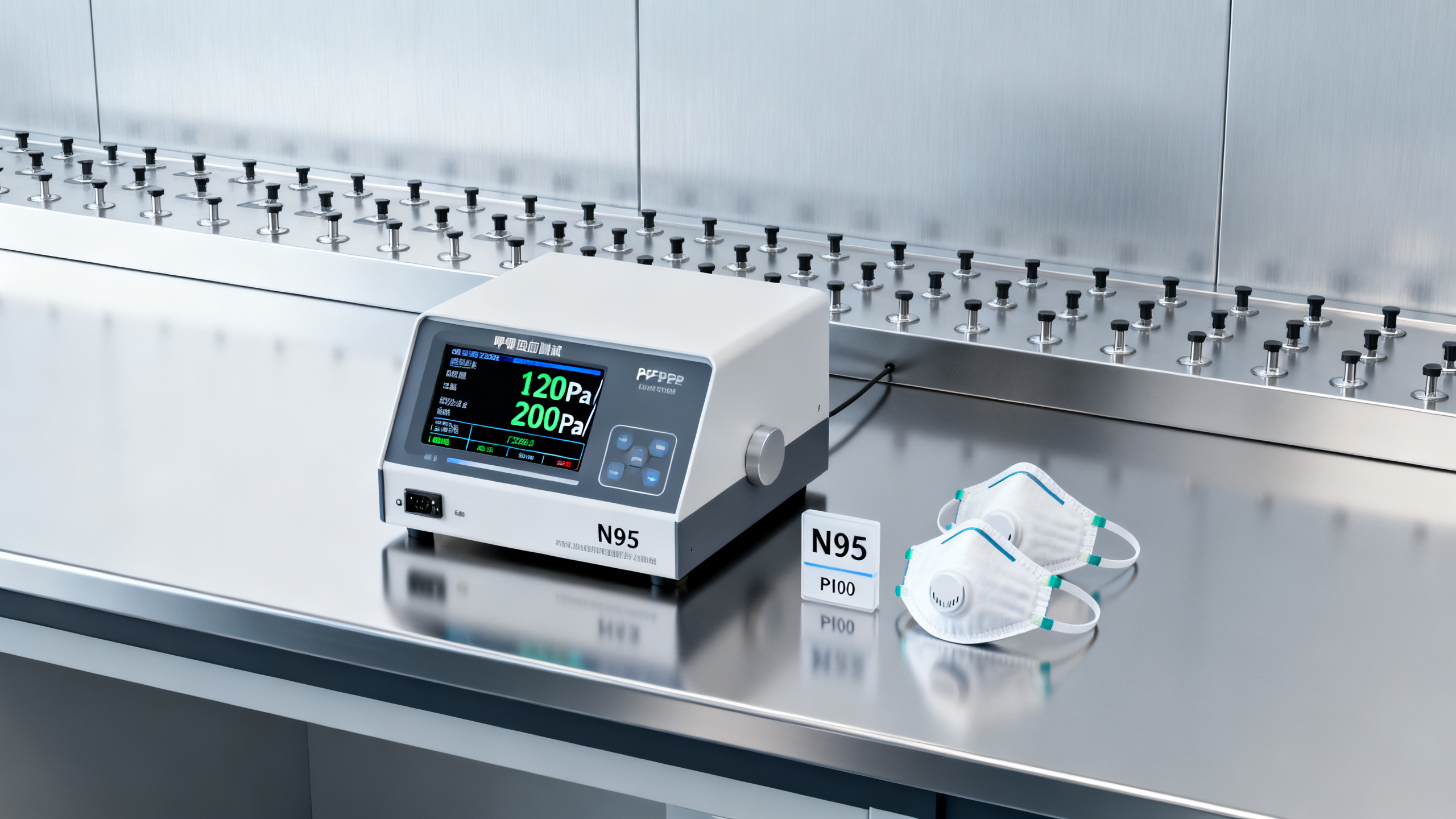
On April 28, 2026, the U.S. Consumer Product Safety Commission (CPSC) issued an emergency amendment to 16 CFR Part 1111.22, tightening inhalation and exhalation resistance limits for industrial particulate-filtering respirators (N95, N99, P100). This change directly impacts exporters of personal protective equipment (PPE) from China — particularly manufacturers, trading companies, and logistics providers serving the North American industrial safety market.
Event Overview
On April 28, 2026, the CPSC published an emergency revision to 16 CFR Part 1111.22. The amendment lowers the maximum allowable inhalation resistance from ≤150 Pa to ≤120 Pa and exhalation resistance from ≤250 Pa to ≤200 Pa for industrial-grade particulate respirators classified as N95, N99, or P100. Effective immediately, all new customs entries into the U.S. must be accompanied by batch-specific respiratory resistance test reports issued by CPSC-recognized laboratories.
Industries Affected by Segment
Direct Export Trading Companies
These firms face immediate customs clearance delays due to the requirement for per-batch resistance testing. Since testing capacity at CPSC-recognized labs is limited — especially among those accepting international submissions — shipment scheduling and documentation timelines are now tightly constrained. Delays may trigger contractual penalties or loss of buyer trust if delivery windows are missed.
Manufacturers of Industrial Respirators (OEM/ODM)
Production planning must now account for mandatory post-manufacturing resistance verification before export. Unlike prior compliance pathways where type-testing sufficed, this rule mandates testing on every production lot. That increases lead time, unit cost, and quality control complexity — especially for facilities without in-house resistance measurement capability.
Raw Material & Component Suppliers
Suppliers of filter media, valve assemblies, and headstrap elastomers may see increased technical inquiries from downstream manufacturers seeking materials that consistently meet the stricter pressure-drop thresholds. While not directly regulated under this rule, material-level consistency becomes a de facto prerequisite for compliant final products.
Supply Chain & Compliance Service Providers
Third-party testing coordinators, customs brokers, and regulatory consultants are experiencing heightened demand for lab coordination, report validation, and entry documentation review. Capacity bottlenecks are emerging, particularly for services involving CPSC-recognized lab access outside the U.S.
What Enterprises and Practitioners Should Monitor and Do Now
Track official CPSC guidance on laboratory recognition status
The list of CPSC-recognized laboratories accepting foreign-submitted samples remains dynamic. Enterprises should verify current eligibility of their chosen lab — including turnaround time, reporting format alignment with CBP requirements, and sample submission protocols — before initiating testing.
Confirm which product SKUs fall under the revised scope
The rule applies specifically to industrial-use respirators bearing N95/N99/P100 classifications. Consumer-grade masks (e.g., non-NIOSH-certified cloth or surgical-style masks) and medical devices regulated by the FDA are excluded. Exporters must ensure accurate product classification and avoid over-compliance on out-of-scope items.
Distinguish between policy signal and operational implementation
Although effective immediately, enforcement discretion during initial rollout is possible. CBP has not yet published updated Automated Commercial Environment (ACE) data field requirements or clarified whether historical test reports can be grandfathered for inventory already en route. Monitoring early CBP release notices and trade advisory bulletins is recommended.
Prepare for short-term supply chain adjustments
Allocate additional buffer time (minimum 7–10 days) between final production and shipment. Pre-verify test report templates with your lab and customs broker to reduce rework risk. Consider consolidating smaller lots into larger batches where feasible — provided internal quality controls support consistent resistance performance across the batch.
Editorial Perspective / Industry Observation
Observably, this amendment signals a shift toward granular, lot-level conformity assurance for high-risk PPE entering the U.S. consumer and occupational markets. Analysis shows it reflects growing CPSC emphasis on real-world usability metrics — not just filtration efficiency — following post-pandemic scrutiny of respirator comfort and workability. It is currently best understood as an enforcement escalation rather than a full regulatory overhaul: no new certification pathway is introduced, and NIOSH approval remains separate. However, its immediate effective date and lack of phase-in period suggest CPSC intends rapid behavioral impact on supply chain practices. Continued monitoring is warranted — especially for potential alignment with upcoming revisions to ASTM F2100 or ISO 16900 series standards.
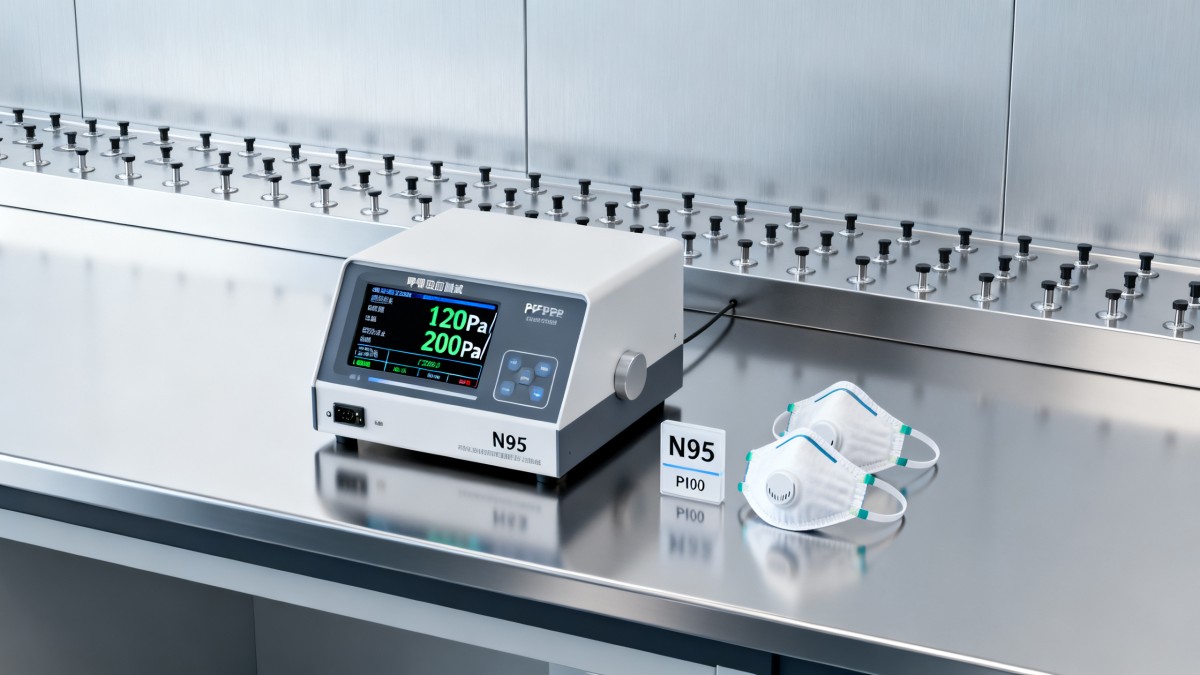
Conclusion: This update does not alter fundamental respirator design or certification frameworks, but it introduces a new operational checkpoint for exporters. Its significance lies less in technical novelty and more in executional rigor — requiring tighter integration between manufacturing, testing, and customs functions. For affected stakeholders, the current priority is procedural adaptation, not strategic reassessment.
Source: U.S. Consumer Product Safety Commission (CPSC), Emergency Amendment to 16 CFR Part 1111.22, published April 28, 2026. Note: CPSC’s official implementation guidance, including updated lab recognition lists and ACE filing instructions, remains under observation and is subject to further notice.
Technical Specifications
- 6th National Auto Standards Committee Launched, Impacts Optical Test Equipment ExportAuthor :Precision Metrology Expert
- Copper Price Surge Impacts Industrial Components BOM CostsAuthor :Grid Infrastructure Analyst
- EU CE Update: ULPA Filters Require MVR Testing from Jan 2027Author :Environmental Engineering Director
Expert Insights

Chief Security Architect
Dr. Thorne specializes in the intersection of structural engineering and digital resilience. He has advised three G7 governments on industrial infrastructure security.
Related Analysis
- Apr 29, 20266th National Auto Standards Committee Launched, Impacts Optical Test Equipment ExportAuthor :Precision Metrology Expert
- Apr 29, 2026Copper Price Surge Impacts Industrial Components BOM CostsAuthor :Grid Infrastructure Analyst
- Apr 29, 2026EU CE Update: ULPA Filters Require MVR Testing from Jan 2027Author :Environmental Engineering Director
Core Sector // 01
Security & Safety
- CPSC Tightens Respiratory Resistance Standards for N95/P100 PPEAuthor :Safety Compliance Lead

- Wholesale Safety Padlocks: What to Look ForAuthor :Safety Compliance Lead

- How to Place Eye Wash Stations IndustrialAuthor :Safety Compliance Lead

- CPSC Urgent Recall: ASTM F3502-23 Respiratory Resistance Re-Testing Required for Industrial PPE MasksAuthor :Safety Compliance Lead
![]()
- CPSC Mandates ASTM F3502-23 Respiratory Resistance Re-testing for Industrial Dust MasksAuthor :Safety Compliance Lead
![]()
- Breathability vs protection in safety equipmentAuthor :Safety Compliance Lead

- EU PPE Regulation (EU) 2026/789 Enforces Dual CE+UKCA for Chinese ExportsAuthor :Safety Compliance Lead
![]()
- Automatic hand sanitizers with sensors or pedals?Author :Safety Compliance Lead