Dry chemical fire extinguishers and clean-up costs after discharge
Author
Date Published
Reading Time
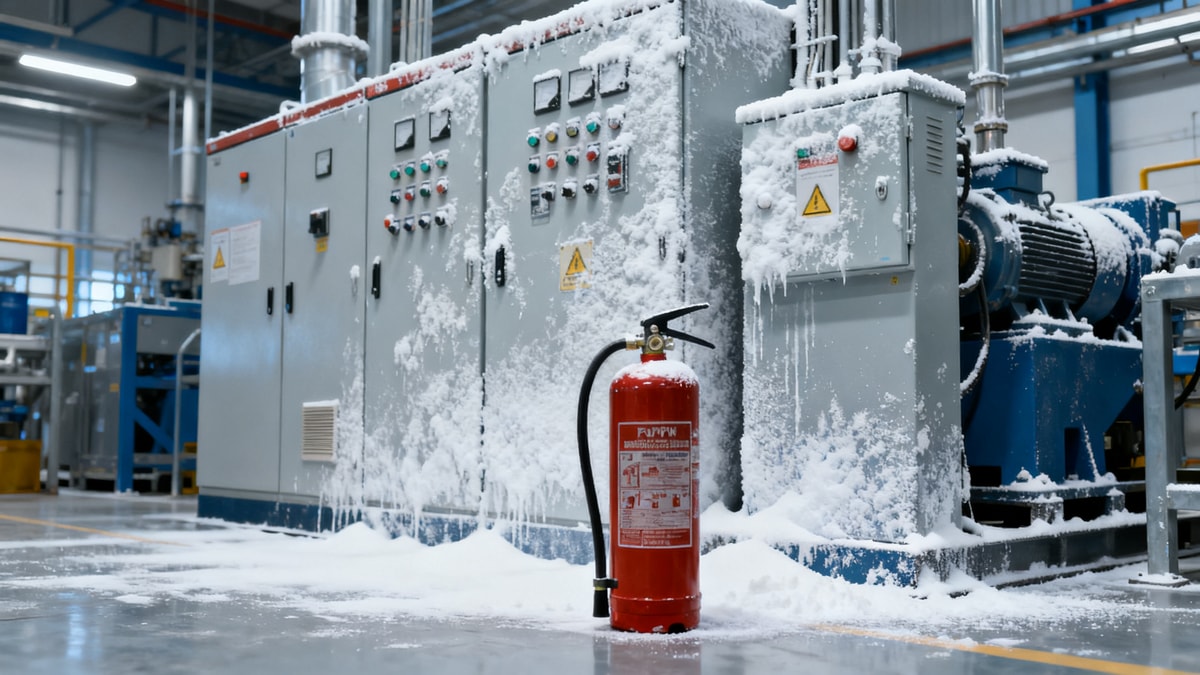
When dry chemical fire extinguishers are discharged, the immediate fire risk may be contained, but the hidden costs of residue removal, equipment downtime, and compliance follow-up can escalate quickly. For industrial decision-makers, understanding clean-up costs after discharge is essential to protecting assets, maintaining operational continuity, and making smarter fire safety investments.
Understanding the cost issue behind dry chemical fire extinguishers
Dry chemical fire extinguishers are among the most common fire protection tools across factories, warehouses, utility rooms, logistics hubs, construction sites, and mixed-use industrial facilities. They are valued because they act quickly, can suppress multiple fire classes, and are relatively economical to deploy at scale. However, the discharge event is only the beginning of the cost story. After the powder settles, companies may face residue removal, damaged electronics, halted production, contractor callouts, waste handling, inspection requirements, and equipment replacement.
For business leaders, the topic matters because clean-up costs after dry chemical fire extinguishers are often underestimated during risk planning. In many industrial settings, the secondary effects of powder contamination may exceed the purchase price of the extinguisher many times over. This is especially true where precision instruments, electrical panels, motors, ventilation systems, food-contact zones, or sensitive finished goods are involved.
From a strategic perspective, Global Industrial Core’s audience should view this issue as part of broader operational resilience. Fire safety is not only about extinguishing flames; it is also about restoring a compliant, safe, and productive environment with minimal interruption. That is why the true lifecycle value of dry chemical fire extinguishers must include post-discharge consequences.
What creates clean-up costs after discharge
The residue from dry chemical fire extinguishers typically consists of fine powder agents such as monoammonium phosphate or sodium bicarbonate-based compounds. These materials are effective in suppressing fire because they interrupt the chemical reaction of combustion. Yet once released, the same fine particles spread quickly into surfaces, seams, ducts, control enclosures, and machinery openings. The result is a layered clean-up challenge that goes beyond sweeping visible dust.
Several cost drivers are common. First is labor. Internal maintenance teams may spend hours or days isolating the area, vacuuming with suitable filtration, wiping surfaces, and removing contaminated consumables. Second is technical remediation. Sensitive systems may require specialist cleaning contractors or OEM-approved service providers. Third is downtime. Even a small extinguisher discharge near a production line or switchgear room can pause operations until inspection confirms safe restart. Fourth is compliance. Facilities may need incident documentation, extinguisher recharge or replacement, fire system review, and environmental or housekeeping verification.
Another overlooked factor is corrosive or abrasive risk over time. If residue remains on metal surfaces, printed circuit boards, electrical contacts, bearings, or air handling components, it may contribute to later failure. That means some expenses appear days or weeks after the incident rather than on the day of discharge.
Why industrial sectors pay closer attention
In industrial environments, fire suppression choices interact directly with asset density and process continuity. A small office area may only need routine cleaning after dry chemical fire extinguishers are used. A manufacturing plant, by contrast, may need contamination mapping, shutdown coordination, lockout procedures, ventilation assessment, and post-event testing. The difference is not the extinguisher alone; it is the complexity of the environment.
This is why EPC contractors, facility managers, and procurement directors increasingly examine extinguishing media based on total operational impact. In power distribution spaces, powder residue can enter breakers and relays. In instrumentation-heavy facilities, fine particles can affect calibration reliability. In food and pharmaceutical operations, contamination concerns may trigger lot disposal or controlled sanitization. In metallurgy and mechanical workshops, residue may mix with lubricants and dust, making machinery restoration more difficult.
For enterprise decision-makers, the lesson is clear: the clean-up burden of dry chemical fire extinguishers is not a minor housekeeping issue. It is part of risk engineering, asset protection, and continuity management.
Typical post-discharge cost categories
A practical way to evaluate dry chemical fire extinguishers is to break post-discharge expense into categories that can be budgeted, insured, or reduced through planning. The table below outlines the most common cost areas seen in industrial settings.
How costs differ by facility type
Not every discharge of dry chemical fire extinguishers creates the same financial effect. Decision-makers should assess risk by environment, not by extinguisher count alone. Facilities with clean processes, electronics concentration, or strict quality control usually face higher restoration costs than rough-service or open-air operations.
Business value of evaluating clean-up costs early
A mature fire safety strategy does not reject dry chemical fire extinguishers outright. In many scenarios, they remain the correct and compliant choice. The value comes from matching extinguisher type to asset profile and consequence level. This is where lifecycle thinking becomes useful for procurement and safety leadership.
When companies estimate clean-up costs in advance, they can make better decisions in at least four ways. First, they can zone facilities more intelligently, reserving dry chemical fire extinguishers for robust areas while considering cleaner agents for sensitive spaces where allowed by code and hazard class. Second, they can improve incident readiness by stocking proper clean-up tools, PPE, HEPA-capable vacuums, and service contracts. Third, they can refine insurance and business continuity assumptions using realistic downtime scenarios. Fourth, they can strengthen total cost of ownership analysis rather than focusing only on initial extinguisher price.
For industrial groups with international operations, this discipline also supports better governance. It aligns fire protection decisions with reliability engineering, EHS performance, and audit readiness—areas increasingly tied to board-level risk oversight.
Practical considerations before and after a discharge event
To manage the aftermath of dry chemical fire extinguishers effectively, organizations should create a simple but robust framework. Before any event, map sensitive assets located near extinguishers, document shutdown dependencies, and identify which areas would require specialist remediation. Include controls for electronics, laboratory instruments, quality-controlled materials, and ventilation intakes.
After discharge, the first priority remains safety: confirm the fire is out, isolate energy where required, and prevent re-entry until the area is stable. The second priority is contamination control. Avoid dry sweeping that redistributes fine particles. Use approved cleaning methods and engage equipment manufacturers when residue contacts critical systems. The third priority is evidence-based restart. Facilities should verify cleanliness, inspect function, and document any residual risk before returning systems to operation.
It is also important to replace or recharge discharged units promptly and review whether extinguisher placement, staff training, or media selection should be adjusted. A post-incident review should ask not only whether the extinguisher worked, but whether the total business outcome was acceptable.
FAQ for decision-makers
Are dry chemical fire extinguishers always expensive to clean up after?
No. In basic storage or open industrial areas, clean-up may be manageable. Costs rise when powder enters sensitive equipment, contaminates products, or causes extended downtime.
Should companies avoid dry chemical fire extinguishers completely?
Not necessarily. Dry chemical fire extinguishers remain highly effective and widely appropriate. The better approach is hazard-based placement combined with awareness of post-discharge consequences.
What is the biggest hidden cost after discharge?
In many industrial operations, downtime is the largest hidden cost, especially when contamination affects production equipment, electrical infrastructure, or quality-controlled inventory.
A more resilient approach to extinguisher planning
For enterprise leaders, the lesson is not simply that dry chemical fire extinguishers create residue. It is that residue has operational, technical, and financial meaning. The most effective fire safety programs consider suppression performance and restoration burden together. By evaluating likely clean-up costs after discharge, organizations can protect people without overlooking asset sensitivity, uptime commitments, and compliance demands.
If your facilities include critical electrical systems, precision instruments, regulated production zones, or high-value mechanical assets, now is the right time to review extinguisher zoning, clean-up readiness, and post-incident protocols. A smarter plan today can reduce restoration costs tomorrow while strengthening the safety and resilience of the industrial environments your business depends on.
Technical Specifications
Expert Insights

Chief Security Architect
Dr. Thorne specializes in the intersection of structural engineering and digital resilience. He has advised three G7 governments on industrial infrastructure security.
Related Analysis
- May 01, 2026PTZ dome camera placement mistakes that waste zoom performanceAuthor :Safety Compliance Lead
- May 01, 2026Biometric access control systems: where integration gets expensiveAuthor :Safety Compliance Lead
- May 01, 2026Facial recognition door lock accuracy drops in these common settingsAuthor :Safety Compliance Lead
Core Sector // 01
Security & Safety
- Dry chemical fire extinguishers and clean-up costs after dischargeAuthor :Safety Compliance Lead

- CO2 fire extinguishers wholesale: refill logistics often overlookedAuthor :Safety Compliance Lead

- Fire hydrant valves: signs the material grade is not enoughAuthor :Safety Compliance Lead

- Why fire hose reel cabinets fail early in humid locationsAuthor :Safety Compliance Lead

- Wholesale fire alarm panels: compatibility issues to check firstAuthor :Safety Compliance Lead

- Smoke detectors bulk orders: where false alarm costs add upAuthor :Safety Compliance Lead

- When heat detectors OEM support matters more than unit costAuthor :Safety Compliance Lead

- Emergency exit lights LED: battery backup mistakes to avoidAuthor :Safety Compliance Lead