TÜV SÜD Launches China Optical Equipment Fast-Track Pre-Review
Author
Date Published
Reading Time
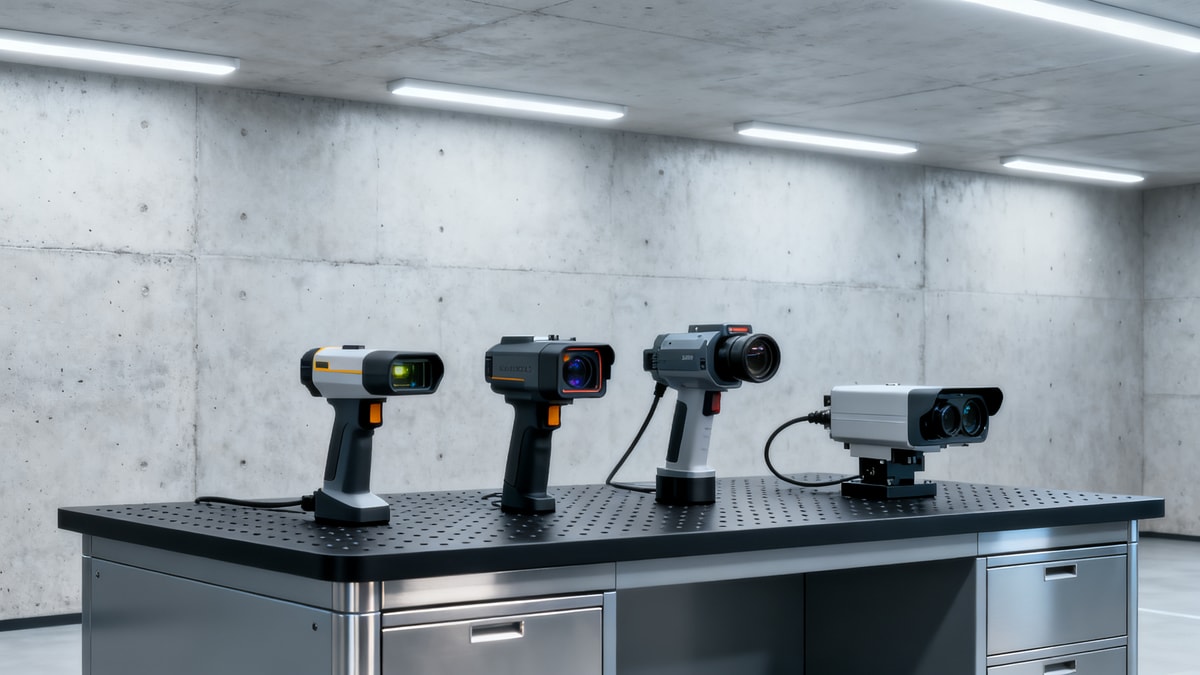
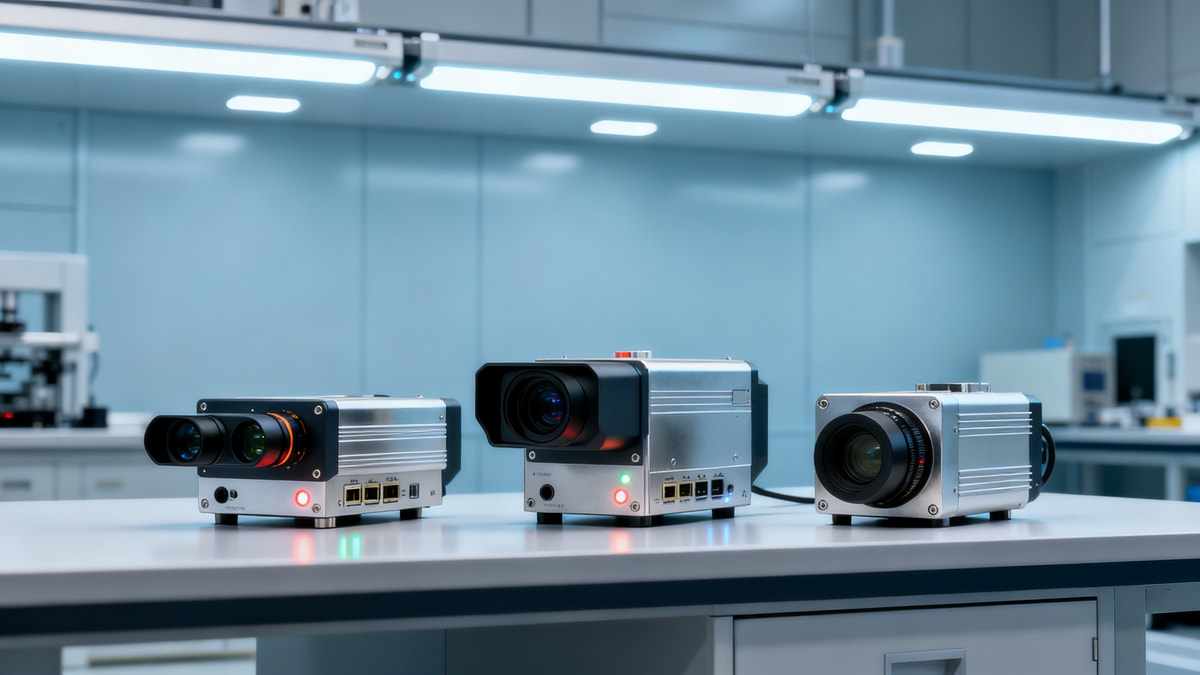
On April 29, 2026, TÜV SÜD announced the launch of its ‘Optical Safety Pre-Review Green Channel’ for Chinese manufacturers of industrial optical equipment—including laser distance meters, infrared thermal imagers, and industrial endoscopes. This initiative reduces pre-review turnaround from 15 to 5 working days for products compliant with IEC 62471 (photobiological safety) and IEC 61000-6-4 (EMC emissions), and accepts technical documentation in Chinese. The move directly affects exporters targeting EU markets and signals a shift in regulatory access pathways for precision optical hardware.
Event Overview
On April 29, 2026, TÜV SÜD officially launched the ‘Optical Safety Pre-Review Green Channel’ for Chinese manufacturers of industrial optical equipment. Eligible products include laser distance meters, infrared thermal imagers, and industrial endoscopes. The service applies specifically to assessments against IEC 62471 and IEC 61000-6-4. Pre-review duration is now capped at 5 working days—down from the previous 15—and technical documentation submitted in Chinese is accepted without translation.
Industries Affected
Direct Exporters of Industrial Optical Equipment
These companies face compressed timelines between product readiness and EU market entry. The shortened pre-review window reduces time-to-certification risk but increases pressure on internal documentation quality and test-readiness planning. Delays in internal validation or incomplete submissions may offset the 10-day gain.
Contract Manufacturers & ODMs Serving Optical OEMs
ODMs producing under private labels for EU-bound brands must align design and testing protocols earlier in development cycles. Since pre-review now occurs faster—but still requires full compliance—their role shifts toward embedded standards awareness, particularly around photobiological hazard classification and conducted/radiated EMC margins.
Supply Chain Service Providers (e.g., Certification Consultants, Lab Coordination Firms)
Service providers handling documentation preparation, test scheduling, or liaison with Notified Bodies must adapt workflows to support Chinese-language submission and tighter review windows. Their value proposition increasingly hinges on pre-submission gap analysis—not just post-submission follow-up.
What Relevant Enterprises or Practitioners Should Focus On
Monitor official scope definitions and eligibility criteria
The current announcement specifies three device categories and two standards. Analysis shows that eligibility is not automatic for all optical devices: only those explicitly listed—and confirmed to fall under the cited IEC editions—are covered. Companies should verify whether their specific model classifications (e.g., Risk Group per IEC 62471) meet the channel’s acceptance thresholds before applying.
Prioritize documentation readiness over speed assumptions
Observably, the 5-working-day timeline applies only after complete, compliant documentation is received. In practice, delays most commonly arise from inconsistent labeling, missing test reports, or ambiguous optical radiation data. Firms should conduct internal pre-checks using TÜV SÜD’s publicly available checklist—before submission—to avoid rework cycles.
Distinguish between pre-review and full certification
This green channel covers only the pre-review phase—not type testing, factory inspection, or CE marking issuance. From an industry perspective, it streamlines one step within a broader conformity assessment pathway. Companies must continue allocating resources for full EU certification, including notified body involvement where required.
Prepare for potential language-handling dependencies
While Chinese documentation is accepted, final EU technical files must still comply with EU requirements—including English summaries for certain modules. Current more suitable preparation includes bilingual drafting (Chinese + English) from early design stages, rather than deferring translation until post-pre-review.
Editorial Perspective / Industry Observation
This initiative is best understood as a procedural signal—not a regulatory change. It reflects growing demand from Chinese optical hardware exporters and TÜV SÜD’s operational capacity to scale localized support. Observably, it does not relax technical requirements; it compresses administrative latency. From an industry angle, its significance lies less in immediate cost reduction and more in predictability: consistent 5-day feedback enables better planning for parallel activities (e.g., packaging design, distributor onboarding). However, its long-term impact depends on uptake volume and whether similar fast-track options emerge for other standards (e.g., IEC 61000-6-2 immunity) or other conformity assessment bodies.
It is not yet a de facto standard—but rather a pilot-aligned service extension. Its sustainability will hinge on audit outcomes and client adherence rates. Industry stakeholders should treat it as a time-optimization tool, not a certification shortcut.
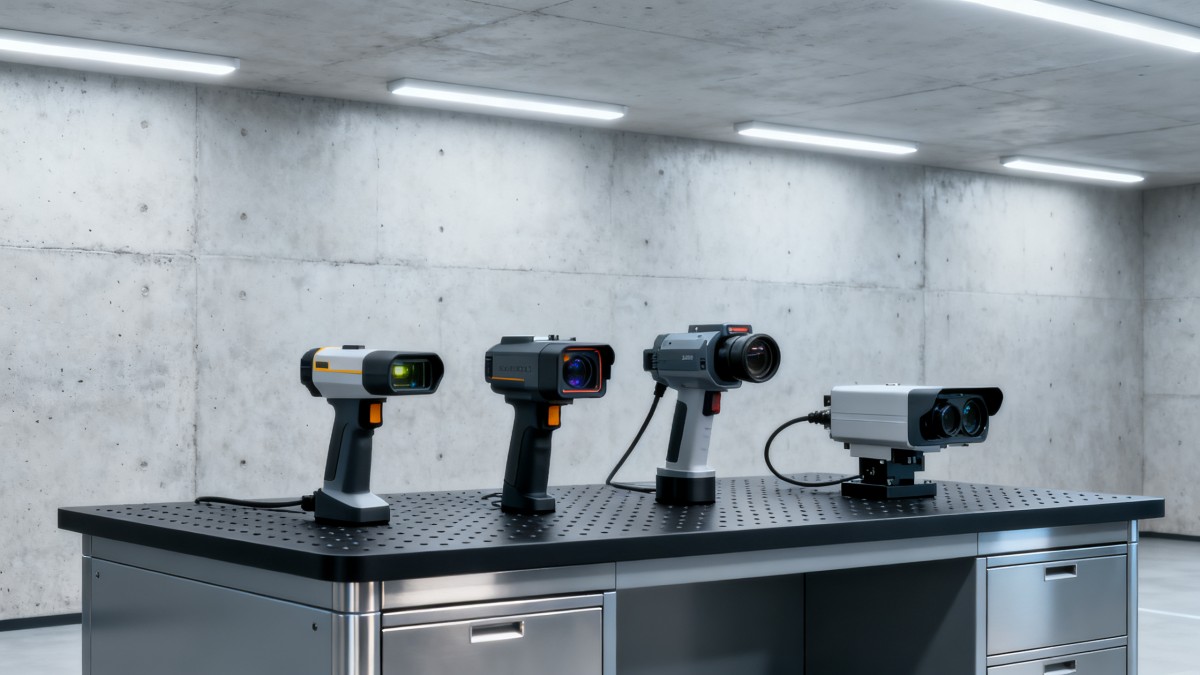
In summary, TÜV SÜD’s green channel introduces a measurable efficiency gain for a defined subset of Chinese industrial optical exporters—but only when aligned with disciplined documentation practices and realistic expectations about the full EU conformity process. It signals increasing institutional responsiveness to regional manufacturing maturity, yet remains operationally bounded by existing technical and regulatory frameworks.
Source: Official announcement by TÜV SÜD, April 29, 2026.
Note: Scope limitations (device types, standards, language acceptance) are confirmed per the original release. Expansion to additional standards or product categories remains unconfirmed and is subject to future updates.
Technical Specifications
- Indonesia Opens Bearing & Seal Manufacturing to 100% FDIAuthor :Heavy Industry Strategist
- SASO Extends AI Water Module Cybersecurity Deadline to Oct 2026Author :Environmental Engineering Director
- Copper Price Surges 4.1% to Record High in 2026; Impacts BOM Costs for Cable & Transformer MakersAuthor :Grid Infrastructure Analyst
Expert Insights

Chief Security Architect
Dr. Thorne specializes in the intersection of structural engineering and digital resilience. He has advised three G7 governments on industrial infrastructure security.
Related Analysis
- May 02, 2026Indonesia Opens Bearing & Seal Manufacturing to 100% FDIAuthor :Heavy Industry Strategist
- May 02, 2026SASO Extends AI Water Module Cybersecurity Deadline to Oct 2026Author :Environmental Engineering Director
- May 02, 2026Copper Price Surges 4.1% to Record High in 2026; Impacts BOM Costs for Cable & Transformer MakersAuthor :Grid Infrastructure Analyst
Core Sector // 01
Security & Safety
- TÜV SÜD Launches China Optical Equipment Fast-Track Pre-ReviewAuthor :Precision Metrology Expert

- TÜV SÜD Launches China Industrial Optical Equipment Fast-Track CE ReviewAuthor :Precision Metrology Expert

- New Drone EMC Standard GB/T 44739-2026 Takes Effect May 1, 2026Author :Precision Metrology Expert

- TÜV SÜD Launches China Industrial Optics Fast TrackAuthor :Precision Metrology Expert

- DIN EN 61000-4-3:2026-04 Enforces Stricter EMC Immunity for Industrial Optical Inspection EquipmentAuthor :Precision Metrology Expert

- TÜV Rheinland Tightens RF Immunity for Laser Interferometers to 4.5 V/mAuthor :Precision Metrology Expert

- TÜV Rheinland Tightens RF Immunity for Laser Interferometers to 4.5 V/mAuthor :Precision Metrology Expert
![]()
- TÜV Rheinland Updates EMC Guide for Industrial Optical EquipmentAuthor :Precision Metrology Expert
![]()