New Drone EMC Standard GB/T 44739-2026 Takes Effect May 1, 2026
Author
Date Published
Reading Time
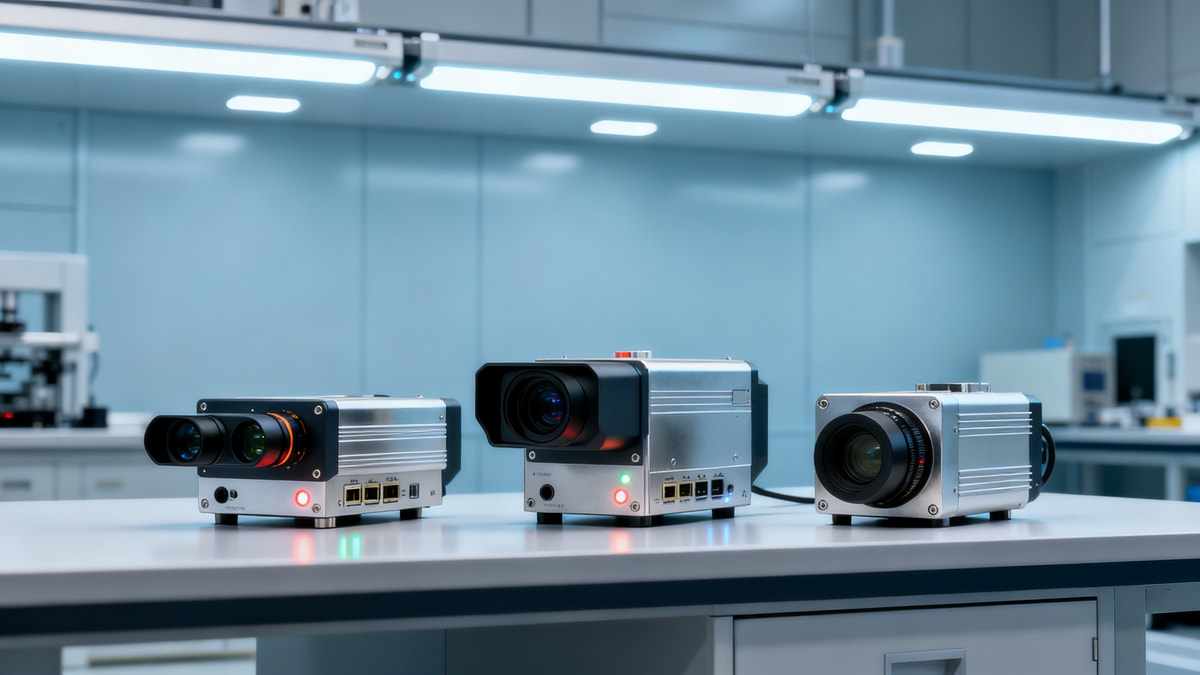
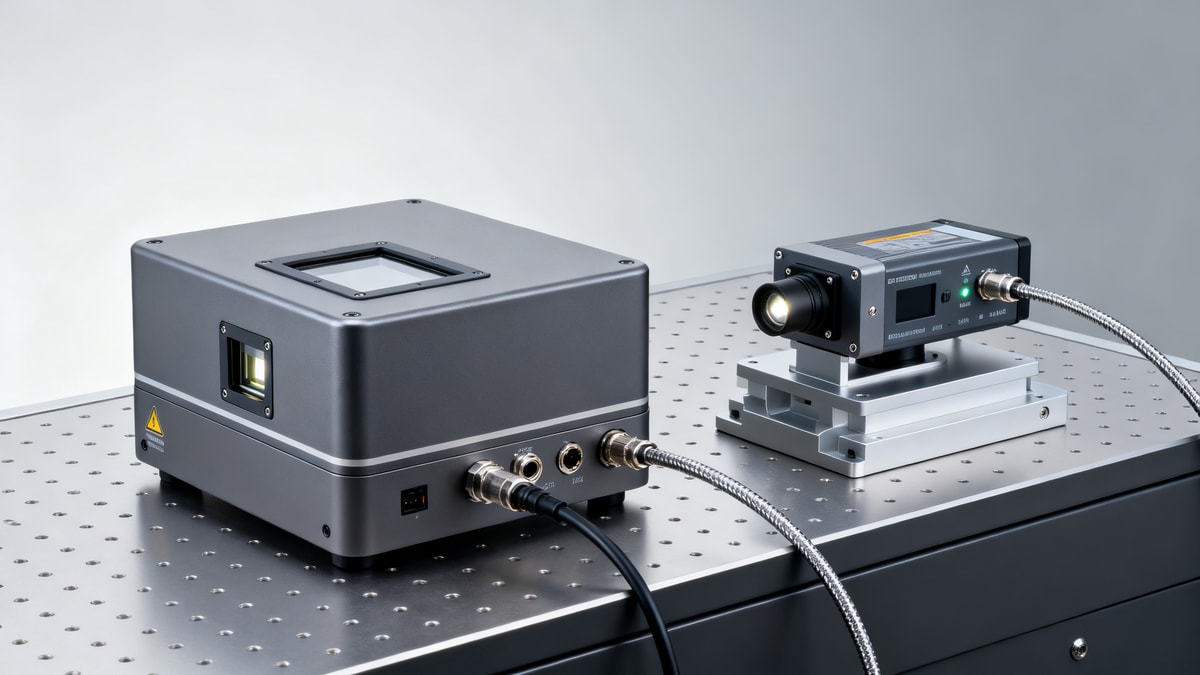
Effective May 1, 2026, China’s newly implemented national standard GB/T 44739-2026 — Civil Unmanned Aircraft System Electromagnetic Compatibility Requirements — introduces mandatory electromagnetic compatibility (EMC) testing for industrial optical equipment operating in frequency bands overlapping with drone remote control and video transmission systems. This update directly affects manufacturers of laser dust analyzers, infrared thermal imaging inspection devices, and industrial laser distance measurement modules — particularly those exporting to high-drone-penetration markets including the United States, Japan, South Korea, and the United Arab Emirates.
Event Overview
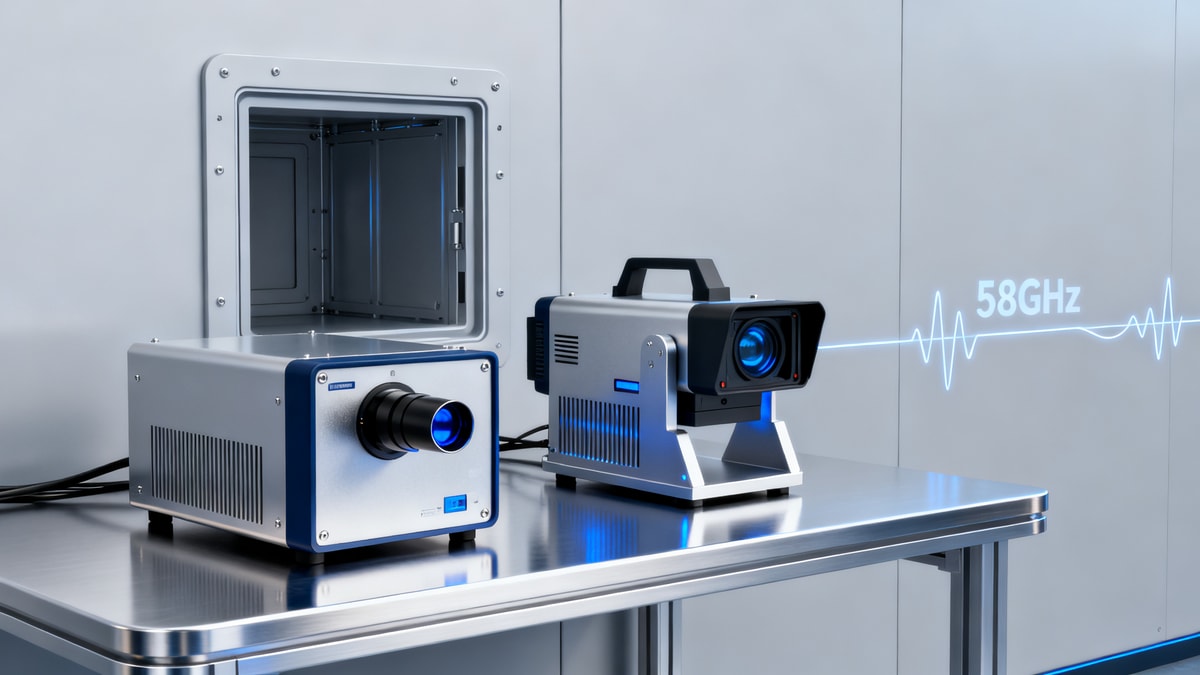
GB/T 44739-2026 becomes effective on May 1, 2026. The standard mandates that all industrial optical detection equipment whose operating frequency bands overlap with those used by civilian drone remote control or real-time video transmission must pass a newly introduced test: the ‘Dynamic RF Interference Coexistence Test’. This test evaluates device performance under realistic airborne RF interference conditions — simulating concurrent operation with drones in shared spectrum environments. Compliance is required for domestic market access in China and is a prerequisite for export certification to targeted overseas markets.
Industries Affected by the New Requirement
Industrial Optical Equipment Manufacturers
Manufacturers of laser-based particulate monitors, handheld infrared thermal imagers, and embedded laser rangefinders are directly impacted because their products now fall under expanded EMC scope. The requirement applies specifically when such devices operate in frequency bands overlapping with common drone control (e.g., 2.4 GHz, 5.8 GHz) or telemetry bands. Impact includes extended product development timelines, added third-party lab validation costs, and potential redesigns to meet coexistence thresholds.
Export-Oriented Electronics OEMs and ODMs
OEMs and ODMs supplying optical sensing modules to global drone-integrated systems (e.g., infrastructure inspection platforms, precision agriculture hardware) face new compliance gates. Their customers — especially in the U.S., Japan, South Korea, and UAE — may now require evidence of dynamic coexistence testing as part of procurement or platform integration approvals. Failure to provide valid test reports could delay system certifications or exclude modules from tendered projects.
EMC Testing Laboratories and Certification Bodies
Laboratories accredited for GB/T 17626-series EMC testing must now validate capability for the new ‘dynamic射频干扰共存测试’ — including calibrated drone-simulated RF stimulus generation and synchronized functional performance monitoring during interference exposure. Accreditation scope updates and method validation will be necessary before issuing compliant reports under GB/T 44739-2026.
What Relevant Enterprises or Practitioners Should Focus On and How to Respond
Confirm applicability based on actual operating frequencies — not just product category
Not all optical devices are affected. Enterprises should first verify whether their specific model operates in bands overlapping with regulated drone communication frequencies (e.g., 2.400–2.4835 GHz, 5.725–5.850 GHz). Devices using licensed bands (e.g., 905 nm pulsed lasers with no RF transmitter) or non-overlapping ISM sub-bands may remain outside scope. Frequency labeling and technical documentation must be reviewed case by case.
Prioritize testing for models destined to high-drone-penetration export markets
Since the standard explicitly references export readiness for the U.S., Japan, South Korea, and UAE, companies should triage product lines: begin coexistence testing first for models already certified or planned for CE, FCC, or local telecom authority approvals in these jurisdictions. Avoid blanket retesting; focus on models with known drone-coexistence use cases (e.g., tower inspection thermography, construction site LiDAR mapping).
Engage accredited labs early to assess test capacity and lead time
Dynamic coexistence testing requires specialized RF simulation setups and drone motion emulation protocols. As of mid-2025, only a limited number of CNAS-accredited labs have published validated procedures for this test. Companies should contact labs now to confirm availability, required documentation (e.g., drone flight profile specs, device duty cycle data), and typical turnaround (currently estimated at 3–5 weeks per configuration).
Review and update technical files for conformity assessment
Technical documentation submitted for CCC marking (where applicable) or export declarations must now include test reports referencing GB/T 44739-2026 Clause 6.3 (Dynamic RF Interference Coexistence). Existing EMC reports citing older standards (e.g., GB/T 17626.3, GB/T 17626.11) do not satisfy this requirement. Internal quality records and declaration templates should be revised accordingly ahead of May 2026.
Editorial Perspective / Industry Observation
This standard does not introduce new emission or immunity limits — rather, it adds a scenario-based functional verification layer. Analysis shows it reflects a broader regulatory shift toward system-level interoperability, moving beyond component-level EMC to address real-world spectrum sharing challenges. Observably, GB/T 44739-2026 functions less as an immediate barrier and more as a signal: regulators are formalizing expectations for electromagnetic coexistence in increasingly dense wireless environments. From an industry perspective, its enforcement signals growing alignment between China’s drone ecosystem governance and international best practices — particularly those emerging in ETSI and RTCA working groups on UAS spectrum resilience. Current implementation remains dependent on lab readiness and harmonized test methodology adoption; full operational impact will likely unfold over Q3–Q4 2026.
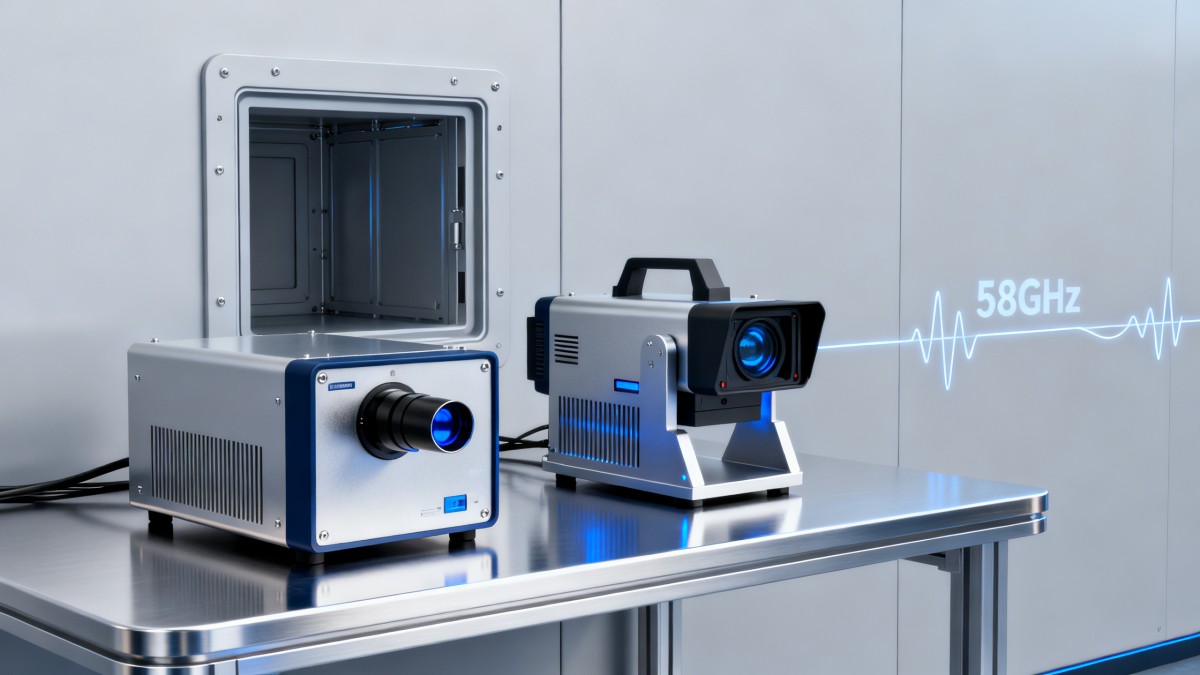
Conclusively, GB/T 44739-2026 marks a procedural evolution in EMC compliance — not a technical overhaul. It underscores that electromagnetic compatibility is increasingly defined by operational context, not just static parameters. For affected enterprises, the most pragmatic interpretation is not ‘compliance urgency’, but ‘coexistence awareness’: verifying how their devices behave alongside drones is now a documented, auditable step — one that supports both domestic market access and credible positioning in globally competitive industrial sensing markets.
Source: Official release of GB/T 44739-2026 by Standardization Administration of the People’s Republic of China (SAC), published April 2025; public notice on mandatory implementation date issued via SAC Announcement No. 12/2025.
Note: Lab accreditation status and detailed test protocol harmonization remain under observation as of June 2025.
Technical Specifications
- ILAC Recognizes CNAS Bearing Vibration ReportsAuthor :Heavy Industry Strategist
- ESMA Mandates EN 14181 QA/QC Level 3 for Industrial Water Sensors in UAEAuthor :Environmental Engineering Director
- JIS T 8201-2026 Enforces New Low-Temp Impact Test for Fire Respirator MasksAuthor :Safety Compliance Lead
Expert Insights

Chief Security Architect
Dr. Thorne specializes in the intersection of structural engineering and digital resilience. He has advised three G7 governments on industrial infrastructure security.
Related Analysis
- May 01, 2026ILAC Recognizes CNAS Bearing Vibration ReportsAuthor :Heavy Industry Strategist
- May 01, 2026ESMA Mandates EN 14181 QA/QC Level 3 for Industrial Water Sensors in UAEAuthor :Environmental Engineering Director
- May 01, 2026JIS T 8201-2026 Enforces New Low-Temp Impact Test for Fire Respirator MasksAuthor :Safety Compliance Lead
Core Sector // 01
Security & Safety
- TÜV SÜD Launches China Industrial Optical Equipment Fast-Track CE ReviewAuthor :Precision Metrology Expert

- New Drone EMC Standard GB/T 44739-2026 Takes Effect May 1, 2026Author :Precision Metrology Expert

- TÜV SÜD Launches China Industrial Optics Fast TrackAuthor :Precision Metrology Expert

- DIN EN 61000-4-3:2026-04 Enforces Stricter EMC Immunity for Industrial Optical Inspection EquipmentAuthor :Precision Metrology Expert

- TÜV Rheinland Tightens RF Immunity for Laser Interferometers to 4.5 V/mAuthor :Precision Metrology Expert

- TÜV Rheinland Tightens RF Immunity for Laser Interferometers to 4.5 V/mAuthor :Precision Metrology Expert
![]()
- TÜV Rheinland Updates EMC Guide for Industrial Optical EquipmentAuthor :Precision Metrology Expert
![]()
- TÜV Rheinland Updates EMC Guide: RF Immunity for Industrial Optical Inspection DevicesAuthor :Precision Metrology Expert
![]()