SABIC Adds 3 Chinese Industrial Optics Devices to Saudi Safety White List
Author
Date Published
Reading Time

Saudi Basic Industries Corporation (SABIC) updated its Industrial Facilities Safety Compliance Equipment White List on April 21, 2026, introducing a ‘fast-track clearance + no secondary inspection’ channel for three categories of Chinese-made industrial optical inspection equipment. This development directly affects stakeholders in the petrochemical, refining, and industrial automation sectors operating in or exporting to Saudi Arabia — as it materially shortens delivery timelines for critical inspection hardware deployed in high-risk process environments.
Event Overview
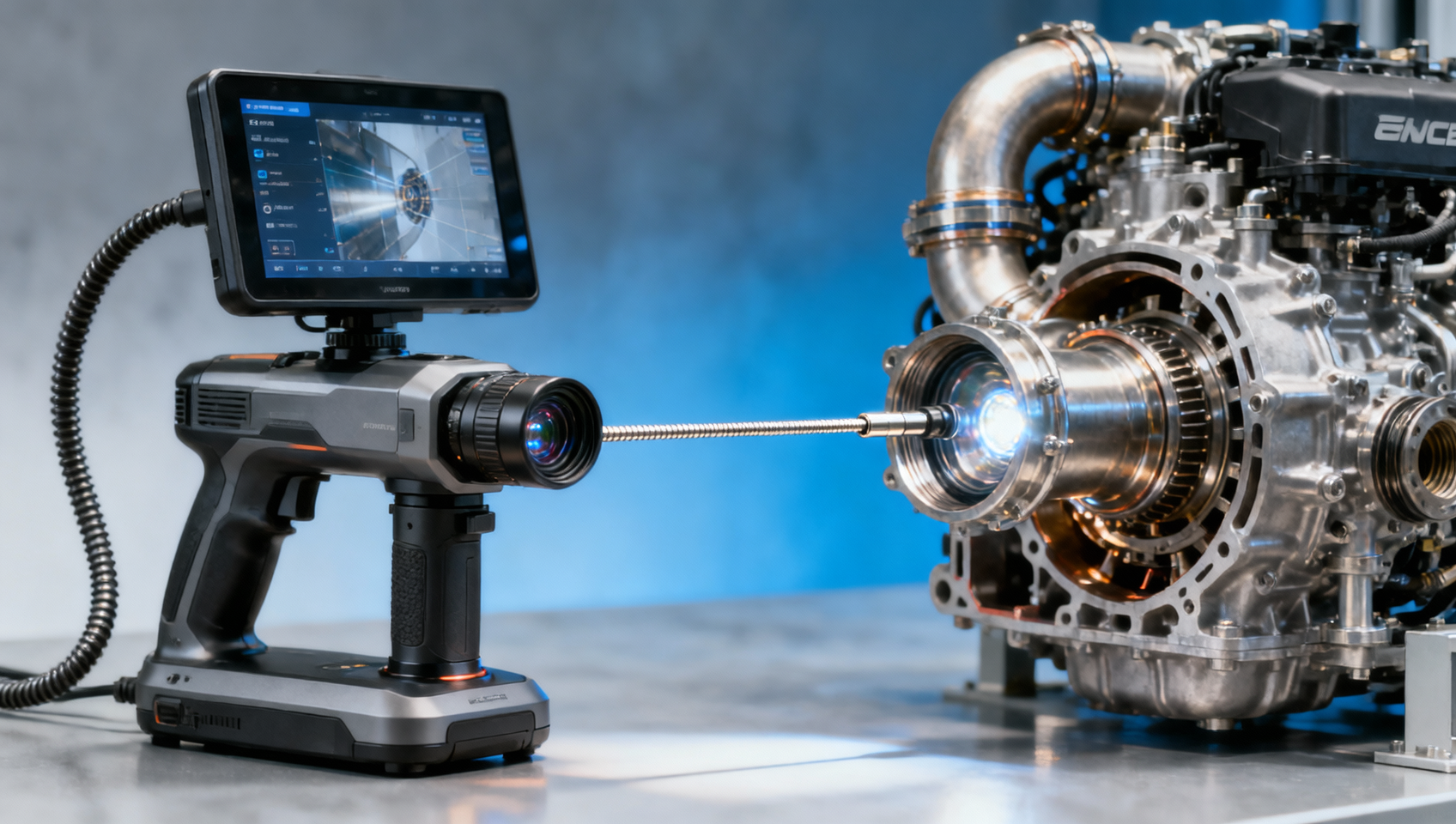
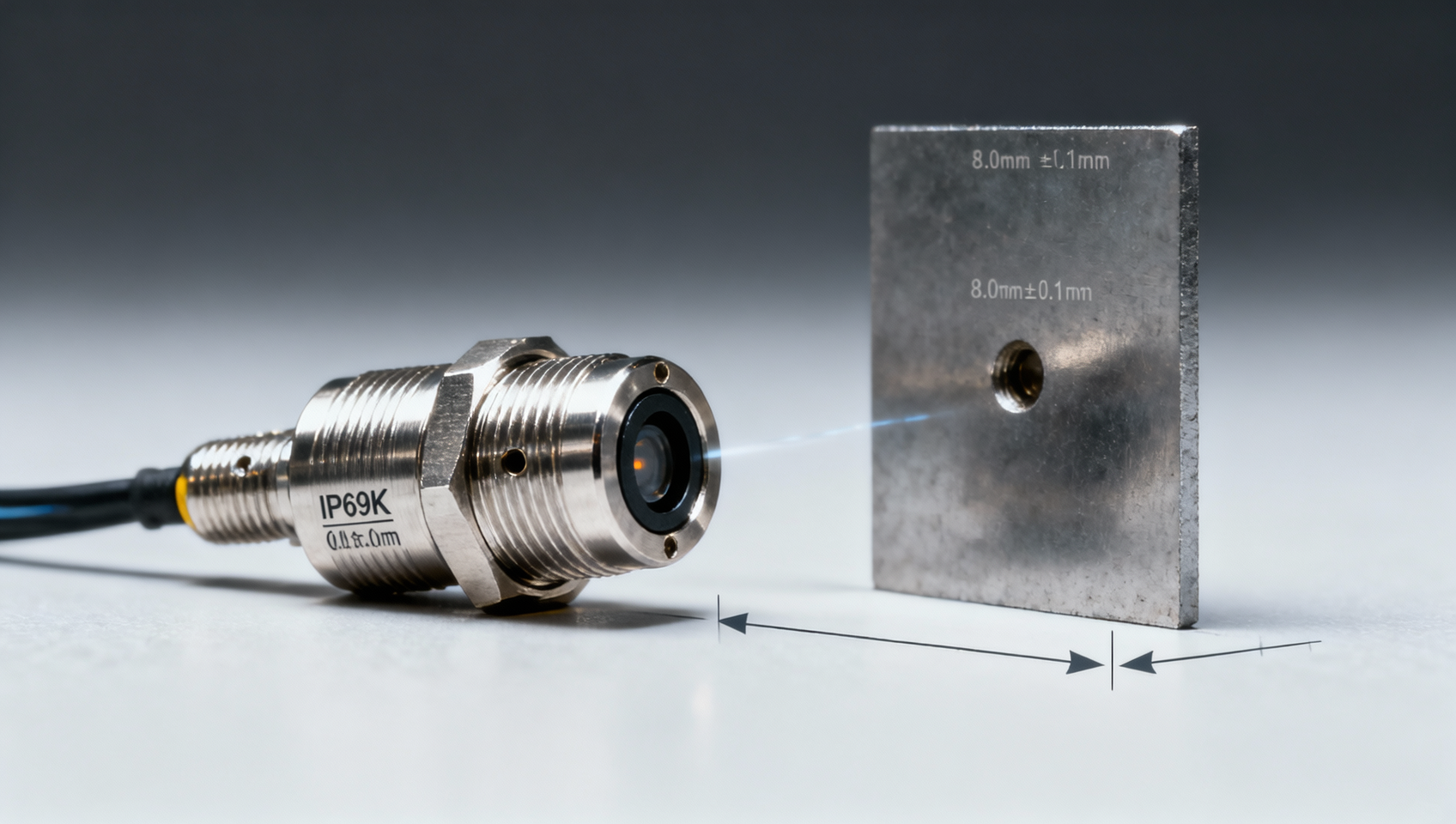
On April 21, 2026, SABIC published an update to its official Industrial Facilities Safety Compliance Equipment White List. For the first time, three device types manufactured in China — industrial endoscopes, laser displacement sensors, and infrared thermal imagers (all classified under the broader category of Industrial Optics) — were added to the ‘green channel’ for expedited customs clearance and exemption from secondary safety verification upon entry into Saudi Arabia. To qualify, devices must meet IEC 62443-4-2 cybersecurity certification requirements and IP67-rated explosion-proof protection.
Industries Affected
Direct Exporters & OEMs Supplying to Saudi Petrochemical Projects
These enterprises face revised market access conditions: inclusion in the white list removes a key procedural bottleneck — repeated on-site verification and customs delays — previously common for non-Saudi-origin optical inspection equipment. Impact manifests primarily in reduced project lead times and improved bid competitiveness for EPC contracts requiring certified in-field inspection tools.
Local Distributors & Channel Partners in KSA
Distributors handling industrial optics in Saudi Arabia now operate under clarified regulatory pathways for these three device categories. The change reduces compliance uncertainty during pre-shipment documentation and local certification coordination. However, responsibility remains with partners to verify that specific models supplied meet both IEC 62443-4-2 and IP67 requirements — not just general product family eligibility.
System Integrators & Inspection Service Providers
Companies integrating optical sensors into turnkey asset integrity or predictive maintenance solutions for Saudi refineries may now source qualified devices with shorter procurement cycles. The impact lies in more predictable deployment schedules and reduced risk of schedule slippage due to equipment certification hold-ups at port or site handover.
What Relevant Enterprises or Practitioners Should Monitor and Do Now
Track official model-level validation status
SABIC’s white list specifies eligible device categories, not individual SKUs. Current more relevant than broad category awareness is verifying whether specific models intended for tender or delivery have been formally validated by SABIC-accredited third-party labs — especially for IEC 62443-4-2 conformance, which requires firmware-level assessment.
Confirm IP67 implementation scope and documentation alignment
IP67 rating must apply to the full operational configuration — including connectors, cable glands, and mounting hardware — not just the sensor housing. Enterprises should review existing test reports against SABIC’s latest technical annexes (if publicly released) and ensure installation manuals explicitly reference IP67 compliance under Saudi ambient conditions (e.g., sand ingress resistance).
Distinguish between policy signal and contractual enforceability
This update reflects SABIC’s internal procurement and safety governance framework — not a national regulatory mandate. Its direct applicability is limited to SABIC-owned or SABIC-contracted facilities. Enterprises supplying to other Saudi entities (e.g., Aramco, SASREF) must still confirm separate approval pathways, as cross-company harmonization of white lists remains unconfirmed.
Prepare for potential downstream verification triggers
Even under green-channel status, SABIC reserves the right to conduct spot audits or request real-time firmware logs during commissioning. Suppliers and integrators should proactively align internal cybersecurity documentation (e.g., secure boot records, update signing keys) with IEC 62443-4-2 evidence packages — and ensure field service teams are trained to produce such evidence on demand.
Editorial Observation / Industry Perspective
From industry perspective, this update is better understood as a targeted procedural optimization — not a broad market liberalization signal. It reflects SABIC’s increasing reliance on standardized, cyber-resilient optical sensing in digital twin and remote inspection initiatives across its Jubail and Yanbu complexes. Analysis来看, the inclusion of Chinese-made devices signals growing acceptance of non-Western suppliers meeting stringent industrial security baselines — but only where conformity is demonstrable at the implementation level, not merely claimed at the product category level. Observation来看, the pace of future expansions to the white list will likely depend less on origin country and more on verifiable adherence to IEC 62443-4-2 and environmental robustness benchmarks — making certification readiness, not geography, the decisive factor going forward.
Conclusion
This update represents a concrete, narrow-scope improvement in market access — not a systemic shift in Saudi industrial procurement policy. Its value lies in operational predictability for specific device types in specific project contexts. Current more appropriate interpretation is that it confirms SABIC’s prioritization of cybersecurity and environmental hardening in frontline inspection tools — and rewards suppliers who invest in auditable, standards-aligned engineering over marketing-led compliance claims.
Source Attribution
Main source: SABIC’s official Industrial Facilities Safety Compliance Equipment White List update dated April 21, 2026. No additional background documents, implementation guidelines, or expansion roadmaps have been publicly released as of publication. Continued observation is warranted for any subsequent updates to SABIC’s technical annexes or cross-company alignment announcements involving other Saudi industrial operators.
Technical Specifications
- 2026 Shanghai Fastener Show Launches Zero-Carbon Process ZoneAuthor :Heavy Industry Strategist
- China Launches World’s Largest Agri-Meteorological Observation NetworkAuthor :Precision Metrology Expert
- TÜV Rheinland Updates EMC Guide: RF Immunity for Industrial OpticsAuthor :Precision Metrology Expert
Expert Insights

Chief Security Architect
Dr. Thorne specializes in the intersection of structural engineering and digital resilience. He has advised three G7 governments on industrial infrastructure security.
Related Analysis
- Apr 24, 20262026 Shanghai Fastener Show Launches Zero-Carbon Process ZoneAuthor :Heavy Industry Strategist
- Apr 24, 2026China Launches World’s Largest Agri-Meteorological Observation NetworkAuthor :Precision Metrology Expert
- Apr 24, 2026TÜV Rheinland Updates EMC Guide: RF Immunity for Industrial OpticsAuthor :Precision Metrology Expert
Core Sector // 01
Security & Safety
- TÜV Rheinland Updates EMC Guide: RF Immunity for Industrial OpticsAuthor :Precision Metrology Expert
![]()
- SABIC Adds 3 Chinese Industrial Optics Devices to Saudi Safety White ListAuthor :Precision Metrology Expert
![]()
- TÜV Rheinland Updates EMC Guide for Industrial Optics DevicesAuthor :Precision Metrology Expert
![]()
- Industrial Endoscopes for Tight SpacesAuthor :Precision Metrology Expert

- Borescope Inspection Camera Buying TipsAuthor :Precision Metrology Expert

- Overhead crane pendant control latency isn’t just about cable length — EMI from nearby VFDs plays a bigger roleAuthor :Precision Metrology Expert

- Photoelectric sensors misfire near stainless steel surfaces — is your emitter alignment compensating for reflectivity?Author :Precision Metrology Expert

- Proximity sensors wholesale units vary widely in sensing distance consistency — temperature hysteresis explains whyAuthor :Precision Metrology Expert