Vietnam MOIT: Industrial Water Monitors Must Adopt MQTT v5.0 + SM4 by Jun 30, 2026
Author
Date Published
Reading Time
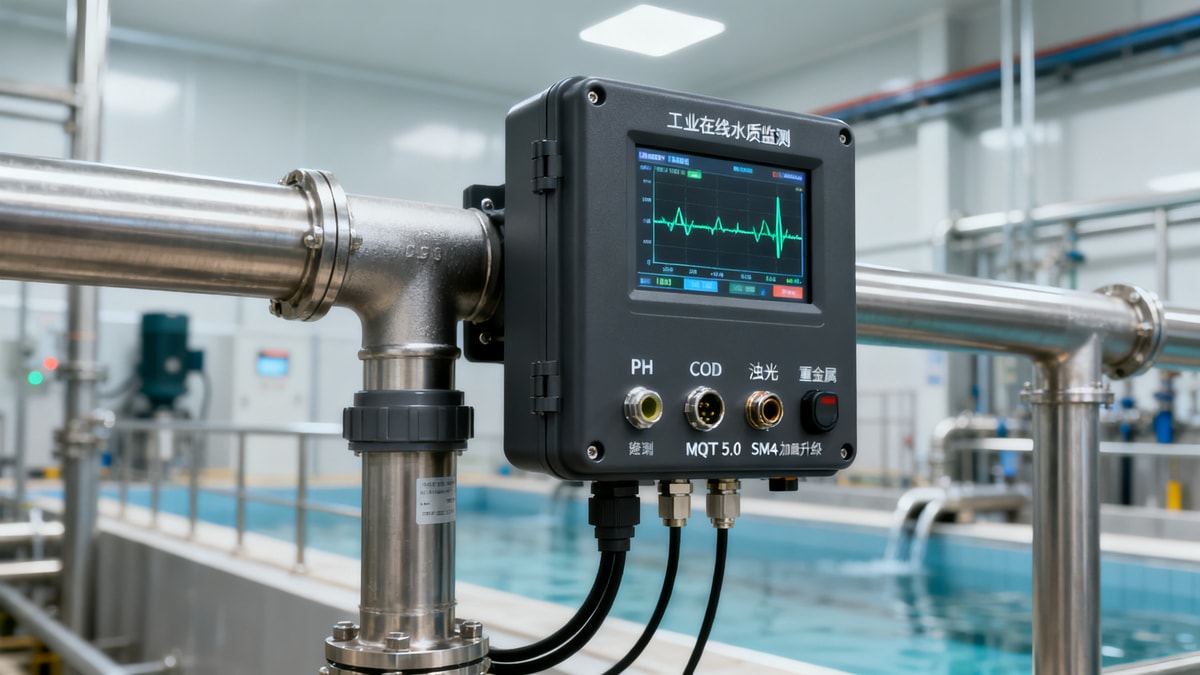
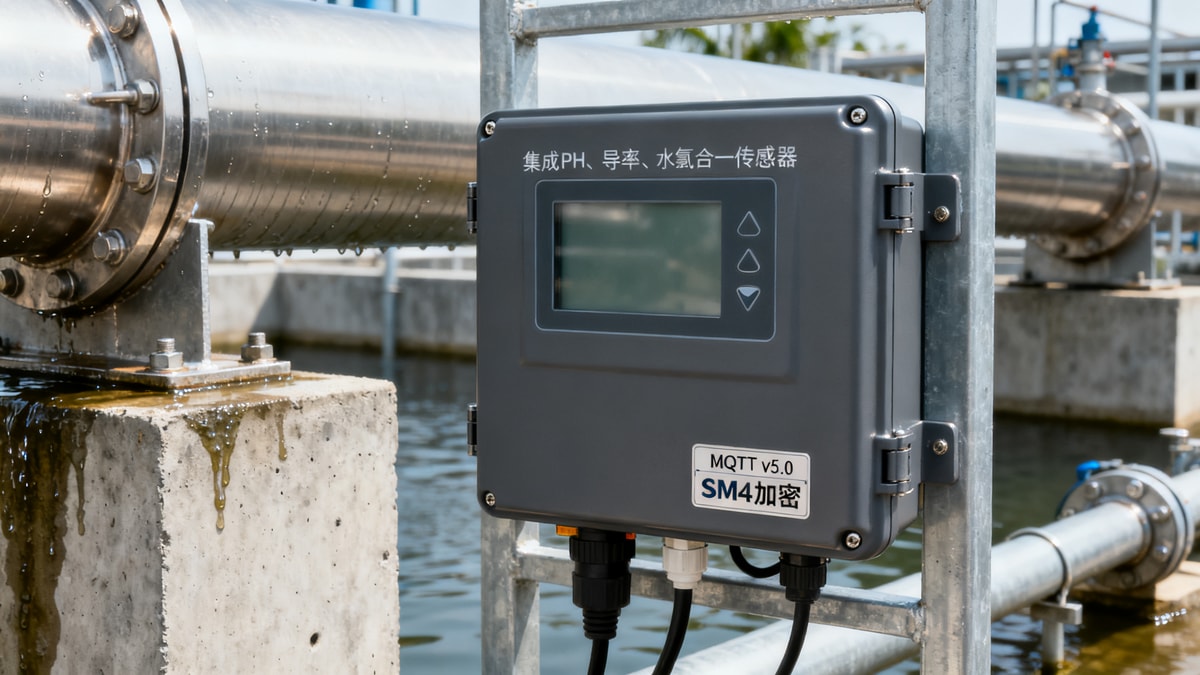
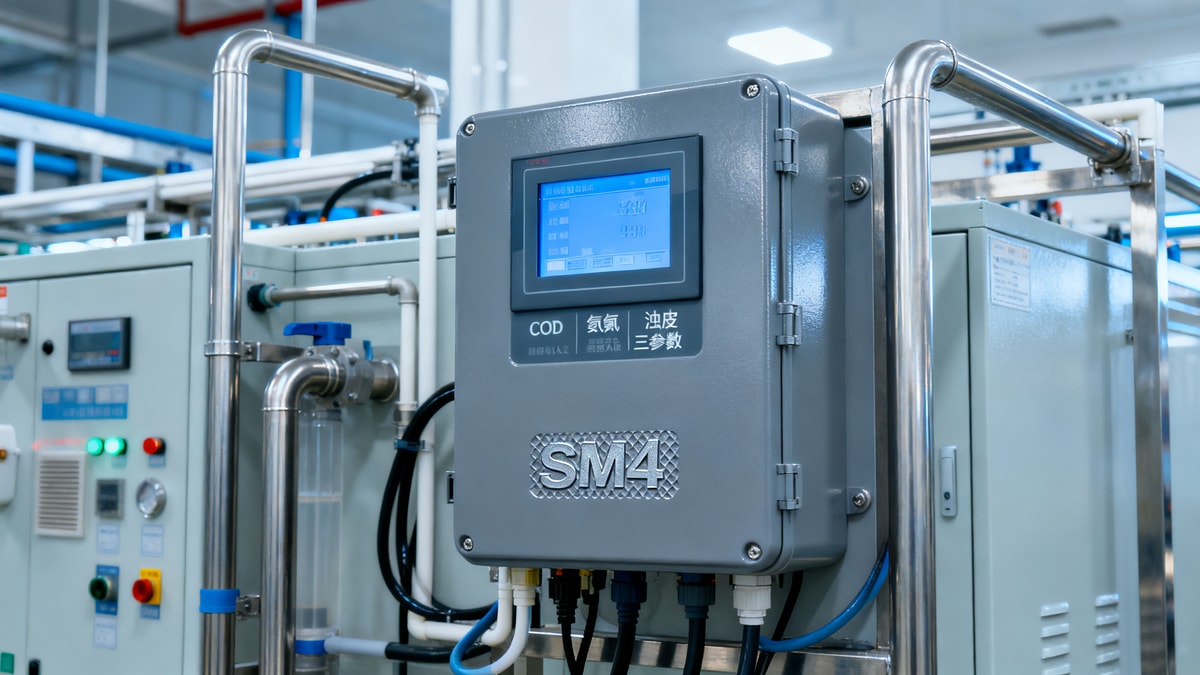
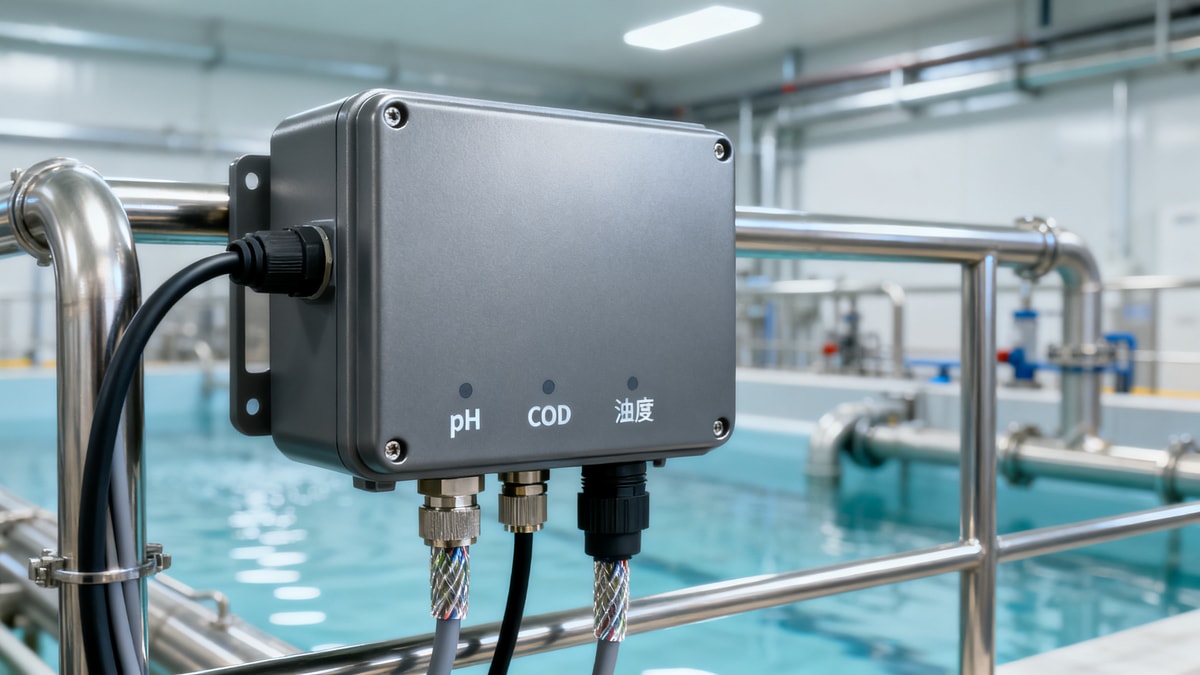
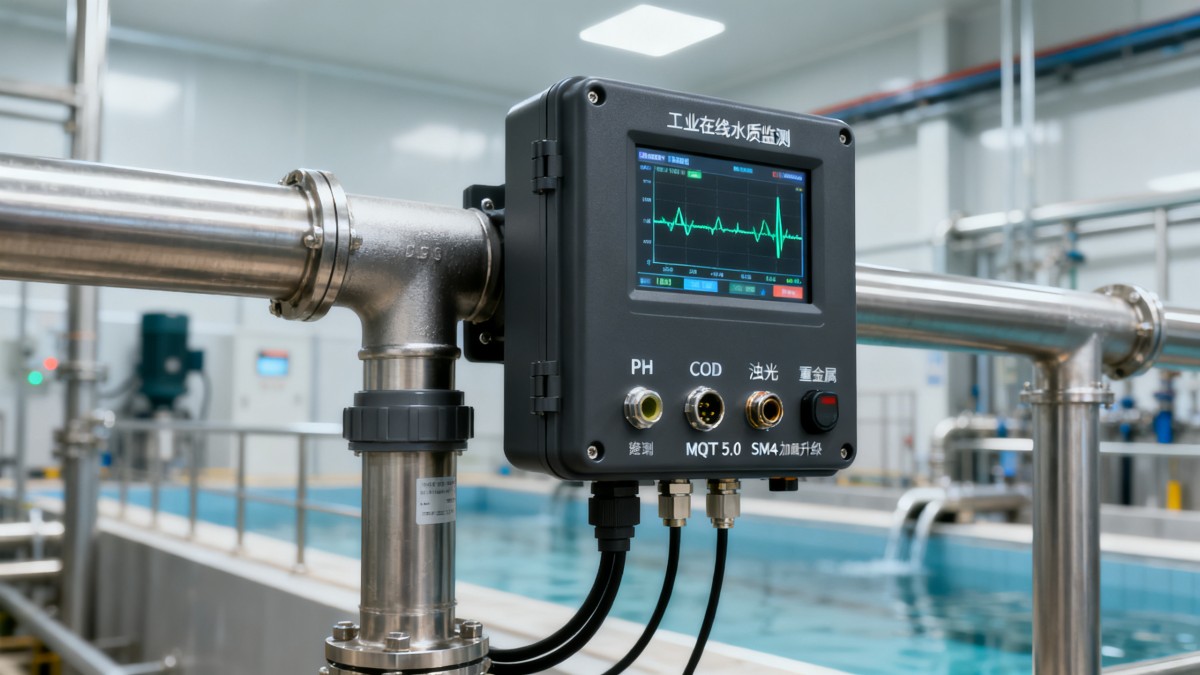
On May 5, 2026, Vietnam’s Ministry of Industry and Trade (MOIT) issued Circular 12/2026/TT-BCT, mandating that all industrial online water quality monitoring instruments — including pH, COD, turbidity, and heavy metal modules — sold or installed in Vietnam must complete firmware upgrades to support MQTT v5.0 protocol and SM4 national encryption standard by June 30, 2026. This requirement directly impacts manufacturers, exporters, system integrators, and environmental service providers operating in Vietnam’s industrial water monitoring ecosystem.
Event Overview
On May 5, 2026, the Vietnamese Ministry of Industry and Trade (MOIT) published Circular 12/2026/TT-BCT. The circular stipulates that all industrial online water quality monitoring instruments deployed in Vietnam — covering pH, chemical oxygen demand (COD), turbidity, and heavy metal detection modules — must be upgraded to support MQTT version 5.0 and SM4 cryptographic encryption no later than June 30, 2026. Devices failing to meet this requirement will be denied connectivity to Vietnam’s National Environmental Cloud Platform, thereby blocking project acceptance and operational payment processing.
Industries Affected by Segment
Instrument Manufacturers & OEMs
Manufacturers producing or branding water quality analyzers for the Vietnamese market are directly affected because their existing firmware may not support MQTT v5.0 or SM4. Impact manifests in product certification delays, revalidation requirements with local authorities, and potential stock obsolescence if legacy units remain unupgraded before the deadline.
Exporters & Distributors
Companies exporting monitoring equipment to Vietnam face compliance gatekeeping at customs and platform onboarding stages. Non-compliant devices risk rejection during technical verification prior to cloud integration, leading to shipment hold-ups, contract penalties, or forced repatriation.
System Integrators & EPC Contractors
Integrators deploying turnkey water monitoring systems in industrial zones, wastewater treatment plants, or manufacturing facilities must verify firmware compatibility across all sensor modules and gateway hardware. Incompatibility may delay commissioning, invalidate warranty claims, or trigger costly field upgrades post-installation.
Environmental Service Providers
Service firms responsible for operation and maintenance of installed monitoring infrastructure must ensure remote data transmission remains functional after the deadline. Failure to upgrade client devices may result in service-level agreement (SLA) breaches, especially where real-time data delivery to regulatory platforms is contractually mandated.
What Enterprises and Practitioners Should Focus On — And How to Respond
Verify firmware upgrade paths with device vendors immediately
Confirm whether current models have officially released MQTT v5.0 + SM4-compliant firmware versions — and whether those updates are backward-compatible with deployed hardware. Document version numbers, release dates, and installation prerequisites.
Review contractual obligations tied to data transmission and platform integration
Identify clauses in supply agreements, EPC contracts, or SLAs referencing data protocol standards, encryption requirements, or cloud platform interoperability. Assess exposure to liability if non-compliant devices remain in active use beyond June 30, 2026.
Assess inventory and deployment timelines against the June 30, 2026 deadline
Map all units scheduled for delivery or already installed in Vietnam. Prioritize units without upgrade capability for replacement planning; flag units requiring field updates to schedule technician visits ahead of the cutoff date.
Monitor MOIT’s official guidance on validation procedures
No public documentation yet confirms how MOIT or the National Environmental Agency will verify compliance — e.g., via self-declaration, third-party testing, or automated handshake checks upon cloud registration. Track upcoming technical annexes or FAQs issued under Circular 12/2026/TT-BCT.
Editorial Perspective / Industry Observation
Observably, this regulation signals Vietnam’s tightening alignment of industrial IoT infrastructure with domestic cybersecurity and data sovereignty frameworks — not merely a technical update but a formalization of sovereign control over environmental data flows. Analysis shows the timing coincides with broader national cloud platform rollout phases, suggesting the mandate functions less as an isolated compliance checkpoint and more as an enforcement lever for centralized data governance. From an industry standpoint, it reflects a growing trend across ASEAN markets where localized encryption and protocol mandates increasingly serve as de facto technical trade barriers — requiring upstream adaptation rather than downstream retrofitting. Current more appropriate interpretation is that this is a policy signal now entering implementation phase, not yet a fully matured enforcement regime.
Conclusion: This directive marks a concrete step toward standardized, secure data transmission for industrial environmental monitoring in Vietnam. It does not introduce new measurement requirements but elevates baseline connectivity and encryption expectations. For stakeholders, it is best understood not as a one-off deadline, but as an early indicator of evolving technical access conditions in Vietnam’s regulated industrial IoT space — where protocol and cryptography compliance is becoming prerequisite to market participation.
Source: Vietnam Ministry of Industry and Trade (MOIT), Circular No. 12/2026/TT-BCT, issued May 5, 2026.
Noted for ongoing observation: Official validation methodology, list of accredited testing labs, and timeline for enforcement actions post-June 30, 2026, remain unspecified as of publication.
Technical Specifications
- Global Industrial Air Filter Lead Times Extend to 24 WeeksAuthor :Environmental Engineering Director
- UL 62841-2-11:2026 Effective: AI Overload Prediction Required for Industrial ACBsAuthor :Grid Infrastructure Analyst
- Indonesia BPOM Fast-Tracks Chinese Dust PurifiersAuthor :Environmental Engineering Director
Expert Insights

Chief Security Architect
Dr. Thorne specializes in the intersection of structural engineering and digital resilience. He has advised three G7 governments on industrial infrastructure security.
Related Analysis
- May 07, 2026Global Industrial Air Filter Lead Times Extend to 24 WeeksAuthor :Environmental Engineering Director
- May 07, 2026UL 62841-2-11:2026 Effective: AI Overload Prediction Required for Industrial ACBsAuthor :Grid Infrastructure Analyst
- May 07, 2026Indonesia BPOM Fast-Tracks Chinese Dust PurifiersAuthor :Environmental Engineering Director
Core Sector // 01
Security & Safety
- Vietnam MOIT: Industrial Water Monitors Must Adopt MQTT v5.0 + SM4 by Jun 30, 2026Author :Environmental Engineering Director

- Vietnam MOIT: Industrial Water Monitors Must Adopt MQTT v5.0 + SM4 by Jun 30, 2026Author :Environmental Engineering Director

- Vietnam MOIT Waives SM4 Encryption Upgrade Fee for Chinese Water MonitorsAuthor :Environmental Engineering Director

- What makes an Environment & Ecology exporter easier to approveAuthor :Environmental Engineering Director

- Environmental compliance certification delays and how to avoid themAuthor :Environmental Engineering Director

- Why Environment & Ecology costs vary in water treatment projectsAuthor :Environmental Engineering Director

- Vietnam MOIT: Industrial Water Monitors Must Upgrade to MQTT v5.0 + SM4 by Jun 30, 2026Author :Environmental Engineering Director

- How to Assess an Environmental Engineering Manufacturer EarlyAuthor :Environmental Engineering Director