What drives Environment & Ecology cost in industrial projects?
Author
Date Published
Reading Time
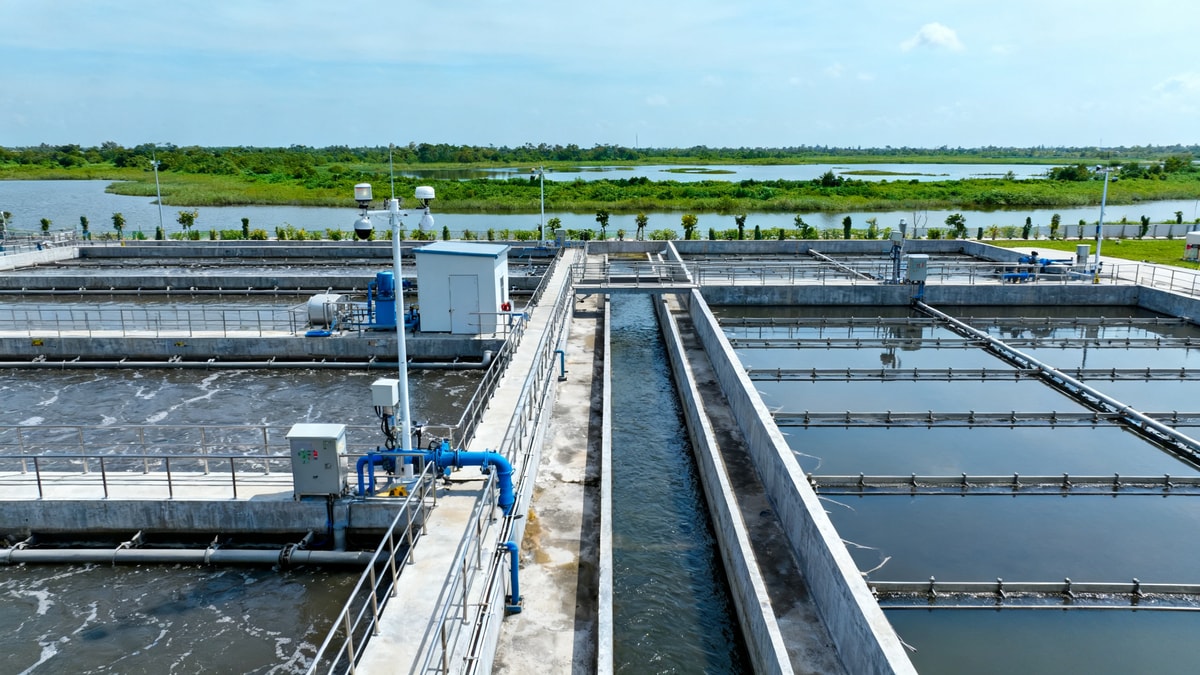
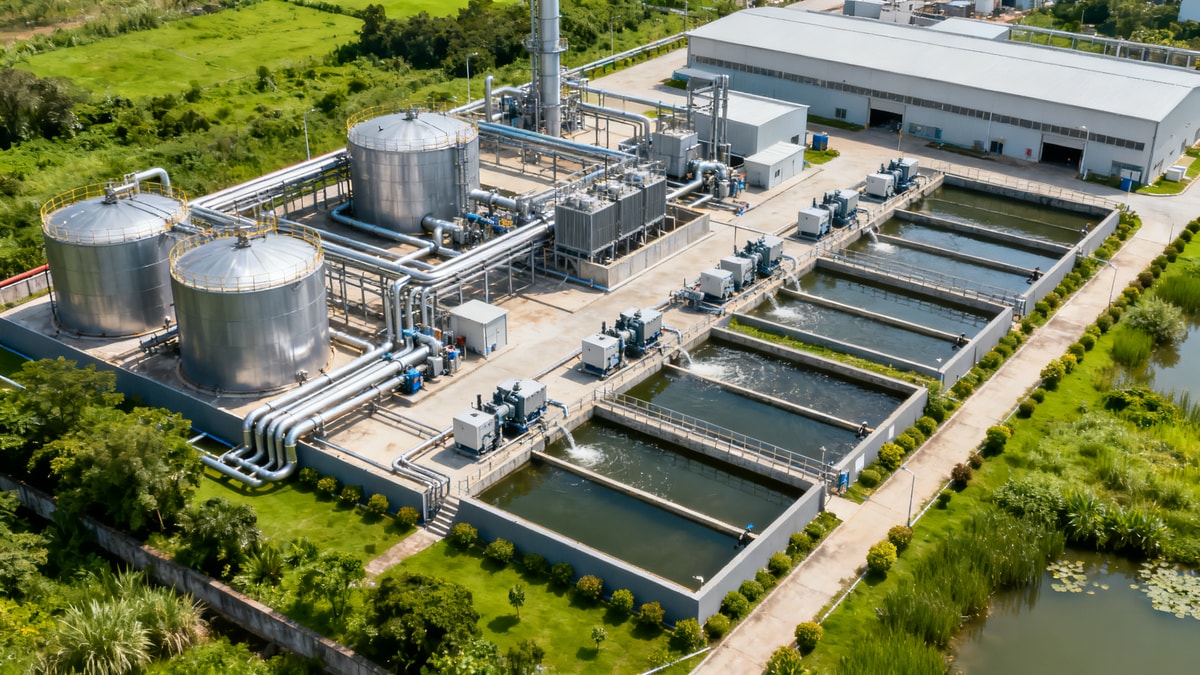
Environment & Ecology cost in industrial projects is rarely driven by one visible line item. For financial approvers, the biggest cost shifts usually come from five sources: regulatory obligations, site-specific environmental conditions, process and treatment technology choices, construction and commissioning risk, and long-term operating liabilities. In other words, the budget impact is not limited to permits, wastewater units, or dust collectors. It extends into schedule exposure, redesign risk, energy consumption, waste handling, monitoring requirements, and potential penalties over the full asset lifecycle.
If you are approving capital allocation, the most useful question is not simply “How much will the environmental package cost?” It is “What is creating that cost, how fixed is it, and what future liabilities does it reduce or create?” That framing leads to better decisions because a lower upfront number can still produce a higher total cost once compliance risk, operating burden, and retrofit probability are included.
This article explains what drives Environment & Ecology cost in industrial projects from a financial decision-making perspective. It focuses on the cost levers that matter most in heavy industry, how they interact across project phases, and how approvers can distinguish necessary spend from poorly scoped spend before the budget hardens.
Why Environment & Ecology cost is often underestimated at approval stage
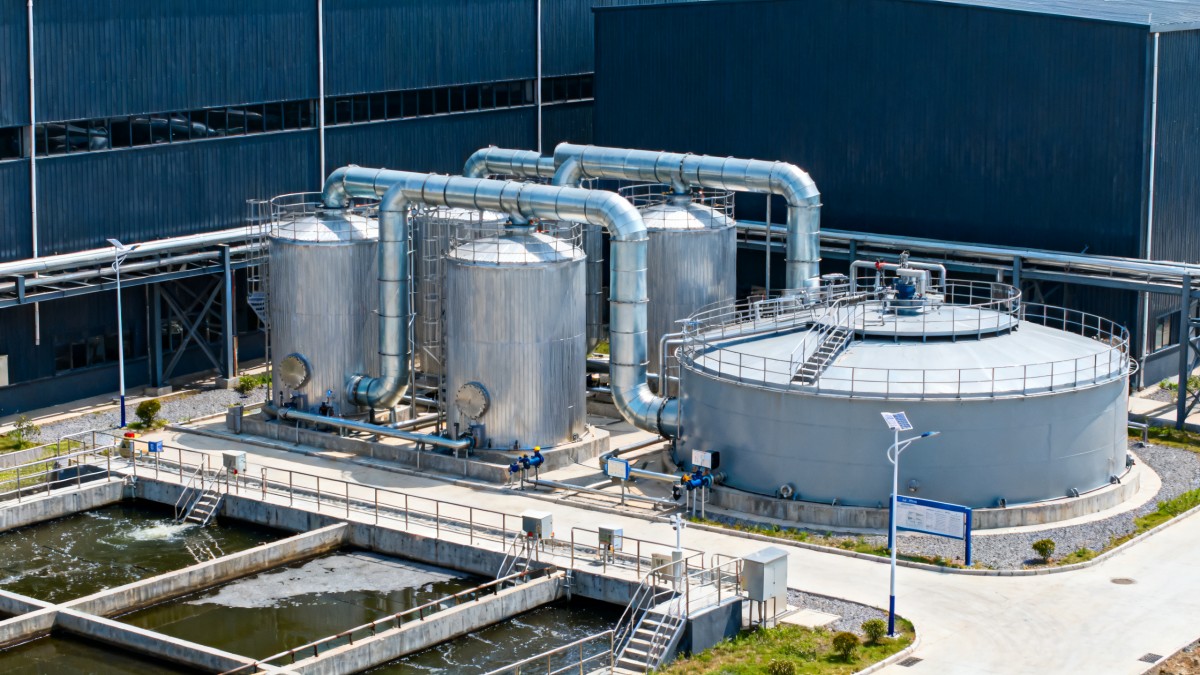
In many industrial projects, environmental cost is underestimated because it is treated as a support function rather than a core design constraint. Early financial models may allocate a narrow budget for permitting, treatment equipment, and compliance documentation, while ignoring the way environmental requirements reshape civil works, utilities, layout, energy demand, and schedule.
This underestimation is especially common in brownfield expansions, cross-border EPC projects, and facilities operating in sensitive regions. A project may appear technically straightforward until emissions limits tighten, groundwater protection measures expand, or waste classification changes. At that point, what looked like a minor compliance package becomes a redesign event affecting procurement, installation, and commissioning.
For finance teams, the key implication is that Environment & Ecology cost should be evaluated as an integrated project cost category, not as an isolated environmental line item. The true number includes direct capex, indirect engineering effort, operational cost uplift, risk reserves, and the value of avoiding regulatory or reputational damage.
Regulatory compliance is the first major cost driver, but not the only one
Regulation is usually the most visible driver because it determines what the project must achieve before it can be built, commissioned, or operated. Air emissions thresholds, wastewater discharge rules, hazardous material handling, noise restrictions, soil protection obligations, biodiversity safeguards, and reporting requirements all influence cost. The stricter the jurisdiction, the more likely the project will require advanced controls, redundancy, and formal verification.
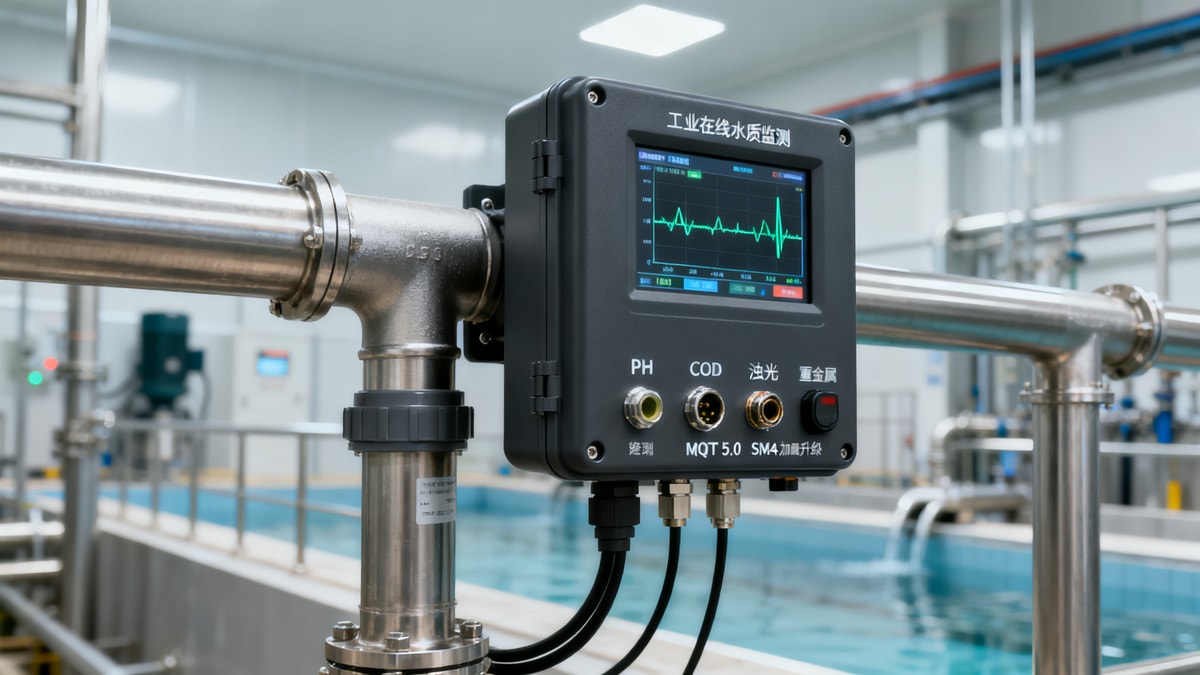
However, compliance cost is not just the price of meeting a standard. It also includes the cost of proving compliance. That means baseline studies, environmental impact assessments, permitting support, stack testing, monitoring systems, calibration routines, sampling infrastructure, and external audits. For financial approvers, this distinction matters because documentation and verification can represent a meaningful share of total Environment & Ecology cost, particularly in highly regulated sectors.
Cross-border projects can be even more expensive because global EPC teams often need to satisfy overlapping frameworks. Local discharge regulations may sit alongside ISO-driven management expectations, lender environmental covenants, insurer requirements, and customer-specific sustainability commitments. Each layer adds engineering hours, testing obligations, and reporting complexity.
A practical approval takeaway is that compliance should be separated into three budget buckets: design-to-comply, build-to-comply, and prove-to-comply. This structure makes cost drivers more transparent and reduces the chance that validation expenses remain hidden until late execution.
Site conditions can change the environmental budget more than equipment selection
Two facilities with similar process capacity can have very different environmental costs because the site itself changes the scope. Local hydrology, geology, climate, topography, contamination history, water scarcity, flood exposure, seismic constraints, and distance to disposal or treatment infrastructure all affect both capital and operating cost.
For example, a site with poor drainage and shallow groundwater may require containment systems, lined storage areas, leak detection, and more robust stormwater management. A remote site may face higher logistics costs for waste removal, reagent supply, and specialist maintenance. A water-stressed region may force investment in recycling, zero-liquid-discharge strategies, or more advanced pretreatment. A site near residential or ecologically sensitive areas may require tighter noise, odor, visual, and emissions controls than a comparable industrial zone.
Brownfield sites often create additional uncertainty. Legacy contamination, undocumented underground utilities, and historical waste handling practices can trigger remediation obligations or foundation redesign. Those issues are expensive not only because of cleanup work, but because they create approval delays and change-order risk. For finance leaders, brownfield environmental scope should almost always carry a higher contingency than greenfield scope.
In investment reviews, one of the most useful questions is whether the environmental design basis reflects actual site data or generic assumptions. Projects priced against generic assumptions often look efficient on paper and then become costlier during detailed engineering.
Technology choice determines both capex and long-term cost exposure
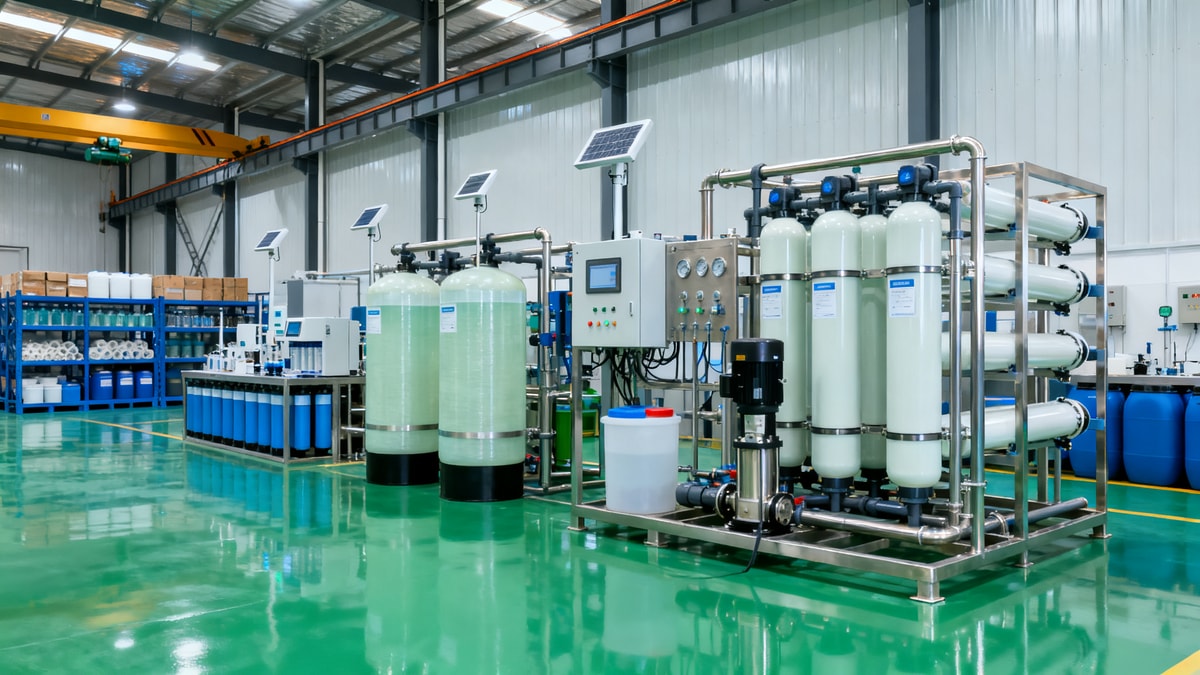
Environmental systems are often evaluated on purchase price, but the more important financial comparison is lifecycle cost under real operating conditions. A lower-cost air filtration system, wastewater treatment train, or waste handling solution may have higher energy demand, chemical consumption, labor intensity, downtime risk, or compliance variability. Over time, these burdens can outweigh initial capex savings.
This is one reason Environment & Ecology cost cannot be assessed well without operations input. Technology selection affects maintenance intervals, spare parts dependence, instrumentation complexity, training needs, and process stability. If the chosen system is sensitive to feed variability or harsh plant conditions, the facility may experience chronic noncompliance events, more frequent shutdowns, or expensive retrofits.
For financial approvers, the best technology questions are straightforward. What removal or control efficiency is required? How stable is performance across variable load? What utilities does the system consume? What waste streams does it create? How much operator attention does it require? What is the cost of failure or underperformance? A solution that is “cheaper” at procurement stage may be significantly more expensive when all these factors are included.
Modularity and future scalability also matter. In some sectors, capacity expansion, product changes, or tighter environmental thresholds are likely within a few years. If the initial system cannot be upgraded easily, the project may face stranded capital. A slightly higher upfront investment in expandable treatment or monitoring infrastructure can protect future budget flexibility.
Process design decisions upstream often drive downstream environmental cost
One of the most overlooked cost drivers is the production process itself. Environmental systems are downstream responses to upstream process choices. If the core process generates high wastewater loads, aggressive emissions, excessive heat, hazardous by-products, or difficult solids, then environmental capex will rise accordingly. In many cases, the cheapest environmental control strategy is to reduce the pollutant burden at source.
That means process chemistry, raw material quality, combustion conditions, water balance design, heat recovery, containment philosophy, and material handling methods all influence Environment & Ecology cost. Cleaner inputs, enclosed transfer systems, lower-toxicity consumables, and better process control can reduce the scale and complexity of treatment systems later.
For finance teams, this creates an important approval principle: environmental cost should not be reviewed only after process design is mostly fixed. By then, the project has limited room to reduce pollutant generation economically. Early-stage integrated review between process, EHS, and finance functions can reveal whether modest upstream design adjustments would prevent much larger downstream spending.
This is particularly valuable in sectors with high water use, combustion emissions, slurry handling, coating lines, chemical dosing, or dust-intensive material transfer. In such cases, source reduction and process optimization may produce better returns than simply adding larger end-of-pipe equipment.
Construction, commissioning, and schedule risk can materially increase total cost
Even when environmental scope is correctly identified, execution risk can push costs higher. Environmental systems frequently involve interfaces across civil, mechanical, electrical, instrumentation, and automation packages. Delays in one area can compromise the whole compliance path. If wastewater systems are not commissioned in time, production startup may slip. If emissions monitoring is not validated, the plant may not obtain operational approval. These dependencies convert technical issues into financial issues very quickly.
Construction conditions can add further cost. Secondary containment, lined pits, special coatings, corrosion-resistant materials, odor control ducting, and segregated drainage networks often require precise sequencing. Poor coordination leads to rework, especially in retrofit and brownfield settings. Temporary environmental controls during construction, such as runoff control, waste segregation, dust suppression, and noise mitigation, also add cost that is sometimes omitted from early estimates.
Commissioning is another common blind spot. Environmental systems must often be tested under multiple load conditions, and regulators may require documented proof before full operation. If vendors, EPC teams, and plant operators have not aligned on acceptance criteria, projects can face extended tuning periods, extra consumables, or repeated testing campaigns.
From a financial approval standpoint, any project with critical environmental dependencies should include schedule-linked risk analysis. The right question is not only whether the environmental package is affordable, but whether delay in that package can delay revenue generation or trigger contractual penalties.
Operating cost and lifecycle liabilities are central to sound approval decisions
For many industrial assets, the most important part of Environment & Ecology cost appears after startup. Energy use, reagent consumption, filter replacement, sludge disposal, membrane cleaning, laboratory testing, emissions reporting, third-party inspections, and environmental staffing create a recurring cost base that can persist for decades. These expenses are especially material where treatment intensity is high or compliance margins are tight.
There are also contingent liabilities that may not appear in the initial capex request. These include accidental release cleanup, permit exceedance penalties, groundwater remediation, waste reclassification, carbon-related policy costs, and mandatory upgrades after regulatory change. While not every project will incur them, prudent financial review should recognize their probability and potential magnitude.
This is why total cost of ownership is a more reliable decision framework than capex alone. A more efficient wastewater plant, a better emissions control package, or stronger monitoring architecture may reduce recurring costs and compliance volatility enough to justify higher initial spend. Conversely, overspecifying a solution beyond realistic operating need can lock the facility into unnecessary fixed cost.
For approval committees, lifecycle modeling should include at least three scenarios: base case, stressed compliance case, and regulatory tightening case. This helps reveal whether the selected option remains economically resilient under changing conditions.
How financial approvers can evaluate environmental budgets more effectively
Financial approvers do not need to become environmental engineers, but they do need a sharper framework for reviewing scope. First, separate mandatory compliance scope from discretionary sustainability upgrades. Both may be worthwhile, but they have different return profiles and should not be blended into one number without explanation.
Second, ask for cost breakdown by driver rather than by vendor package only. Useful categories include permitting and studies, site preparation, treatment and control equipment, monitoring systems, civil and utility integration, temporary construction controls, commissioning and validation, and ongoing annual operating cost. This breakdown shows where risk is concentrated.
Third, require clarity on assumptions. What influent quality, emissions load, weather conditions, production mix, and disposal routes were used in the estimate? If the assumptions are too optimistic, the budget may be artificially low. Fourth, test whether contingency reflects actual uncertainty. Novel technology, brownfield conditions, remote logistics, and uncertain permitting timelines all justify stronger risk reserves than standardized greenfield projects.
Fifth, compare options using avoided cost as well as direct cost. Spending more on robust environmental design may prevent delays, fines, retrofits, insurance exposure, and production interruptions. In industrial settings, these avoided costs are often more decisive than simple equipment payback.
What a strong environmental cost strategy looks like in industrial projects
A strong strategy begins early, before design lock-in. It uses real site data, aligns process and environmental teams, and evaluates technology on performance stability as well as price. It also recognizes that environmental compliance is inseparable from operability, insurability, and project bankability.
In practice, that means environmental scope should be developed with the same discipline applied to power systems, process equipment, or safety systems. The budget should include direct and indirect cost, the schedule should reflect validation requirements, and the business case should capture lifecycle obligations rather than only purchase cost. This approach does not guarantee the lowest upfront number, but it usually produces the most credible and defensible investment decision.
For organizations managing global industrial assets, the greatest advantage comes from repeatable governance. Standardized review gates, site-specific environmental due diligence, and lifecycle-based option analysis help prevent underbudgeting and late-stage surprises. Over time, that discipline improves capital efficiency because fewer projects require emergency redesign or post-startup correction.
Conclusion: the real drivers of Environment & Ecology cost are strategic, not just technical
What drives Environment & Ecology cost in industrial projects is a combination of compliance requirements, local site realities, process design, technology selection, execution risk, and long-term operating liability. For financial approvers, the main lesson is clear: the environmental budget should never be reviewed as a narrow permit-and-equipment expense. It is a strategic cost category that affects schedule certainty, asset resilience, and total lifecycle return.
The best approval decisions come from asking where the cost originates, what risk it removes, what assumptions support it, and what future liabilities it may prevent. When those questions are addressed early, Environment & Ecology cost becomes easier to control and easier to justify as part of a durable industrial investment.
Technical Specifications
- Hidden Environment & Ecology cost after project approvalAuthor :Environmental Engineering Director
- When does an Environment & Ecology impact assessment need updating?Author :Environmental Engineering Director
- Security & Safety standards that affect product approval speedAuthor :Safety Compliance Lead
Expert Insights

Chief Security Architect
Dr. Thorne specializes in the intersection of structural engineering and digital resilience. He has advised three G7 governments on industrial infrastructure security.
Related Analysis
- May 07, 2026Hidden Environment & Ecology cost after project approvalAuthor :Environmental Engineering Director
- May 07, 2026When does an Environment & Ecology impact assessment need updating?Author :Environmental Engineering Director
- May 07, 2026Security & Safety standards that affect product approval speedAuthor :Safety Compliance Lead
Core Sector // 01
Security & Safety
- When does an Environment & Ecology impact assessment need updating?Author :Environmental Engineering Director

- What overseas buyers check first in an Environment & Ecology exporterAuthor :Environmental Engineering Director

- When do Environment & Ecology consulting services pay off?Author :Environmental Engineering Director

- What drives Environment & Ecology cost in industrial projects?Author :Environmental Engineering Director

- Vietnam MOIT: Industrial Water Monitors Must Adopt MQTT v5.0 + SM4 by Jun 30, 2026Author :Environmental Engineering Director

- Vietnam MOIT: Industrial Water Monitors Must Adopt MQTT v5.0 + SM4 by Jun 30, 2026Author :Environmental Engineering Director

- Vietnam MOIT: Industrial Water Monitors Must Adopt MQTT v5.0 + SM4 by Jun 30, 2026Author :Environmental Engineering Director

- Vietnam MOIT Waives SM4 Encryption Upgrade Fee for Chinese Water MonitorsAuthor :Environmental Engineering Director