PET bottle washing line problems that lower flake purity
Author
Date Published
Reading Time
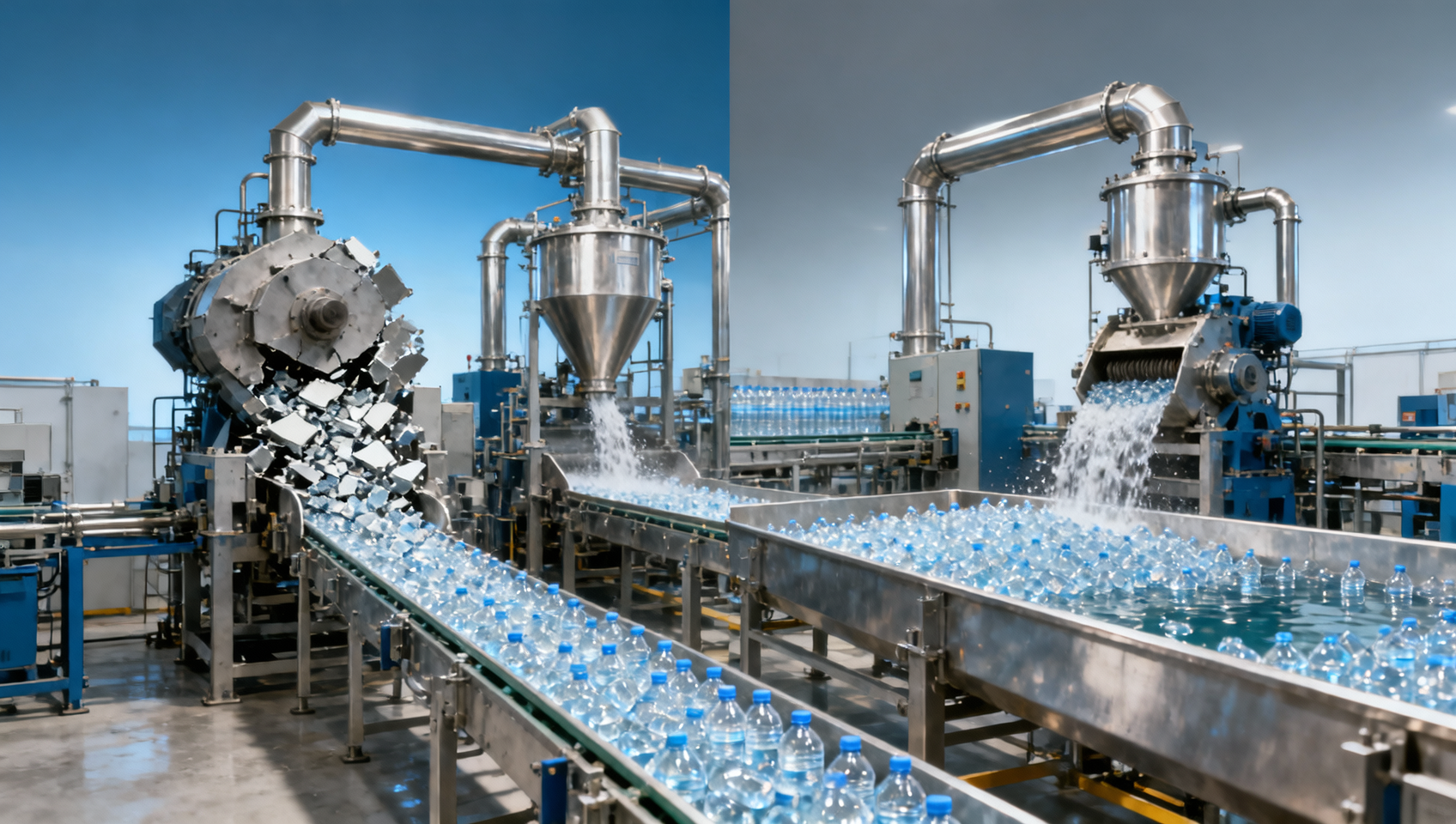
Low flake purity in a PET bottle washing line is rarely caused by one fault alone. From poor label removal and inefficient hot washing to contamination carryover from a twin shaft shredder machine or plastic recycling granulator, small process gaps can sharply reduce output quality. This guide examines the most common problems, helping operators, buyers, and decision-makers identify root causes and improve recycled PET consistency.
For recyclers, EPC-linked project teams, plant operators, and procurement managers, flake purity is not just a quality number. It directly affects downstream pelletizing stability, food-grade upgrade potential, fiber-grade acceptance, washing chemical consumption, and the commercial value of every ton produced. A line that appears mechanically complete can still lose 2% to 8% of usable purity through weak process control.
In practical operations, contamination often enters at multiple points: bale opening, sorting, shredding, hot washing, friction washing, float-sink separation, rinsing, and drying. The right response is therefore not a single machine replacement, but a line-wide diagnosis based on material flow, residence time, separation efficiency, and maintenance discipline.
Where PET Flake Purity Drops First in the Washing Process
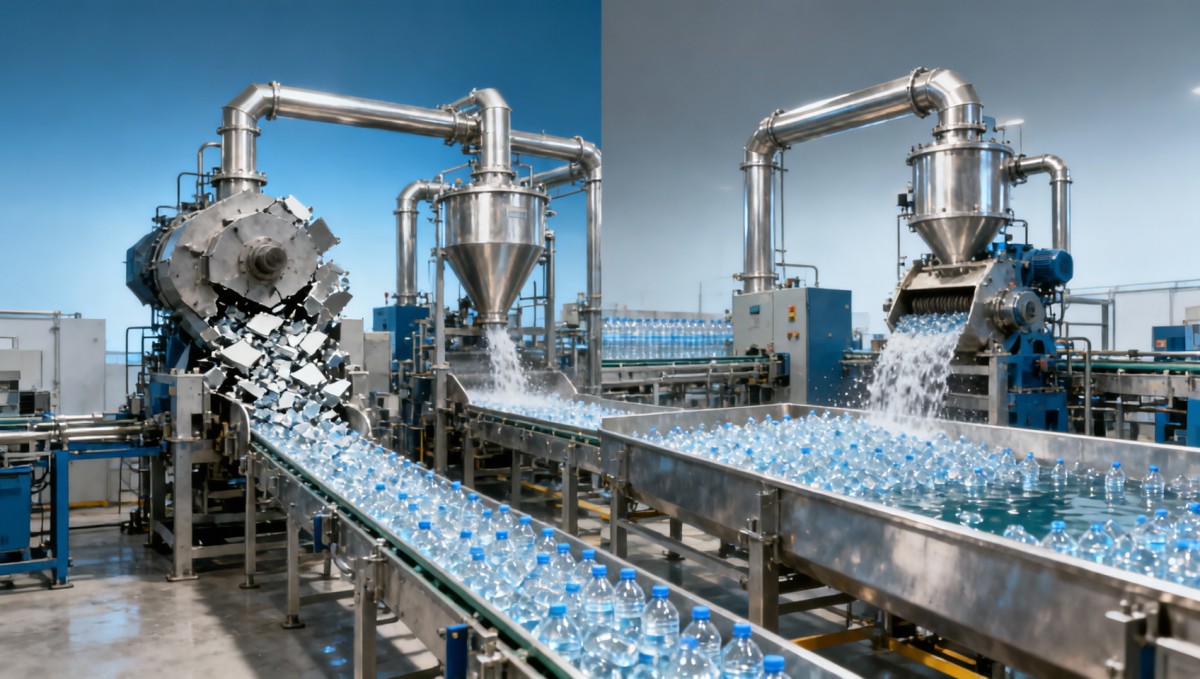
The first purity losses usually occur before hot washing begins. Incoming PET bottle bales may contain PVC labels, PP caps, PE rings, aluminum closures, silicone sealants, paper, sand, and residual liquids. If the pre-sorting section removes only visible contaminants and misses density-based or color-based separation, impurity levels can remain high enough to overload the rest of the line.
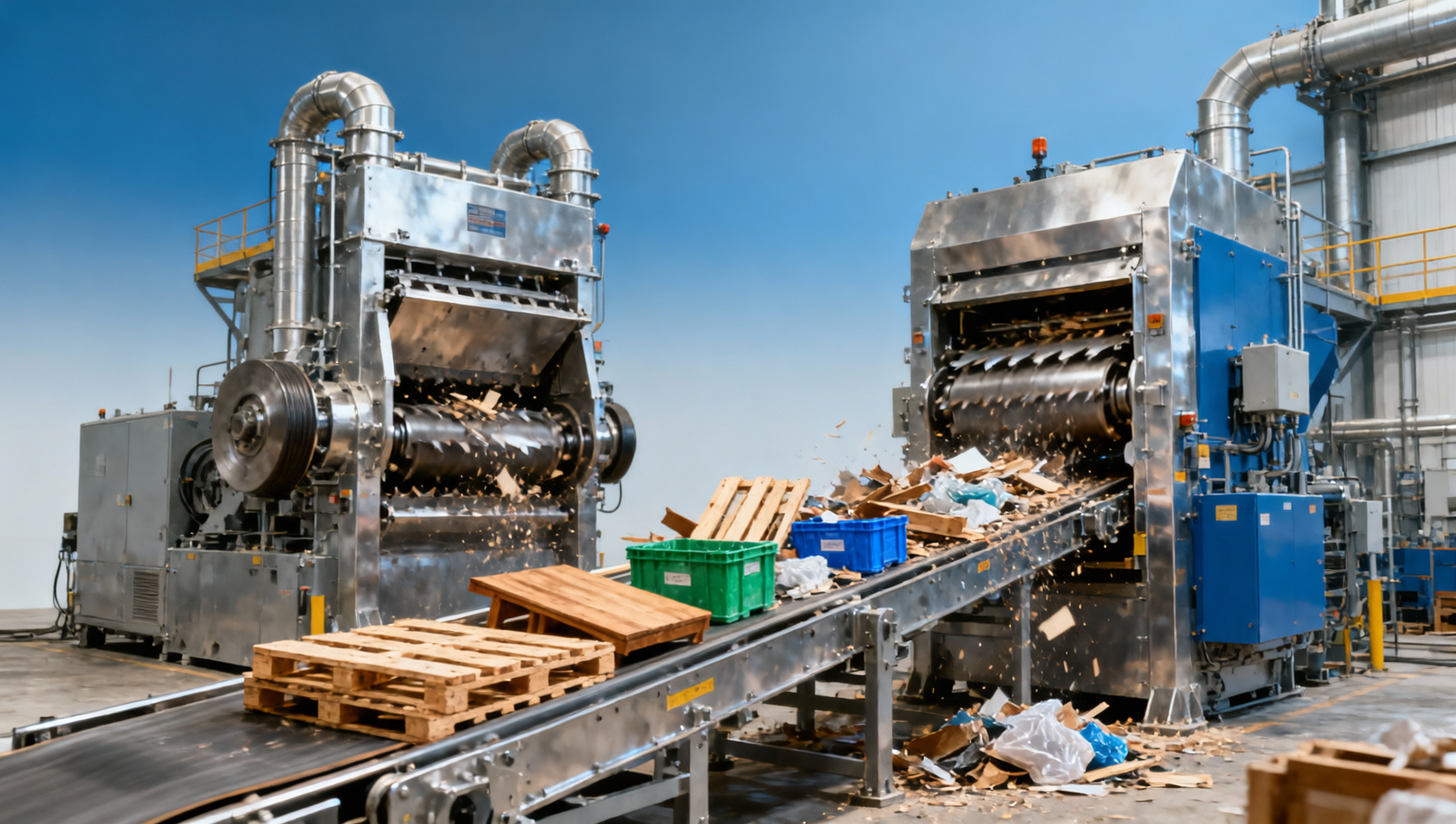
A common plant mistake is assuming that shredding will improve separation. In fact, if bottles are fed into a twin shaft shredder machine with mixed labels and closures still attached, the shredder reduces particle size but also spreads adhesives, fines, and label fragments more evenly into the stream. This makes later washing more difficult, not easier.
Another early-stage issue is unstable feed rate. When capacity fluctuates by more than 10% to 15% over short intervals, the label remover, crusher, and sink-float tank rarely operate at their designed efficiency. Bottlenecks then create bypass contamination, especially when wet labels or cap fragments carry over with PET flakes.
Operators should also verify whether bottle compression from baling has increased contamination locking. Heavily compacted bales often require more aggressive bale breaking and screening. If this is skipped, fine glass, dirt, and organic residue can remain embedded until the grinding stage, where they become much harder to remove.
Typical contamination sources before washing
The table below shows where purity losses commonly begin and what kind of contamination each stage introduces into a PET bottle washing line.
The key takeaway is that contamination control should begin at the bale and bottle stage, not after size reduction. Plants that improve front-end sorting and feed consistency often see measurable purity gains without changing the entire washing line configuration.
Front-end checks operators should run every shift
- Verify that feed variation stays within a controlled range, ideally under 10% for stable downstream loading.
- Inspect shredder or crusher output for excess fines; a sudden increase often signals blade wear or poor upstream sorting.
- Check visible carryover of labels, caps, and rings at least every 2 to 4 hours during continuous production.
- Separate high-label and high-oil bottle lots when possible rather than blending all bales into one feed stream.
Hot Washing, Friction Washing, and Sink-Float Problems That Reduce Purity
The core cleaning section determines whether PET flakes leave the line with acceptable levels of glue, label residue, organic contamination, and polyolefin carryover. Even with good sorting, poor hot washing can leave adhesive films on flake surfaces. Once these residues pass into drying and granulation, the contamination becomes expensive to remove.
Hot washing performance depends on four variables working together: temperature, chemical concentration, residence time, and agitation intensity. In many industrial lines, water temperature in the 80°C to 90°C range is typical, while residence time may range from 15 to 30 minutes depending on bottle source and label system. If any one of these drops below process needs, purity declines quickly.
Friction washing often fails when rotor speed, screen opening condition, or water flow are not matched to flake load. Too little friction leaves dirt and glue attached. Too much mechanical action creates fines, which trap contaminants and increase product losses. A poorly maintained friction washer can therefore lower both purity and yield at the same time.
Sink-float separation is another frequent weak point. PET should sink while PP and PE closures float. But if water turbulence is too high, retention time too short, or tank skimming inconsistent, floating plastics can cross into the PET fraction. Even 0.5% to 1.0% polyolefin carryover can be enough to create downstream quality complaints.
Water quality also matters more than many plants expect. Recirculated water with high suspended solids or oil load reduces cleaning efficiency and can redeposit contamination onto flakes. In closed-loop systems, filtration and water refresh intervals should be reviewed as carefully as the washers themselves.
Process conditions that commonly affect PET washing results
The following ranges are common industrial reference points for evaluating whether hot washing and separation stages are underperforming.
These values should not be treated as universal settings, but they provide a useful benchmark for troubleshooting. If a line repeatedly produces dull, sticky, or mixed-material flakes, the gap is often found in one of these four process variables rather than in the final dryer or granulator.
Common operating mistakes in the washing section
- Reducing hot wash temperature to save energy without checking adhesive removal performance.
- Running the friction washer continuously without inspecting rotor wear, screen clogging, or abnormal vibration.
- Increasing line throughput by 20% or more while keeping the same tank volume and retention time.
- Reusing process water too long and allowing oils, fines, and suspended solids to circulate back into the wash loop.
How Shredders, Crushers, and Granulators Can Introduce Secondary Contamination
Mechanical size reduction equipment is essential, but it can also be a hidden source of lower flake purity. A twin shaft shredder machine is effective for bulk volume reduction and feeding control, yet it is not always the best choice for producing clean, uniform wash-ready flakes. Its slow-speed shearing action can tear labels into long strips and press adhesive into the bottle surface before the washing stage.
Similarly, a plastic recycling granulator or crusher that operates with dull blades, poor screen matching, or excessive rotor heat can create fines and dust. Those fines absorb washing chemicals, remain suspended in rinse water, and can settle back onto PET surfaces. In some plants, the issue is not insufficient washing, but contamination generated mechanically during grinding.
Blade clearance, screen size, rotor speed, and feed condition all matter. When the machine is forced to process bottles with caps, labels, and residual liquid still attached, the cutting chamber becomes a mixing point for multiple materials. Instead of selective liberation, operators get a broad contamination spread across nearly every flake size fraction.
Heat buildup is another overlooked problem. If bearing condition, lubrication, or cutting geometry is poor, friction can raise local temperatures enough to soften residues and make them smear rather than detach. This is especially problematic in lines running long shifts of 16 to 24 hours with limited shutdown inspection.
Equipment-related contamination risks
Procurement teams comparing front-end size reduction equipment should assess not only throughput in tons per hour, but also its effect on washing performance and purity stability.
The best equipment choice depends on feedstock condition and line design. In many cases, a wet crushing step with controlled pre-sorting and regular blade inspection delivers cleaner flakes than aggressive bulk shredding alone.
What buyers and operators should inspect
- Blade wear interval, sharpening cycle, and spare part availability over 6 to 12 months of operation.
- Actual fine generation rate at target throughput, not just nominal machine capacity.
- Whether wet processing is available to reduce heat and contamination adhesion.
- Ease of cleaning the cutting chamber to prevent cross-batch contamination from mixed feedstocks.
Maintenance, Water Management, and Process Control Gaps
A PET bottle washing line can lose purity gradually even when every major machine is technically functional. The reason is usually process drift. Nozzle blockages, worn paddles, damaged screens, unstable dosing pumps, and dirty recirculation tanks rarely stop the line immediately, but they steadily reduce washing consistency over weeks or months.
Water management deserves special attention. If rinse stages reuse water beyond acceptable solids or oil levels, flakes may leave the line visually clean but chemically contaminated. This becomes evident later during extrusion or pelletizing, when black specks, odor, gel formation, or unstable melt filtration appear. The washing line then gets blamed for an issue that started in fluid management.
Instrumentation is equally important. Without routine tracking of water temperature, conductivity, pH, turbidity, motor load, and throughput, plant teams rely too heavily on visual judgment. That works poorly in high-volume operations above 500 kg/h or 1,000 kg/h, where small deviations accumulate into significant product loss.
Maintenance planning should be tied to contamination risk, not only to mechanical uptime. A line that runs continuously for 30 days without an inspection may look productive, yet its flake purity may already have fallen below customer acceptance. Preventive service intervals should therefore include quality checks, not just lubrication and bearing replacement.
High-value control points for plant management
The table below outlines practical checkpoints that improve purity stability and reduce unplanned quality losses in daily operation.
For procurement leaders, these checkpoints also serve as vendor evaluation criteria. A supplier who cannot explain measurement points, maintenance intervals, and contamination control logic is unlikely to support long-term purity performance in a demanding industrial environment.
A practical 5-step improvement path
- Sample flakes at 4 to 6 points across the line rather than testing only final discharge.
- Map visible contamination to the exact machine or tank where carryover begins.
- Stabilize feed rate, water quality, and hot wash conditions before changing equipment.
- Schedule maintenance based on both runtime hours and product quality variation.
- Review supplier support, spare lead times, and operator training every quarter.
Procurement and Upgrade Decisions for Better PET Flake Consistency
When purity problems persist, many companies immediately look for a new machine. That can be justified, but only after confirming whether the issue is design-related, feedstock-related, or maintenance-related. For buyers and decision-makers, the most effective purchasing strategy is to evaluate the full process chain rather than selecting a shredder, washer, or granulator in isolation.
A strong procurement checklist should include feedstock type, target flake application, contamination profile, expected throughput, water treatment capability, energy constraints, and operator skill level. For example, a line targeting higher-grade rPET feedstock may need tighter label removal and polyolefin separation than a line supplying lower-spec nonwoven or strapping applications.
Decision-makers should also ask whether the line is being upgraded for capacity, purity, or both. A capacity increase of 30% without changes to tank volume, friction washing intensity, or water filtration usually creates more contamination carryover. The apparent productivity gain may then be offset by a lower selling price per ton.
From a commercial perspective, consistent purity is often worth more than headline throughput. Buyers should compare total operating cost, maintenance frequency, contamination control features, and service responsiveness over a 12-month period, not just machine purchase price.
Key procurement criteria for line upgrades
The matrix below helps procurement teams compare washing line components or retrofit proposals with a focus on purity rather than only nominal output.
For industrial buyers, the most reliable upgrade partner is one that can discuss contamination pathways, process limits, spare logistics, and acceptance criteria in detail. That level of technical transparency lowers risk for both initial investment and long-term operating performance.
FAQ for buyers and plant teams
How do you know whether purity loss comes from washing or grinding?
Take samples before and after the crusher or granulator, then again after hot washing and sink-float separation. If fines, label fragments, or adhesive smearing rise immediately after size reduction, the grinding stage is likely contributing more contamination than expected.
What purity-related indicators should be checked before buying a new PET bottle washing line?
Review label removal efficiency, hot wash control range, friction washer design, sink-float retention logic, water treatment capacity, sampling points, and spare part cycle. At minimum, compare 6 key items: feed compatibility, contamination removal, maintenance accessibility, instrumentation, energy use, and service response.
Is higher throughput always better for PET flake production?
No. If higher throughput reduces washing time or separation stability, purity can fall faster than output rises. In many plants, a stable line at 80% to 90% of nominal capacity delivers a better commercial result than a fully loaded line producing downgraded flakes.
Lower PET flake purity is usually the result of cumulative weaknesses across sorting, shredding, washing, separation, water management, and maintenance. The strongest improvement strategy is to diagnose the line by stage, verify process parameters with real measurements, and align equipment choices with actual feedstock conditions and end-use targets.
For operators, that means tighter inspection routines and faster correction of process drift. For procurement teams, it means evaluating contamination control, not just machine capacity. For business decision-makers, it means protecting margin through stable recycled PET quality and fewer downstream claims.
If you are assessing a new PET bottle washing line, troubleshooting purity loss, or comparing shredder and granulator configurations, Global Industrial Core can help you review the technical factors that matter most. Contact us to discuss your process requirements, request a tailored sourcing assessment, or explore more industrial recycling solutions.
Technical Specifications
- How to choose an organic fertilizer machine for wet raw materialsAuthor :Environmental Engineering Director
- What affects output stability in a hydraulic briquetting pressAuthor :Environmental Engineering Director
- Waste paper baler wholesale prices vary for reasons beyond tonnageAuthor :Environmental Engineering Director
Expert Insights

Chief Security Architect
Dr. Thorne specializes in the intersection of structural engineering and digital resilience. He has advised three G7 governments on industrial infrastructure security.
Related Analysis
- Apr 16, 2026How to choose an organic fertilizer machine for wet raw materialsAuthor :Environmental Engineering Director
- Apr 16, 2026What affects output stability in a hydraulic briquetting pressAuthor :Environmental Engineering Director
- Apr 16, 2026Waste paper baler wholesale prices vary for reasons beyond tonnageAuthor :Environmental Engineering Director
Core Sector // 01
Security & Safety
- How to choose an organic fertilizer machine for wet raw materialsAuthor :Environmental Engineering Director

- What affects output stability in a hydraulic briquetting pressAuthor :Environmental Engineering Director

- Waste paper baler wholesale prices vary for reasons beyond tonnageAuthor :Environmental Engineering Director

- When a scrap metal baler becomes too small for daily loading needsAuthor :Environmental Engineering Director

- Tire recycling machine layouts that reduce dust and wire lossAuthor :Environmental Engineering Director

- PET bottle washing line problems that lower flake purityAuthor :Environmental Engineering Director

- Plastic recycling granulator selection starts with feedstock qualityAuthor :Environmental Engineering Director

- Twin shaft shredder machine or single shaft for bulky wasteAuthor :Environmental Engineering Director