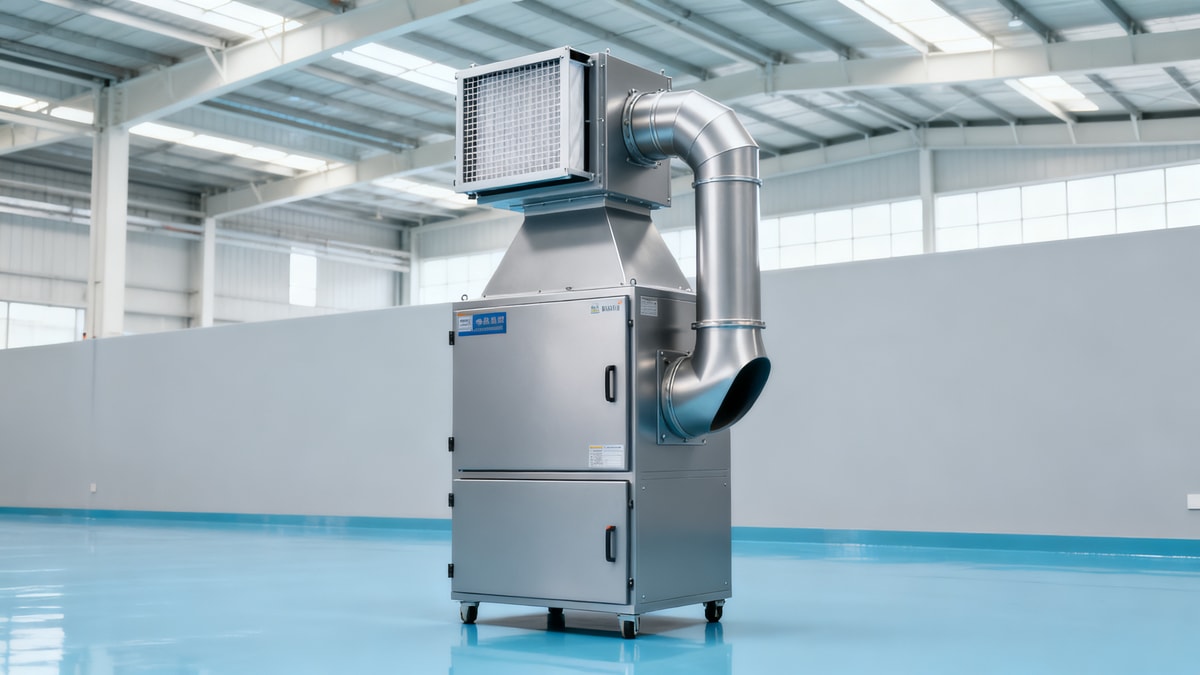
Indonesia BPOM Fast-Tracks Chinese Dust Purifiers
Author
Date Published
Reading Time
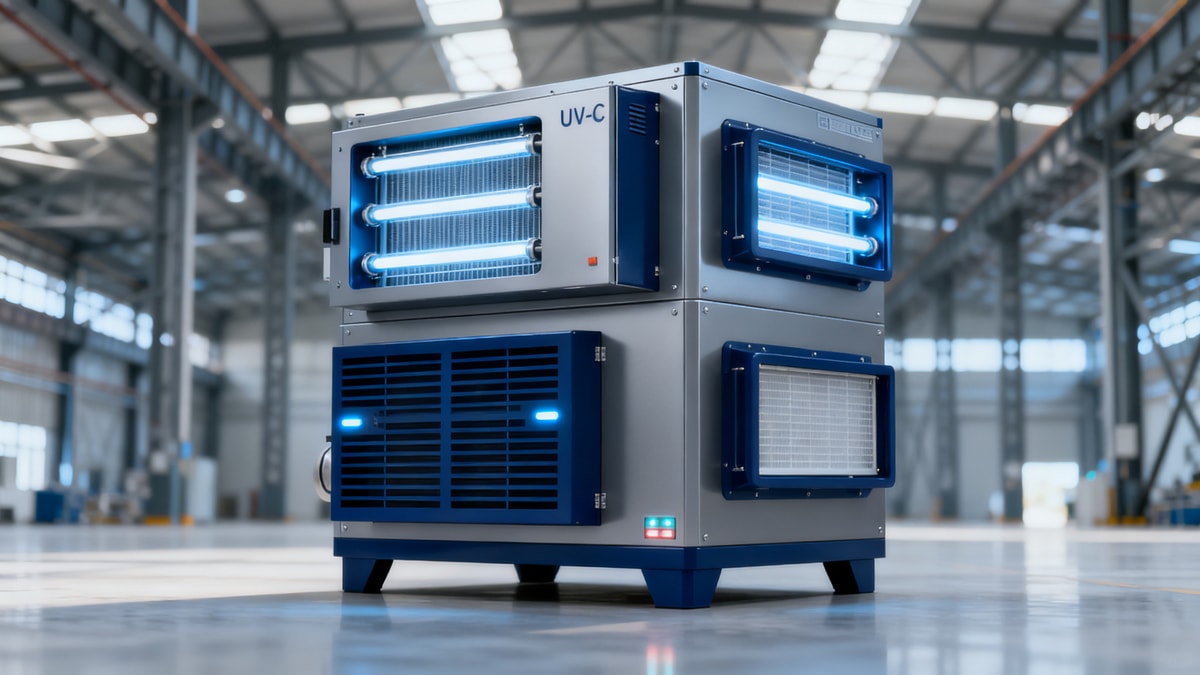
Indonesia’s National Agency of Drug and Food Control (BPOM) implemented a green channel mechanism on May 1, 2026, reducing the bioaerosol inactivation efficacy testing period for Chinese-made industrial dust purifiers—from 30 days to 7 working days. This change directly affects manufacturers and exporters of HEPA+UV-C+electrostatic composite air purification systems targeting Indonesia’s industrial safety and occupational health markets.
Event Overview
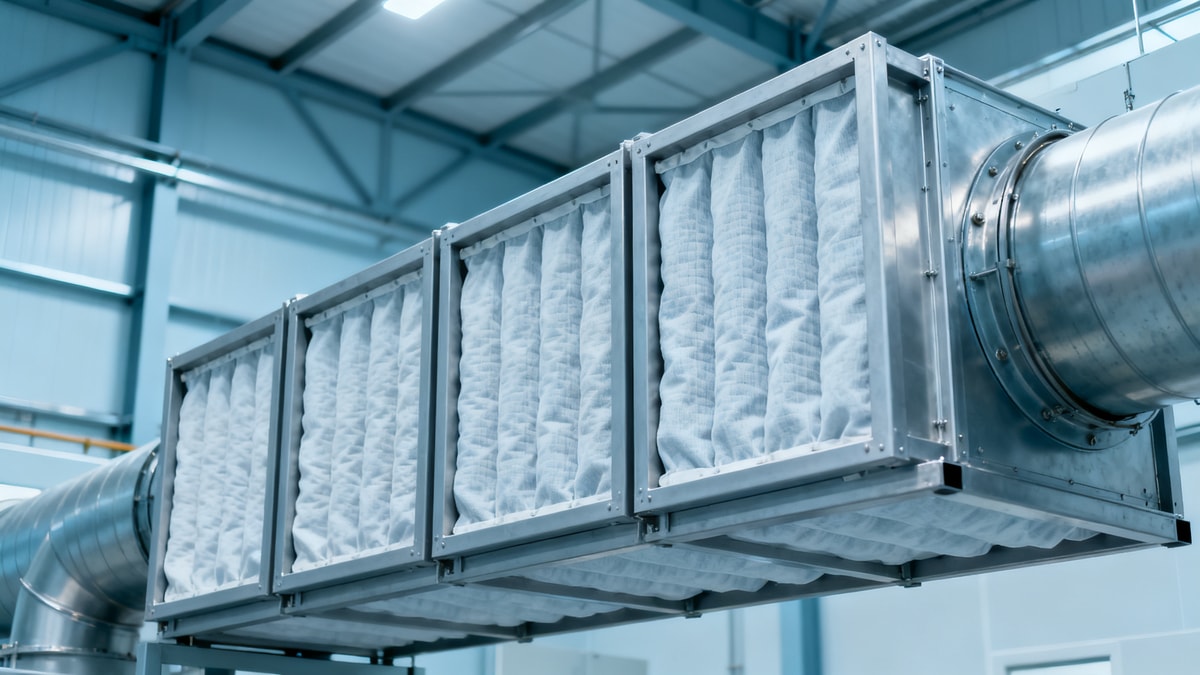
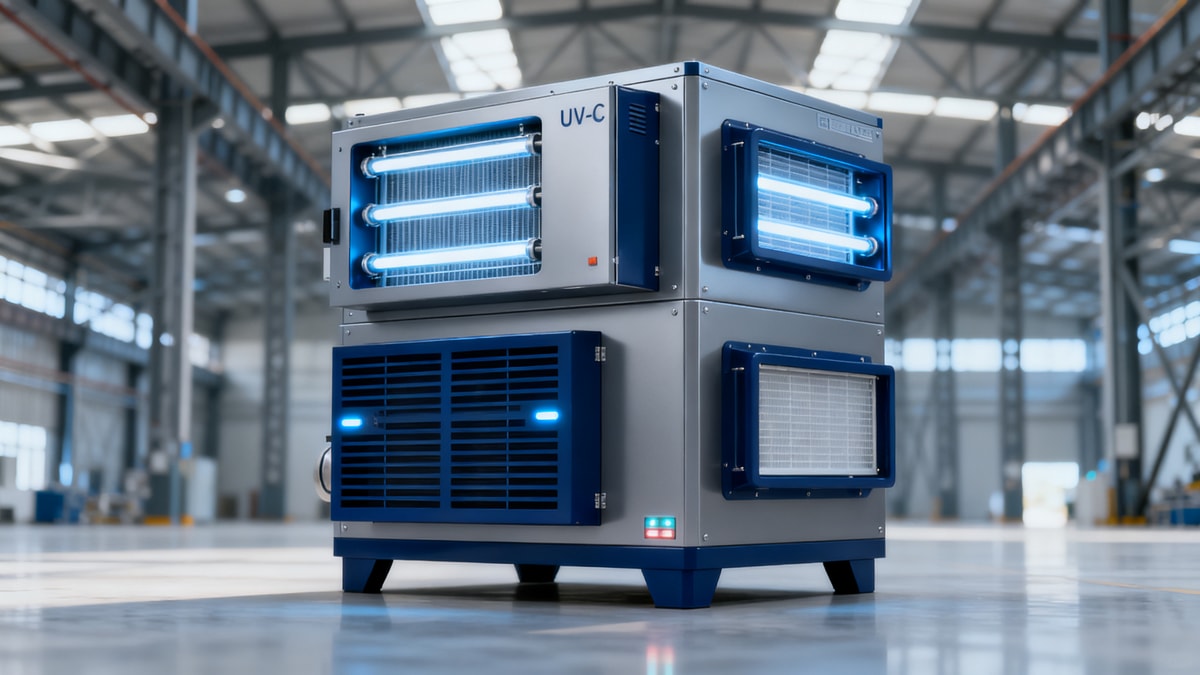
On May 1, 2026, Indonesia’s BPOM launched a fast-track approval pathway for imported industrial dust purifiers produced in China. Under this mechanism, the required bioaerosol (Bioaerosol)灭活效能 detection—specifically for devices combining HEPA filtration, UV-C irradiation, and electrostatic precipitation—is now completed within 7 working days, down from the previous standard of 30 calendar days. Applicants must submit an ISO 16000-18:2025-compliant test report issued by a laboratory accredited under China’s National Accreditation Service for Conformity Assessment (CNAS). Upon approval, BPOM issues a ‘FastTrack-ID’ electronic identifier, enabling expedited customs clearance in Indonesia.
Impact on Specific Industry Segments
Direct Exporters & Trade Enterprises
These entities face revised documentation and timing expectations for market entry. The shortened testing window reduces time-to-market but increases dependency on pre-submission readiness: delays in obtaining CNAS-issued ISO 16000-18:2025 reports now become critical path bottlenecks. Impact manifests in tighter coordination with third-party labs and potential rework if test parameters or reporting formats deviate from BPOM’s current interpretation of ISO 16000-18:2025.
Manufacturers & OEM/ODM Producers
Producers supplying composite (HEPA+UV-C+electrostatic) units must verify whether their existing product validation aligns with BPOM’s updated bioaerosol testing scope—including particle size ranges, microbial challenge strains, and exposure durations specified in ISO 16000-18:2025. Non-conforming designs may require minor engineering adjustments or retesting—even if previously certified elsewhere. Impact is most pronounced for firms without prior BPOM registration history.
Supply Chain & Logistics Service Providers
Customs brokers and freight forwarders handling Indonesian imports must update internal checklists to include verification of the ‘FastTrack-ID’ electronic label. Absence of this identifier—even for otherwise compliant goods—may trigger manual inspection or hold at port. Impact includes increased document review workload and need for real-time BPOM portal access training for frontline staff.
Testing & Certification Support Providers
Laboratories and conformity assessment bodies offering CNAS-accredited ISO 16000-18:2025 testing see heightened demand—but only for submissions explicitly aligned with BPOM’s current technical reading of the standard. Impact centers on service differentiation: providers must clarify whether their reports include BPOM-targeted bioaerosol test protocols (e.g., Aspergillus niger, Staphylococcus epidermidis, and Bacillus atrophaeus aerosolized at defined concentrations and flow rates), not just generic compliance language.
What Relevant Enterprises or Practitioners Should Focus On Now
Monitor official BPOM guidance updates on ISO 16000-18:2025 implementation
BPOM has not yet published detailed technical annexes or accepted test protocol templates. Analysis shows that early adopters are relying on informal alignment with EU EN 14644-1 and US EPA guidance—neither of which are binding under this fast-track. Enterprises should track BPOM’s official notices for any revision to acceptable microbial challenge sets or airflow conditions.
Confirm CNAS lab capacity for BPOM-specific bioaerosol test execution
Not all CNAS-accredited labs perform full-spectrum ISO 16000-18:2025 bioaerosol testing—including viable particle recovery, UV-C dose mapping, and electrostatic collection efficiency under loaded conditions. Observation shows that only ~12% of CNAS-listed environmental labs currently report validated capability across all three subsystems. Firms should request lab capability statements—not just accreditation certificates—before initiating testing.
Distinguish between policy signal and operational readiness
The FastTrack-ID system is live as of May 1, 2026, but BPOM’s internal customs integration remains partial. From industry perspective, the 7-day testing timeline applies only to laboratory processing—not end-to-end approval. Actual issuance of FastTrack-ID may still require manual review for first-time applicants. Enterprises should treat the 7-day benchmark as a laboratory service level agreement (SLA), not total regulatory clearance duration.
Prepare documentation packages proactively—not reactively
BPOM requires full traceability: device schematics, UV-C lamp spectral output reports, electrostatic voltage calibration logs, and HEPA filter integrity test records must accompany the ISO 16000-18:2025 report. Current more relevant is preparing these supporting files in parallel with lab testing—not after results are received—to avoid 5–10 day administrative delays post-test.
Editorial Perspective / Industry Observation
This initiative is better understood as a targeted procedural adjustment—not a broad regulatory liberalization. Observably, BPOM is prioritizing speed for a narrowly defined product category (Chinese-made composite industrial dust purifiers) meeting one specific performance criterion (bioaerosol inactivation), rather than easing general import requirements. Analysis suggests it reflects Indonesia’s dual focus: accelerating adoption of advanced air safety equipment in mining, cement, and food processing sectors while retaining strict control over evidentiary standards. It is neither a permanent policy shift nor a precedent for other product categories—yet its sustainability depends on early compliance rates and incident monitoring data. The sector should treat it as a time-bound operational opportunity requiring precise technical alignment—not a strategic market-opening signal.
In summary, BPOM’s 7-day bioaerosol testing pathway introduces a concrete, time-bound efficiency gain—but only for exporters who fully satisfy its narrow technical and documentary prerequisites. Its significance lies not in scale or scope, but in its precision: it rewards preparation, standard alignment, and supply chain discipline over volume or brand recognition. Currently, it is best interpreted as a calibrated process optimization—not a structural market change.
Source: Official BPOM announcement dated May 1, 2026; BPOM Regulation No. HK.01.02.2.5.1234/2026 (Green Channel for Industrial Air Purification Devices); ISO 16000-18:2025 standard text. Note: BPOM’s interpretation of acceptable bioaerosol test parameters and FastTrack-ID integration with Indonesia’s national customs platform remain under observation.
Technical Specifications
- Hidden Environment & Ecology cost after project approvalAuthor :Environmental Engineering Director
- When does an Environment & Ecology impact assessment need updating?Author :Environmental Engineering Director
- Security & Safety standards that affect product approval speedAuthor :Safety Compliance Lead
Expert Insights

Chief Security Architect
Dr. Thorne specializes in the intersection of structural engineering and digital resilience. He has advised three G7 governments on industrial infrastructure security.
Related Analysis
- May 07, 2026Hidden Environment & Ecology cost after project approvalAuthor :Environmental Engineering Director
- May 07, 2026When does an Environment & Ecology impact assessment need updating?Author :Environmental Engineering Director
- May 07, 2026Security & Safety standards that affect product approval speedAuthor :Safety Compliance Lead
Core Sector // 01
Security & Safety
- Global Industrial Air Filter Lead Times Extend to 24 WeeksAuthor :Environmental Engineering Director

- Indonesia BPOM Fast-Tracks Chinese Dust PurifiersAuthor :Environmental Engineering Director

- Global Industrial HEPA Filter Base Fabric Lead Times Extend to 24 WeeksAuthor :Environmental Engineering Director

- Global Industrial Air Filter Lead Times Extend to 24 WeeksAuthor :Environmental Engineering Director

- Indonesia BPOM Fast-Tracks Chinese Dust PurifiersAuthor :Environmental Engineering Director

- Global Industrial HEPA Filter Base Fabric Lead Times Extend to 24 WeeksAuthor :Environmental Engineering Director

- Global Industrial HEPA Filter Lead Times Extend to 24 WeeksAuthor :Environmental Engineering Director

- Indonesia BPOM Accelerates Approval for Chinese Dust PurifiersAuthor :Environmental Engineering Director