Global Industrial HEPA Filter Base Fabric Lead Times Extend to 24 Weeks
Author
Date Published
Reading Time
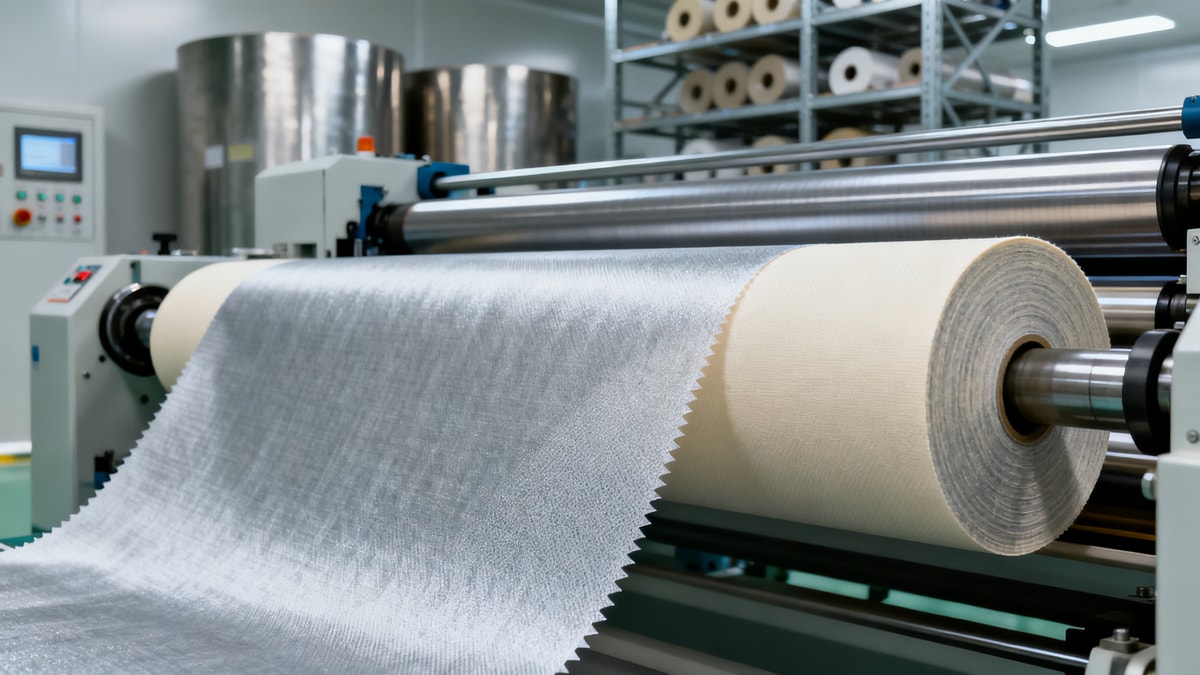
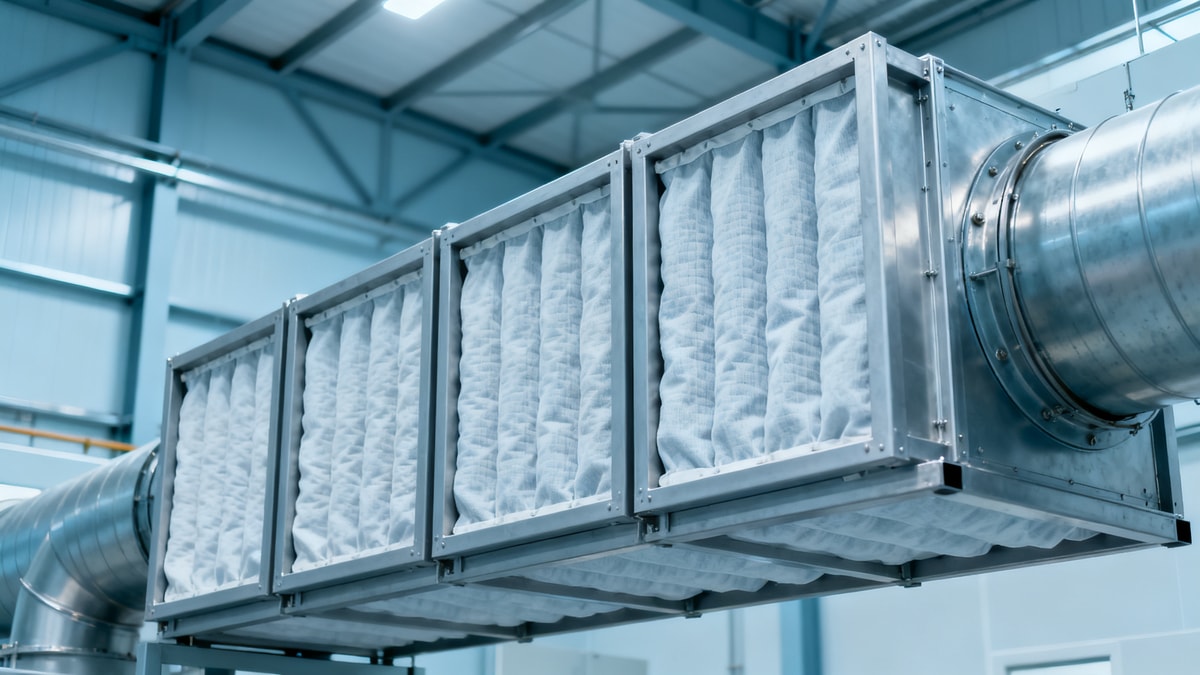
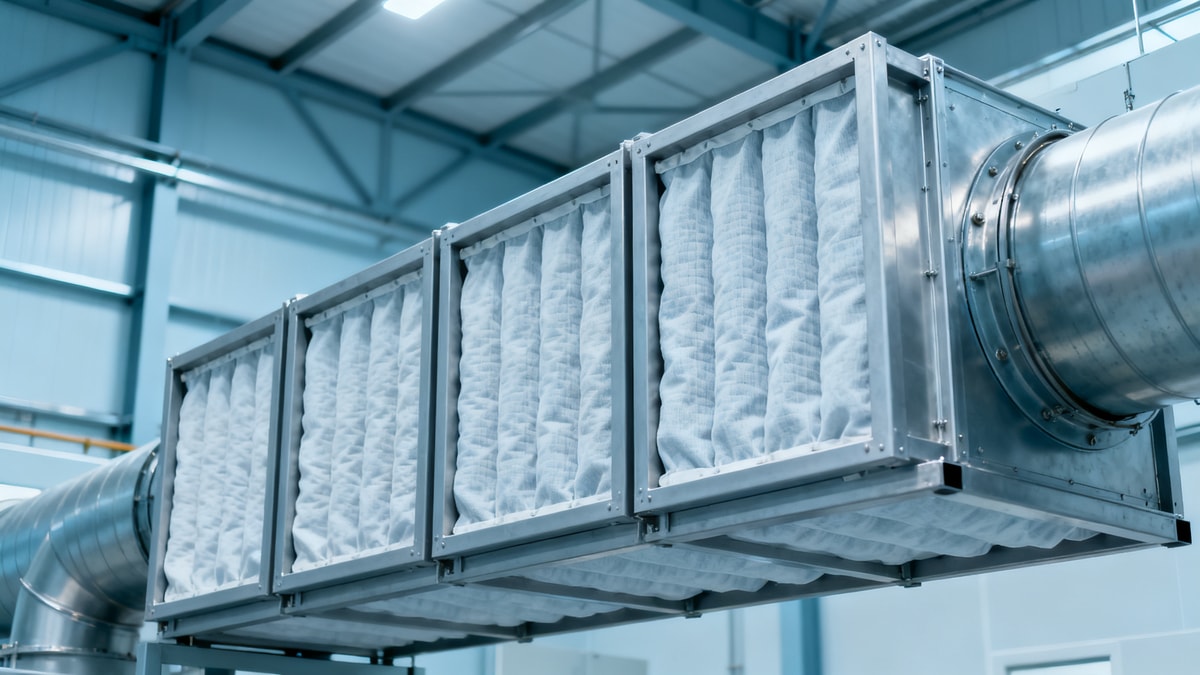
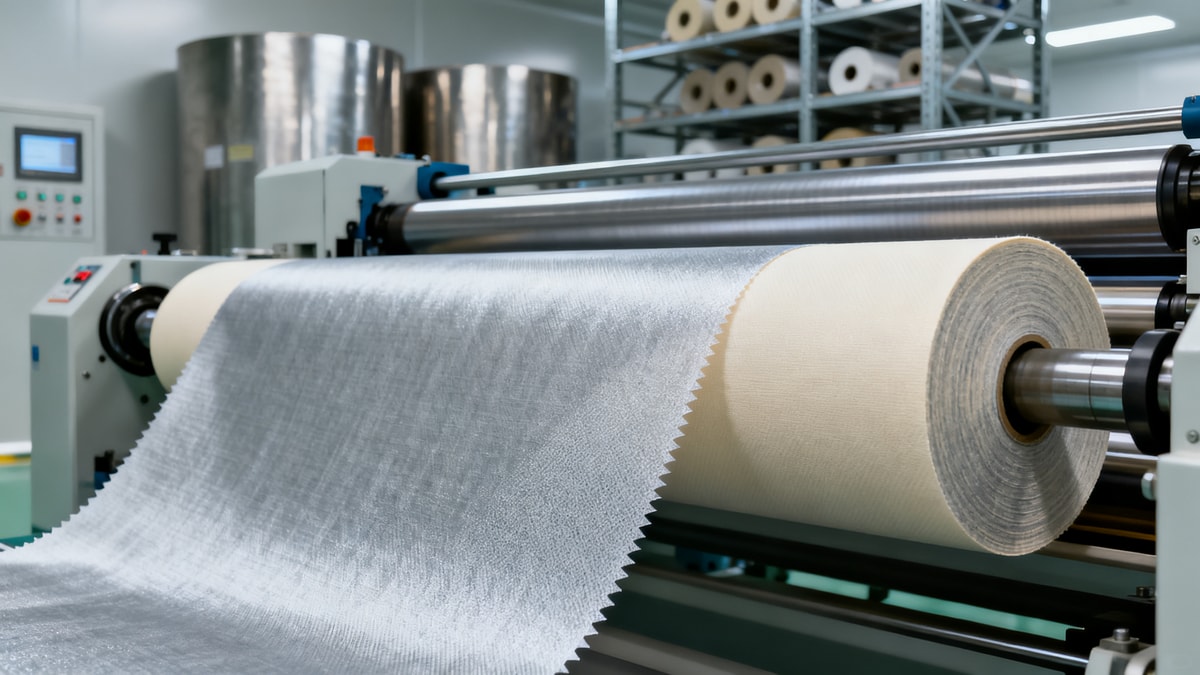
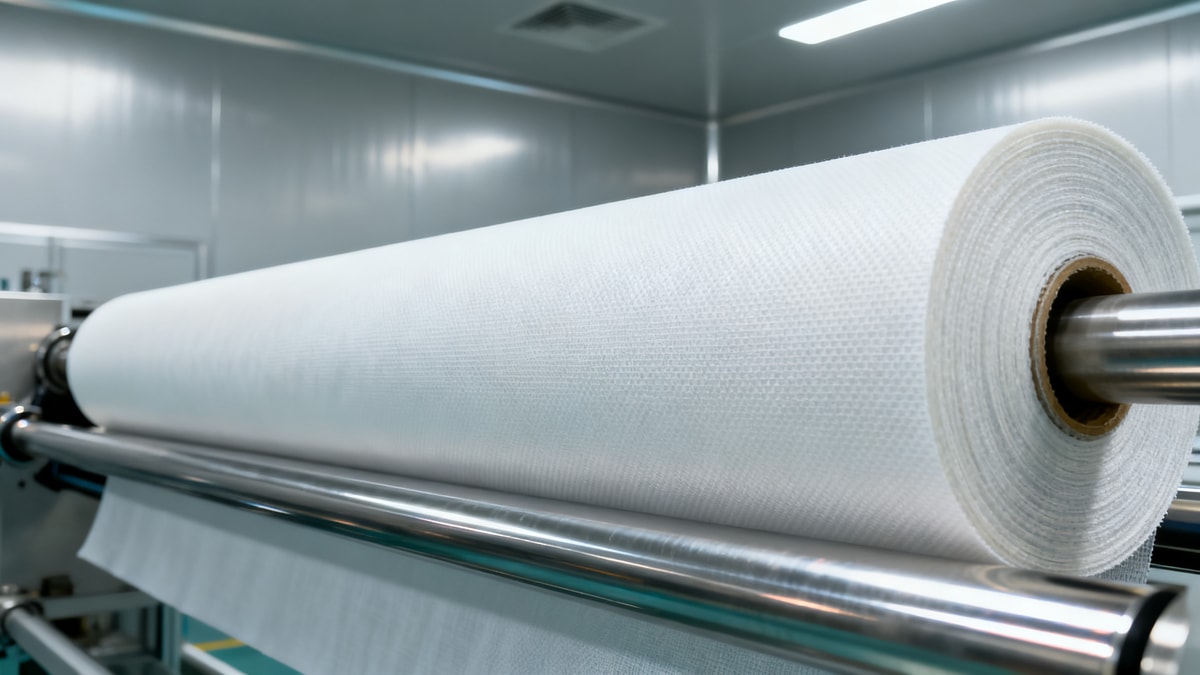
Global supply constraints for industrial-grade HEPA filter base fabrics — specifically PTFE/PPS composite nonwovens — have intensified, with lead times extended from 12 to 24 weeks. Though no precise date is cited in supplier notifications, the shift is confirmed as current (Q2–Q3 2024). Manufacturers of industrial air filtration systems, dust & air purifiers, and bioaerosol purification equipment — particularly those sourcing from China — should monitor this closely. This bottleneck reflects a structural reallocation of capacity, not a temporary logistics delay, and directly affects downstream OEM delivery schedules.
Event Overview
According to recent supply chain updates from Toray (Japan), Kolon Industries (South Korea), and Shandong Junfu (China), global production capacity for industrial-grade PTFE/PPS composite base fabrics is operating at full utilization. This is driven by bulk procurement orders from defense authorities in the U.S., Japan, and South Korea for nuclear, biological, and chemical (NBC) protective systems. As a result, average order-to-delivery lead time has doubled from 12 weeks to 24 weeks. No further timeline revisions or volume forecasts have been publicly released by the suppliers.
Industries Affected
Raw Material Procurement Enterprises
These firms source HEPA base fabrics directly from Toray, Kolon, or Junfu. They face immediate pressure on procurement planning: longer lead times reduce flexibility in inventory management and increase working capital requirements. Delays also trigger cascading rescheduling across multi-tier supply agreements.
Industrial Air Filter & Purifier OEMs
OEM manufacturers — especially those producing dust collectors, HVAC-grade air filters, and bioaerosol purification units — rely on consistent base fabric supply to maintain assembly lines. Extended lead times constrain their ability to meet committed delivery dates, particularly for export contracts with fixed milestones or penalty clauses.
Downstream Equipment Integrators
Companies integrating filtration modules into larger systems (e.g., cleanroom infrastructure, medical isolation units, or industrial ventilation skids) may encounter component shortages. Since base fabric quality directly impacts final filter efficiency and certification compliance (e.g., ISO 16890, EN 1822), substitution introduces validation risks and potential re-certification cycles.
What Enterprises Should Monitor and Do Now
Track official procurement policy signals from defense agencies
While current demand stems from confirmed defense orders, future volume adjustments will likely follow national NBC readiness updates or budget cycle announcements — particularly in the U.S. Department of Defense’s FY2025 procurement plan and Japan’s FY2024 Defense Equipment Agency notices.
Validate alternative base fabric specifications early
Some OEMs have initiated verification of substitute nonwoven substrates. Focus should be on mechanical strength, thermal stability (≥200°C), and fiber adhesion compatibility with HEPA-grade glass microfiber media — not just dimensional equivalence. Validation must include accelerated aging and pressure-drop testing under rated airflow conditions.
Reassess safety stock levels and dual-sourcing feasibility
Given the 24-week horizon, enterprises should recalculate minimum viable buffer stock based on current monthly consumption and projected delivery variability. Where technically feasible, evaluate onboarding secondary suppliers — including regional producers outside the three named vendors — while accounting for qualification timelines and consistency certifications.
Editorial Perspective / Industry Observation
Observably, this development signals a structural shift in high-performance filtration material allocation — one where defense-critical demand now sets the pace for industrial-grade supply availability. It is not yet a market-wide shortage, but rather a capacity prioritization event within a tightly specialized segment. Analysis shows that PTFE/PPS base fabrics are not readily substitutable due to their unique combination of chemical inertness, thermal resilience, and dimensional stability under high-temperature pleating processes. From an industry perspective, this episode highlights how niche functional materials can become systemic bottlenecks when geopolitical priorities intersect with limited manufacturing scale. Continued monitoring is warranted, as no supplier has indicated near-term capacity expansion plans.
This situation is best understood not as a transient disruption, but as a recalibration of supply hierarchy — where defense-grade requirements now anchor baseline availability for adjacent commercial applications. For affected enterprises, proactive material qualification and transparent communication with end customers about revised timelines represent the most pragmatic response pathways.
Source Attribution
Main sources: Toray Industries (Japan), Kolon Industries (South Korea), Shandong Junfu Nonwovens Co., Ltd. (China). No third-party verification or independent market data has been cited. Ongoing observation is recommended regarding any formal capacity announcements or defense procurement volume disclosures in H2 2024.
Technical Specifications
- Hidden Environment & Ecology cost after project approvalAuthor :Environmental Engineering Director
- When does an Environment & Ecology impact assessment need updating?Author :Environmental Engineering Director
- Security & Safety standards that affect product approval speedAuthor :Safety Compliance Lead
Expert Insights

Chief Security Architect
Dr. Thorne specializes in the intersection of structural engineering and digital resilience. He has advised three G7 governments on industrial infrastructure security.
Related Analysis
- May 07, 2026Hidden Environment & Ecology cost after project approvalAuthor :Environmental Engineering Director
- May 07, 2026When does an Environment & Ecology impact assessment need updating?Author :Environmental Engineering Director
- May 07, 2026Security & Safety standards that affect product approval speedAuthor :Safety Compliance Lead
Core Sector // 01
Security & Safety
- Global Industrial Air Filter Lead Times Extend to 24 WeeksAuthor :Environmental Engineering Director

- Indonesia BPOM Fast-Tracks Chinese Dust PurifiersAuthor :Environmental Engineering Director

- Global Industrial HEPA Filter Base Fabric Lead Times Extend to 24 WeeksAuthor :Environmental Engineering Director

- Global Industrial Air Filter Lead Times Extend to 24 WeeksAuthor :Environmental Engineering Director

- Indonesia BPOM Fast-Tracks Chinese Dust PurifiersAuthor :Environmental Engineering Director

- Global Industrial HEPA Filter Base Fabric Lead Times Extend to 24 WeeksAuthor :Environmental Engineering Director

- Global Industrial HEPA Filter Lead Times Extend to 24 WeeksAuthor :Environmental Engineering Director

- Indonesia BPOM Accelerates Approval for Chinese Dust PurifiersAuthor :Environmental Engineering Director