Global Industrial Air Filter Lead Times Extend to 24 Weeks
Author
Date Published
Reading Time

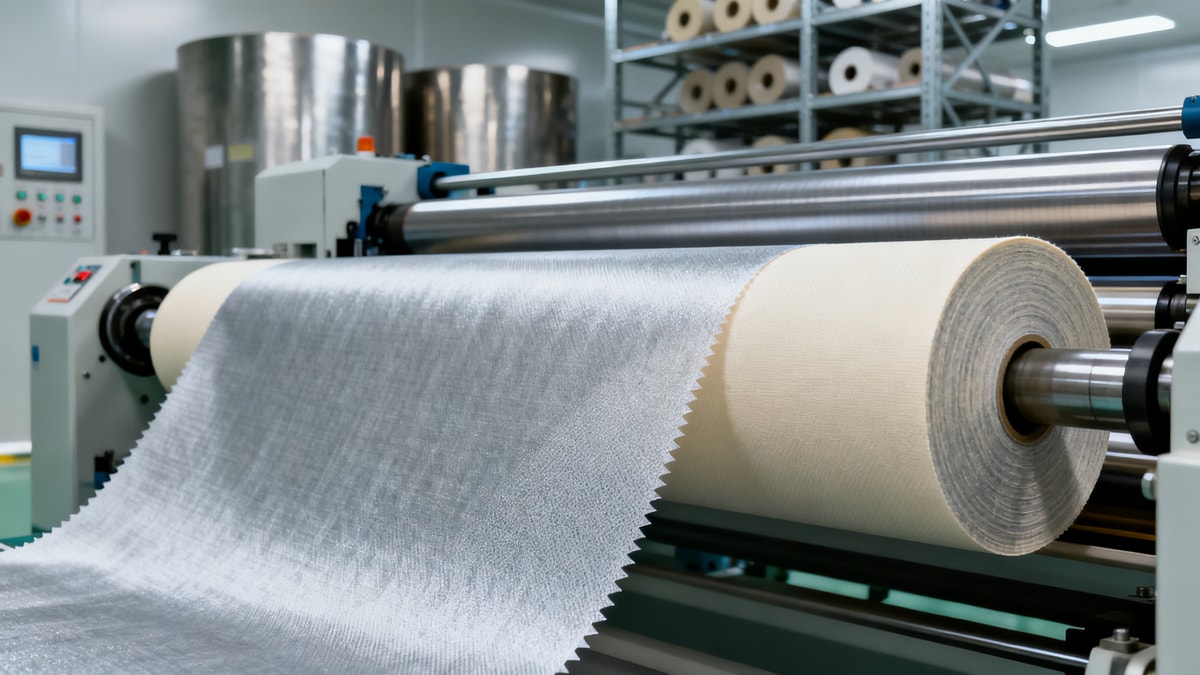
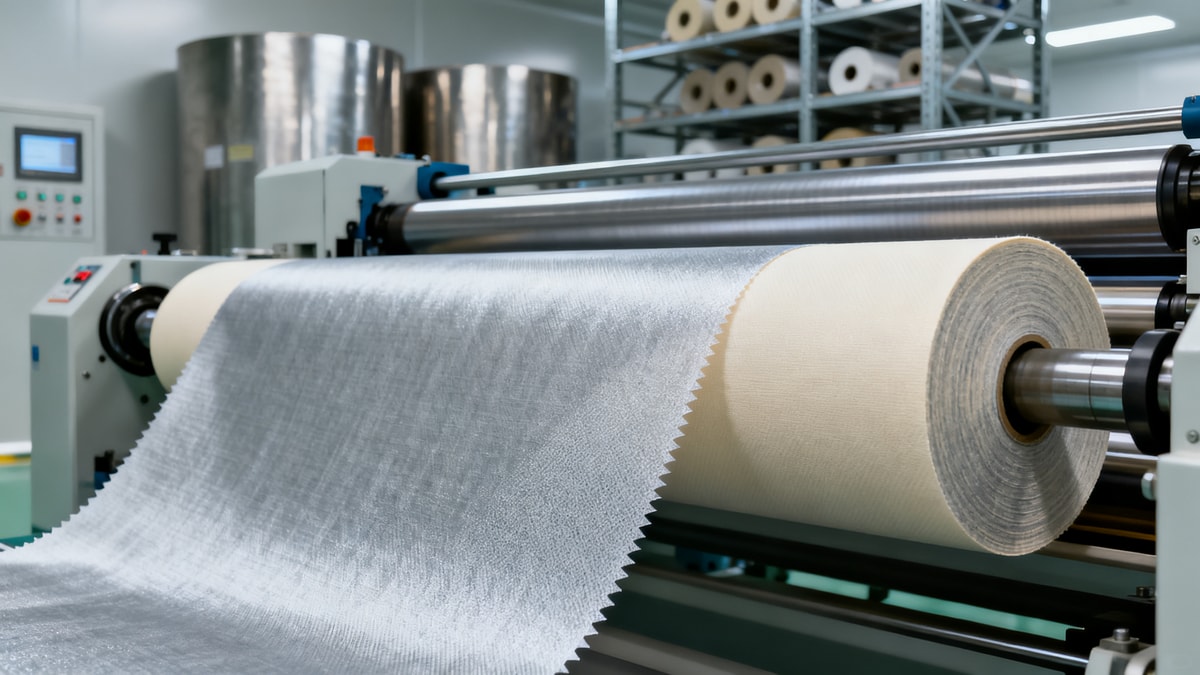
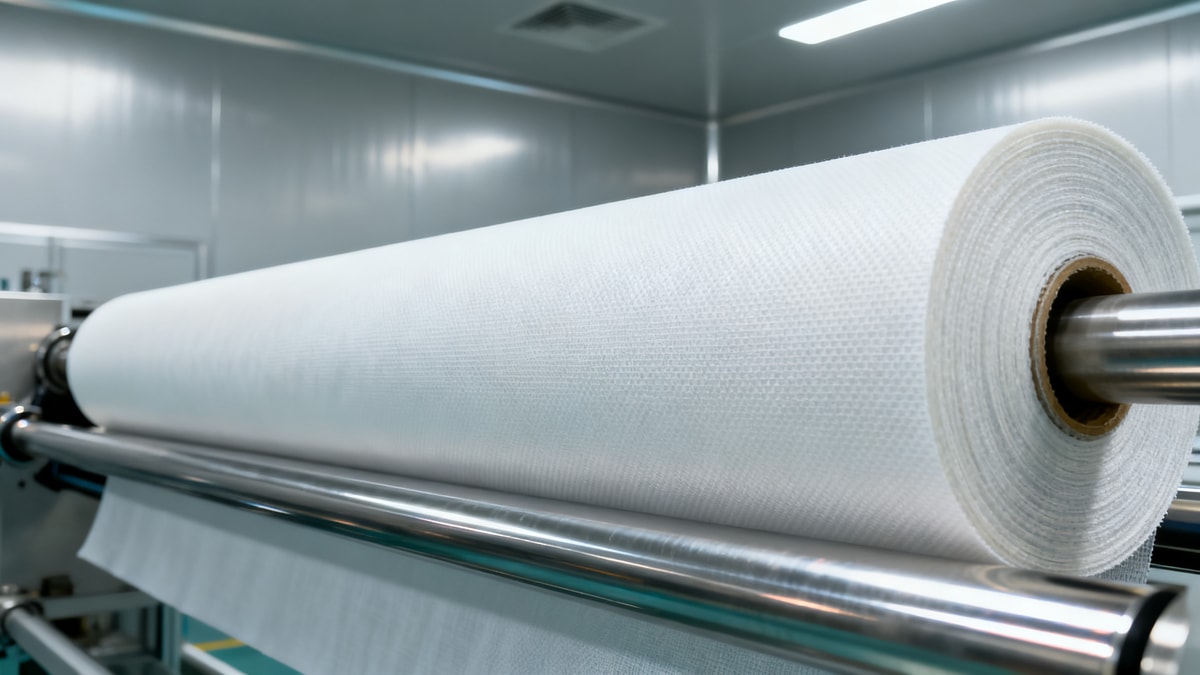
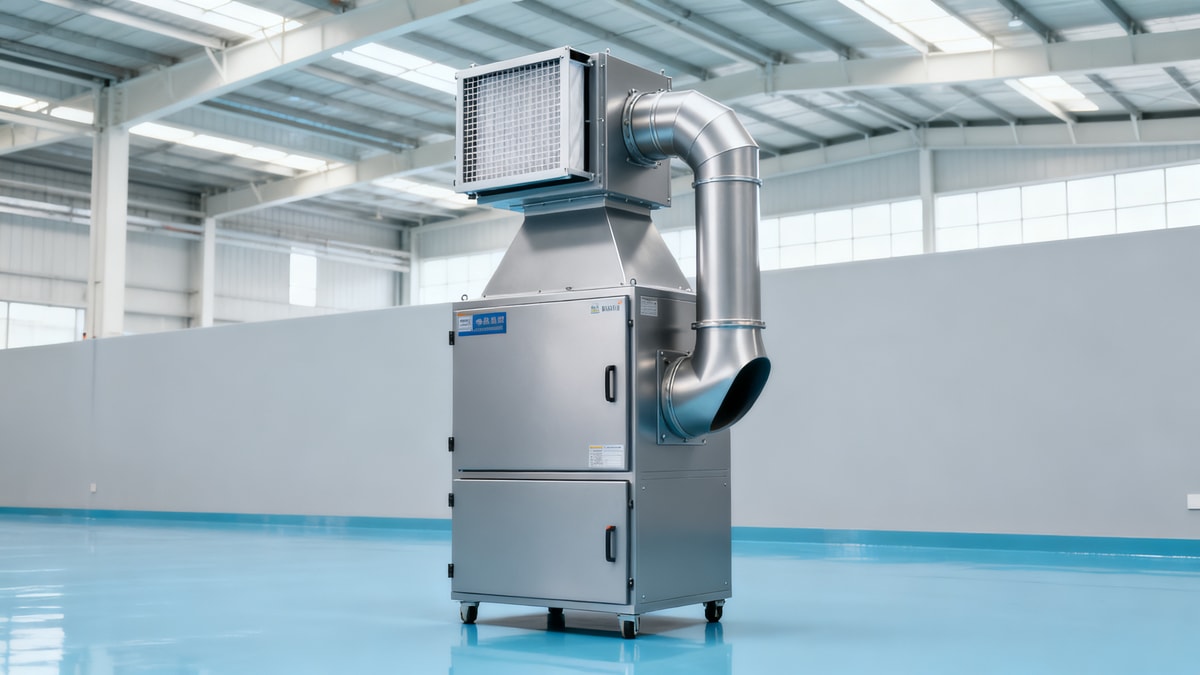
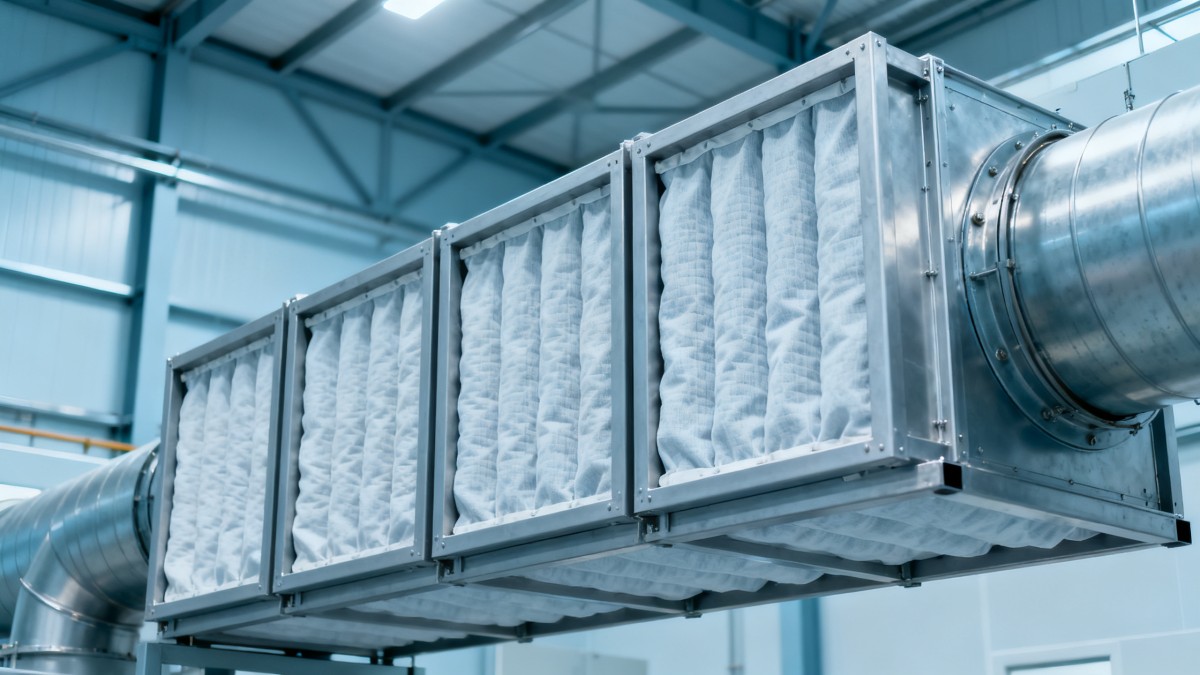
Global industrial air filter lead times have extended to 24 weeks as of May 6, 2026, driven by a shortage of HEPA-grade nonwoven base fabrics—many of which are being redirected toward defense applications. This development directly affects industries reliant on cleanroom environments, HVAC systems for critical facilities, and emission control infrastructure, including semiconductor manufacturing, pharmaceutical production, and precision electronics assembly.
Event Overview
On May 6, 2026, major Chinese industrial air filter manufacturers—including Chongqing Naidex and Suzhou Antai—jointly issued a supply warning. They confirmed that average lead times for standard industrial bag-type and panel-type filters have increased to 24 weeks. The cause cited is constrained availability of HEPA-grade base fabric. Several manufacturers are now validating polypropylene (PP) melt-blown + nanofiber composite nonwoven alternatives. These alternatives have passed preliminary ISO 16890:2016 screening; CNAS certification is expected in Q3 2026.
Impact on Specific Industry Segments
Direct Trading Enterprises
Trading firms handling industrial air filtration products face extended order-to-delivery cycles and reduced inventory turnover. Since delivery timelines are now tied to raw material allocation rather than production capacity, contract fulfillment risk has risen—particularly for time-bound projects such as cleanroom retrofits or facility commissioning.
Raw Material Procurement Entities
Procurement teams sourcing HEPA-grade base fabrics or finished filter media are encountering tighter allocations and less price transparency. With military demand prioritized, commercial procurement channels are experiencing longer qualification lead times and fewer available suppliers—especially for certified Class H13–H14 media.
Filter Manufacturing & Assembly Firms
Manufacturers relying on traditional HEPA base fabric face production bottlenecks and scheduling uncertainty. Those without in-house nonwoven R&D capabilities may struggle to qualify alternative materials quickly. The ongoing validation of PP melt-blown + nanofiber composites introduces both technical dependency (e.g., fiber dispersion uniformity, electrostatic stability) and certification timing risk.
Supply Chain & Logistics Service Providers
Third-party logistics and supply chain integrators supporting industrial filtration clients must adjust buffer stock planning and expedite coordination with customs and quality assurance departments. Extended lead times increase exposure to forecast inaccuracy and require earlier engagement with end customers to align delivery expectations.
What Relevant Enterprises or Practitioners Should Monitor and Do Now
Track official certification progress for alternative media
Monitor public updates from CNAS and participating manufacturers regarding the timeline and scope of certification for PP melt-blown + nanofiber composites. Certification outcomes will determine whether these alternatives meet performance requirements across particle size ranges (e.g., ePM1, ePM2.5) under ISO 16890:2016.
Review current filter specifications against upcoming supply constraints
Assess whether existing project specifications mandate HEPA-grade base fabric—or if equivalent filtration efficiency can be achieved via validated alternative media. Where flexibility exists, early specification alignment with engineering stakeholders can reduce delay exposure.
Engage with suppliers on dual-sourcing feasibility and documentation readiness
Initiate discussions with filter suppliers about their ability to provide traceable test reports, batch-level performance data, and transition plans between legacy and alternative media. Documentation readiness directly impacts qualification speed for regulated end-use sectors (e.g., GMP, ISO 14644).
Adjust procurement planning horizons and safety stock levels
Extend internal procurement lead-time assumptions beyond 24 weeks where possible—especially for mission-critical applications—and reassess minimum viable safety stock for key filter models. Avoid single-point reliance on just-in-time replenishment models during this period.
Editorial Perspective / Industry Observation
Observably, this supply constraint is less an isolated shortage and more a structural reallocation signal—reflecting heightened priority for HEPA-grade nonwovens in defense-related filtration applications. Analysis shows the 24-week lead time is not yet a market-wide equilibrium but a reactive response to upstream scarcity; it remains uncertain whether alternative media will fully offset capacity gaps before Q4 2026. From an industry perspective, the shift underscores growing interdependence between civilian air quality infrastructure and national security supply chains—a dynamic that warrants sustained monitoring beyond near-term procurement planning.
Current developments are better understood as an early-stage supply shock with cascading implications—not yet a settled new normal, but one requiring proactive scenario planning across procurement, engineering, and operations functions.
Conclusion
This lead-time extension reflects a material-level bottleneck with measurable downstream consequences—not merely a logistical delay. It signals tightening access to high-efficiency filtration media at scale, driven by cross-sectoral demand competition. For industry stakeholders, the event is best interpreted as a prompt to reevaluate media qualification pathways, supplier diversification strategies, and specification rigidity—not as a temporary disruption to be waited out.
Information Sources
Primary source: Joint supply warning issued by Chongqing Naidex, Suzhou Antai, and other unnamed Chinese industrial air filter manufacturers on May 6, 2026. Certification status for PP melt-blown + nanofiber composites remains pending CNAS confirmation; ongoing validation is subject to change and requires continued observation.
Technical Specifications
- Hidden Environment & Ecology cost after project approvalAuthor :Environmental Engineering Director
- When does an Environment & Ecology impact assessment need updating?Author :Environmental Engineering Director
- Security & Safety standards that affect product approval speedAuthor :Safety Compliance Lead
Expert Insights

Chief Security Architect
Dr. Thorne specializes in the intersection of structural engineering and digital resilience. He has advised three G7 governments on industrial infrastructure security.
Related Analysis
- May 07, 2026Hidden Environment & Ecology cost after project approvalAuthor :Environmental Engineering Director
- May 07, 2026When does an Environment & Ecology impact assessment need updating?Author :Environmental Engineering Director
- May 07, 2026Security & Safety standards that affect product approval speedAuthor :Safety Compliance Lead
Core Sector // 01
Security & Safety
- Global Industrial Air Filter Lead Times Extend to 24 WeeksAuthor :Environmental Engineering Director

- Indonesia BPOM Fast-Tracks Chinese Dust PurifiersAuthor :Environmental Engineering Director

- Global Industrial HEPA Filter Base Fabric Lead Times Extend to 24 WeeksAuthor :Environmental Engineering Director

- Global Industrial Air Filter Lead Times Extend to 24 WeeksAuthor :Environmental Engineering Director

- Indonesia BPOM Fast-Tracks Chinese Dust PurifiersAuthor :Environmental Engineering Director

- Global Industrial HEPA Filter Base Fabric Lead Times Extend to 24 WeeksAuthor :Environmental Engineering Director

- Global Industrial HEPA Filter Lead Times Extend to 24 WeeksAuthor :Environmental Engineering Director

- Indonesia BPOM Accelerates Approval for Chinese Dust PurifiersAuthor :Environmental Engineering Director