Wholesale Lightning Arresters: What Matters Most
Author
Date Published
Reading Time
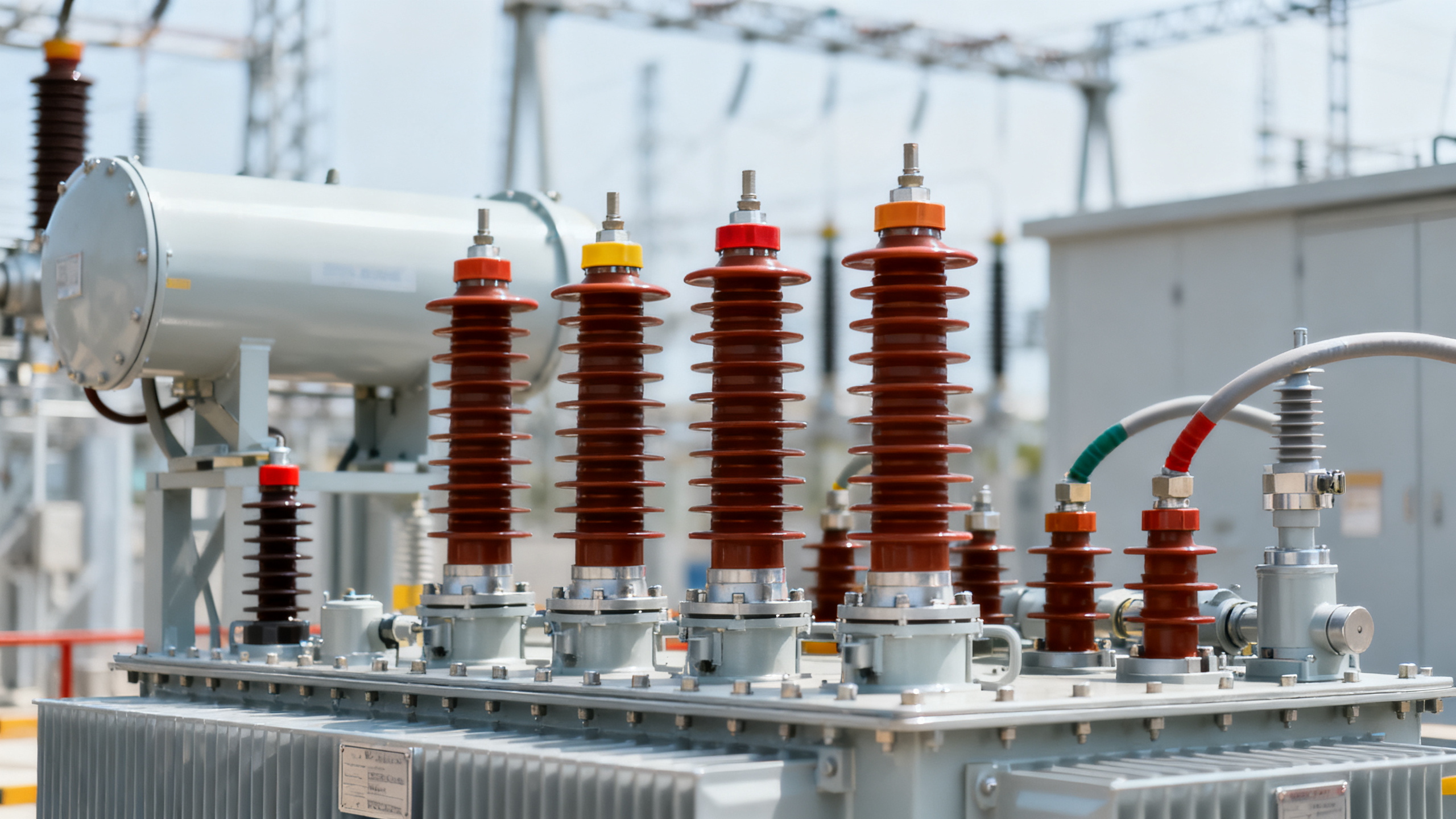
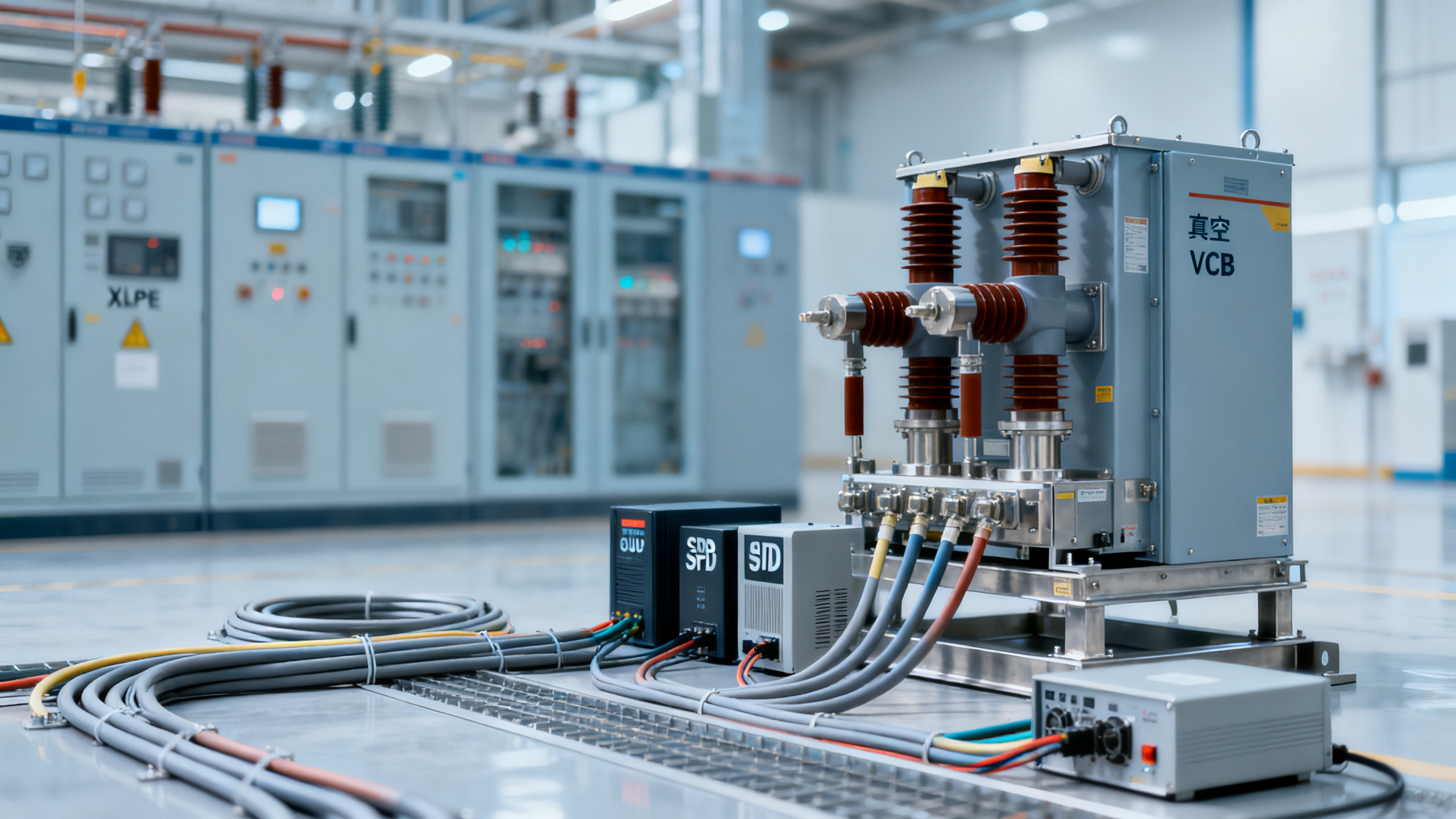
When sourcing wholesale lightning arresters, buyers must look beyond price to verify surge performance, standards compliance, and long-term reliability in demanding power environments. For EPC teams, plant operators, and procurement leaders comparing surge protective device SPD solutions alongside xlpe power cables, vacuum circuit breakers VCB, and high voltage disconnectors, the right choice directly affects grid safety, asset protection, and operational continuity.
What matters most when evaluating wholesale lightning arresters?
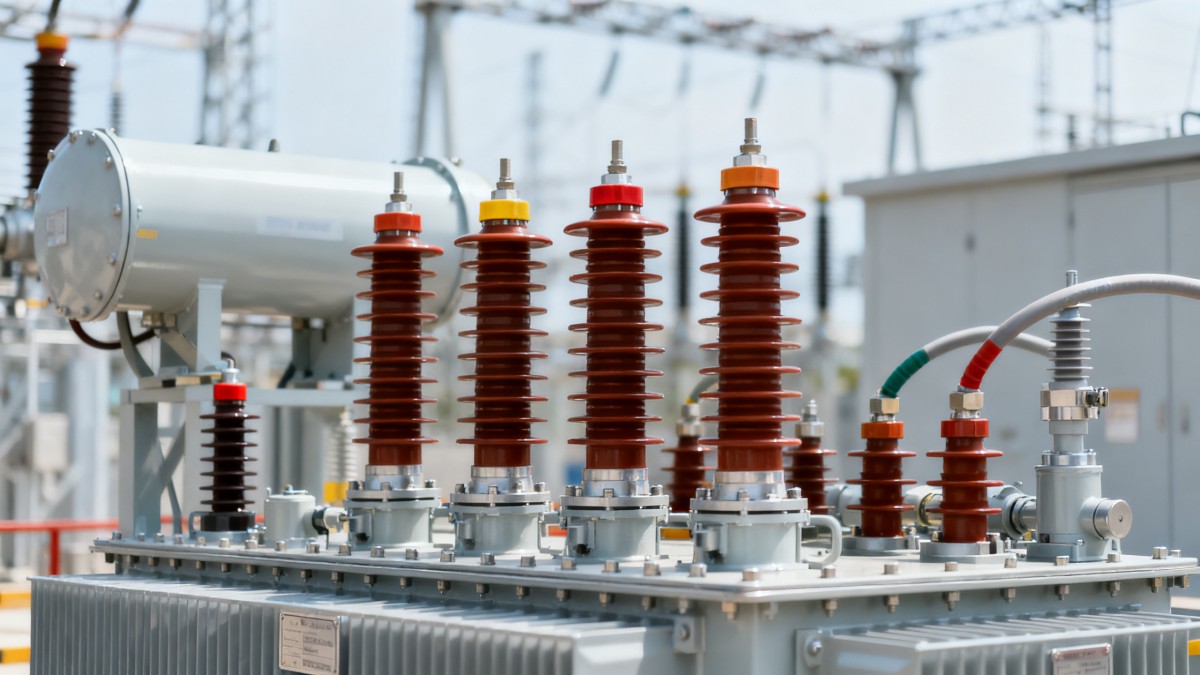
In industrial power systems, a lightning arrester is not a generic accessory. It is a protective component designed to limit transient overvoltage and divert surge energy away from transformers, switchgear, cables, motors, and control systems. For buyers managing medium-voltage or high-voltage projects, the main question is not simply whether an arrester fits the voltage class, but whether it performs reliably across installation conditions, fault exposure, and service life expectations that often extend 10 to 20 years.
Wholesale procurement adds another layer of complexity. A unit that appears similar on paper may differ significantly in housing material, energy handling capability, pollution resistance, sealing quality, and traceability of routine test records. In harsh utility, mining, petrochemical, or industrial plant environments, these differences affect outage risk, inspection intervals, and replacement costs. That is why experienced procurement teams usually review at least 5 core dimensions before comparing price: rated voltage, discharge capability, applicable standards, environmental suitability, and supplier documentation quality.
For information researchers and technical users, it is also important to separate lightning arresters from broader SPD categories. Low-voltage SPDs used in panels and electronics address one protection layer, while station class, distribution class, or polymer-housed metal-oxide lightning arresters protect upstream assets in electrical and power grid systems. Selection errors often happen when buyers treat all surge protection products as interchangeable even though their duty cycles, installation points, and insulation coordination roles are different.
Global Industrial Core supports this decision process by focusing on the practical intelligence behind sourcing, not just catalog descriptions. For EPC contractors, facility managers, and industrial purchasing teams, the value lies in connecting technical performance, compliance interpretation, and sourcing risk into one decision framework. That is especially useful when arresters must integrate with adjacent equipment packages and when a delayed or weak protection choice can affect commissioning schedules by 2 to 6 weeks.
The 5 checkpoints buyers should verify first
- Confirm voltage alignment, including system nominal voltage, maximum continuous operating voltage, and insulation coordination with upstream and downstream equipment.
- Review surge current ratings such as nominal discharge current and high-current impulse capability based on expected exposure level.
- Check housing and environmental resistance for UV exposure, contamination, humidity, altitude, and mechanical stress in outdoor service.
- Request routine test reports, type test references, and material traceability rather than relying only on a datasheet summary.
- Evaluate logistics, spare policy, and batch consistency when ordering small, medium, or project-scale quantities.
If one of these checkpoints is weak, the lowest quote often becomes the highest lifecycle cost. A failed arrester may not just require replacement; it can also expose connected XLPE cable systems, VCB panels, disconnectors, and transformer terminals to repeated stress that shortens asset life over time.
Which technical parameters and standards deserve the closest attention?
Technical review should begin with the arrester’s electrical duty rather than the sales description. Buyers typically compare rated voltage, MCOV, nominal discharge current, line discharge class where relevant, pressure relief behavior, and residual voltage characteristics. In practical terms, these values help determine whether the arrester can survive repetitive surge events and still protect connected equipment within acceptable insulation margins.
For many industrial and utility projects, standards compliance is a gatekeeping issue. Depending on application and destination market, teams often reference IEC 60099 series requirements for surge arresters, while broader procurement packages may also require CE-related declarations, ISO-based manufacturing controls, or utility-specific technical schedules. The critical point is not to assume that one certificate covers all applications. Buyers should verify whether the documentation applies to the exact voltage class, housing type, and configuration being purchased.
Another point that deserves closer scrutiny is environmental suitability. An arrester installed in a coastal substation, cement plant, steel facility, or desert solar project faces very different contamination and thermal conditions. Polymer-housed units are often preferred for lower weight and improved contamination performance, but the quality of sealing, creepage design, and internal varistor assembly still matters. In exposed sites, inspection cycles may be quarterly or semiannual, so durable construction reduces maintenance burden.
The table below helps procurement teams compare the technical and compliance items that most often affect acceptance decisions. It is especially useful when a project team must assess multiple wholesale lightning arrester offers within a short bid review window of 7 to 15 days.
A useful rule is to compare protective performance and proof package together. A strong datasheet without test traceability leaves risk on the buyer’s side, while extensive paperwork without proper electrical matching can still lead to field issues. Balanced review reduces approval delays and improves commissioning confidence.
Why residual voltage and duty class affect downstream equipment
Residual voltage is the protective level seen by equipment during surge events. If it is too high relative to the insulation capability of transformers, cable terminations, or switchgear, protection becomes less effective even when the arrester itself survives. This is why engineers examine arrester performance together with cable runs, BIL considerations, and switching conditions instead of reviewing arrester data in isolation.
Duty class also matters because not every site experiences the same surge profile. A compact indoor installation feeding sensitive controls differs from an exposed overhead-connected feeder in a storm-prone area. In procurement language, the buyer is not purchasing only a component; the buyer is purchasing a protection margin that must remain valid across the site’s actual electrical stress profile.
How should EPC teams and buyers compare options by application scenario?
Application context often decides which wholesale lightning arrester is the better choice. A utility substation, a manufacturing campus, a renewable energy collector station, and a mining distribution network all impose different design priorities. Some projects focus on contamination resistance and outdoor endurance. Others prioritize compact installation, coordination with VCB panels, or reduced maintenance access over a 12-month operating cycle.
This is where comparison analysis becomes more useful than generic definitions. Procurement teams usually need to balance three things at once: technical adequacy, installation practicality, and supply certainty. A product that is technically suitable but lacks stable lead time can disrupt phased construction. A product with fast shipment but incomplete compliance support may stall inspection and payment milestones.
The comparison below summarizes common selection patterns by scenario. It is not a substitute for system study, but it helps researchers, operators, and buyers narrow the field before requesting detailed technical clarification from suppliers.
The most important takeaway is that the “best” arrester depends on service conditions and project constraints, not only on rated values. A lower-maintenance design may create better value over 3 to 5 years even if the initial purchase price is higher, especially where access equipment, shutdown permits, or remote labor mobilization increase service cost.
A practical 4-step comparison workflow
- Map the arrester location within the power path, including transformer inlet, cable termination, feeder bay, or equipment interface.
- Define the site stress factors such as altitude, contamination level, lightning exposure, and maintenance frequency.
- Shortlist 2 to 4 technically acceptable options using voltage, discharge, and standard criteria.
- Compare supply risks including lead time, document readiness, inspection support, and spare availability.
This workflow is especially effective for enterprise decision-makers who need a structured approval path between engineering, procurement, quality control, and project management without repeating the same review from the start.
What procurement risks, cost drivers, and common mistakes should be avoided?
Price pressure is real in wholesale sourcing, but industrial buyers should distinguish between purchase price and installed protection value. Cost drivers usually include housing type, voltage class, test package depth, project documentation, accessories, packaging method, and shipment mode. For scheduled project supply, the difference between sea freight and expedited delivery can materially affect total landed cost, especially if the order is tied to mechanical completion milestones.
One common mistake is buying strictly to the minimum specification without considering environmental exposure or future maintenance burden. Another is assuming that all suppliers define ratings with the same level of transparency. Buyers should request a consistent review pack: datasheet, standards statement, test summary, drawing, packing method, and expected lead time. In many projects, this 6-item document set reveals gaps faster than long email exchanges.
There is also a coordination risk with adjacent equipment. If lightning arresters are sourced separately from cable accessories, switchgear, or disconnectors, interface assumptions may be missed. A practical way to reduce this issue is to review the protection scheme as part of the broader electrical bill of materials and not as an isolated line item. This is particularly important when the same package includes XLPE power cables, VCBs, transformer accessories, and grounding hardware.
Global Industrial Core is valuable in this stage because buyers often do not need more brochures; they need a decision filter. By translating technical language into sourcing checkpoints and implementation risks, GIC helps teams shorten internal review cycles and ask sharper questions before issuing RFQs or finalizing vendor lists.
Frequent misconceptions in wholesale lightning arrester sourcing
“If the voltage class matches, the product is suitable.”
Voltage class is only one filter. Surge current capability, residual voltage, environmental design, and test evidence also shape suitability. Two arresters with similar nominal voltage can behave differently under real surge and contamination conditions.
“The lowest unit price reduces project cost.”
A lower unit price may increase total cost if failure risk, document delays, or replacement frequency rise. In industrial settings, one avoided shutdown can outweigh a small per-unit saving across the entire purchase batch.
“Standard compliance is the same as field readiness.”
Compliance matters, but buyers still need to review practical details such as terminal configuration, mounting, transport packaging, humidity protection, and batch marking. Field readiness depends on both design and execution quality.
FAQ and next-step guidance for buyers comparing SPD and arrester solutions
The final stage of sourcing often involves a mix of technical, commercial, and operational questions. The answers below address the most common concerns raised by researchers, operators, procurement teams, and decision-makers evaluating wholesale lightning arresters for industrial and infrastructure projects.
How do I choose between a lightning arrester and an SPD?
They address different protection layers. In broad terms, lightning arresters are used in medium-voltage or high-voltage network protection, while SPDs often protect low-voltage panels, controls, and electronics. Many facilities need both. The correct approach is to map surge exposure across the full electrical path, from incoming lines to sensitive end-use equipment, and select protection in coordinated stages rather than as a single product decision.
What is a typical lead time for wholesale lightning arrester orders?
Lead times vary by voltage class, order size, and documentation scope. For standard industrial configurations, buyers often see production windows in the range of 2 to 6 weeks, while project-specific documentation, special terminal arrangements, or inspection hold points can extend the schedule. It is wise to confirm manufacturing time, test record release timing, and shipping plan as separate milestones.
What should be included in an RFQ?
A strong RFQ usually includes system voltage, installation location, environmental conditions, quantity, required standards, desired documents, packing expectations, destination country, and target delivery date. If the arrester must coordinate with XLPE cable terminations, VCB panels, or disconnectors, include those interface details. This reduces back-and-forth clarification and helps suppliers provide more comparable offers within one quotation cycle.
How can buyers reduce approval delays?
Use a simple approval matrix with 4 checkpoints: technical fit, standards evidence, document completeness, and delivery feasibility. When all four are reviewed together, teams can identify weak offers early instead of discovering missing items during inspection or shipment preparation. This is especially helpful for multi-country projects where procurement, engineering, and site teams operate on different schedules.
Why work with Global Industrial Core?
Global Industrial Core helps industrial buyers and project teams move from broad product search to confident sourcing decisions. If you are comparing wholesale lightning arresters, SPD solutions, cable-related protection interfaces, or broader electrical and power grid components, GIC can support parameter confirmation, application-based product selection, documentation review priorities, typical delivery planning, and compliance-oriented sourcing questions. This is useful when your team needs to validate technical assumptions before RFQ release, compare supplier offers more efficiently, or align protection components within a larger EPC package.
You can reach out to discuss voltage class matching, surge protection coordination, project quantity planning, lead time expectations, sample support conditions, certification document needs, and quotation preparation points. For buyers managing high-stakes infrastructure procurement, that kind of targeted guidance can save time, reduce technical ambiguity, and improve final vendor selection quality.
Expert Insights

Chief Security Architect
Dr. Thorne specializes in the intersection of structural engineering and digital resilience. He has advised three G7 governments on industrial infrastructure security.
Related Analysis
Core Sector // 01
Security & Safety
- When to Use Vacuum Circuit Breakers VCBAuthor :Grid Infrastructure Analyst

- Wholesale Lightning Arresters: What Matters MostAuthor :Grid Infrastructure Analyst

- How to Size a Surge Protective Device SPDAuthor :Grid Infrastructure Analyst

- INMETRO Mandates New IEC 60947-2 Annex Q Short-Circuit Test for Industrial Circuit BreakersAuthor :Grid Infrastructure Analyst
![]()
- Copper Price Surge Impacts Electrical Equipment BOM CostsAuthor :Grid Infrastructure Analyst
![]()
- INMETRO New Rule: Industrial Circuit Breakers Must Pass IEC 60947-2 Annex Q Test from Sep 2026Author :Grid Infrastructure Analyst
![]()
- IEC 61850-90-15:2026 Published: 100 ns Time Stamp Mandatory for Substation RelaysAuthor :Grid Infrastructure Analyst
![]()
- Why relays fail during electrical safety checksAuthor :Grid Infrastructure Analyst