Why relays fail during electrical safety checks
Author
Date Published
Reading Time
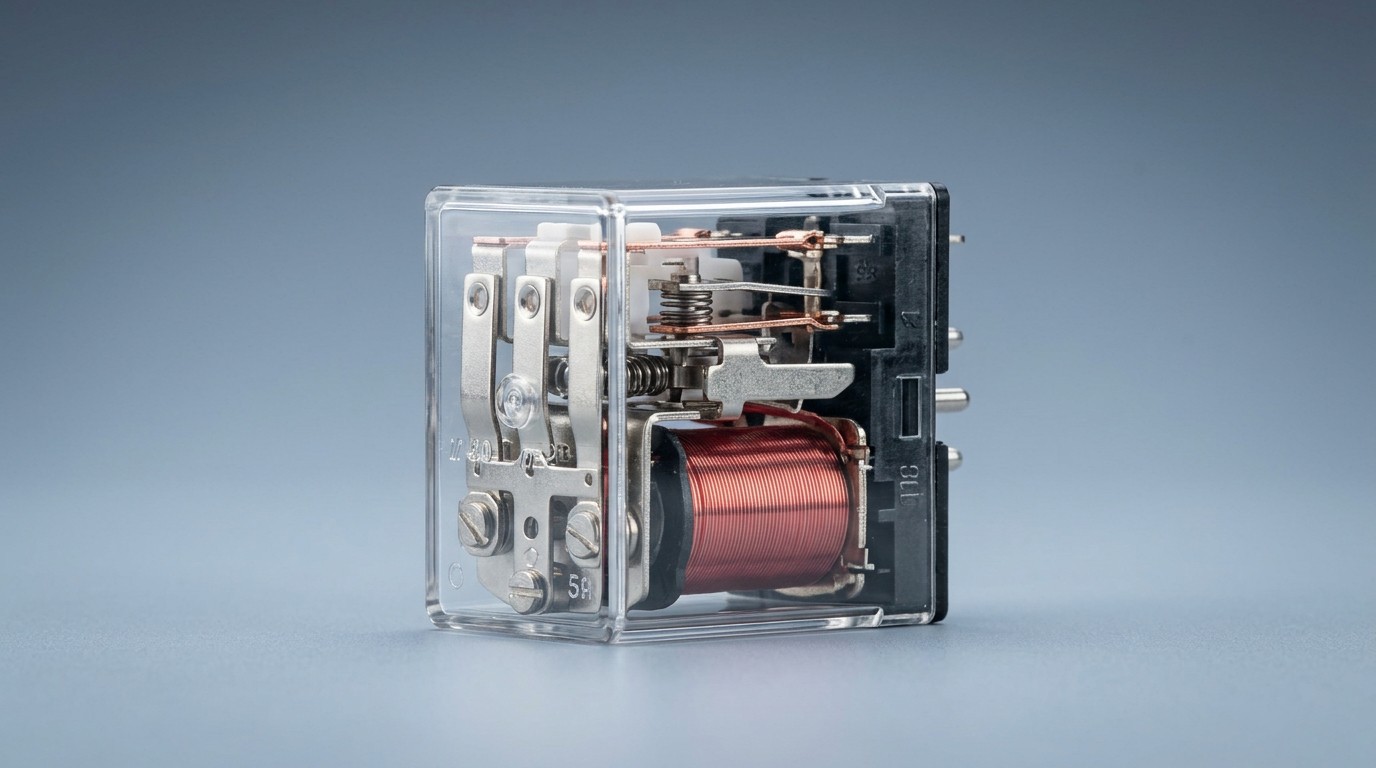
In the complex ecosystem of Electrical & Power systems, ensuring the absolute reliability of components is a top priority for facility management and electrical safety experts. Relays serve as critical gatekeepers in power distribution, yet they frequently fail during rigorous electrical safety checks, potentially compromising overall Security & Safety. Understanding these failure mechanisms—whether rooted in mechanical engineering fatigue or environmental degradation—is vital for upholding strict industrial standards. For technical evaluators and project managers, identifying why these components falter is essential to preventing costly downtime. This analysis dives into the primary causes of relay failure, providing the mission-critical intelligence needed to maintain a resilient and compliant industrial infrastructure.
Fundamental Mechanical Fatigue and Contact Degradation
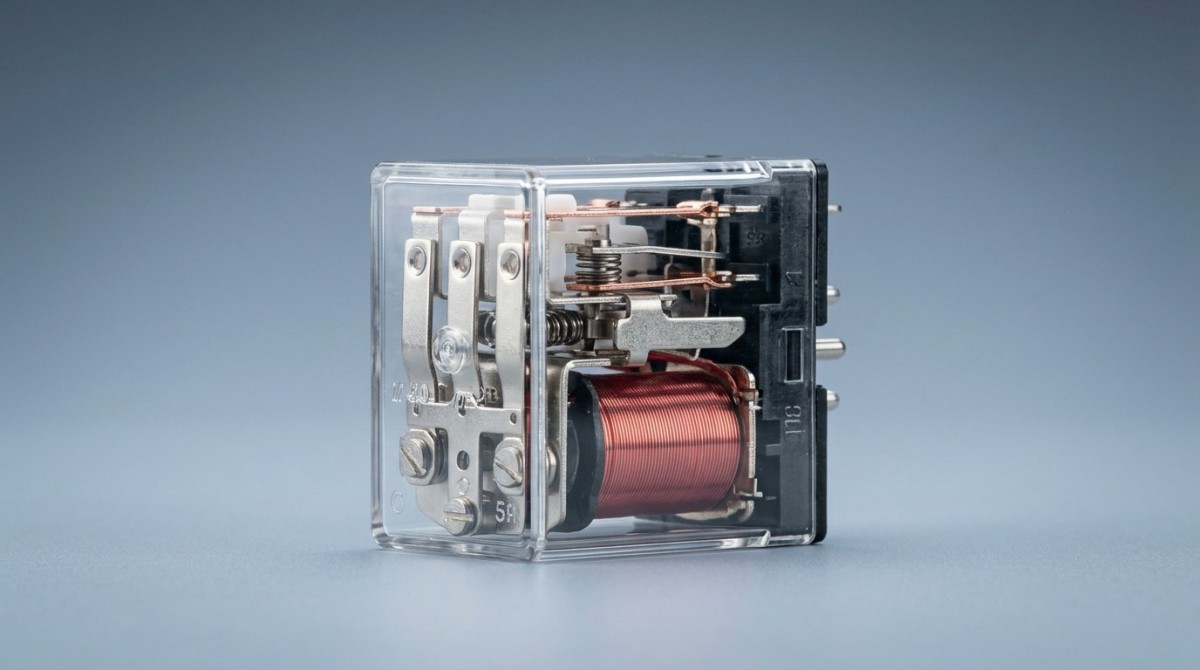
At the core of many relay failures during electrical safety checks is the physical degradation of the switching contacts. Industrial relays are mechanical devices designed for high-frequency operation, but every cycle subjects the internal components to physical stress. Over time, the repeated opening and closing of contacts lead to material transfer and pitting. When a safety inspector performs a contact resistance test, a relay that has exceeded its mechanical life of 100,000 to 1,000,000 operations often displays resistance values far above the acceptable 100 mΩ threshold, triggering a failure report.
Contact welding is another prevalent issue encountered during high-current safety assessments. When a relay is tasked with switching a load that exceeds its rated capacity, even momentarily, the resulting electric arc can melt the contact surfaces together. During an electrical safety check, the tester may find that the relay stays "closed" even when the coil is de-energized. This loss of control is a major safety violation, as it prevents the system from reaching a "fail-safe" state during an emergency shutdown or an overcurrent event.
Furthermore, the buildup of carbon deposits and oxidation on the contact surfaces significantly impacts the dielectric properties of the device. In environments where low-level signals are switched, these contaminants can prevent the relay from making a reliable electrical connection. Quality control personnel often use micro-ohmmeters to detect these subtle changes. If the contact resistance fluctuates by more than 10% to 20% during multiple test cycles, the relay is flagged for replacement to ensure the long-term stability of the electrical grid.
The following table outlines the primary mechanical failure modes observed in industrial relays and their corresponding impact on safety certification. These data points are essential for technical evaluators when determining the remaining useful life of their switching infrastructure.
As indicated in the table, failures are rarely isolated events; they are typically the culmination of thousands of operation cycles. For project managers, this data underscores the importance of predictive maintenance. Instead of waiting for a safety check to fail, replacing relays once they reach 80% of their rated mechanical life can prevent unexpected downtime and ensure that the facility remains in constant compliance with ISO and CE standards.
Environmental Stress and Dielectric Breakdown
Industrial environments are often harsh, subjecting electrical components to temperature extremes, high humidity, and corrosive atmospheres. These environmental factors are major contributors to relay failure during dielectric strength tests. For example, if a relay is operated in an environment exceeding its rated temperature range—typically -40°C to 85°C—the internal insulation materials can become brittle or melt. During a high-potential (Hi-Pot) safety test, where voltages of 2,000V AC or higher are applied, these weakened insulating barriers may fail, leading to catastrophic short circuits.
Humidity and chemical exposure also play a significant role in the degradation of the relay's internal coil. Moisture ingress can lead to "green rot" (copper corrosion) in the fine windings of the coil. If the coil's resistance deviates by more than 5% from its specified nominal value, the relay may fail to actuate reliably during a safety check. Furthermore, moisture combined with airborne particulates can create conductive paths across the insulation, a phenomenon known as "tracking," which is a primary reason for failing insulation resistance tests at 500V DC.
Vibration and mechanical shock in industrial settings can also compromise the structural integrity of a relay. In heavy manufacturing sectors, constant vibration can loosen internal connections or cause the armature to misalign. During a safety inspection, these misalignments might manifest as intermittent operation or "chatter." For safety managers, it is crucial to ensure that relays are mounted in vibration-resistant housings or that they are specifically rated for high-vibration applications to meet the micron-level precision required in modern engineering.
To mitigate these risks, technical evaluators must consider the following environmental protective measures during the procurement process:
- Hermetic Sealing: Using relays with a sealed (wash-tight) construction to prevent moisture and gas ingress in chemical processing plants.
- Thermal Management: Implementing active cooling or ensuring a 10mm to 15mm spacing between high-power relays to prevent heat buildup on DIN rails.
- Surge Protection: Installing flyback diodes or varistors to protect relay contacts from inductive back-EMF during switching cycles.
- Material Selection: Opting for contacts made of silver-tin-oxide (AgSnO2) for high-inrush current loads to reduce erosion.
Electrical Overload and Safety Check Parameters
One of the most common reasons relays fail during an electrical safety check is that the relay was inappropriately matched to its load from the beginning. In industrial B2B environments, procurement directors sometimes focus on unit economics rather than the mission-critical technical specs. If a relay rated for a 5A resistive load is used to switch a 5A inductive motor load, the inrush current—which can be 6 to 10 times the steady-state current—will rapidly degrade the contacts. During a compliance audit, this mismatch becomes evident when the relay fails to break the circuit under load.
Electrical safety checks are designed to push components to their limits to ensure they can handle "worst-case" scenarios. Tests often involve checking the relay's performance at 110% of its rated voltage and 125% of its rated current. A component that performs adequately under normal operating conditions may fail when subjected to these heightened stresses. This is why EPC contractors must demand components that offer a significant "safety margin" over the actual calculated load requirements.
The table below illustrates the typical testing parameters used during a comprehensive industrial electrical safety audit. Understanding these benchmarks allows procurement teams to select components that are not just "compliant" but "resilient" under the rigorous testing conditions mandated by international standards.
As demonstrated, the rigorous nature of safety audits requires relays to maintain high insulation resistance even after being in service for months or years. For facility managers, failure in these categories isn't just a technical glitch; it's a liability issue. Ensuring that your supply chain provides components with verified material certifications (such as UL 94V-0 for flame-retardant plastics) is a critical step in building a safe operational environment that can pass any third-party inspection.
Strategic Selection and Maintenance for Global Compliance
For business evaluators and decision-makers, the cost of relay failure during a safety check extends far beyond the price of a replacement unit. It includes the labor costs of the inspection, the potential for unscheduled downtime, and the administrative burden of filing non-compliance reports. To avoid these costs, industrial procurement should follow a "quality-first" strategy. This involves selecting relays from manufacturers who provide comprehensive data-sheets, including life-cycle curves and derating factors for different ambient temperatures and altitudes.
Project managers should also implement a structured maintenance schedule based on the "duty cycle" of the relay. If a relay switches once per day, its service life may span a decade. However, a relay switching every 5 seconds in a high-speed packaging line may need replacement every 3 to 6 months. By documenting the switching frequency of all critical relays in a facility, maintenance teams can replace "high-wear" components during scheduled outages, ensuring that the facility is always ready for a surprise safety audit.
Moreover, utilizing smart relays with integrated diagnostic capabilities can revolutionize how safety checks are performed. Modern industrial relays often include "flag" indicators or built-in test buttons that allow for quick visual inspections. Some advanced units even provide digital feedback to a PLC (Programmable Logic Controller) regarding the health of the coil and the number of operations performed. This level of mission-critical intelligence allows for a move toward "Condition-Based Maintenance," where components are only replaced when they show actual signs of impending failure.
Frequently Asked Questions on Relay Safety
In the interest of providing comprehensive intelligence for our B2B audience, we have compiled answers to the most common questions regarding relay failures during industrial safety checks.
Why do new relays sometimes fail a dielectric test?
New relays may fail due to "infant mortality" issues such as manufacturing defects, or more commonly, due to contamination during the installation process. Flux residue from soldering or dust particles trapped in the relay during panel assembly can create low-resistance paths that cause the unit to fail insulation resistance or Hi-Pot tests.
How often should relays be tested for safety compliance?
Standard industrial practices recommend a thorough electrical safety check every 12 to 24 months for general infrastructure. However, for critical safety-related systems (like emergency stop circuits), testing should occur every 6 months or in accordance with the specific SIL (Safety Integrity Level) requirements of the application.
Can a relay fail even if it has never been used?
Yes, "shelf-life" degradation is possible. If a relay is stored in a high-humidity environment without proper packaging, the contacts can oxidize even without switching. This oxidation increases contact resistance. It is recommended to store industrial relays in climate-controlled environments with a humidity level below 60%.
Conclusion: Architecting a Resilient Electrical Foundation
Understanding why relays fail during electrical safety checks is not merely a technical exercise; it is a fundamental requirement for maintaining the safety and efficiency of modern industrial infrastructure. From the mechanical fatigue of contact surfaces to the subtle influences of environmental humidity and electrical overloads, various factors can compromise these essential components. By leveraging data-driven insights and adhering to international safety standards like CE and UL, engineering and procurement professionals can make informed decisions that minimize risk and maximize operational uptime.
Global Industrial Core (GIC) remains dedicated to providing the technical whitepapers and mission-critical intelligence needed by high-net-worth institutional buyers and EPC contractors. Whether you are managing a power grid or an advanced manufacturing facility, the integrity of your relay systems is paramount. We encourage you to review your current sourcing strategies and maintenance protocols to ensure they align with the high-fidelity standards required in today's global supply chain. For personalized technical support or to learn more about our strategic sourcing authorities, please reach out to our team. Contact us today to acquire the mission-critical intelligence required for your next industrial project and ensure your infrastructure is built on a foundation of absolute reliability.
Technical Specifications
Expert Insights

Chief Security Architect
Dr. Thorne specializes in the intersection of structural engineering and digital resilience. He has advised three G7 governments on industrial infrastructure security.
Related Analysis
- Apr 25, 2026China Launches World's Largest Agri-Meteorological Observation NetworkAuthor :Precision Metrology Expert
- Apr 25, 2026Binggang Group & AHUT Advance Steel Slag Valorization TechAuthor :Heavy Industry Strategist
- Apr 25, 2026China Leads First ISO Standard for Zero-Carbon CitiesAuthor :Environmental Engineering Director
Core Sector // 01
Security & Safety
- IEC 61850-90-15:2026 Published: 100 ns Time Stamp Mandatory for Substation RelaysAuthor :Grid Infrastructure Analyst
![]()
- Why relays fail during electrical safety checksAuthor :Grid Infrastructure Analyst

- IEC 61850-90-15:2026 Published: 100ns Timestamp Mandatory for Substation RelaysAuthor :Grid Infrastructure Analyst
![]()
- Copper Price Surges 3.8% on Apr 23, Raising BOM Costs for Power ComponentsAuthor :Grid Infrastructure Analyst
![]()
- Copper Price Surge Impacts Breakers & Transformers BOM CostsAuthor :Grid Infrastructure Analyst
![]()
- Copper Price Surge Impacts BOM Costs for Industrial Breakers & TransformersAuthor :Grid Infrastructure Analyst
![]()
- What to Check Before Buying MCCBAuthor :Grid Infrastructure Analyst

- Miniature Circuit Breaker MCB MistakesAuthor :Grid Infrastructure Analyst