Solid State Relays SSR: Best Use Cases
Author
Date Published
Reading Time
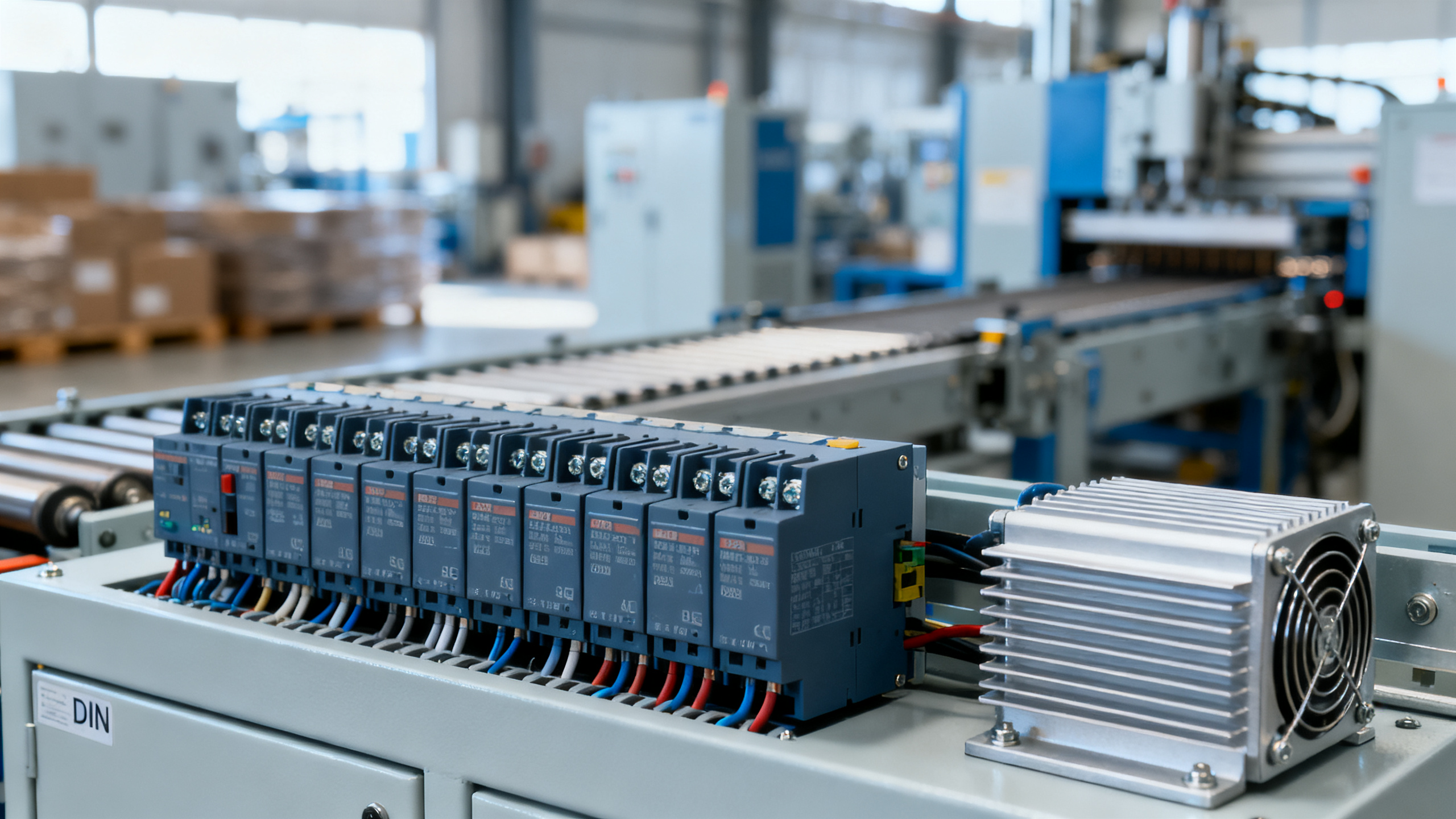
Solid state relays (SSR) are not simply a modern replacement for electromechanical relays. Their best use cases are specific: applications that need high switching frequency, long service life, low acoustic noise, electrical isolation, and reduced maintenance. For engineers, buyers, and industrial decision-makers, the key question is not “Are SSRs better?” but “Where do SSRs outperform mechanical relays enough to justify the choice?” In most industrial environments, SSRs deliver the most value in automated control panels, PLC outputs, heater control, packaging and conveying systems, UPS transfer logic, and motion-related subsystems where clean, repeatable switching matters more than visible contact status or low leakage current.
This article focuses on the practical answer: where SSRs work best, where they do not, and how to evaluate them from both an engineering and procurement perspective.
When Are Solid State Relays the Best Choice?
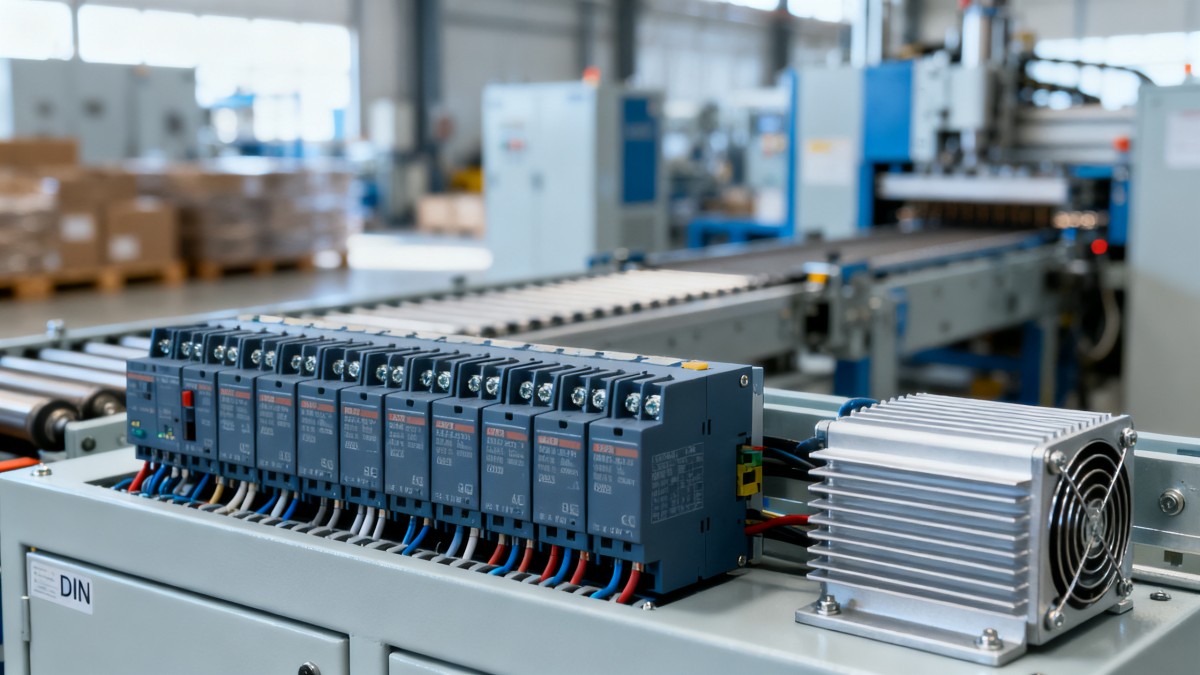
The best use cases for solid state relays SSR are situations where traditional relay contact wear becomes a reliability risk or maintenance burden. Because SSRs use semiconductor switching instead of moving contacts, they excel in environments that demand:
- Frequent ON/OFF cycling
- Long operational life with minimal maintenance
- Fast switching response
- Silent operation
- Resistance to shock and vibration
- Reliable integration with PLC, VFD, and automation systems
In practical terms, SSRs are usually the stronger option for resistive loads, heater banks, control interfaces, and many automated machine cycles. They are especially valuable in plants where downtime costs are high and relay replacement labor adds up over time.
However, they are not universally superior. SSR selection must consider leakage current, heat dissipation, surge tolerance, and load type. That is why the best use case discussion matters more than a generic product comparison.
Best Industrial Use Cases for SSRs
Below are the scenarios where solid state relays deliver the clearest operational and commercial advantage.
1. PLC-Controlled Automation Panels
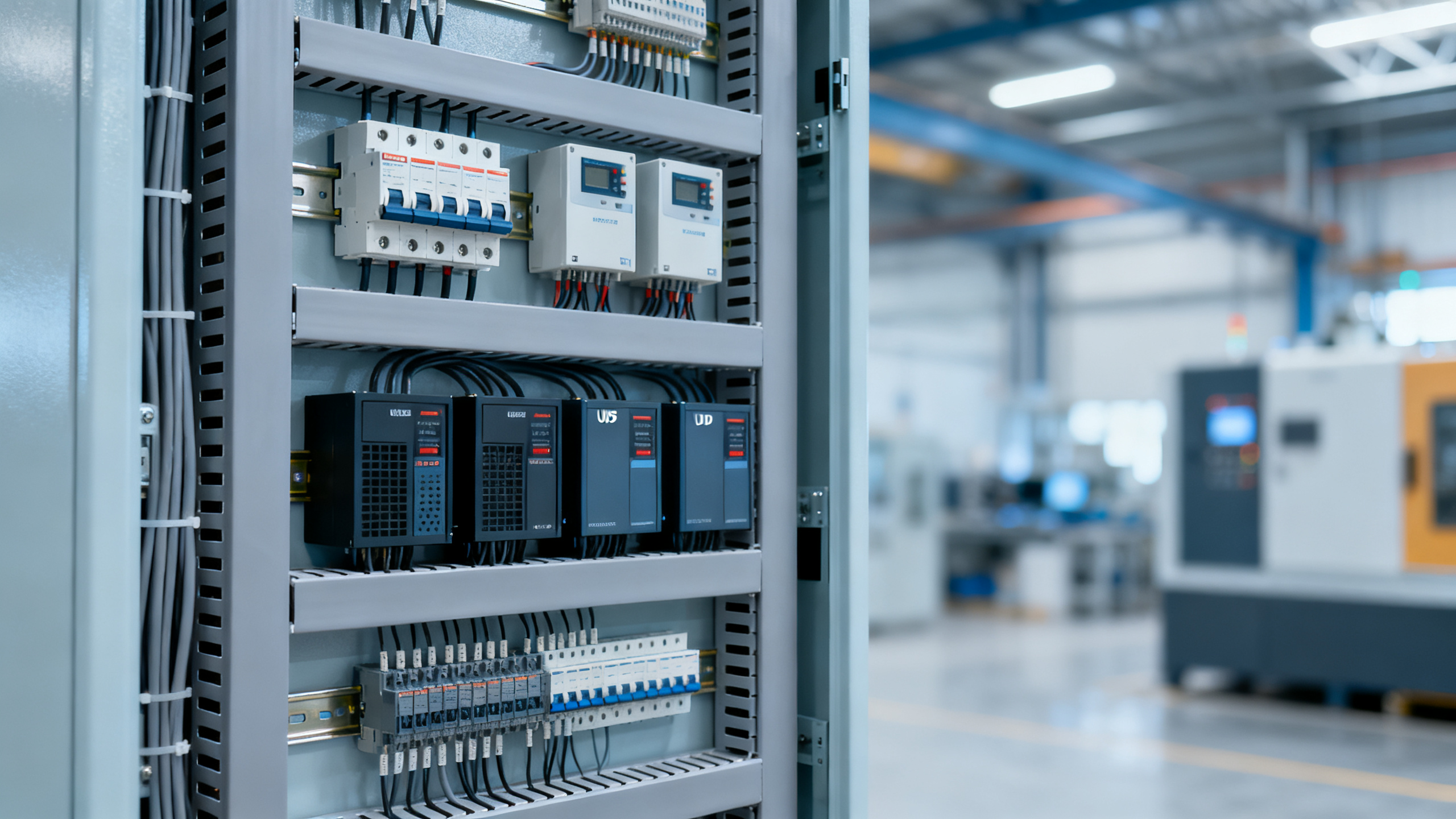
In PLC-based control systems, outputs may switch repeatedly throughout each production cycle. Mechanical relays can wear quickly under this duty. SSRs help maintain stable switching performance, especially in:
- Packaging lines
- Sorting systems
- Conveyor logic
- Filling and dosing equipment
- Repetitive machine interlocks
For control engineers and operators, the value is predictable response and fewer maintenance interventions. For procurement teams, this can translate into lower replacement frequency and less unplanned downtime.
2. Industrial Heater Control
One of the strongest SSR applications is electric heater switching. This includes ovens, dryers, molding systems, thermal process equipment, and environmental chambers. Heater loads often benefit from SSRs because:
- They switch frequently in temperature control loops
- Zero-cross switching can reduce electrical noise
- No contact arcing improves service life
- Tighter control is easier to maintain
In temperature-sensitive processes, SSRs support stable control performance and can help reduce thermal overshoot when paired with proper controllers.
3. VFD and Motor Control Interface Circuits
SSRs are not always the main switching device for motor power, but they are highly effective in associated control functions. In VFD panels and servo control systems, SSRs are often used for:
- Auxiliary control switching
- Isolation between PLC outputs and field devices
- Status-triggered control logic
- Alarm and signaling circuits
- Brake resistor or control-path switching in suitable designs
Where electrical noise, fast command execution, and repeatable switching matter, SSRs often outperform electromechanical alternatives in the control layer.
4. Servo Systems and Precision Automation
In high-precision automation, even minor switching inconsistencies can affect process stability. SSRs are often preferred in servo-related control circuits because they support:
- Fast response
- High repeatability
- Minimal mechanical wear
- Quiet operation in enclosed control cabinets
This is especially useful in electronics assembly, pick-and-place systems, CNC support circuits, and precision material handling.
5. UPS and Critical Power Support Systems
In uninterruptible power supply UPS systems and critical power infrastructure, SSRs can be valuable where reliable signal switching, silent operation, and long life are priorities. They may be used in:
- Control and monitoring circuits
- Transfer logic subsystems
- Alarm outputs
- Battery management support controls
- Power conditioning support modules
For facilities managers and critical infrastructure teams, the key advantage is reduced mechanical failure risk in support switching functions.
6. High-Vibration or Hard-to-Service Installations
Because SSRs have no moving parts, they are well suited to environments where vibration, shock, or restricted maintenance access make mechanical relays less desirable. Common examples include:
- Mobile industrial equipment
- Remote cabinets
- Harsh production lines
- Dust-prone enclosures
- Continuous-process plants
In these settings, reduced mechanical wear can improve long-term reliability and lower field service requirements.
Where SSRs Usually Create the Most Business Value
For enterprise buyers and plant leadership, the decision is rarely based on component theory alone. The real value of solid state relays comes from system-level outcomes.
Reduced Maintenance Burden
Mechanical relays fail through contact wear, arcing, contamination, and spring fatigue. In high-cycle applications, SSRs can significantly reduce replacement intervals and maintenance labor.
Less Downtime in Automated Production
On automated lines, a small relay failure can stop a much larger process. SSRs are often chosen because they support more stable long-run operation, particularly when loads switch thousands or millions of times over service life.
Better Suitability for Modern Controls
Industrial systems increasingly depend on PLC logic, digital timing, process repeatability, and compact panel architecture. SSRs align well with these needs, especially when paired with well-managed thermal design.
Operational Safety and Panel Performance
When properly specified, SSRs can help reduce arcing-related issues and acoustic noise in control cabinets. They also support cleaner switching in many electrical designs, which can be beneficial in sensitive control environments.
When SSRs Are Not the Best Option
A useful buying guide must also identify where SSRs may be a weaker fit. Choosing SSRs without understanding their limits can create design or operational problems.
Applications Sensitive to Leakage Current
SSRs typically allow a small leakage current even when “off.” In some low-power or sensitive loads, this can cause unintended behavior such as faint lamp glow, false input state, or incomplete shutdown.
Heavy Inrush or Highly Inductive Loads Without Proper Protection
Some motors, transformers, solenoids, and capacitive loads generate high inrush current or voltage transients. SSRs can be used in these applications, but only with correct derating and surge protection. Without that, reliability may suffer.
Situations Requiring a True Open Contact
Mechanical relays physically separate contacts. In applications where this characteristic is critical for inspection, lockout logic, or specific safety practices, an electromechanical or contactor-based solution may still be preferred.
Poorly Ventilated Panels
SSRs generate heat during operation. If panel ventilation, heatsinking, and ambient temperature are not considered, thermal stress can shorten life. In some compact enclosures, thermal management becomes the deciding factor.
How to Evaluate the Right SSR Use Case Before Buying
For sourcing teams, specifiers, and decision-makers, the most effective evaluation method is to review the application across five practical criteria.
1. Load Type
Is the load resistive, inductive, capacitive, or mixed? Resistive heater applications are usually the easiest and strongest fit. Inductive loads require more careful selection.
2. Switching Frequency
If the relay will switch very often, SSRs usually gain a strong advantage. High cycle rates are one of the clearest justification points.
3. Thermal Design
Check current rating under actual ambient temperature, not just catalog values. Confirm whether a heatsink, DIN-rail solution, or forced cooling is needed.
4. Control Compatibility
Ensure the SSR input matches PLC output type and control voltage. Also review response time, zero-cross or random turn-on behavior, and EMC considerations.
5. Compliance and Reliability Requirements
For industrial procurement, certifications and traceable quality matter. Look for products aligned with applicable CE, UL, and relevant safety or industrial standards. In high-consequence environments, vendor documentation, derating guidance, and application engineering support should be part of the evaluation.
What Engineers, Buyers, and Managers Should Prioritize
Different stakeholders often look at SSRs through different lenses.
For Engineers and System Designers
- Confirm load behavior and inrush profile
- Select correct switching type
- Plan heat dissipation early
- Include surge suppression where needed
- Review failure mode implications in the control design
For Operators and Maintenance Teams
- Watch for thermal buildup in cabinets
- Verify correct load current during operation
- Use proper installation torque and heatsink practices
- Check for nuisance behavior caused by leakage current
For Procurement and Enterprise Decision-Makers
- Compare total lifecycle cost, not just unit price
- Assess downtime impact of relay failure
- Prioritize compliant, documented suppliers
- Consider standardization across panels or facilities
- Verify support for international operating conditions
Final Verdict: What Are the Best Use Cases for Solid State Relays SSR?
The best use cases for solid state relays SSR are industrial applications that need fast, frequent, and reliable switching without the wear limits of mechanical contacts. They are especially effective in PLC automation, electric heater control, VFD and servo support circuits, UPS-related control functions, and high-vibration or maintenance-sensitive installations.
They are not the default answer for every load. The right decision depends on switching duty, thermal conditions, load characteristics, compliance requirements, and failure-risk tolerance. For most industrial teams, the smartest approach is to use SSRs where their strengths clearly improve reliability, reduce maintenance, and support modern control architecture.
When selected with proper derating, cooling, and application matching, SSRs can be a high-value component in safer, more efficient, and more resilient industrial systems.
Expert Insights

Chief Security Architect
Dr. Thorne specializes in the intersection of structural engineering and digital resilience. He has advised three G7 governments on industrial infrastructure security.
Related Analysis
Core Sector // 01
Security & Safety
- When to Use Vacuum Circuit Breakers VCBAuthor :Grid Infrastructure Analyst

- Wholesale Lightning Arresters: What Matters MostAuthor :Grid Infrastructure Analyst

- How to Size a Surge Protective Device SPDAuthor :Grid Infrastructure Analyst

- Solid State Relays SSR: Best Use CasesAuthor :Grid Infrastructure Analyst

- INMETRO Mandates New IEC 60947-2 Annex Q Short-Circuit Test for Industrial Circuit BreakersAuthor :Grid Infrastructure Analyst
![]()
- Copper Price Surge Impacts Electrical Equipment BOM CostsAuthor :Grid Infrastructure Analyst
![]()
- INMETRO New Rule: Industrial Circuit Breakers Must Pass IEC 60947-2 Annex Q Test from Sep 2026Author :Grid Infrastructure Analyst
![]()
- IEC 61850-90-15:2026 Published: 100 ns Time Stamp Mandatory for Substation RelaysAuthor :Grid Infrastructure Analyst
![]()