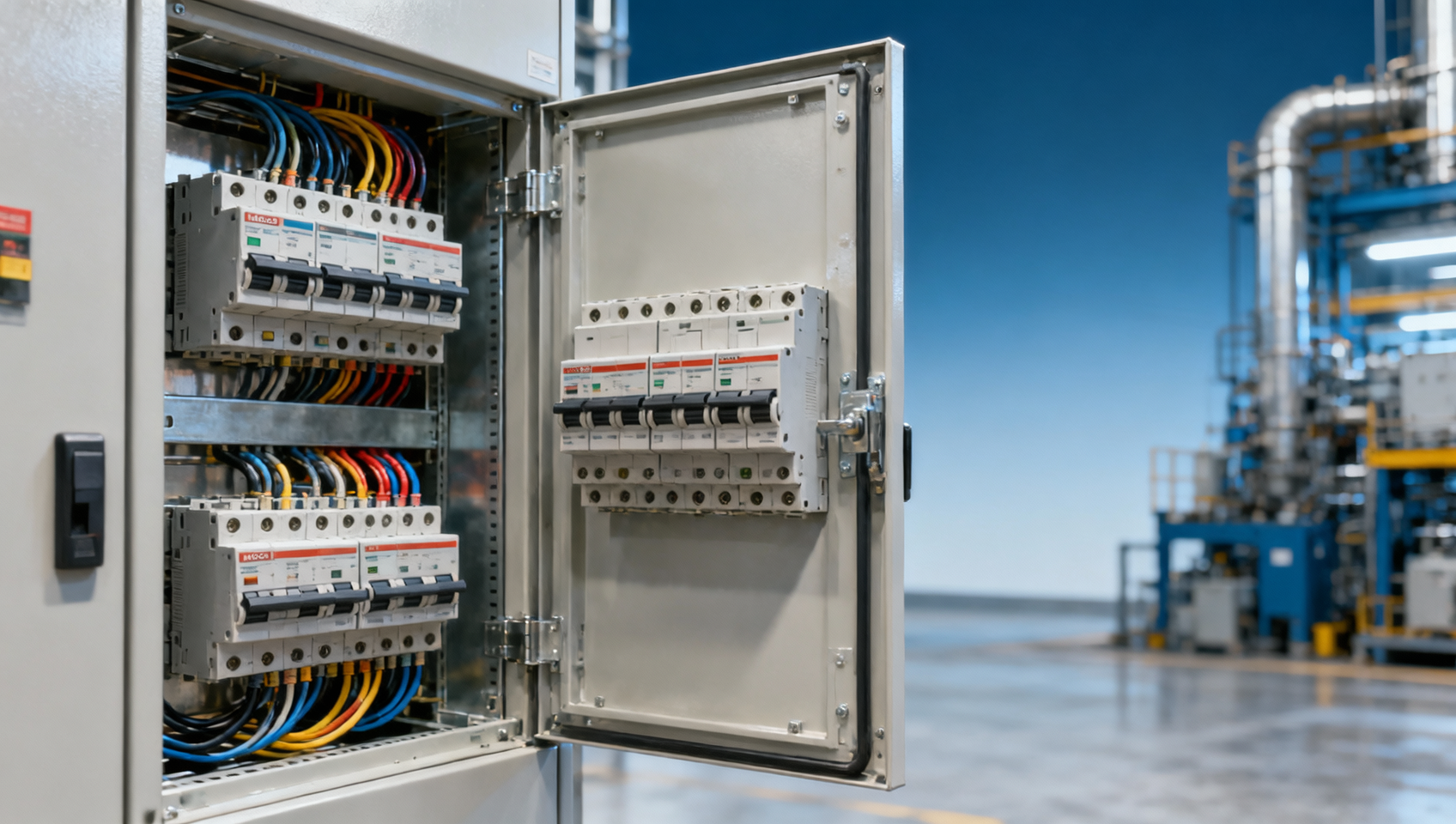
LOTO devices wholesale gets tricky when locks look too similar
Author
Date Published
Reading Time
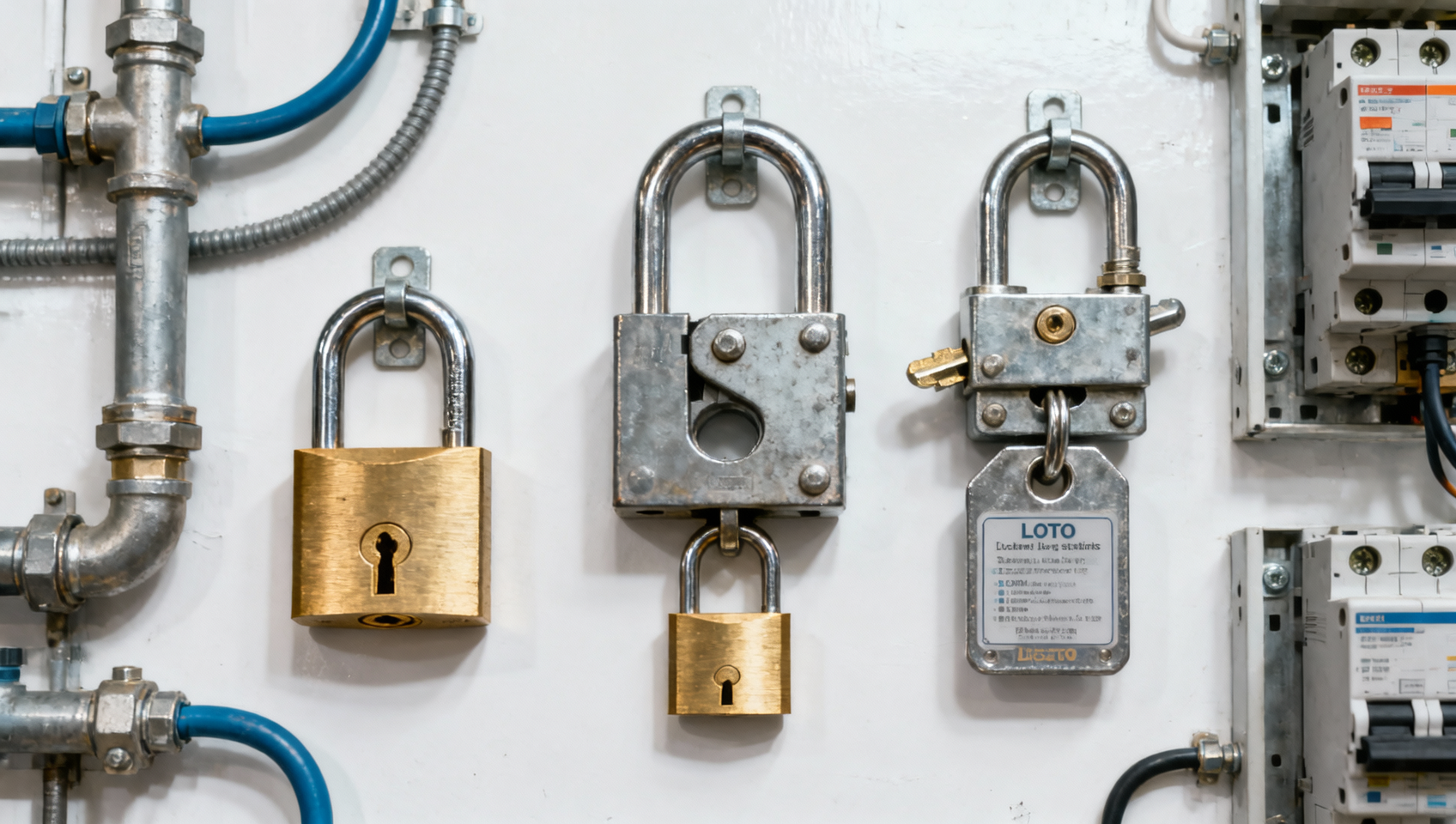
Sourcing LOTO devices wholesale becomes risky when padlocks, hasps, and lockout tagout stations look nearly identical but differ in compliance, durability, and site fit. For procurement teams, operators, and decision-makers, small visual similarities can lead to costly safety gaps. This guide explains how to compare industrial lockout products with confidence and avoid mistakes that compromise maintenance safety.
Why visually similar lockout products create real procurement risk
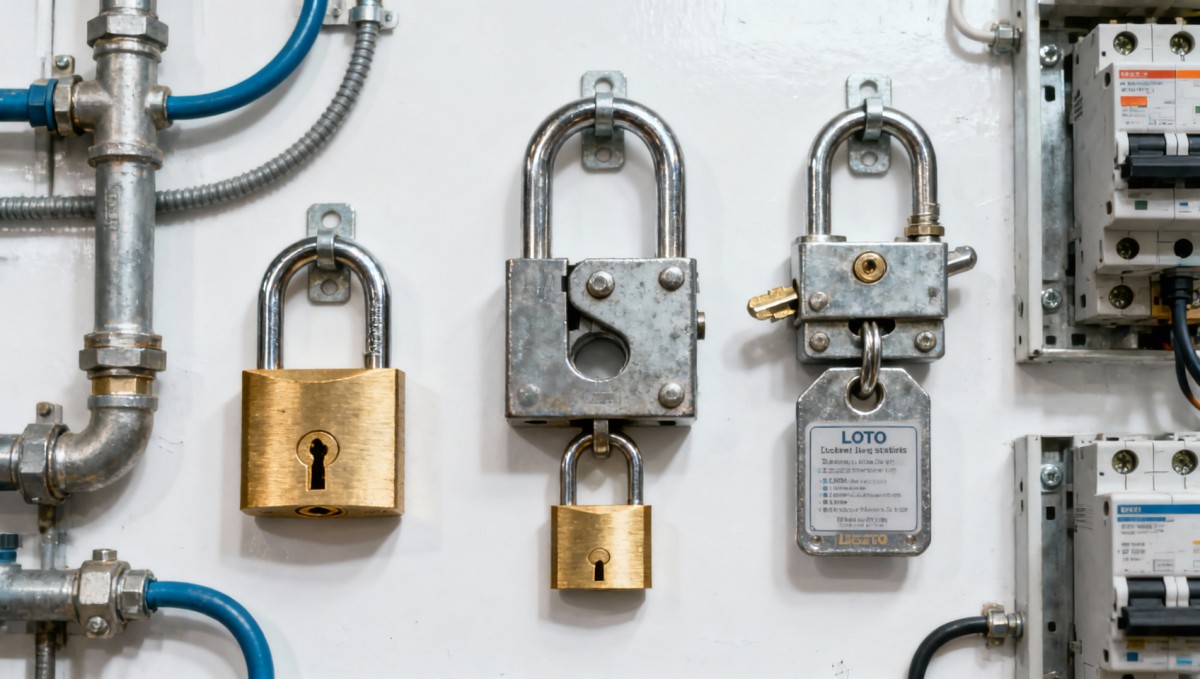
In industrial sourcing, LOTO devices wholesale decisions often start with catalog images, brief specifications, and unit pricing. That is exactly where many teams lose control. Two lockout padlocks may look almost the same in a spreadsheet, yet differ in shackle clearance, keying system, body material, labeling options, or resistance to chemicals and UV exposure. On a live site, those differences directly affect maintenance isolation and worker behavior.
The problem is larger in cross-border B2B purchasing. A buyer may be managing 3 to 5 factories, each with different energy sources, lockout procedures, and training maturity. If procurement standardizes on appearance instead of functional fit, the result is usually mixed inventory, operator confusion, and delayed maintenance windows. In shutdown work, even a 10 to 20 minute delay per lockout point can accumulate into meaningful downtime across a plant.
Global Industrial Core focuses on this exact gap between visual similarity and operational suitability. In safety and infrastructure procurement, a lock is not just a lock. The relevant question is whether the product supports the specific isolation point, the local procedure, and the required compliance framework. For EPC contractors, facility managers, and procurement directors, that means reviewing application logic before comparing quotations.
Where buying errors usually begin
Most lockout sourcing mistakes appear in one of 4 stages: specification drafting, sample review, bulk order approval, or site deployment. At the drafting stage, teams often use generic terms such as “safety padlock” without defining dielectric needs, key retention, or multilingual marking. During sample review, they may check color and shape but ignore environmental resistance and dimensional compatibility. In bulk approval, the lowest quote can hide variations in cylinder consistency or accessory quality.
- A padlock body may be suitable for indoor dry areas but not for outdoor or washdown service.
- A hasp may meet the needed hole count but fail to clear a larger valve handle or breaker geometry.
- A lockout tagout station may look complete in photos yet omit refill logic, shadow layout, or durable labeling for multi-shift use.
- A keyed-different or keyed-alike setup may not match the site’s permit-to-work and accountability process.
When these variables are ignored, users compensate in the field with workarounds. That is the point where a procurement issue becomes a safety management issue. The safest purchasing process treats LOTO devices as a system of use, not a line of interchangeable accessories.
What should buyers compare beyond appearance?
A practical lockout comparison should cover at least 5 dimensions: application match, material durability, dimensional compatibility, lock management logic, and compliance documentation. In wholesale orders, these dimensions matter more than surface appearance because they determine whether the device performs consistently across 6 months, 12 months, or several maintenance cycles.
The table below helps procurement teams compare visually similar LOTO devices wholesale offers using criteria that operators and safety managers actually need on site. It is especially useful when suppliers present multiple padlocks, hasps, or stations that seem equivalent in photos but differ in execution.
A useful comparison process always asks whether the product is compatible with the actual isolation point and the behavior of the people using it. That means collecting dimensions, environmental conditions, and lock control rules before finalizing the order. A device that is only “close enough” in the warehouse often becomes a weak point in the field.
Three checks that reduce confusion fast
For most facilities, 3 checks solve most look-alike purchasing mistakes. First, confirm physical fit with drawings, photos, or sample trials. Second, confirm lock management logic such as keyed-different, keyed-alike, or master key only where the site procedure allows it. Third, confirm environmental exposure, especially for outdoor, corrosive, dusty, or washdown areas.
Useful detail to request from suppliers
- Dimensional drawings with shackle diameter, jaw opening, hole diameter, and mounting details.
- Material declaration for nylon, steel, aluminum, or coated components in the lockout device range.
- Configuration options for engraving, numbering, color coding, and multilingual warning tags.
- Standard documentation package, which may include product data sheet, user instructions, and available conformity references.
If a supplier cannot clearly provide these basics within 2 to 5 working days, the procurement risk is usually higher than the quote suggests. Clarity early in the process saves far more time during commissioning and audits.
How to match LOTO devices to different industrial scenarios
Not every facility needs the same lockout setup. A food processing line, a substation support room, a water treatment plant, and a fabrication workshop may all use lockout tagout products, but the fit criteria differ. Operators care about ease of use during daily routines. Procurement cares about supply consistency. Decision-makers care about site standardization across multiple assets. A reliable LOTO devices wholesale program aligns all 3 perspectives.
The best way to avoid look-alike mistakes is to sort products by application family first. For example, electrical lockout, valve lockout, group lockout, and central storage each have different failure points. Trying to standardize too aggressively can reduce SKUs, but it may also force mismatched devices into critical tasks.
The following table shows how industrial users can map common scenarios to the lockout features that matter most during sourcing and deployment. This is useful for facilities reviewing 20 to 50 line items in one purchase cycle.
This scenario-based method helps procurement teams avoid a common mistake: selecting by product family name alone. A “lockout padlock” for one site may be unsuitable for another if the environment, attachment geometry, or control process is different. Matching the device to the maintenance workflow is often more important than comparing catalog images.
A simple 4-step site validation routine
- List all energy isolation points by type, such as breaker, valve, switch, plug, or mechanical restraint.
- Measure 3 to 5 representative dimensions for each category instead of assuming a generic fit.
- Run a small sample test over 7 to 14 days with operators from different shifts.
- Approve the wholesale order only after documenting fit, usability, and replenishment logic.
This routine is especially valuable for organizations standardizing across multiple plants. It reduces the risk of one central buying decision creating local usability issues at several sites at once.
Which standards and compliance points matter during wholesale sourcing?
LOTO devices wholesale procurement should not rely on visual judgment or broad marketing claims. Buyers need to review how the products support site lockout procedures, equipment isolation, worker identification, and available conformity requirements. Depending on geography and application, teams may review references to CE, UL, ISO-related quality systems, or internal plant standards. The exact requirement varies, but the evaluation method should always be structured.
A useful compliance review includes 4 layers: product suitability, documentation completeness, labeling clarity, and procedural alignment. Product suitability asks whether the device can physically and safely perform the lockout task. Documentation completeness checks data sheets, instructions, and traceable product references. Labeling clarity confirms that the user can identify ownership and hazard context quickly. Procedural alignment ensures the product matches how the facility performs lockout in practice.
Questions procurement teams should ask before approval
- Does the supplier provide clear dimensional and material data for each lockout device model?
- Can the supplier explain which products are intended for electrical, valve, or group lockout usage?
- Are warning tags, numbering, and language options appropriate for the workforce and audit environment?
- Is there a stable replenishment plan for spare devices, replacement keys where permitted, and station refills over 6 to 12 months?
These questions do not require exotic documentation. They require discipline. For industrial buyers, the goal is not to create paperwork for its own sake but to reduce ambiguity before devices reach the field. A lockout product that lacks clear traceability or usage definition may still be inexpensive, but it increases operational uncertainty.
Why GIC’s approach matters here
Global Industrial Core supports buyers who need more than catalog browsing. In safety-critical sourcing, the useful advantage is informed screening: identifying which technical details affect site risk, which documentation gaps matter, and which product differences are operational rather than cosmetic. That is particularly important for multinational procurement teams managing mixed compliance expectations, urgent maintenance schedules, and heavy-industry operating conditions.
For many organizations, a better sourcing decision comes from asking fewer vague questions and more precise ones. Instead of “Do you have a lockout padlock?” the stronger question is “Do you have a padlock option with suitable shackle geometry, identification capability, and environmental resistance for this exact isolation point?”
Common misconceptions, FAQ, and the next step for safer sourcing
When locks look too similar, teams often trust visual shortcuts. That is understandable, especially under budget pressure or a fast shutdown timeline. But in industrial safety procurement, the cheapest visual match can become the most expensive operational mismatch. Before placing a wholesale order, it is worth clarifying the few details that drive usability, compliance, and replenishment over time.
FAQ: Is a cheaper lockout padlock acceptable if it looks the same?
Sometimes, but only after fit, material, and control logic are verified. Visual similarity does not confirm service life or procedural suitability. A lower-priced option may work in a light-duty indoor area, but not in outdoor, chemical, or multi-shift applications. Review at least 3 factors before approval: physical compatibility, identification method, and environmental resistance.
FAQ: How many samples should be tested before a bulk LOTO devices wholesale order?
There is no universal number, but a practical approach is to test representative samples across 2 to 4 application categories and involve multiple users over 7 to 14 days. The goal is not volume but coverage. Sample testing should include fit, visibility, ease of locking, and station management if a central issue point is involved.
FAQ: What do procurement teams most often forget?
They often forget replenishment and standardization after the first order. A good initial quote can fail later if replacement devices, matching key logic, warning tags, or station components are difficult to reorder. For long-term control, ask about refill continuity for the next 6 to 12 months, not just initial delivery in 2 to 6 weeks.
FAQ: Are lockout stations always necessary?
Not always, but they become highly useful when lockout activity is frequent, shift-based, or spread across multiple teams. Stations improve visibility, reduce searching time, and support more consistent issue-and-return discipline. In many facilities, the station is not just storage; it is part of the lockout process control system.
Why choose us for lockout sourcing guidance?
Global Industrial Core helps industrial buyers evaluate LOTO devices wholesale options from the perspective that matters most: field suitability, procurement clarity, and risk reduction. If your team is comparing similar-looking padlocks, hasps, or lockout tagout stations, we can support specification review, product selection logic, delivery planning, and documentation screening for global industrial applications.
You can contact us to discuss 6 practical topics: dimensional confirmation, application matching, keying strategy, expected delivery window, sample support, and documentation requirements for your internal approval process. This is especially valuable when you are consolidating suppliers, preparing for a shutdown, or standardizing safety products across more than one site.
If you already have drawings, photos, a BOM, or a current supplier list, share them at the start. That allows a faster review of whether the devices only look similar or are truly interchangeable in your operating environment. In LOTO procurement, that distinction is where safer decisions begin.
Technical Specifications
- SCFI Surges 27% Weekly; Shanghai–Rotterdam Freight Hits $4,200/TEUAuthor :Environmental Engineering Director
- INMETRO New Rule: Industrial Circuit Breakers Must Pass IEC 60947-2 Annex Q Test from Sep 2026Author :Grid Infrastructure Analyst
- FDA Expands Regulation of Industrial Air Filters: ULPA Filter MVR Verification RequiredAuthor :Environmental Engineering Director
Expert Insights

Chief Security Architect
Dr. Thorne specializes in the intersection of structural engineering and digital resilience. He has advised three G7 governments on industrial infrastructure security.
Related Analysis
- Apr 26, 2026SCFI Surges 27% Weekly; Shanghai–Rotterdam Freight Hits $4,200/TEUAuthor :Environmental Engineering Director
- Apr 26, 2026INMETRO New Rule: Industrial Circuit Breakers Must Pass IEC 60947-2 Annex Q Test from Sep 2026Author :Grid Infrastructure Analyst
- Apr 26, 2026FDA Expands Regulation of Industrial Air Filters: ULPA Filter MVR Verification RequiredAuthor :Environmental Engineering Director
Core Sector // 01
Security & Safety
- INMETRO New Rule: Industrial Circuit Breakers Must Pass IEC 60947-2 Annex Q Test from Sep 2026Author :Grid Infrastructure Analyst
![]()
- IEC 61850-90-15:2026 Published: 100 ns Time Stamp Mandatory for Substation RelaysAuthor :Grid Infrastructure Analyst
![]()
- Why relays fail during electrical safety checksAuthor :Grid Infrastructure Analyst

- IEC 61850-90-15:2026 Published: 100ns Timestamp Mandatory for Substation RelaysAuthor :Grid Infrastructure Analyst
![]()
- Copper Price Surges 3.8% on Apr 23, Raising BOM Costs for Power ComponentsAuthor :Grid Infrastructure Analyst
![]()
- Copper Price Surge Impacts Breakers & Transformers BOM CostsAuthor :Grid Infrastructure Analyst
![]()
- Copper Price Surge Impacts BOM Costs for Industrial Breakers & TransformersAuthor :Grid Infrastructure Analyst
![]()
- What to Check Before Buying MCCBAuthor :Grid Infrastructure Analyst