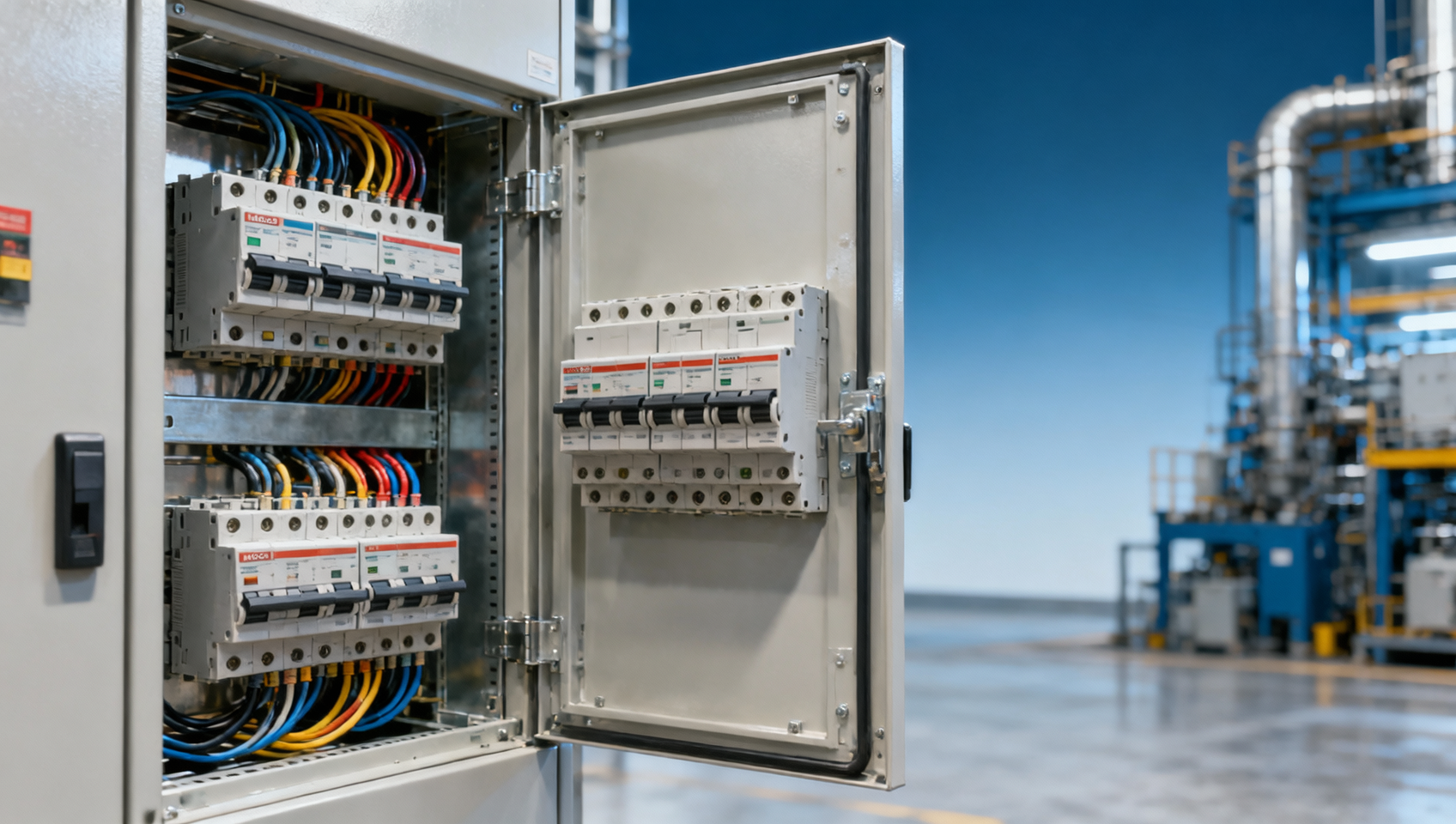
Lockout tagout stations fail when visibility is treated as optional
Author
Date Published
Reading Time
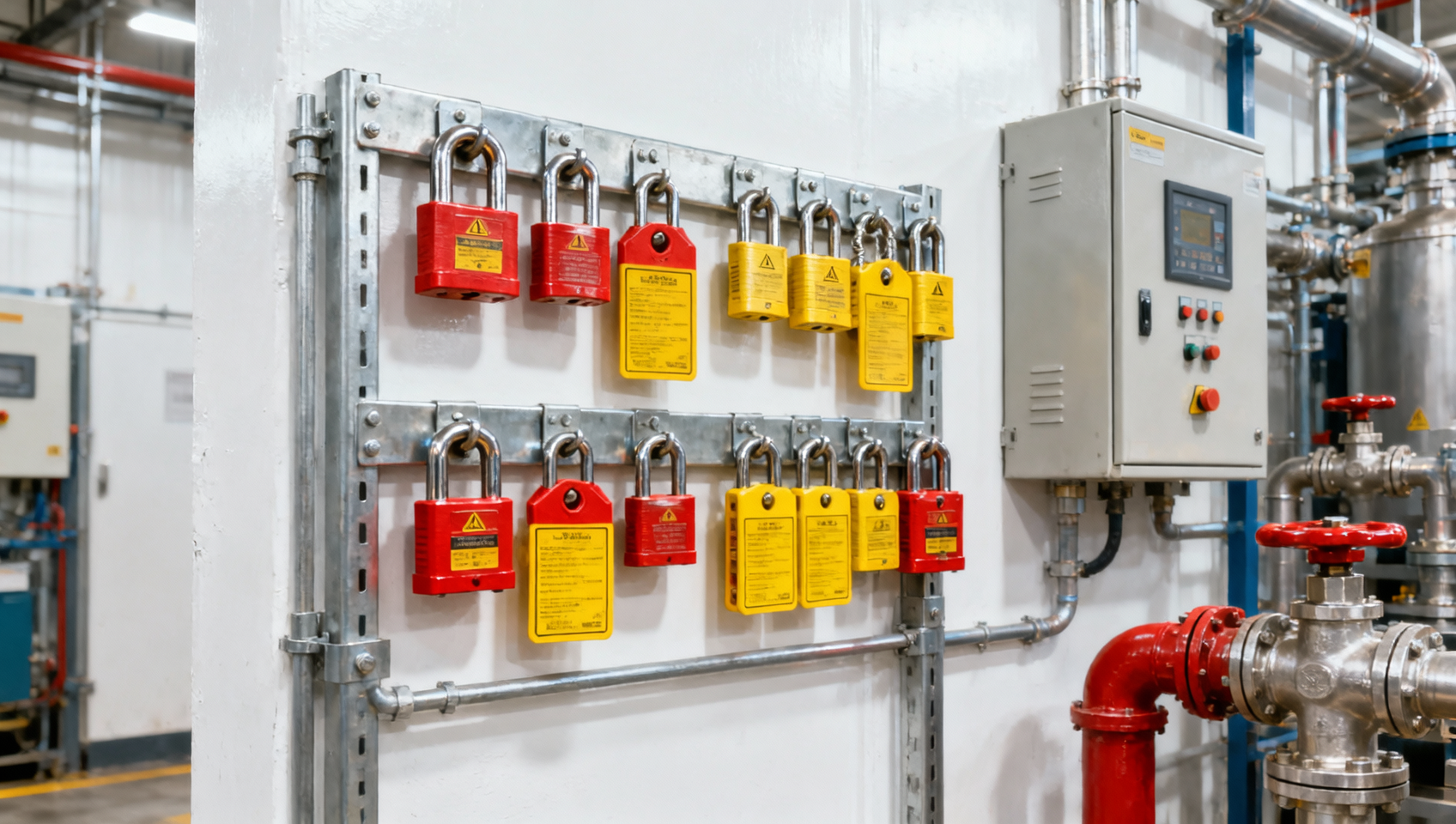
Lockout tagout stations fail when workers cannot see, reach, or trust them in real operating conditions. For safety managers, operators, and buyers comparing loto devices wholesale options, visibility is not a cosmetic detail but a control point tied to compliance, response speed, and injury prevention. This article explains why lockout tagout stations must be designed for instant recognition, disciplined use, and measurable safety performance.
Why visibility is a control point, not a display feature
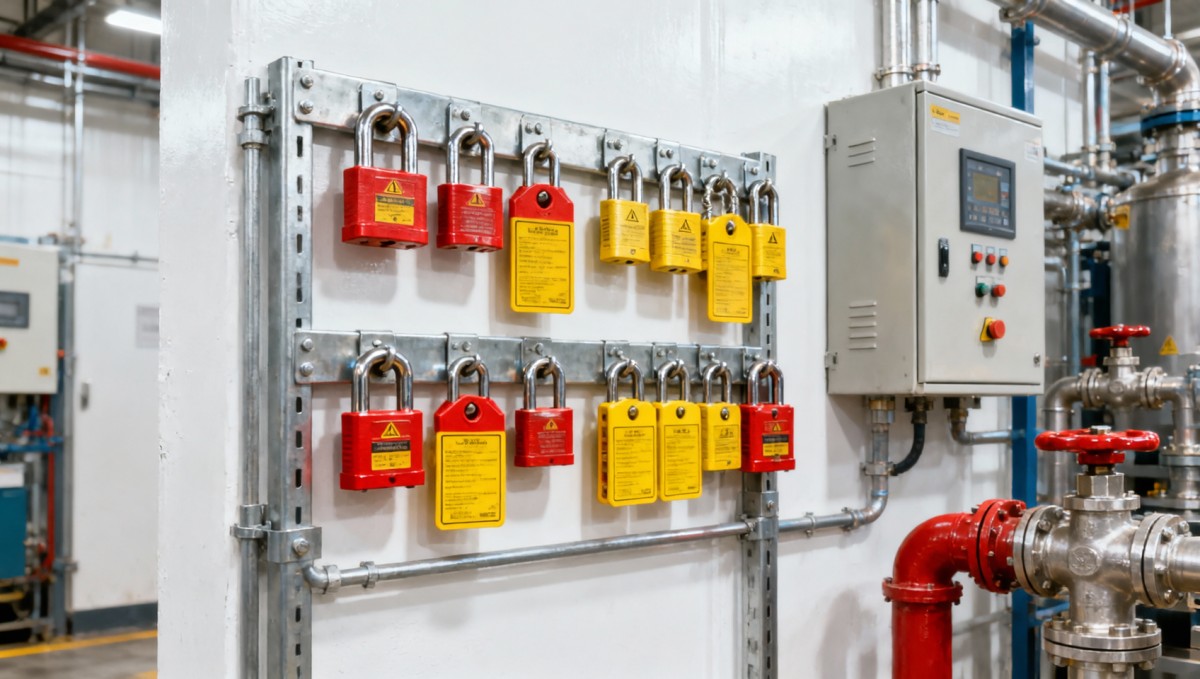
In many facilities, lockout tagout stations are purchased as a compliance item and mounted wherever wall space is available. That approach creates a weak point. If operators lose 10–30 seconds searching for devices during maintenance isolation, the station is already underperforming. In energy control, small delays often translate into skipped steps, improvised tagging, or borrowing hardware from unrelated stations.
Visibility has three practical dimensions: visual recognition from a working aisle, physical reach without obstruction, and cognitive trust that the station is complete and current. A board full of faded tags, mixed padlocks, and missing hasps may still be visible, but it does not support disciplined use. Workers need immediate certainty that the station matches the machine risk and the task sequence.
This is especially important across mixed industrial environments where electrical panels, valves, conveyors, pumps, and confined systems coexist. A station that works in a clean assembly area may fail in a dusty utility corridor or a noisy process bay. Good lockout tagout station design therefore starts with operational context, not catalog appearance.
For information researchers and decision-makers, the core question is simple: does the station increase correct lockout behavior under real shift conditions? If the answer is uncertain, the visible hardware may be present while the safety control is functionally absent.
- A visible station should be identifiable from common operator pathways, typically at approach points rather than behind swing doors or stacked materials.
- A reachable station should allow access within one motion range, without climbing, bending around piping, or moving temporary barriers.
- A trusted station should show obvious completeness: labeled positions, standardized devices, current tags, and replacement discipline.
Which site conditions make lockout tagout stations hard to use?
The most common failures are environmental, not theoretical. Stations become ineffective when lighting is poor, walls are visually crowded, or layouts change after equipment upgrades. In plants with 2–3 shift rotations, different teams may place mobile carts, pallets, or waste bins in front of fixed boards. A compliant installation on day one can become partially hidden within a week.
Another issue is distance from the point of isolation. When stations sit 20–50 meters away from electrical rooms, valve clusters, or machine groups, operators are more likely to carry incomplete sets or skip a return trip for missing hardware. In broad process areas, that distance is not trivial. Every extra step reduces consistency, especially during urgent maintenance windows and contractor activity.
Color coding and labeling also fail when they are not tied to actual energy sources. A bright board with generic labels may look organized but still confuse users handling electrical, hydraulic, pneumatic, and stored mechanical energy within the same intervention. The station must map to the hazard profile of the zone, not just present a neat visual impression.
For procurement teams reviewing loto devices wholesale supply, this is why station selection should include site surveys and usage mapping. The product itself matters, but placement logic, replenishment method, and role assignment matter just as much.
Typical visibility blockers in industrial facilities
Before selecting a station type, safety teams should identify the conditions that interfere with fast recognition and disciplined use. The table below can support internal audits across general manufacturing, utilities, warehousing, and process operations.
These conditions show why a lockout tagout station should be treated as part of the energy control system. The board, cabinet, or mobile station must match user flow, line layout, and maintenance behavior. Otherwise, even quality loto devices wholesale supply will not deliver consistent site performance.
How should buyers compare station designs and device layouts?
Buyers often compare price first, but station effectiveness depends on design fit. Wall boards, enclosed cabinets, and mobile lockout tagout stations each solve different problems. A board offers instant visual confirmation. A cabinet protects contents in dirty or shared environments. A mobile unit supports large shutdowns, temporary isolation zones, or maintenance teams moving across multiple assets within 1 shift.
The content layout matters as much as the housing type. Devices should be arranged by task logic, not by random symmetry. If a worker needs padlock, tag, hasp, breaker lockout, and valve device in sequence, the station should support that sequence. Missing sequence design adds hesitation, and hesitation weakens compliance.
A practical procurement review should cover at least 5 points: station type, visibility in the installed environment, completeness control, compatibility with asset energy types, and replenishment method. For larger sites, also review whether the supplier can support phased rollouts over 2–4 weeks or longer programs across multiple departments.
Global Industrial Core helps buyers move beyond simple catalog comparison by connecting station selection to operating risk, compliance pressure, and sourcing consistency. That is particularly useful when procurement teams must align safety, maintenance, and corporate purchasing in one decision cycle.
Station type comparison for procurement and operations
The following comparison can be used when evaluating lockout tagout stations for general industrial deployment, maintenance departments, or mixed contractor environments.
This comparison shows there is no single best station style. The right choice depends on line complexity, housekeeping control, maintenance frequency, and whether the site requires central, local, or hybrid deployment. Buyers comparing loto devices wholesale packages should request station configuration options instead of only unit counts.
A simple 4-step evaluation process
- Map the energy isolation points by area and identify whether workers need central stations, point-of-use stations, or both.
- Match device quantities to maintenance reality, including contractor peaks, not just normal staffing.
- Check whether the station remains visible under actual plant conditions such as dust, glare, congestion, and shift turnover.
- Define replenishment, inspection, and replacement intervals, usually weekly visual checks and monthly inventory review.
What should procurement teams ask about compliance, maintenance, and lifecycle cost?
A low purchase price can hide higher operational cost if station components degrade quickly, labels lose readability, or mixed hardware creates retraining needs. Buyers should assess total lifecycle value over 12–24 months, especially in sites with repeated maintenance interventions, contractor turnover, or environmental stress such as humidity, dust, and chemical exposure.
Compliance is another practical layer. Lockout tagout stations do not work in isolation from procedure control. Buyers should confirm whether device labeling supports site-specific energy control instructions, whether padlocks can be assigned by worker or department, and whether replacement parts can be sourced without long gaps. Common lead times may range from 7–15 days for standard kits and longer for customized station layouts.
In global procurement, the review should also include broad alignment with common industrial expectations such as CE, UL, or ISO-related purchasing frameworks where relevant to the product category and site policy. The key point is not to treat markings as marketing. The buyer needs clear documentation, material suitability, and consistent device specification across repeat orders.
For enterprise decision-makers, one useful question is whether the station program reduces variation between facilities. Standardized station logic across 3, 5, or 10 sites simplifies training and replenishment. It also makes incident review more meaningful because missing devices or poor visibility can be tracked against a common baseline.
Procurement checklist for lockout tagout stations
The checklist below helps procurement and safety teams align operational use, compliance expectations, and supply continuity before issuing a purchase decision or supplier inquiry.
Used properly, this checklist prevents a common procurement mistake: buying a visually impressive lockout tagout station that does not fit local procedures, environmental conditions, or replacement planning. Good sourcing protects both compliance and everyday usability.
What are the most common misconceptions and how can teams correct them?
One misconception is that any bright, wall-mounted board qualifies as an effective station. It does not. A station only works when the right devices are present, visible, and aligned with real isolation tasks. Another misconception is that visibility is solved once at installation. In reality, visibility should be checked every week and formally reviewed at least every quarter as layouts, workflows, and staffing patterns change.
A second misconception is that centralization always improves control. Central stations help standardization, but they can increase walking distance and reduce compliance in large facilities. In many sites, a hybrid approach works better: one main station for department control and smaller local points for critical assets or remote utility zones.
A third misconception is that wholesale purchasing automatically lowers risk because the unit cost is lower. Bulk buying can help, but only if the kit contents are matched to site procedures. Overstocking generic hardware while lacking the exact valve or breaker device needed at the point of use does not improve safety performance.
This is where a sourcing and intelligence partner adds value. GIC supports buyers and industrial teams by translating technical needs into practical procurement language: what to standardize, what to customize, what to audit, and what to ask suppliers before a station program is rolled out across departments or regions.
FAQ for researchers, operators, and buyers
How visible should a lockout tagout station be?
It should be recognizable from normal approach routes and usable without moving obstacles. In practice, teams should verify visibility under day and night shift conditions, from typical working distances in the area, and after temporary materials or carts are introduced. If users must search, ask, or walk around stored items, the station is not visible enough.
Are open boards or cabinets better for industrial sites?
Neither is universally better. Open boards support instant recognition and quick audits. Cabinets protect contents in dirty or shared-use areas. Facilities with dust, washdown exposure, or high traffic often favor cabinets, while controlled indoor areas often benefit from open visual management. The better choice depends on environment, user behavior, and replenishment discipline.
What should buyers check when comparing loto devices wholesale offers?
Check device compatibility, labeling logic, replacement availability, documentation detail, and whether the supplier can support staged deployment. Do not compare only item count. A 50-piece kit that lacks correct group lockout or valve isolation devices may be less useful than a smaller but site-matched package.
How often should stations be inspected?
A common practice is a weekly visual check and a monthly content verification, with broader quarterly reviews tied to procedural updates or line changes. High-use areas, contractor-heavy shutdowns, or harsh environments may need more frequent checks. The goal is to detect missing, damaged, outdated, or misplaced devices before the next intervention begins.
Why work with GIC when evaluating lockout tagout stations?
Global Industrial Core supports industrial buyers, facility managers, EPC contractors, and safety teams that need more than a product list. We focus on the operational foundation behind safe and resilient facilities. For lockout tagout stations, that means helping you assess visibility risk, station logic, device suitability, and sourcing consistency across real industrial conditions.
If you are comparing loto devices wholesale options, we can help structure the decision around 4 practical outputs: station type recommendation, device list review, delivery expectation planning, and compliance-oriented documentation checks. This shortens internal approval time and reduces the chance of buying a station that looks complete but performs poorly on the wall.
You can contact GIC for support on parameter confirmation, station configuration by area, lead time planning, replacement strategy, sample evaluation, and quotation alignment for multi-site or phased procurement. We also help teams compare centralized versus local station deployment where maintenance paths, contractor use, or shutdown schedules create complexity.
When visibility is treated as optional, lockout tagout stations become static displays. When visibility is treated as a control point, they become part of a working safety system. If you are reviewing your current station setup or preparing a new sourcing program, GIC can help turn that review into a clearer, more usable purchasing decision.
Technical Specifications
- SCFI Surges 27% Weekly; Shanghai–Rotterdam Freight Hits $4,200/TEUAuthor :Environmental Engineering Director
- INMETRO New Rule: Industrial Circuit Breakers Must Pass IEC 60947-2 Annex Q Test from Sep 2026Author :Grid Infrastructure Analyst
- FDA Expands Regulation of Industrial Air Filters: ULPA Filter MVR Verification RequiredAuthor :Environmental Engineering Director
Expert Insights

Chief Security Architect
Dr. Thorne specializes in the intersection of structural engineering and digital resilience. He has advised three G7 governments on industrial infrastructure security.
Related Analysis
- Apr 26, 2026SCFI Surges 27% Weekly; Shanghai–Rotterdam Freight Hits $4,200/TEUAuthor :Environmental Engineering Director
- Apr 26, 2026INMETRO New Rule: Industrial Circuit Breakers Must Pass IEC 60947-2 Annex Q Test from Sep 2026Author :Grid Infrastructure Analyst
- Apr 26, 2026FDA Expands Regulation of Industrial Air Filters: ULPA Filter MVR Verification RequiredAuthor :Environmental Engineering Director
Core Sector // 01
Security & Safety
- INMETRO New Rule: Industrial Circuit Breakers Must Pass IEC 60947-2 Annex Q Test from Sep 2026Author :Grid Infrastructure Analyst
![]()
- IEC 61850-90-15:2026 Published: 100 ns Time Stamp Mandatory for Substation RelaysAuthor :Grid Infrastructure Analyst
![]()
- Why relays fail during electrical safety checksAuthor :Grid Infrastructure Analyst

- IEC 61850-90-15:2026 Published: 100ns Timestamp Mandatory for Substation RelaysAuthor :Grid Infrastructure Analyst
![]()
- Copper Price Surges 3.8% on Apr 23, Raising BOM Costs for Power ComponentsAuthor :Grid Infrastructure Analyst
![]()
- Copper Price Surge Impacts Breakers & Transformers BOM CostsAuthor :Grid Infrastructure Analyst
![]()
- Copper Price Surge Impacts BOM Costs for Industrial Breakers & TransformersAuthor :Grid Infrastructure Analyst
![]()
- What to Check Before Buying MCCBAuthor :Grid Infrastructure Analyst