Alloy purity gaps in metallurgical engineering
Author
Date Published
Reading Time

- environmental engineering
- mechanical components
- heavy industry
- EPC contractors
- industrial procurement
- safety compliance
- foundational engineering
- facility management
- industrial standards
- engineering procurement
- safety equipment
- power distribution
- mechanical engineering
- electrical safety
- metallurgical engineering
- safety standards
In the complex realm of metallurgical engineering, addressing alloy purity gaps is paramount for ensuring the structural integrity and electrical safety of heavy infrastructure. Global Industrial Core (GIC) provides essential insights for technical evaluators and facility management professionals navigating the stringent industrial standards required for modern power distribution and mechanical engineering projects. By bridging the gap between raw material specifications and real-world performance, we help project managers mitigate risks in environmental engineering and Security & Safety protocols. Understanding these nuances is vital for maintaining high-fidelity Electrical & Power systems and reliable safety equipment, empowering decision-makers to build resilient operational environments that meet the most demanding global benchmarks.
Understanding Alloy Purity Gaps in Heavy Industrial Applications

In the sphere of heavy industry, the term "alloy purity" refers to the precise control of chemical composition and the minimization of deleterious trace elements within a metallic matrix. Purity gaps occur when the actual chemical makeup of a material deviates from the theoretical or specified standard, often due to feedstock contamination or inefficient refining processes. For engineering procurement directors, identifying these gaps is not merely a matter of material science; it is a critical risk management exercise. Even a variance of 0.05% in certain trace elements, such as sulfur or phosphorus in structural steel, can lead to catastrophic brittle fractures in sub-zero environments or under high-stress cycles.
Global Industrial Core (GIC) emphasizes that these purity discrepancies are frequently found in the transition between laboratory-scale testing and mass-market industrial sourcing. Technical evaluators often encounter materials that meet broad "commercial grade" definitions but fail to satisfy the "nuclear grade" or "aerospace grade" requirements necessary for mission-critical infrastructure. The impact of these gaps extends across all five pillars of foundational engineering, affecting everything from the conductivity of power grids to the corrosion resistance of environmental filtration systems. When purity is compromised, the predicted lifecycle of a component may be reduced by as much as 30% to 50%, leading to unforeseen maintenance costs and operational downtime.
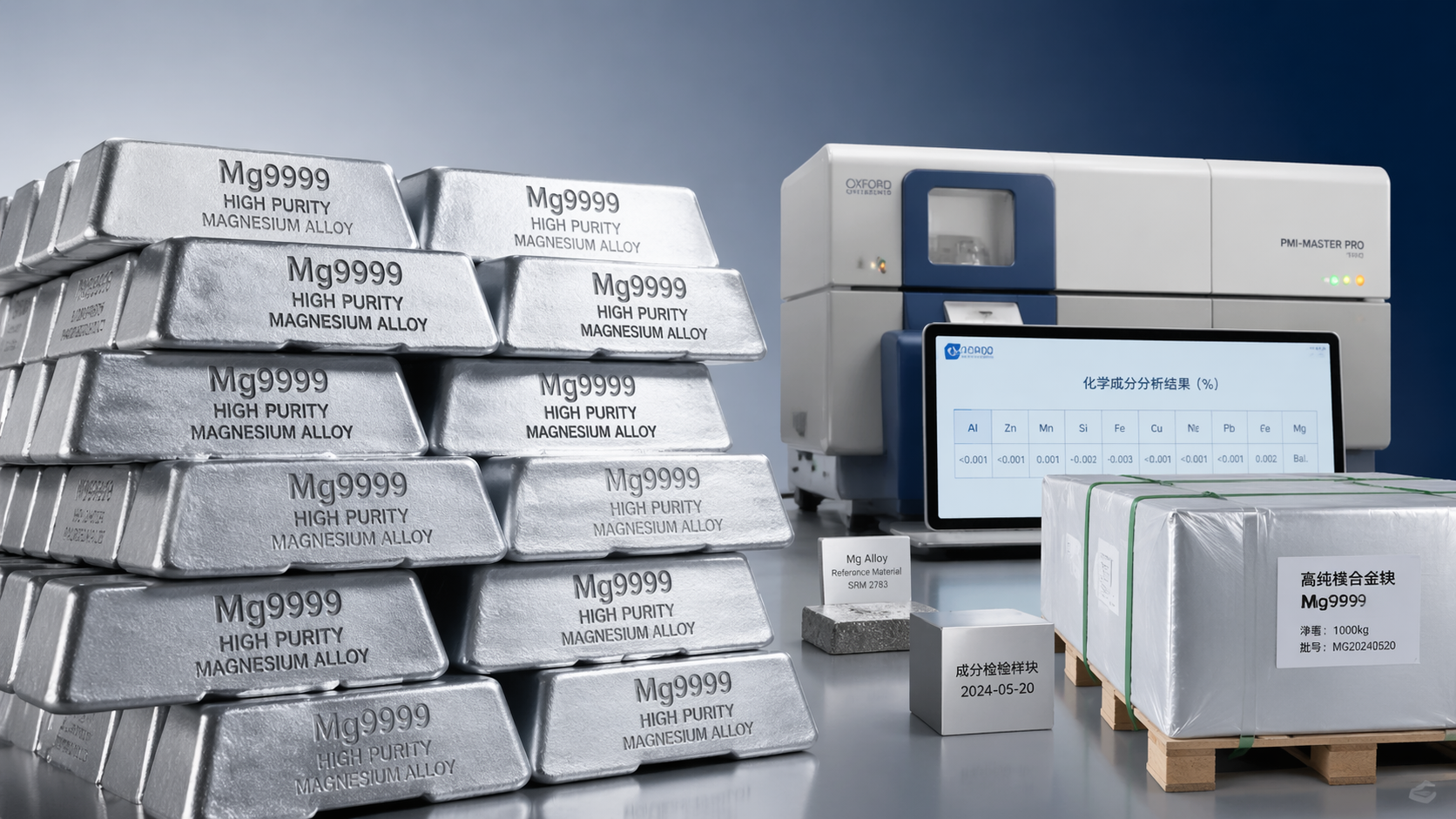
Addressing these gaps requires a sophisticated understanding of metallurgy and a rigorous approach to supply chain intelligence. Procurement professionals must move beyond basic unit economics and prioritize the long-term resilience of their installations. This involves a multi-stage verification process that includes heat lot tracking, chemical analysis through Optical Emission Spectroscopy (OES), and third-party laboratory certification. By establishing high-fidelity standards for alloy purity, EPC contractors can ensure that their projects remain compliant with international safety benchmarks such as CE and ISO, thereby protecting both human lives and capital investments in the global industrial landscape.
Furthermore, the evolution of environmental engineering has introduced new complexities to alloy purity. The push for more sustainable manufacturing processes often involves the use of recycled scrap metal, which can introduce "tramp elements" into the alloy. These elements, though present in minute quantities—often measured in parts per million (ppm)—can significantly alter the grain structure and mechanical properties of the final product. Understanding the balance between environmental responsibility and technical precision is a key challenge for modern project managers. GIC provides the data-driven insights necessary to navigate these trade-offs, ensuring that sustainability efforts do not compromise the fundamental safety and efficiency of industrial systems.
The Technical Performance Impact of Impurity Concentrations
The performance of mechanical components is inextricably linked to the microscopic arrangement of atoms within the alloy. When impurities are present, they often segregate at the grain boundaries, creating weak points that act as initiators for cracks and corrosion. In high-power electrical applications, for example, the presence of just 10 ppm of certain impurities in copper can reduce electrical conductivity by several percentage points, leading to heat generation and energy loss in power distribution grids. This technical nuance is why technical evaluators must scrutinize material certifications with extreme precision, looking specifically for the concentration of oxygen, hydrogen, and other non-metallic inclusions.
The table below illustrates how common impurities affect the mechanical and physical properties of industrial alloys, providing a baseline for technical assessment during the procurement phase. These data points are essential for quality control personnel who must determine if a material batch is fit for purpose in extreme operational environments.
As indicated in the table, even minute concentrations of impurities can have drastic effects on the mechanical integrity and longevity of the material. For instance, maintaining carbon levels below 0.030% in 316L stainless steel is vital for components used in marine environmental engineering or chemical processing, where intergranular corrosion can lead to rapid failure. The distinction between "standard" and "low carbon" variants is a classic example of a purity gap that decision-makers must navigate carefully. GIC assists in this process by providing the technical whitepapers and case studies required to validate these specifications before they are integrated into large-scale engineering projects.
Beyond mechanical strength, purity also dictates the behavior of materials under extreme temperatures. In the electrical and power grid sector, components like busbars and transformers rely on high-purity alloys to minimize resistance and heat generation. A purity gap in these materials doesn't just reduce efficiency; it creates a fire hazard and compromises the safety of the entire facility. Technical评估人员 must therefore look for "certified pure" labels that are backed by rigorous testing protocols. Global Industrial Core serves as a strategic sourcing authority by vetting manufacturers who consistently demonstrate the ability to maintain purity within a range of ±0.005% of the target specification.
Procurement Strategies for Mitigating Purity Risks
For industrial procurement directors and project managers, the challenge lies in balancing cost-effectiveness with the absolute necessity of material compliance. Sourcing from unverified suppliers may offer a 10-15% reduction in initial unit price, but the hidden costs of purity gaps—such as failed safety inspections, project delays, and premature material replacement—often exceed the initial savings by a factor of ten. A strategic sourcing approach involves the implementation of a comprehensive vendor qualification process that prioritizes technical transparency and quality assurance over simple price competition.
To effectively mitigate these risks, Global Industrial Core recommends a 4-step procurement verification framework. This framework is designed to help EPC contractors and facility managers establish the "Trust Signals" necessary for modern search engines and institutional buyers alike. By adhering to these steps, organizations can build a resilient operational environment that meets the highest international standards:
- Heat Traceability Verification: Ensure that every batch of material is accompanied by a Mill Test Certificate (MTC) that tracks the alloy back to its original smelting furnace and specific heat number.
- Independent Laboratory Testing: For mission-critical projects, engage a third-party metrology expert to perform random sampling and chemical analysis, verifying that the actual purity matches the manufacturer's claims.
- Standard Compliance Audit: Confirm that the material meets specific international standards such as ASTM, DIN, or JIS, and that the manufacturer holds current ISO 9001 and ISO 14001 certifications.
- Lifecycle Cost Analysis: Evaluate the total cost of ownership, accounting for the projected maintenance intervals and the safety implications of potential purity-related failures.
This structured approach is particularly important for business evaluators who are responsible for the financial stability of long-term infrastructural projects. A failure to account for purity gaps during the bidding phase can lead to significant budget overruns if the material is later rejected by quality control personnel. By integrating these technical checks into the early stages of the sourcing process, project managers can ensure a smoother path to project completion and operational handover. GIC's role as a B2B intelligence hub is to provide the data and analysis required to make these high-stakes decisions with confidence.
Furthermore, the global nature of modern supply chains means that materials often pass through multiple intermediaries before reaching the final site. Each handover represents a potential point of contamination or documentation error. Using a strategic sourcing authority like Global Industrial Core helps to minimize these risks by establishing direct links with verified manufacturers who have a proven track record of metallurgical excellence. This level of oversight is essential for maintaining the high-fidelity operational standards demanded by modern industries, from power generation to heavy mechanical engineering.
Navigating Compliance: International Standards for Alloy Purity
Compliance with international safety standards is not a choice; it is a prerequisite for operating in the global industrial market. Standards such as CE, UL, and ISO provide a common language for engineers and procurement professionals, ensuring that materials meet a baseline level of safety and reliability. However, different regions and industries may have varying definitions of "purity," leading to confusion during the procurement process. For instance, a "high-purity" copper alloy in one market might not meet the stringent conductivity requirements for a national power grid project in another.
The following table provides a comparison of the most common international standards governing alloy purity in critical industrial sectors. This comparison helps technical evaluators and safety management personnel understand the specific requirements they must meet to ensure compliance and project success.
Understanding these standards is only the first step. The second, and more difficult, step is ensuring that the materials delivered to the site actually conform to these labels. This is where the expertise of Global Industrial Core becomes invaluable. Our panel of safety compliance leads and environmental engineers meticulously curate insights that help project managers bridge the gap between regulatory requirements and real-world material performance. By adhering to the highest search engine standards of Experience, Expertise, Authoritativeness, and Trustworthiness (E-E-A-T), GIC provides a high-fidelity environment for brand elevation and strategic link acquisition for industrial partners.
For enterprise decision-makers, compliance is also a major factor in international expansion. Companies that can demonstrate a commitment to high alloy purity and rigorous standards are far more likely to capture the attention of high-net-worth institutional buyers. In a globalized economy, "Trust Signals" are built on the foundation of technical excellence and transparent documentation. By aligning with the standards set by GIC, industrial manufacturers can establish themselves as leaders in the global infrastructural supply chain, ensuring long-term growth and market dominance.
Future Trends in Metallurgical Engineering and Purity Control
The future of metallurgical engineering is being shaped by advancements in metrology and the increasing integration of data-driven insights into the manufacturing process. Technologies such as Artificial Intelligence (AI) and Machine Learning (ML) are now being used to predict the presence of impurities during the smelting process, allowing for real-time adjustments to ensure maximum purity. This shift toward "Industry 4.0" is particularly relevant for the Mechanical Components & Metallurgy sector, where precision to the micron level is becoming the new standard. As these technologies mature, we expect to see a significant reduction in purity gaps across all industrial categories.
Another emerging trend is the development of "circular metallurgy," where high-purity alloys are designed for easier recycling and reuse. This aligns with the mission of GIC's Environment & Ecology pillar, helping industries reduce their environmental footprint without sacrificing technical performance. For project managers, this means that future procurement strategies will need to account for the entire lifecycle of a material, from initial extraction to eventual decommissioning. Staying ahead of these trends is vital for technical evaluators who must advise on the long-term viability of infrastructural investments.
Global Industrial Core remains at the forefront of these developments, providing the mission-critical intelligence required to build safe, efficient, and resilient operational environments. Whether you are navigating the complexities of the Electrical & Power Grid or ensuring the reliability of Security & Safety equipment, understanding the nuances of alloy purity is essential. We invite EPC contractors, facility managers, and industrial procurement directors to leverage our elite B2B intelligence hub to optimize their sourcing strategies and bridge the gaps that threaten the foundation of modern industry.
Frequently Asked Questions (FAQ)
How does alloy purity affect the delivery cycle of industrial projects?
Alloy purity directly impacts the delivery cycle by influencing the quality control (QC) phase. When purity gaps are detected late in the procurement cycle, it can lead to material rejection and a replacement delay of 3–6 weeks depending on the material's complexity. By implementing high-purity standards and early verification protocols (such as pre-shipment inspections), project managers can avoid these delays and maintain a consistent delivery schedule. GIC recommends allowing at least 7–10 business days for comprehensive third-party metallurgical testing for critical components.
Which industries are most sensitive to alloy purity gaps?
While purity is important across all sectors, the Electrical & Power Grid and Security & Safety industries are the most sensitive. In power distribution, even a 0.01% impurity in conductors can lead to a 2% drop in energy efficiency. In safety equipment, such as fire suppression systems or structural supports, an alloy purity gap can lead to unexpected material failure under stress, making strict compliance with ISO and CE standards non-negotiable. Technical evaluators in these fields must prioritize micron-level precision to ensure operational safety.
What are the common misconceptions when sourcing high-purity alloys?
A common misconception is that all materials labeled with a specific grade (e.g., "Grade 316 Stainless") are identical in purity. In reality, "commercial grade" materials often sit at the lower end of the allowed spectrum for critical elements, which may be insufficient for extreme conditions. Another misconception is that higher purity always means higher cost; however, when considering the 15–20% extension in component lifespan provided by high-purity alloys, the total cost of ownership is often lower than that of cheaper, lower-quality alternatives.
Why Partner with Global Industrial Core for Your Sourcing Intelligence?
Global Industrial Core (GIC) is more than just an information hub; it is a strategic authority dedicated to the technical precision and safety compliance that modern industry demands. Our team of verified metrology experts and environmental engineers provides the high-fidelity data needed to eliminate alloy purity gaps and ensure the success of global infrastructural projects. By integrating our technical whitepapers and case studies into your procurement framework, you gain access to the "Trust Signals" that establish authority in the eyes of institutional buyers and search engines alike.
We invite you to contact our technical team for a consultation on your next engineering project. Our experts are available to provide support in the following areas:
- Technical Parameter Confirmation: We assist in defining the exact alloy purity levels required for your specific application, whether in power distribution or heavy mechanical systems.
- Manufacturer Vetting & Auditing: Leverage our network of verified suppliers who meet the highest ISO, CE, and UL standards for metallurgical excellence.
- Compliance & Certification Review: Ensure your procurement documents and material certifications are airtight and ready for international safety inspections.
- Customized Material Sourcing Strategies: We help you build a resilient supply chain that balances unit economics with mission-critical reliability.
To discuss your specific material requirements or to request a detailed analysis of alloy performance for your project, please reach out to our strategic sourcing department. We are committed to helping you architect the foundation of modern industry with precision, safety, and unwavering reliability.
Technical Specifications
Expert Insights

Chief Security Architect
Dr. Thorne specializes in the intersection of structural engineering and digital resilience. He has advised three G7 governments on industrial infrastructure security.
Related Analysis
- Apr 25, 2026China Launches World's Largest Agri-Meteorological Observation NetworkAuthor :Precision Metrology Expert
- Apr 25, 2026Binggang Group & AHUT Advance Steel Slag Valorization TechAuthor :Heavy Industry Strategist
- Apr 25, 2026China Leads First ISO Standard for Zero-Carbon CitiesAuthor :Environmental Engineering Director
Core Sector // 01
Security & Safety
- Binggang Group & AHUT Advance Steel Slag Valorization TechAuthor :Heavy Industry Strategist
![]()
- Alloy purity gaps in metallurgical engineeringAuthor :Heavy Industry Strategist

- How to Choose an Investment Casting ManufacturerAuthor :Heavy Industry Strategist

- Are Precision Die Casting Parts Worth the CostAuthor :Heavy Industry Strategist
![]()
- Sheet Metal Fabrication Services: What to CheckAuthor :Heavy Industry Strategist

- Custom Metal Stamping Parts: Common Buying MistakesAuthor :Heavy Industry Strategist

- Magnesium Alloy Ingots: What Affects QualityAuthor :Heavy Industry Strategist

- How to Compare Lead Ingots ManufacturersAuthor :Heavy Industry Strategist
![]()