How to Compare Lead Ingots Manufacturers
Author
Date Published
Reading Time

Choosing the right lead ingots manufacturer requires more than a price check. Buyers comparing suppliers across industrial metals also assess quality systems, sourcing stability, and production capabilities tied to magnesium alloy ingots, precision die casting parts, and cnc machining parts oem. This guide explains how to evaluate manufacturers with confidence, reduce procurement risk, and identify partners that meet technical, compliance, and long-term supply expectations.
What should you compare first when evaluating lead ingots manufacturers?
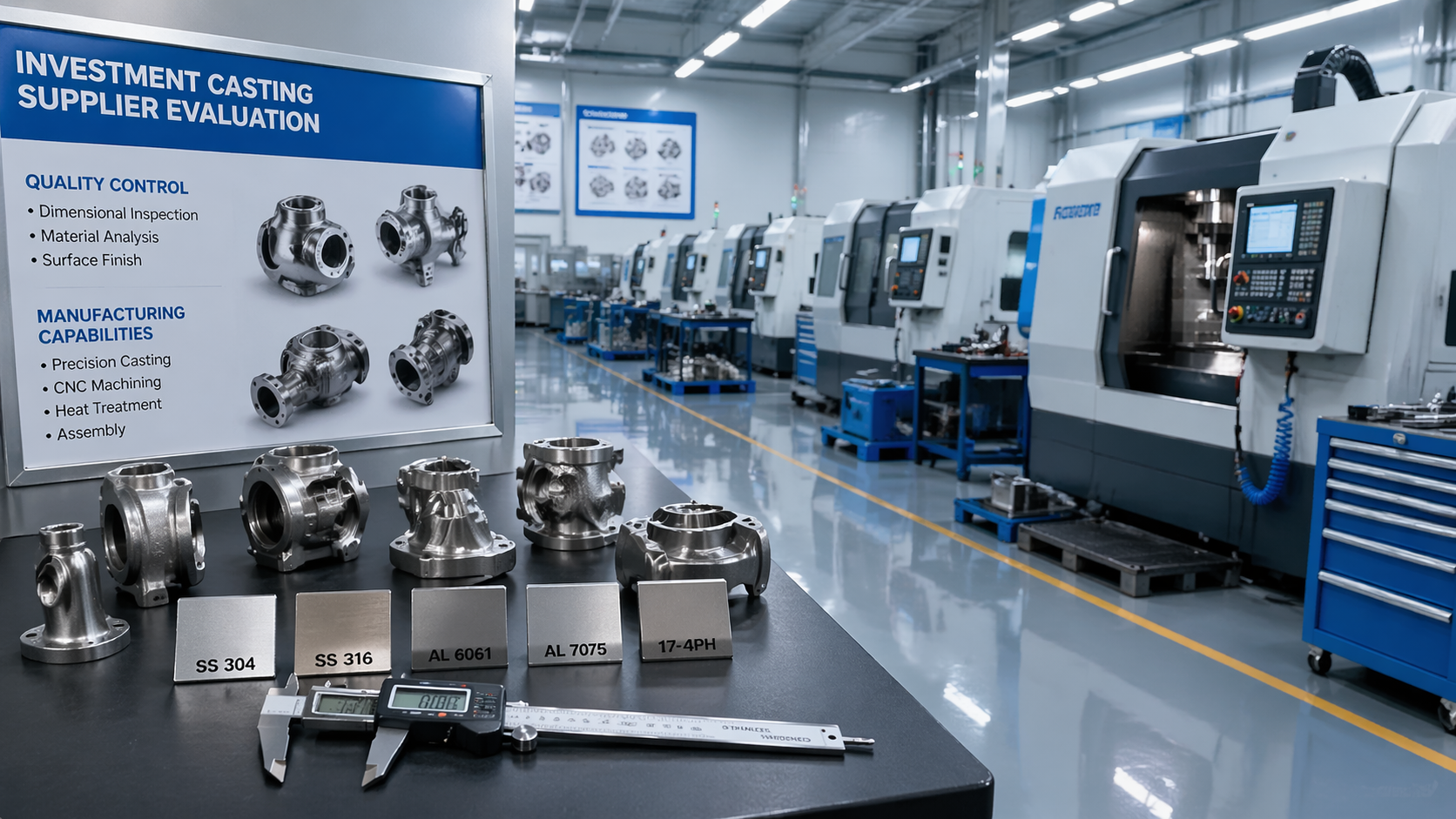
[[IMG:img_01]]A practical comparison starts with four checkpoints: material consistency, production capacity, compliance control, and delivery reliability. For industrial buyers, lead ingots are rarely purchased in isolation. They often support broader sourcing programs that also include magnesium alloy ingots, precision die casting parts, and cnc machining parts oem, so supplier capability must be reviewed at both product and system level.
Information researchers usually begin with catalog data and country of origin, but procurement teams need to go further. Ask whether the manufacturer can define lead grade ranges, impurity control methods, melt handling procedures, and batch traceability. A supplier that cannot explain these basics in clear technical language may struggle when requirements become tighter or volumes increase from small-batch evaluation to monthly replenishment.
Operators and end users should also be part of the review. If lead ingots feed casting, radiation shielding, battery-related applications, or alloy preparation, consistency matters in day-to-day use. Even small variations in dimensions, dross level, or chemistry can affect melting behavior, scrap rates, and downstream machining stability. In many factories, one poor batch can disrupt 1 production shift, while repeated inconsistency may affect 2–4 weeks of planning.
For decision-makers, the central question is simple: can this manufacturer support reliable industrial procurement over 6–12 months, not just one shipment? That means comparing responsiveness, engineering communication, and documentation discipline, not only unit price. Global Industrial Core approaches supplier evaluation from this broader industrial infrastructure perspective, helping EPC contractors and industrial buyers compare risk before it appears on the production floor.
A four-point screening framework
- Material definition: Confirm purity range, alloy additions if any, and how the manufacturer manages batch-to-batch variation.
- Manufacturing capability: Check melting equipment, ingot molding process, lot size flexibility, and usual lead times such as 7–15 days or 2–4 weeks.
- Documentation and compliance: Review inspection records, safety data handling, packaging labels, and export documentation where applicable.
- Supply continuity: Ask about raw material sourcing channels, backup production plans, and how they manage urgent orders during peak demand.
Key comparison dimensions for industrial buyers
Before requesting quotations from multiple lead ingots manufacturers, it helps to compare the most decision-relevant factors in a single view. The table below highlights the areas that usually separate a low-risk supply partner from a seller that only competes on initial price.
This comparison method is also useful when a buyer is sourcing across related categories. A manufacturer or supply partner experienced in lead ingots, magnesium alloy ingots, precision die casting parts, and cnc machining parts oem often demonstrates stronger process discipline, broader metallurgy knowledge, and better support for integrated industrial programs.
How do quality systems and technical controls affect real procurement outcomes?
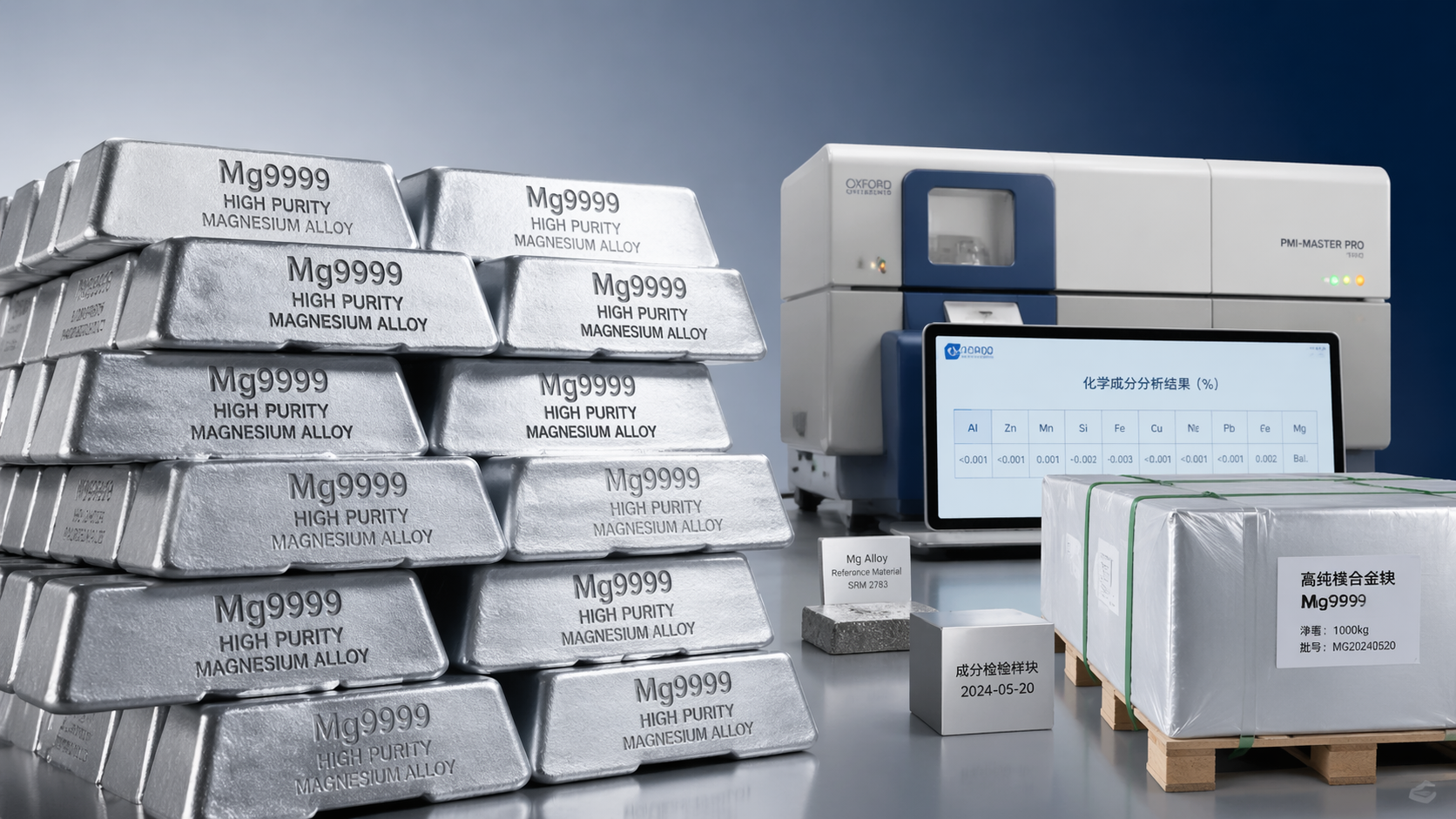
Many sourcing problems begin when quality is treated as a certificate rather than a process. When comparing lead ingots manufacturers, buyers should ask how quality is actually controlled across 3 stages: raw material intake, melt and casting control, and final inspection before shipment. This matters more than a polished brochure because operational risk usually comes from process gaps, not marketing claims.
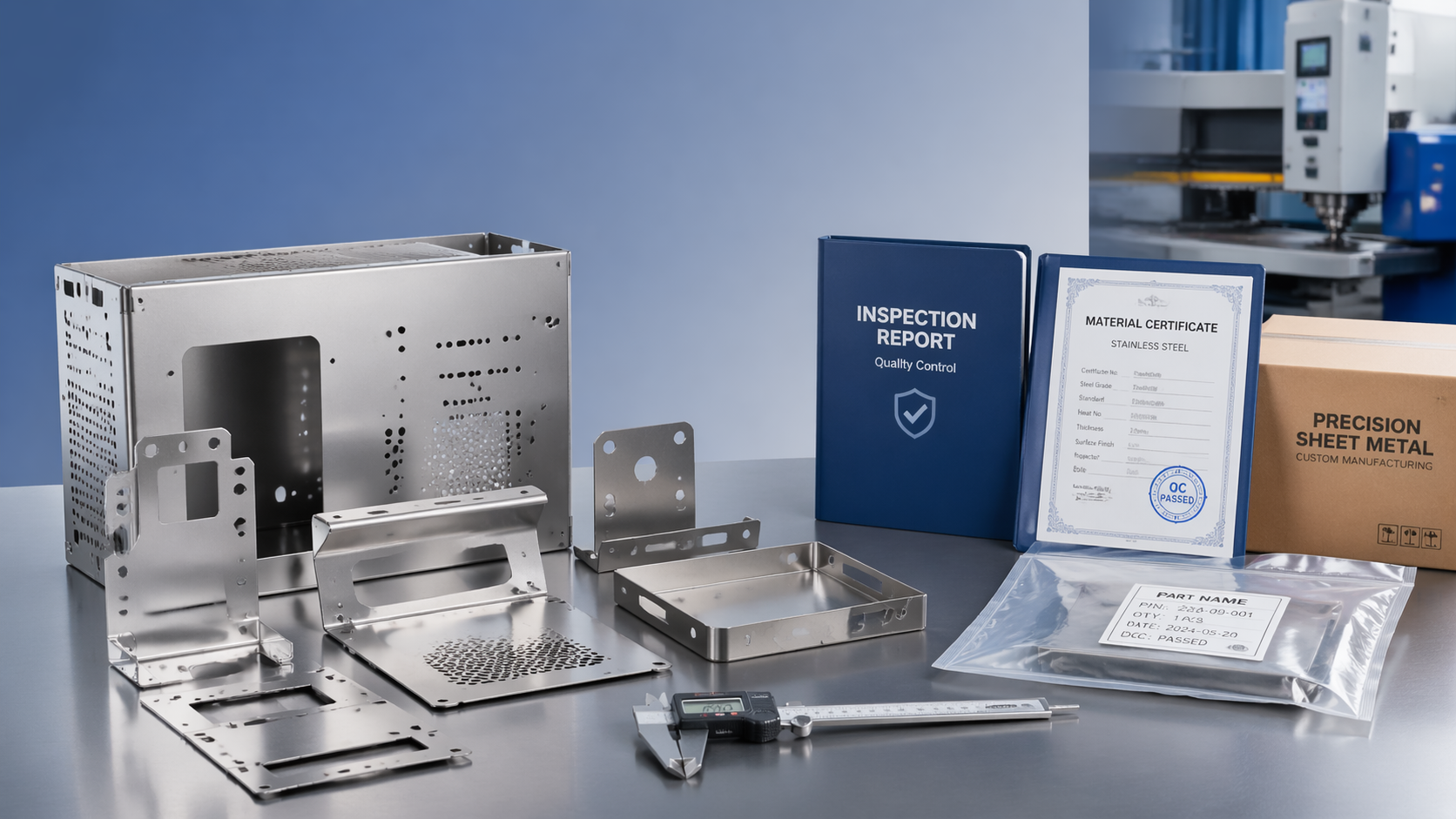
A capable manufacturer should explain how incoming materials are identified, how heats are segregated, and how test data is linked to each lot. For industrial metal buyers, traceability is especially important when lead ingots are used in regulated sectors or in applications where contamination could affect product performance. A batch number without supporting records is not meaningful traceability.
Technical controls also influence downstream operations. If ingots vary too much in shape, weight, or surface cleanliness, operators may need extra handling, more frequent fluxing, or longer melt preparation time. In practical terms, even a 5–10% increase in furnace preparation time can affect production efficiency when repeated across weekly runs. That is why end users and operators should review supplier samples, not just purchasing documents.
Global Industrial Core emphasizes this process-based view because industrial procurement sits at the intersection of metallurgy, operations, and risk management. For heavy industry buyers, the right supplier is one that can turn technical consistency into commercial stability. A slightly lower quoted price loses its advantage quickly if it creates rework, delayed dispatch, or internal nonconformance reports.
Questions that reveal real technical maturity
Ask about control, not only claims
- How are composition checks performed for each lot or heat, and what records are retained for 12 months or longer?
- What is the standard inspection sequence before shipment, and are dimensions, net weight, and visible contamination reviewed?
- Can the supplier support pre-shipment samples, retained samples, or third-party inspection if required by the buyer?
- How are nonconforming batches isolated, and what is the response timeline for complaint handling, such as within 24–72 hours?
Typical quality and compliance checkpoints
The following table can be used during supplier qualification, especially when your team needs a structured checklist for both technical and commercial review. It is also relevant when comparing manufacturers that offer adjacent products such as magnesium alloy ingots and precision die casting parts.
The point is not to demand every document from every supplier. The point is to match evidence depth to purchasing risk. For a trial order, 5 key checks may be enough. For framework sourcing or recurring deliveries, buyers usually need a wider qualification package covering process control, packaging, claims response, and commercial accountability.
How should buyers compare cost, lead time, and service without choosing the wrong supplier?
A low quotation can be attractive, but industrial procurement should compare total supply cost, not just metal price. For lead ingots manufacturers, cost evaluation should include packaging, testing, inland transport, export handling, shipment consolidation, payment terms, and the risk cost of delays. In many B2B purchases, the cheapest offer becomes the most expensive once claims, urgent replacements, or production interruption are included.
Lead time must also be interpreted carefully. One supplier may quote 7–10 days for ex-works availability but rely on unstable raw material inflow. Another may quote 2–3 weeks with better schedule discipline and clearer inventory planning. Procurement teams should ask whether lead time starts after PO confirmation, after deposit, or after technical approval. These definitions often change the real delivery window.
Service depth is another differentiator. Buyers sourcing lead ingots alongside magnesium alloy ingots, precision die casting parts, or cnc machining parts oem often benefit from a partner that can coordinate materials, machining support, and documentation across more than one category. This reduces communication friction and shortens the internal purchasing cycle, especially when engineering, quality, and logistics teams must all sign off.
Enterprise decision-makers should therefore compare suppliers across 5 dimensions: quoted price, confirmed specification, lead time realism, response speed, and recovery capability if something goes wrong. A supplier that answers technical questions in 24 hours and proposes corrective steps in 48 hours may create more value than one that only sends a lower spreadsheet number.
A practical procurement decision sequence
- Shortlist 3 suppliers based on technical fit, not broad marketplace visibility alone.
- Align specification language before quotation so all suppliers are pricing the same scope.
- Review sample availability, inspection records, and packaging details before commercial comparison.
- Run a trial order if the annual volume is significant or the application is quality-sensitive.
- Track supplier performance over the first 2–3 deliveries before finalizing long-term allocation.
Typical comparison of procurement scenarios
Different buying situations require different supplier choices. The table below shows how lead ingots manufacturers may be assessed depending on urgency, technical complexity, and sourcing strategy.
This type of scenario analysis helps buyers avoid a common mistake: selecting one supplier profile for every purchasing need. In reality, a qualification supplier, a strategic long-term supplier, and an emergency backup supplier may not be the same company. Strong procurement strategy often uses 2 supplier tiers rather than relying on a single source.
Which mistakes do buyers make most often, and how can they be avoided?
The first common mistake is comparing quotations with different technical assumptions. One lead ingots manufacturer may include testing, export packaging, and documented batch control, while another prices only basic supply. If the RFQ does not define composition requirements, packaging expectations, inspection documents, and shipping terms, the buyer is not comparing equivalent offers.
The second mistake is ignoring downstream fit. Operators may discover too late that the ingot size does not suit charging practice, or that surface contamination increases melt preparation work. In plants running regular cycles, such issues can affect every batch. A short trial with operational review often reveals these problems within the first 1–2 deliveries.
The third mistake is treating supplier communication as secondary. In industrial sourcing, unclear responses usually signal unclear control. If a manufacturer takes 5 days to answer routine specification questions before the order, complaint handling after the order is unlikely to improve. Procurement teams should rate communication discipline as part of supplier approval, not as an informal observation.
The fourth mistake is failing to plan for continuity. Raw material markets, freight schedules, and production loading can all change. Buyers should ask about backup planning, alternative shipping routes, and capacity flexibility. Even if the annual demand is modest, having a main supplier plus 1 qualified backup can significantly reduce operational exposure.
FAQ for comparing lead ingots manufacturers
How many suppliers should be compared before making a decision?
For most industrial purchases, comparing 3 qualified suppliers is usually enough to identify major differences in price, process control, and responsiveness. More than that can slow the process without adding much value unless the project is large, regulated, or strategically important. The key is to make sure all suppliers are quoting against the same technical scope.
What documents are reasonable to request during supplier qualification?
A practical starting set includes product specification, inspection format, batch traceability explanation, packaging details, and commercial lead time terms. If the application is sensitive, buyers may also request sample support, retained sample practice, or third-party inspection acceptance. The document package should match the risk level and annual purchasing importance.
Are manufacturers that also supply magnesium alloy ingots or cnc machining parts oem better partners?
Not automatically, but cross-category capability can be valuable. It may indicate stronger metallurgy understanding, broader production planning, and better support for integrated projects involving raw materials and downstream components. Buyers should still verify whether each product line is managed with the same level of process control and documentation.
What is a reasonable lead time expectation for lead ingots?
It depends on stock status, order size, packaging requirements, and shipping terms. For standard supply, buyers often see ex-works preparation windows from 7–15 days, while customized packaging, export coordination, or tight capacity periods may extend planning to 2–4 weeks. Always confirm whether the quoted lead time begins after PO, after deposit, or after technical confirmation.
Why work with Global Industrial Core when shortlisting suppliers?
Global Industrial Core supports industrial buyers who need more than a supplier list. Our strength is structured comparison for foundational industrial categories where failure, delay, or noncompliance carries real operational cost. That includes metals and components connected to broader procurement programs across mechanical components, metallurgy, instruments, safety, and infrastructure-critical systems.
If you are comparing lead ingots manufacturers, we help you define evaluation criteria before commercial negotiation starts. That may include parameter confirmation, qualification checklist design, sourcing risk review, packaging and logistics considerations, or alignment between material purchasing and downstream categories such as precision die casting parts and cnc machining parts oem. This is especially useful for EPC contractors, plant teams, and procurement directors managing multi-stakeholder approvals.
Our approach is practical. We focus on the questions that change buying outcomes: what specification needs to be locked first, which 5–6 quality checkpoints matter most, how long the real delivery cycle may be, what documentation should accompany the shipment, and when a trial order is more valuable than extended email negotiation. This reduces ambiguity and helps teams move from market research to confident supplier selection.
If your team is evaluating lead ingots manufacturers now, contact Global Industrial Core for support with specification review, supplier comparison, sample planning, certification and documentation checks, delivery timeline assessment, or quote benchmarking. You can also discuss broader sourcing combinations involving magnesium alloy ingots, precision die casting parts, and cnc machining parts oem so your procurement plan is aligned across materials, parts, compliance, and long-term supply continuity.
Expert Insights

Chief Security Architect
Dr. Thorne specializes in the intersection of structural engineering and digital resilience. He has advised three G7 governments on industrial infrastructure security.
Related Analysis
Core Sector // 01
Security & Safety
- How to Choose an Investment Casting ManufacturerAuthor :Heavy Industry Strategist

- Are Precision Die Casting Parts Worth the CostAuthor :Heavy Industry Strategist
![]()
- Sheet Metal Fabrication Services: What to CheckAuthor :Heavy Industry Strategist

- Custom Metal Stamping Parts: Common Buying MistakesAuthor :Heavy Industry Strategist

- Magnesium Alloy Ingots: What Affects QualityAuthor :Heavy Industry Strategist

- How to Compare Lead Ingots ManufacturersAuthor :Heavy Industry Strategist
![]()
- 2026 Shanghai Fastener Show Launches Zero-Carbon Process ZoneAuthor :Heavy Industry Strategist
![]()
- Shanghai Fastener Show 2026: 1400+ Suppliers, Global B2B MatchingAuthor :Heavy Industry Strategist
![]()