China Policy Ties Inbound Spending to Security and Air Systems
Author
Date Published
Reading Time

On June 10, 2026, China’s Ministry of Commerce and eight other departments released new measures to promote travel service exports and expand inbound consumption, with a clear push to upgrade smart security, emergency fire protection, and clean-air systems in airports, high-speed rail stations, and cultural-tourism complexes. For companies involved in CCTV, explosive-proof fire equipment, HEPA-grade industrial air purification, project delivery, and export service packaging, the update is worth watching because it links policy support with specific application scenarios and an early export pipeline.

What the June 10 Measures Actually Confirm
The confirmed information is relatively specific. The policy measures were jointly issued by the Ministry of Commerce and eight other departments on June 10, 2026. The document calls for faster upgrades of smart security, emergency firefighting, and clean-air systems across airports, high-speed rail stations, and integrated cultural-tourism venues. It also explicitly supports the overseas expansion of domestically made CCTV systems, explosive-proof firefighting equipment, and HEPA industrial air purifiers through a bundled “service + equipment” model. According to the provided summary, the first pilot programs have already been launched in Hainan, Shanghai, and Guangzhou, and the expected incremental export value of supporting equipment is projected to exceed US$300 million within 2026.
Where the impact is likely to be felt first
Equipment makers may face a more project-based export rhythm
From an industry perspective, manufacturers of security screening-related systems, fire protection equipment, and industrial air purification products may be affected first because the policy does not discuss equipment in isolation. Instead, it connects these products to travel-service export scenarios and bundled delivery. The practical implication is that business opportunities may be shaped less by single-item orders and more by integrated project requirements, site standards, and cross-functional delivery capability.
Service integrators could move closer to the center of transactions
Analysis shows that companies able to combine system design, installation, commissioning, and after-sales support with equipment supply may gain importance under a “service + equipment” approach. The key change to watch is not only product demand, but also whether procurement increasingly favors providers that can package solutions for transport hubs and tourism-linked facilities rather than ship standalone hardware.
Buyers and operators may focus more on scenario fit than broad catalog coverage
For procurement teams and end users in pilot-related scenarios, the policy signal points toward upgrades in defined operating environments such as airports, rail stations, and large tourism-commercial complexes. That means attention may shift to product suitability for safety, emergency response, and air-quality applications in those settings, instead of purely price-led comparisons across broad equipment catalogs.
Supply-chain and trade service firms should watch bundled export execution
Observably, logistics, documentation, and trade support providers may also be affected because bundled exports typically require closer coordination across equipment categories and service commitments. What deserves closer attention is whether clients begin asking for tighter documentation alignment, delivery scheduling, and post-delivery support arrangements as pilot projects move from policy language into procurement activity.
What companies should monitor now
Track follow-up wording and implementation detail
Companies should pay close attention to whether later official communications further define eligible export formats, pilot scope, or scenario requirements. The current policy direction is clear, but practical business execution often depends on more detailed wording than a headline policy announcement alone provides.
Prioritize the named product categories and use cases
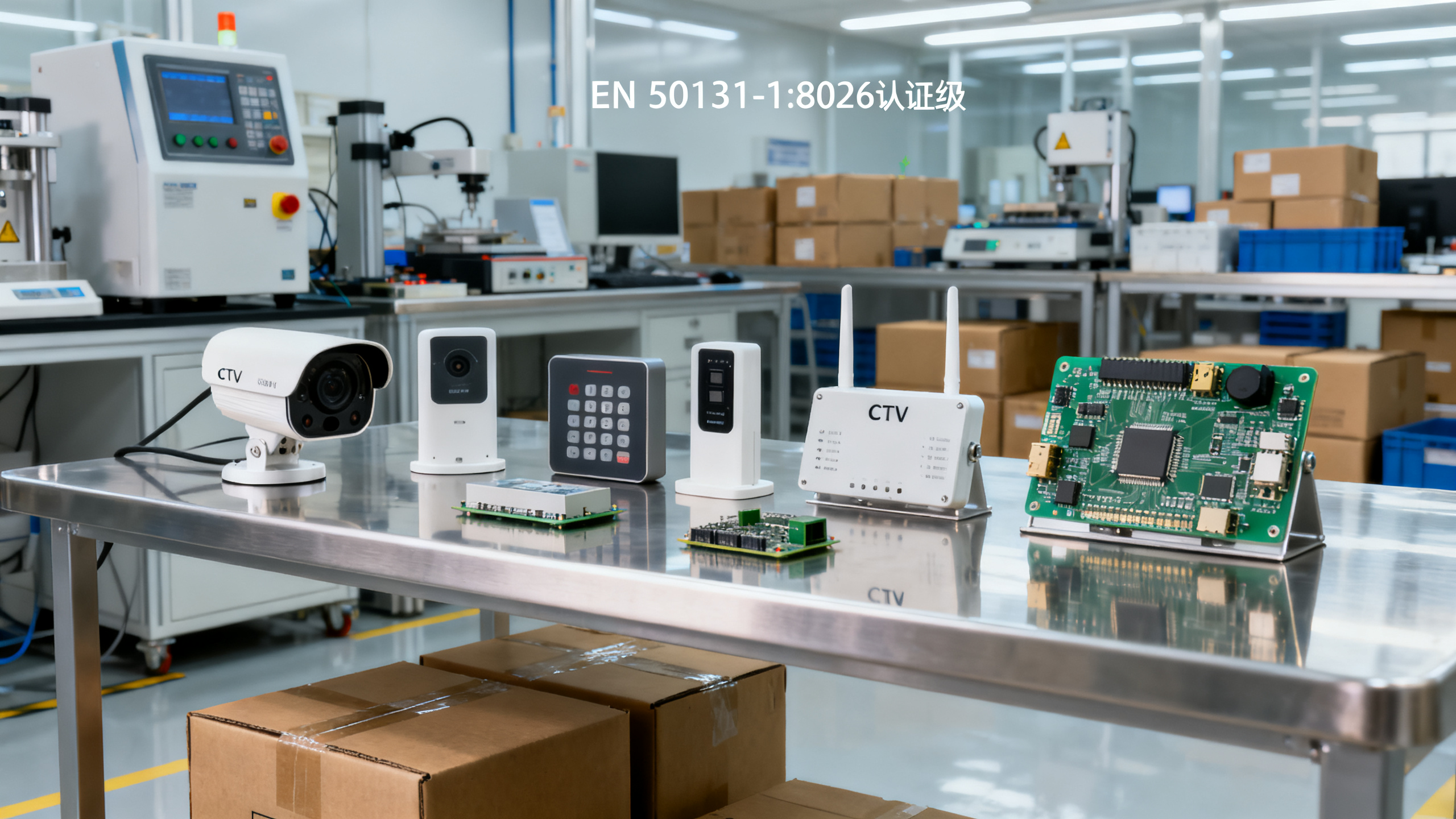
The current signal is most direct for CCTV systems, explosive-proof firefighting equipment, and HEPA industrial air purifiers. Firms in these categories should focus on how their offerings fit transport and tourism infrastructure upgrades, because those are the specific settings identified in the provided information.
Prepare for bundled delivery rather than product-only discussions
Analysis shows that customer communication may increasingly revolve around integrated delivery, not just equipment specifications. Suppliers and project teams should therefore be ready to discuss service scope, documentation, delivery timing, and coordination responsibilities alongside the hardware itself.
Separate policy intent from booked demand
What deserves closer attention is the difference between policy support and finalized orders. The pilot rollout in Hainan, Shanghai, and Guangzhou gives the market a concrete starting point, but companies should still distinguish between a positive policy framework and confirmed procurement conversion.
Why this looks more like a directional signal than a finished market outcome
As an editorial observation, this development is best read as a structured policy signal with early commercial implications rather than a fully realized demand surge. The measures matter because they connect inbound-consumption policy with exportable equipment categories and named deployment scenarios. At the same time, the available facts do not yet show how quickly pilot activity will translate into recurring orders, how procurement models will differ by project, or how broadly the “service + equipment” model will be replicated beyond the initial locations.
How the market may interpret the update at this stage
It is more appropriate to understand this news as a near-term operational cue and a medium-term industry indicator. In the near term, it highlights where attention is likely to concentrate: integrated exports tied to security, fire safety, and clean-air upgrades in travel-related infrastructure. In the medium term, it suggests that policy-backed service exports may create additional pull for associated equipment categories. The rational takeaway is not that outcomes are already settled, but that the direction of demand formation is becoming easier to identify.
About the basis of this article
This article is based on the user-provided news title, event date, and event summary. For this type of update, commonly relevant source categories may include official government notices, company disclosures, industry association releases, authoritative media reports, and standards-related documents. A specific official source link was not provided in the input, so further verification remains necessary. Continued monitoring should focus on subsequent official clarifications, pilot progress in Hainan, Shanghai, and Guangzhou, and whether additional implementation details emerge around the bundled “service + equipment” export model.
Technical Specifications
- How to Select Electronic Hotel Key Card Locks for Guest Rooms and Staff AreasAuthor :Safety Compliance Lead
- How to Select Lab Instruments for Reliable Chemical Analysis WorkflowsAuthor :Precision Metrology Expert
- How to Size a UPS for Server Rooms: Load, Runtime, and Redundancy FactorsAuthor :Grid Infrastructure Analyst
Expert Insights

Chief Security Architect
Dr. Thorne specializes in the intersection of structural engineering and digital resilience. He has advised three G7 governments on industrial infrastructure security.
Related Analysis
- Sep 17, 2026How to Select Electronic Hotel Key Card Locks for Guest Rooms and Staff AreasAuthor :Safety Compliance Lead
- Sep 16, 2026How to Select Lab Instruments for Reliable Chemical Analysis WorkflowsAuthor :Precision Metrology Expert
- Sep 15, 2026How to Size a UPS for Server Rooms: Load, Runtime, and Redundancy FactorsAuthor :Grid Infrastructure Analyst
Core Sector // 01
Security & Safety
- How to Select Electronic Hotel Key Card Locks for Guest Rooms and Staff AreasAuthor :Safety Compliance Lead

- How to Evaluate a Hotel Key Card Lock Supplier for Multi-Property RolloutsAuthor :Safety Compliance Lead

- Pre-Contract Audit Checklist for Verified Production Safety and Environmental ComplianceAuthor :Safety Compliance Lead

- How Can Distributors Build Procurement-Oriented Industrial Content That Drives RFQs?Author :Safety Compliance Lead

- EU Mandates EN 50131-1:2026 for Security SystemsAuthor :Safety Compliance Lead

- EU EN 50131-1:2026 Takes Effect on CCTV ComplianceAuthor :Safety Compliance Lead

- IEC Issues CCTV Interoperability Test StandardAuthor :Safety Compliance Lead

- EN 50131-4:2026 Raises EU Security Compliance BarAuthor :Safety Compliance Lead