Digital Sound Level Meter Accuracy: Key Specs, Calibration, and Compliance Basics
Author
Date Published
Reading Time
Digital Sound Level Meter Accuracy: What Really Matters
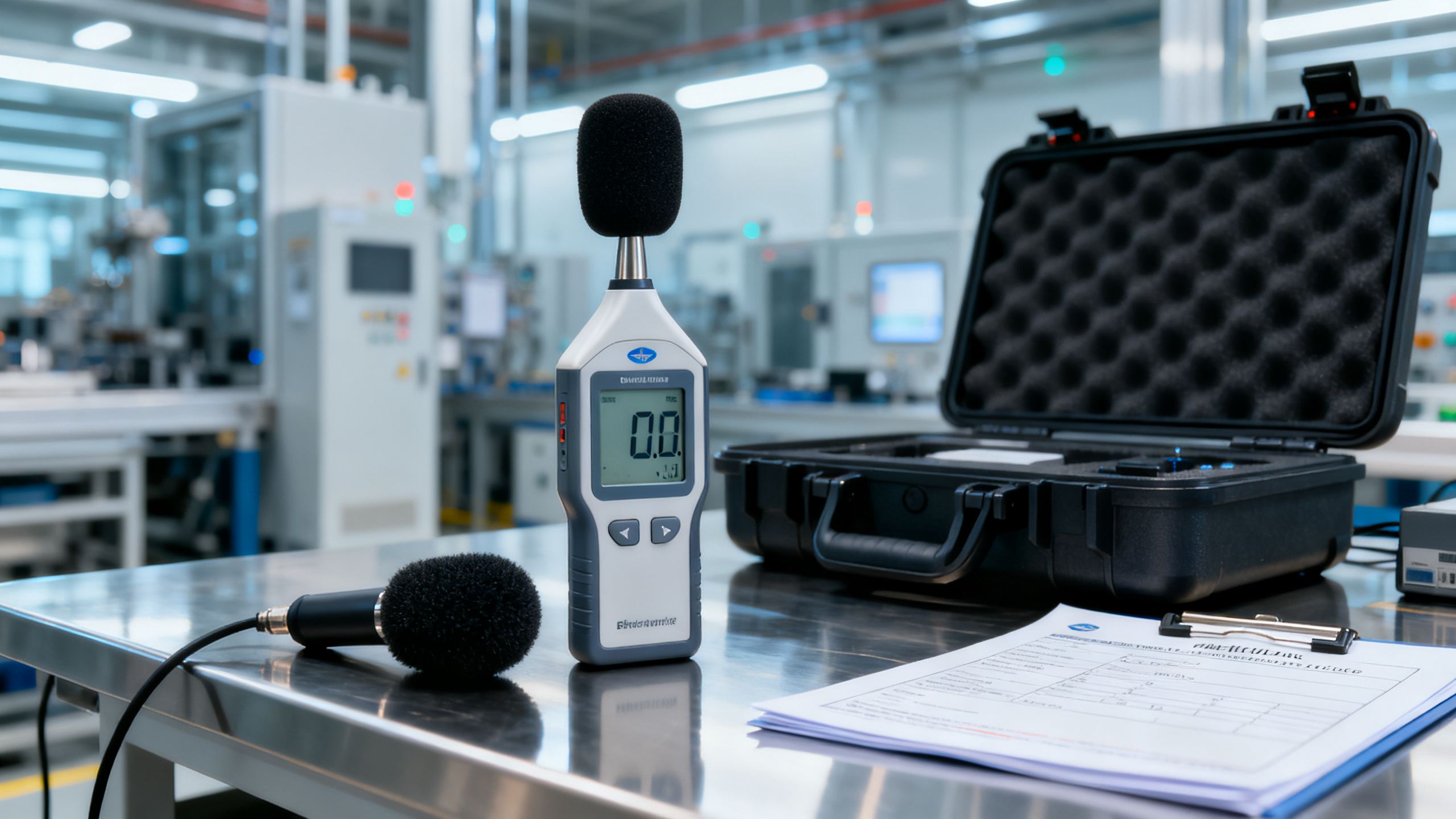
Choosing a digital sound level meter is not just about reading decibels.
It is about accuracy, repeatability, and compliance in real workplaces.
That difference becomes critical during audits, incident reviews, and long-term noise control planning.
A digital sound level meter that looks fine on paper may still fail in production areas, utility rooms, or outdoor sites.
This is why buyers should evaluate core specifications, calibration practice, and regulatory fit together.
When those three areas align, noise data becomes defensible and useful.
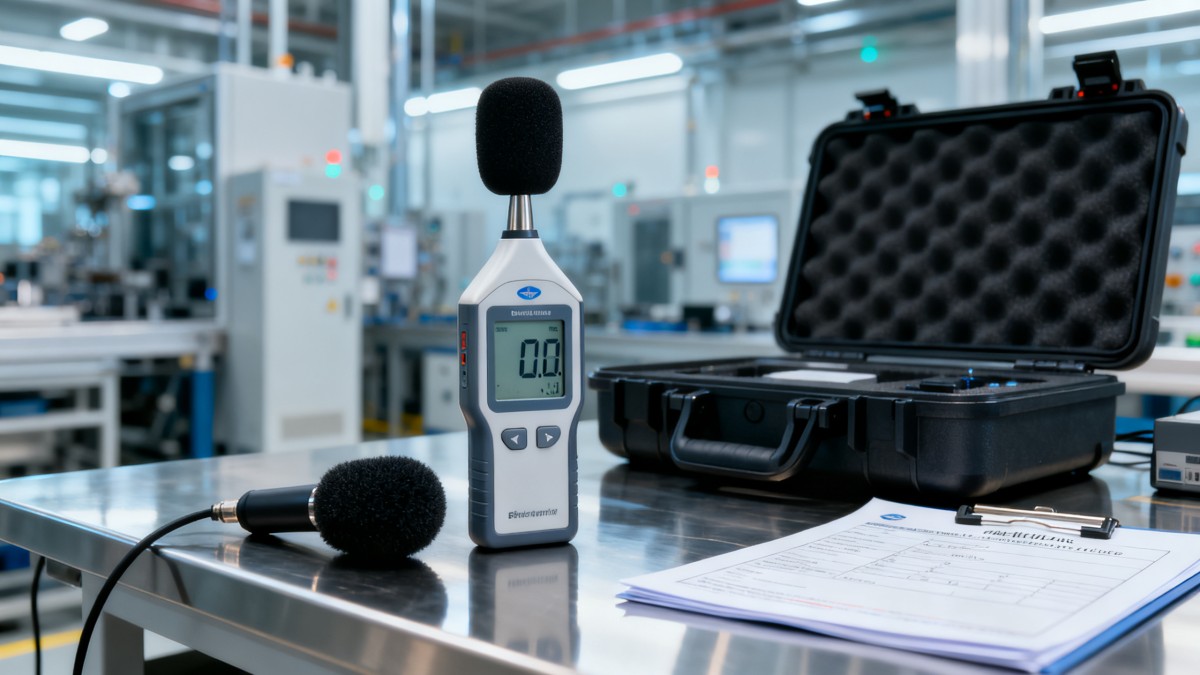
In practical terms, a digital sound level meter supports worker protection, equipment checks, complaint handling, and process validation.
It also helps reduce disputes over whether a measured noise level is truly representative.
That is often where lower-grade instruments create hidden cost.
Core Accuracy Specs in a Digital Sound Level Meter
Accuracy starts with understanding the specification sheet correctly.
Many purchasing decisions focus only on price or display resolution.
Those points matter less than measurement class, tolerance, frequency response, and stability.
Class 1 vs Class 2
The first checkpoint is whether the digital sound level meter is Class 1 or Class 2.
This classification usually follows IEC 61672.
Class 1 instruments have tighter tolerances across a wider operating range.
They are typically preferred for formal assessments, legal records, and critical compliance work.
Class 2 models can still be useful for routine screening and general workplace checks.
The risk appears when a screening tool is used as if it were an evidentiary instrument.
Tolerance, Range, and Resolution
Resolution shows how many decimals appear on the screen.
It does not prove real measurement accuracy.
A digital sound level meter may display 0.1 dB steps while still having broader tolerance limits.
The usable measurement range is just as important.
If the expected noise exceeds the instrument range, readings can clip or distort.
For plants with variable machinery loads, a wider dynamic range gives more reliable coverage.
Frequency Weighting and Time Weighting
A capable digital sound level meter should support at least A and C weighting.
A-weighting is common for occupational noise assessment.
C-weighting helps when evaluating peak or low-frequency energy.
Fast and Slow time weighting also matter.
Fast response captures rapid variation better.
Slow response often improves readability in steady environments.
Calibration Basics: The Part Buyers Often Underestimate
Even the best digital sound level meter drifts over time.
That drift can come from microphone aging, handling shock, humidity, or temperature changes.
Calibration is what keeps measurement confidence intact.
Field Calibration and Laboratory Calibration
Field calibration should happen before and after important measurements.
This quick check uses an acoustic calibrator at a known reference level.
It confirms that the digital sound level meter remains stable during use.
Laboratory calibration is different.
It is performed at scheduled intervals by a qualified calibration provider.
For many industrial programs, annual calibration is the baseline.
More demanding environments may require shorter intervals.
Traceability and Documentation
A calibration certificate should do more than confirm “pass.”
It should show traceability, test conditions, measurement uncertainty, and instrument identification.
This is especially important when internal quality systems require audit-ready records.
Without traceable paperwork, a digital sound level meter reading may be questioned later.
Common Calibration Mistakes
- Using a calibrator that is not itself current and traceable.
- Skipping post-measurement checks after a long survey.
- Ignoring battery condition before calibration and measurement.
- Failing to document deviations, location, and environmental conditions.
These mistakes are simple, but they weaken confidence quickly.
Compliance Basics for Workplace Noise Measurement
Compliance is not one universal checklist.
Requirements depend on region, industry, application, and internal policy.
Still, several basics appear across most programs.
Standards and Regulatory References
IEC 61672 is a key reference for digital sound level meter performance.
ISO 9612 is often referenced for occupational noise exposure assessment.
Depending on the market, OSHA or local workplace safety rules may also apply.
If procurement spans multiple countries, harmonized review becomes essential.
Why Compliance Is More Than a Label
Some instruments mention standards in marketing materials without showing full conformity evidence.
That is where technical review matters.
A compliant digital sound level meter should have clear specification documents, calibration support, and reliable manufacturer records.
This also means checking support for certificates, service turnaround, and spare accessories.
Quick Evaluation Table
How to Choose the Right Digital Sound Level Meter for Operations
Selection should begin with the application, not the catalog headline.
A digital sound level meter for factory screening differs from one used for formal exposure studies.
The better approach is to map the instrument to real operating risk.
Questions Worth Asking Before Purchase
- Will the digital sound level meter support screening, compliance, or both?
- Is Class 1 necessary for the intended risk profile?
- Are calibrator, windscreen, case, and software included?
- Can the supplier provide traceable calibration and after-sales service?
- Does the instrument perform reliably in your typical temperature and humidity range?
Operational Features That Add Real Value
Data logging is useful when trends matter more than spot readings.
USB export or software integration helps when records must be reviewed later.
Overload indicators, low battery alerts, and stable mounting options also improve field reliability.
In other words, a practical digital sound level meter supports the workflow, not just the reading.
A Simple Decision Framework
A strong buying decision usually follows a short sequence.
- Define the measurement purpose and risk level.
- Match the needed class, weighting, and range.
- Confirm calibration method and traceability support.
- Review compliance evidence, not just sales claims.
- Check lifecycle cost, service access, and accessories.
This framework keeps a digital sound level meter purchase aligned with both technical need and audit pressure.
It also reduces the chance of buying a tool that must be replaced too soon.
Final Takeaway
A digital sound level meter is only as valuable as the trust behind its readings.
That trust comes from the right accuracy class, proper calibration, and credible compliance support.
For industrial environments, those basics are not optional details.
They shape whether your data can guide action, satisfy audits, and stand up under scrutiny.
Before choosing the next digital sound level meter, review the application, verify the standard, and confirm the calibration path.
That small discipline usually delivers better measurements, lower risk, and stronger operational decisions.
Technical Specifications
- How to Select Electronic Hotel Key Card Locks for Guest Rooms and Staff AreasAuthor :Safety Compliance Lead
- How to Select Lab Instruments for Reliable Chemical Analysis WorkflowsAuthor :Precision Metrology Expert
- How to Size a UPS for Server Rooms: Load, Runtime, and Redundancy FactorsAuthor :Grid Infrastructure Analyst
Expert Insights

Chief Security Architect
Dr. Thorne specializes in the intersection of structural engineering and digital resilience. He has advised three G7 governments on industrial infrastructure security.
Related Analysis
- Sep 17, 2026How to Select Electronic Hotel Key Card Locks for Guest Rooms and Staff AreasAuthor :Safety Compliance Lead
- Sep 16, 2026How to Select Lab Instruments for Reliable Chemical Analysis WorkflowsAuthor :Precision Metrology Expert
- Sep 15, 2026How to Size a UPS for Server Rooms: Load, Runtime, and Redundancy FactorsAuthor :Grid Infrastructure Analyst
Core Sector // 01
Security & Safety
- What to Check When Sourcing Vibration Meters Wholesale for Industrial MaintenanceAuthor :Precision Metrology Expert

- How to Select Process Control Instruments for Accuracy, Safety, and UptimeAuthor :Precision Metrology Expert

- What Should Standards Compliance Analysis Training Cover Before an Audit?Author :Precision Metrology Expert

- Why Do Pressure Instruments Fail in High-Vibration Sites?Author :Precision Metrology Expert

- Is FM Software Integration Needed for Overseas Instrument Maintenance?Author :Precision Metrology Expert

- What Are the Differences Between Lab and Field Testing Equipment?Author :Precision Metrology Expert

- Is Independent Testing Necessary for Critical Safety Components?Author :Precision Metrology Expert

- How to Validate Industrial Application Scenarios Before ProcurementAuthor :Precision Metrology Expert