US Grid Equipment Shortage Could Raise Electricity Bills and Outage Risk, Study Warns
Author
Date Published
Reading Time
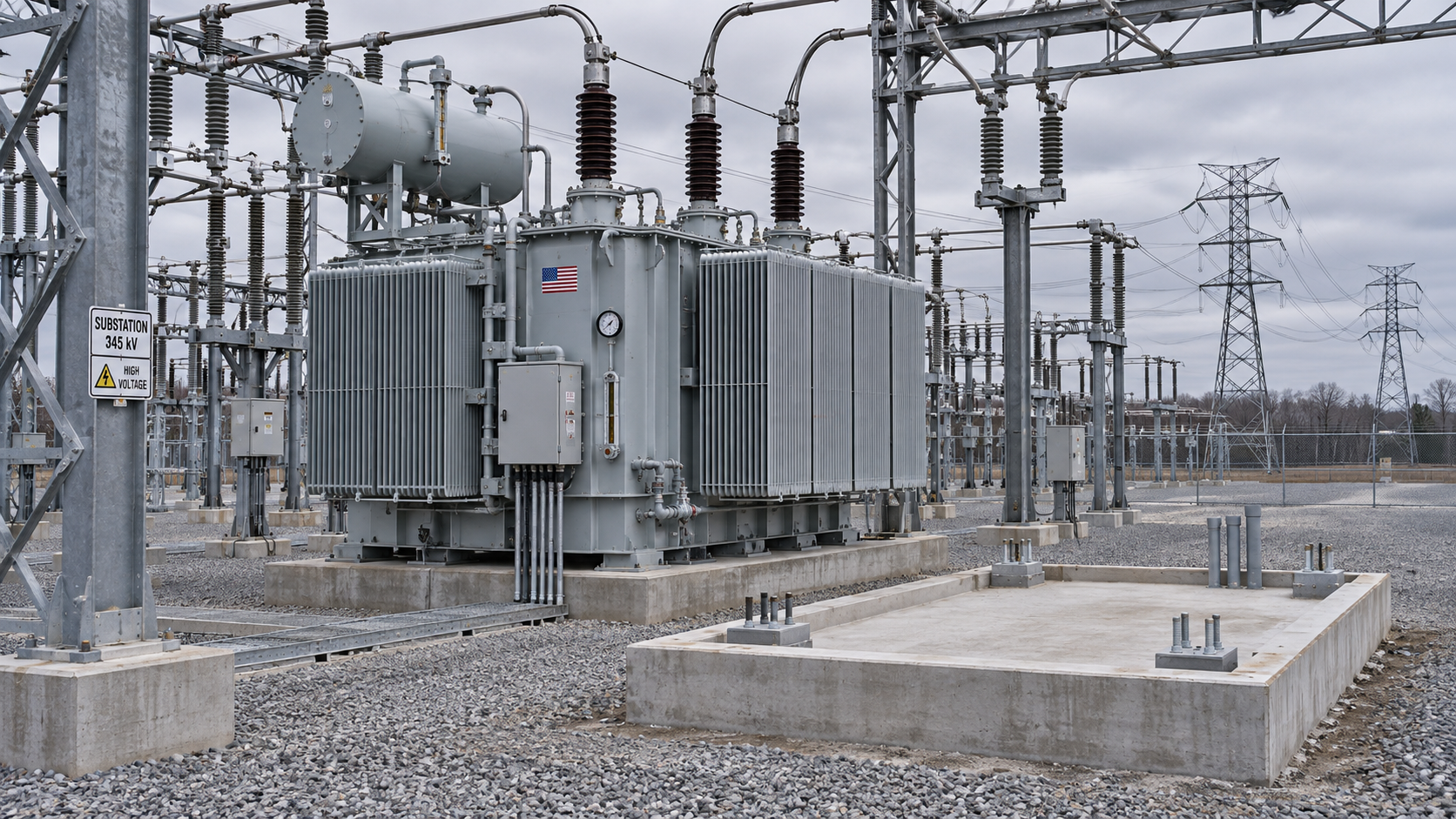
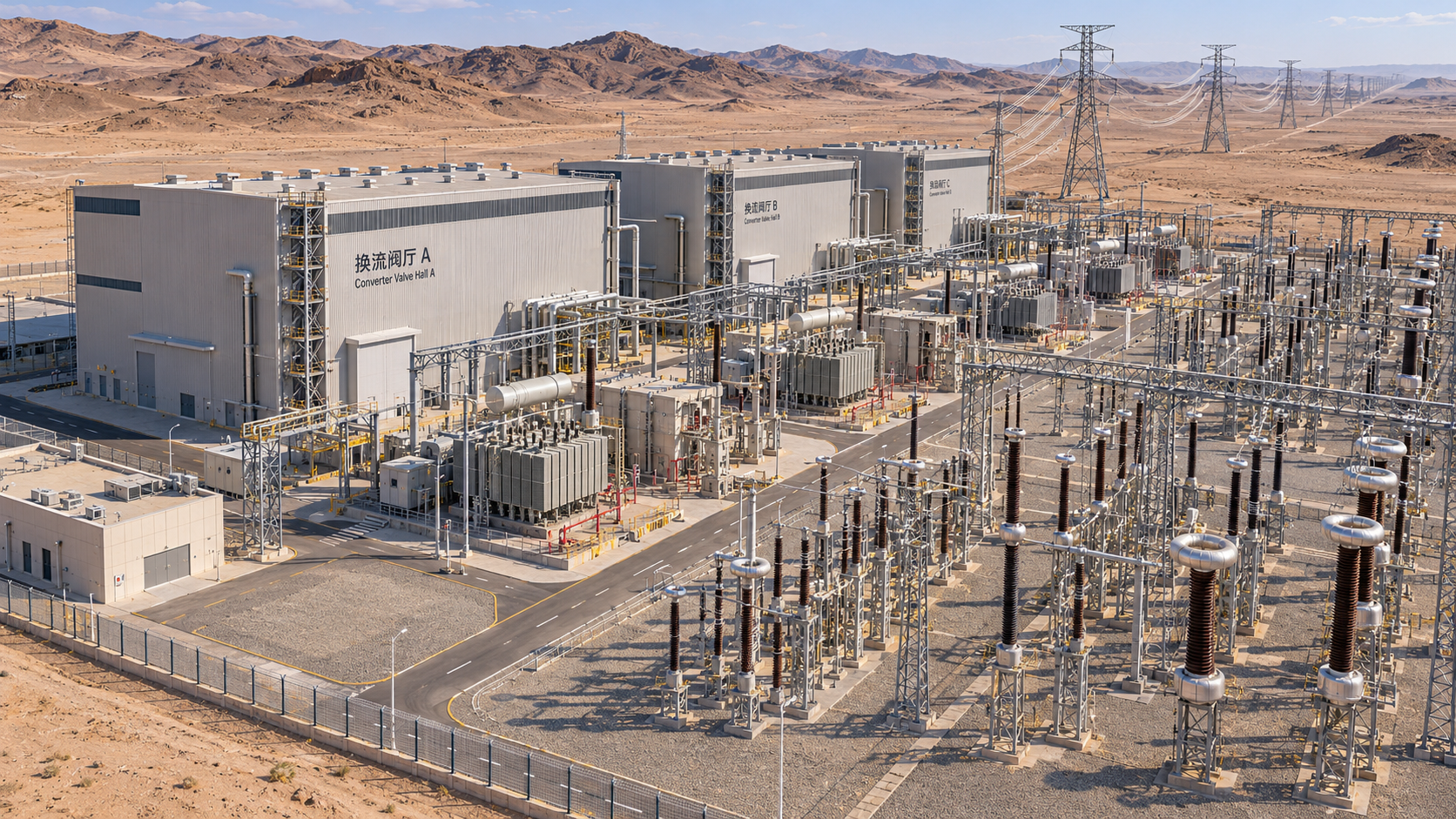
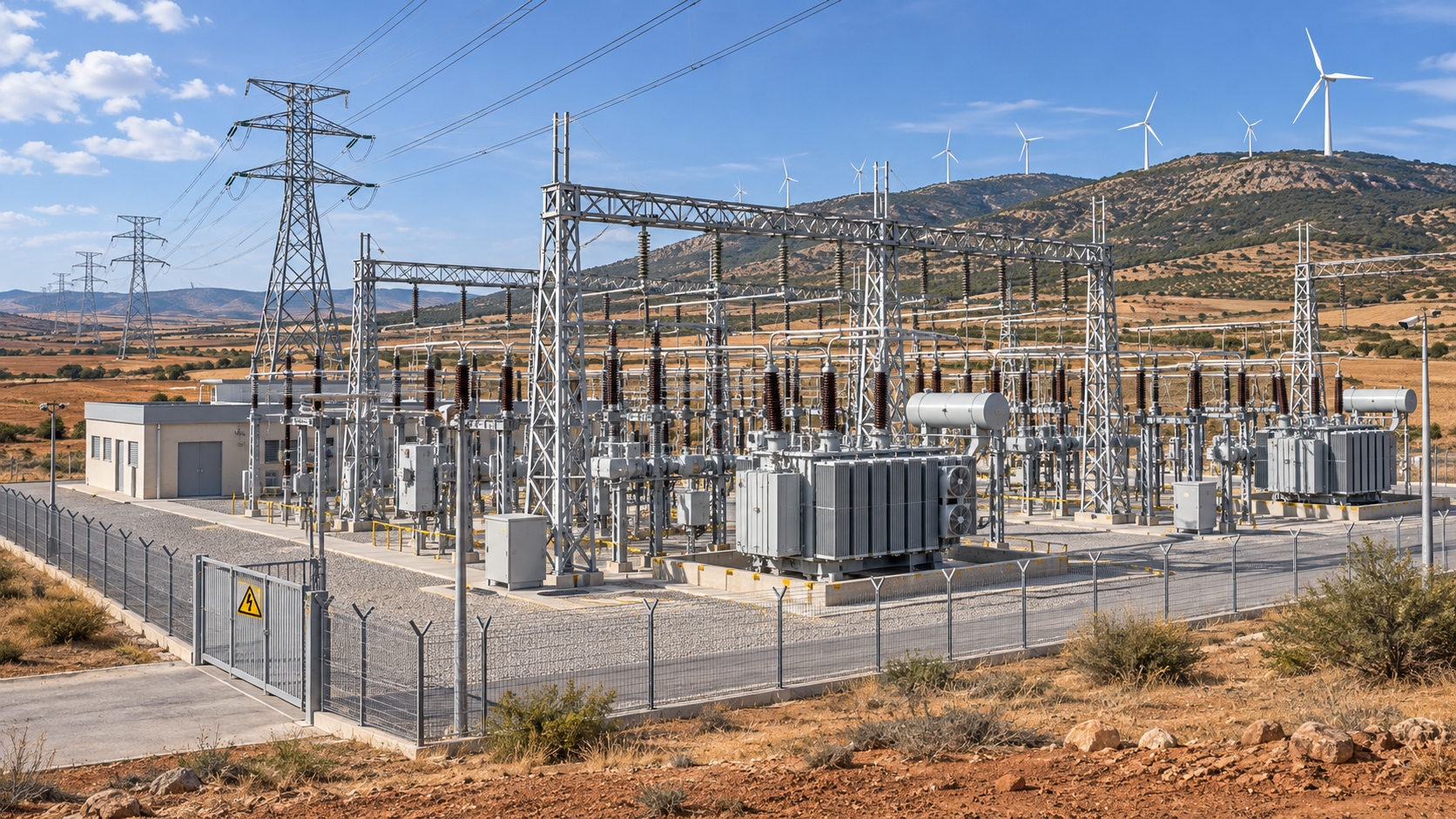
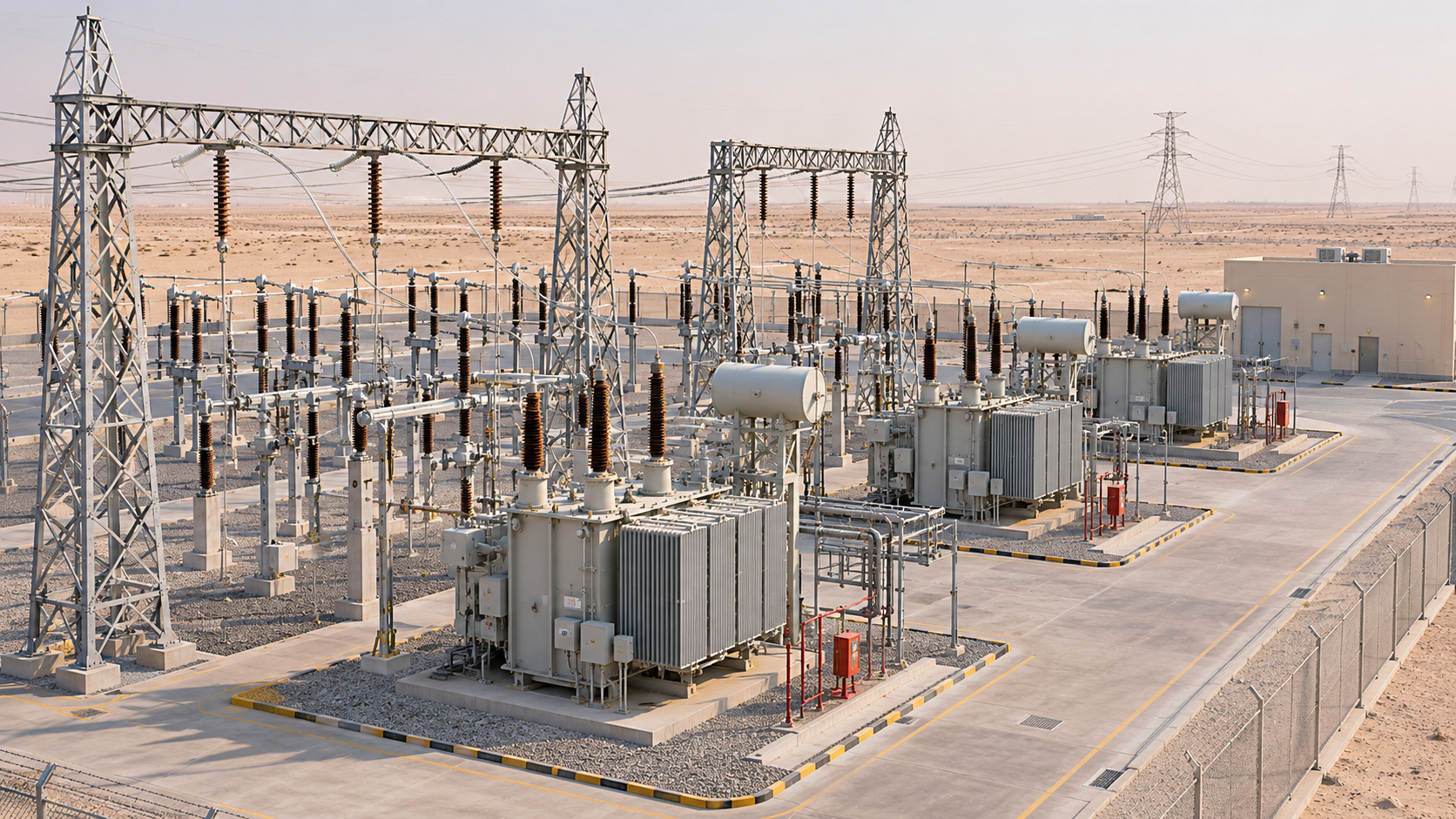
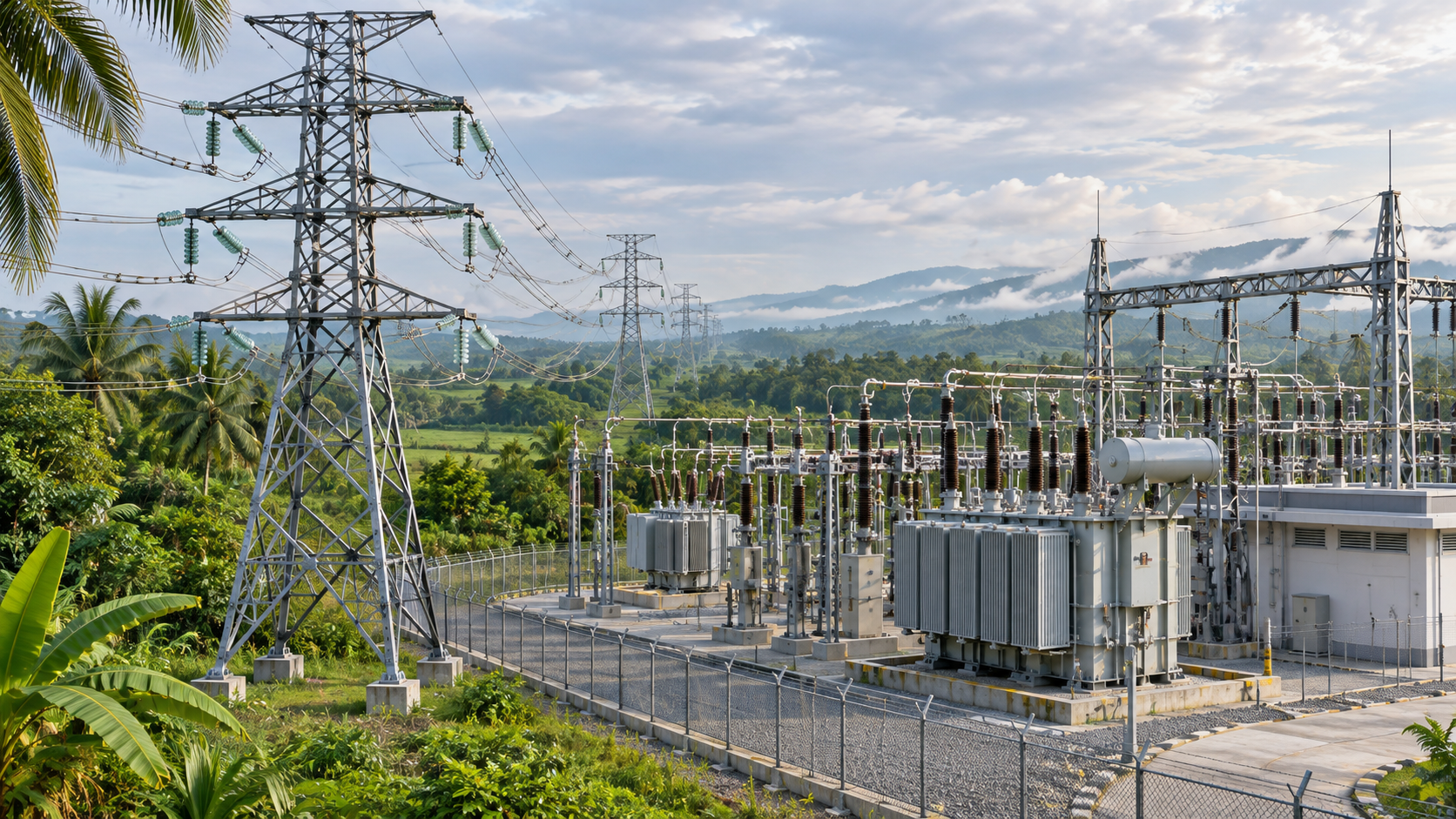
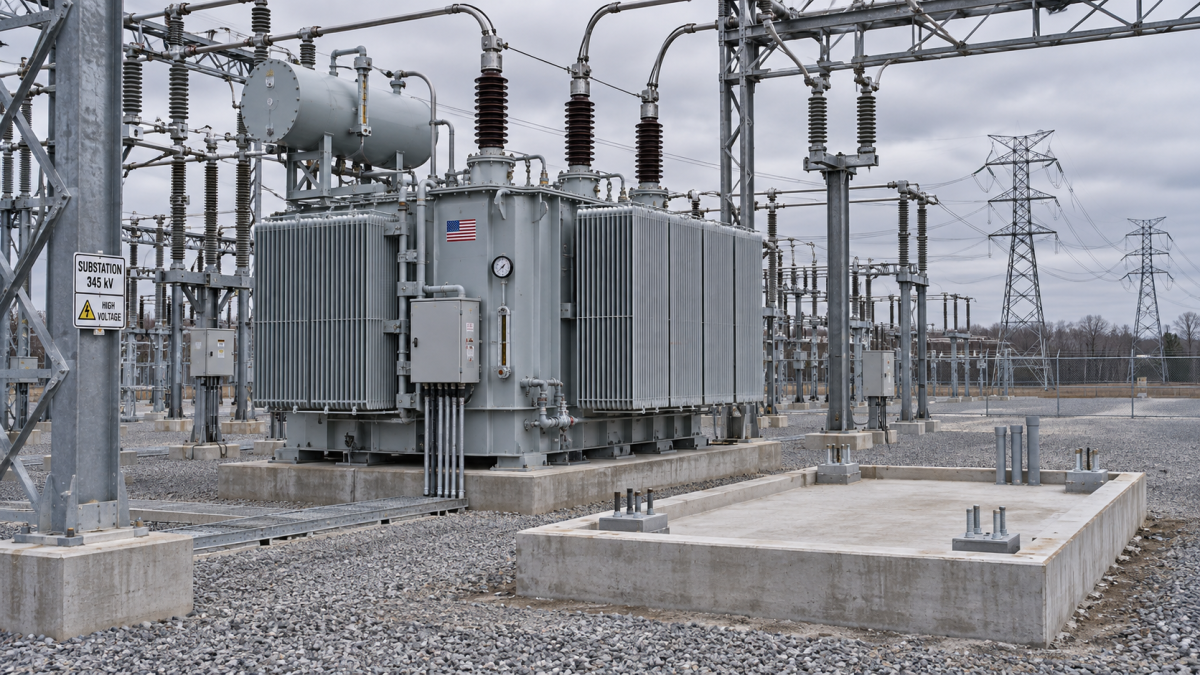
A study warns that severe shortages of critical US grid equipment, including transformers and converters, could lead to substantially higher electricity bills and a greater risk of power outages. The report also says that core equipment such as transformers will be delivered first to the highest bidders, intensifying competition for supplies and adding pressure to infrastructure project delivery.
The warning connects two consequences of the same constraint: equipment that is difficult to secure can become more expensive, while projects that depend on it can take longer to complete. Whether either effect reaches electricity customers, and to what extent, will depend on how shortages, purchasing costs and project schedules develop.
Competition for equipment could reshape project costs
The prospect of equipment going first to the highest bidders puts purchasing power at the center of the report’s warning. A buyer prepared to pay more may be better positioned to secure a transformer, while another buyer may have to wait or reconsider the timing of a project. The immediate issue is therefore not simply the price of an individual component, but whether that component can be obtained when it is needed.
For a grid project, an unavailable piece of equipment can affect the schedule for work that depends on it. A delay in securing a transformer or converter could postpone completion even if other parts of the project are ready. The eventual effect would depend on the role of the missing equipment, the availability of alternatives and how long the delay lasts.
Higher purchase prices provide one possible route from equipment scarcity to higher electricity bills. If grid operators face increased costs for essential equipment and those costs are passed through to customers, bills could rise. The study’s warning does not establish how much any particular customer would pay, or when an increase might occur. Those outcomes depend on the scale of the cost increases and how they are handled.
Why delays matter for reliability
The reported outage risk is linked to the availability of equipment needed for grid infrastructure. If shortages delay work required to maintain or improve the system, reliability could come under pressure. A shortage alone does not mean an outage will occur: the effect depends on which equipment is unavailable, what work is delayed and the condition and needs of the affected part of the grid.
The distinction matters because the report identifies a potential risk, not a confirmed increase in outages. Similarly, a delayed project and a higher electricity bill are different outcomes. They may arise from the same supply constraint, but neither follows automatically from the other.
For purchasers, the near-term questions are likely to center on equipment availability, delivery schedules and the prices needed to secure supply. For electricity customers, the longer-term questions are whether those pressures translate into higher charges or leave reliability work unfinished for longer than planned. The answers will depend on how the shortage develops and on the equipment needs of individual projects.
Further developments to watch include changes in equipment availability, delivery times and purchasing costs, as well as announcements about projects affected by supply constraints. Together, those details would help show whether the pressures identified in the study are easing or becoming more consequential for grid investment and electricity service.
Expert Insights

Chief Security Architect
Dr. Thorne specializes in the intersection of structural engineering and digital resilience. He has advised three G7 governments on industrial infrastructure security.
Related Analysis
- Nov 29, 2026Workplace Safety Standards Compliance Checklist: What to ReviewAuthor :Safety Compliance Lead
- Nov 28, 2026Vale Shares Rebound 4.69% as Chinese Steel Demand Remains WeakAuthor :
- Nov 28, 2026Saudi HVDC Corridor Project Includes $725 Million Equipment ContractAuthor :Grid Infrastructure Analyst
Core Sector // 01
Security & Safety
- Saudi HVDC Corridor Project Includes $725 Million Equipment ContractAuthor :Grid Infrastructure Analyst

- Spain Approves $18.7 Billion Grid Expansion Plan to Accommodate 47 GW of Additional DemandAuthor :Grid Infrastructure Analyst

- KAHRAMAA Awards Semaisma-8 400 kV Substation Contract to El Sewedy CablesAuthor :Grid Infrastructure Analyst

- US Grid Equipment Shortage Could Raise Electricity Bills and Outage Risk, Study WarnsAuthor :Grid Infrastructure Analyst

- GIZ Report Estimates $330 Billion ASEAN Grid Investment Need for 2025–2040Author :Grid Infrastructure Analyst

- Visayas Grid Again Under Red Alert as Power Supply TightensAuthor :Grid Infrastructure Analyst

- World’s First 35 kV IGBT Static Full-Power Generator Enters OperationAuthor :Grid Infrastructure Analyst

- Industrial Automation Drives Ethernet Connector and Transformer Market Outlook to 2035Author :Grid Infrastructure Analyst