KAHRAMAA Awards Semaisma-8 400 kV Substation Contract to El Sewedy Cables
Author
Date Published
Reading Time
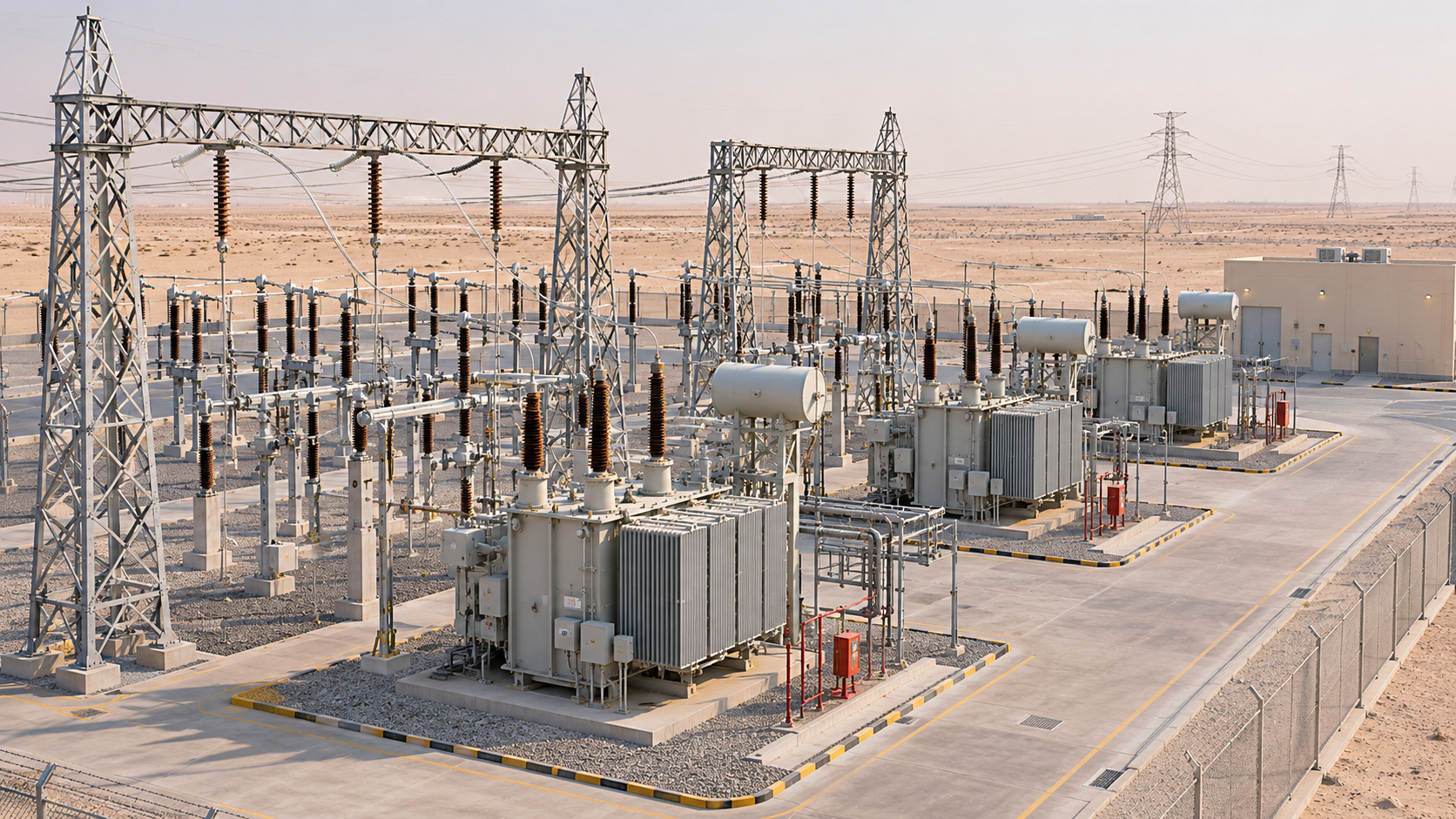
Qatar's KAHRAMAA has awarded El Sewedy Cables a contract worth approximately $137 million to build the Semaisma-8 400 kV super substation. Construction is expected to begin in December 2026, with a three-year project duration.
The award identifies the contractor and establishes the headline value and expected schedule for a high-voltage infrastructure project. For businesses involved in substation delivery, the next questions concern how the work will be divided, what equipment and services will be required, and how the schedule will develop as the planned start approaches.
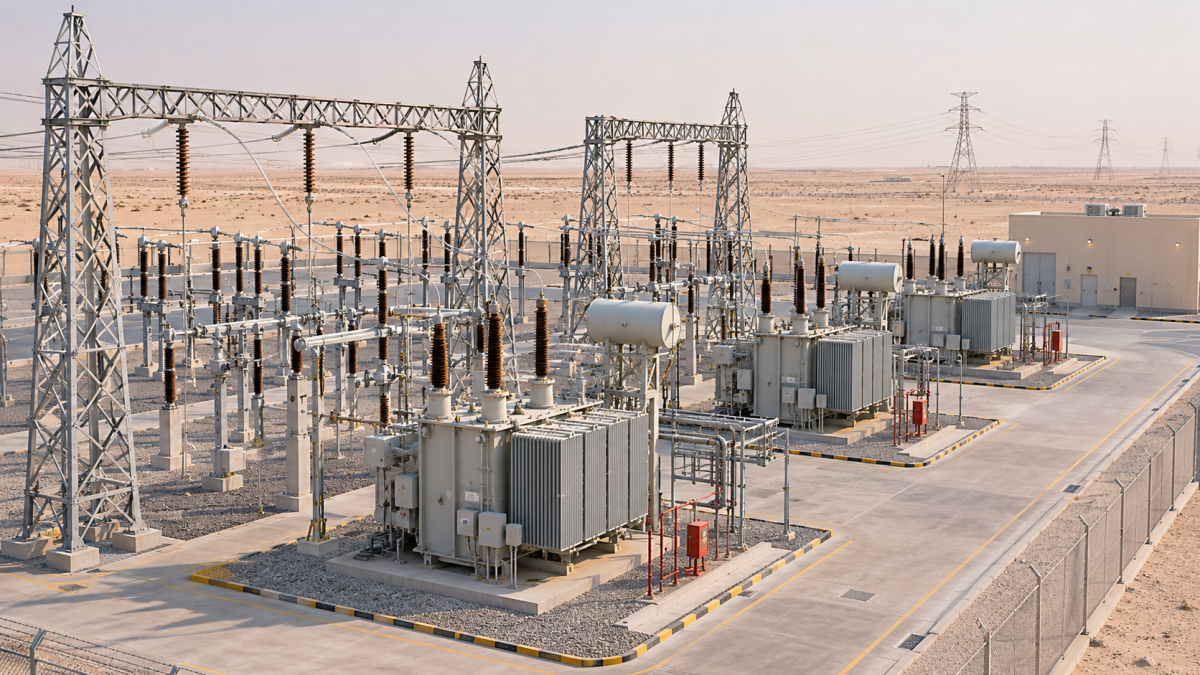
What the award means for project delivery
The contract moves Semaisma-8 into a defined delivery phase: El Sewedy Cables has been selected to build the substation, and the project has an indicated duration. The award itself does not establish when individual stages will begin or how responsibility for particular parts of the work will be allocated.
A three-year duration provides a broad planning horizon, but it should not be treated as a detailed construction programme. Progress will depend on how the work is scheduled and delivered after the expected December 2026 start. The stated duration also does not, by itself, establish a confirmed commissioning date.
The approximately $137 million figure describes the value of the awarded contract. It does not show how spending will be distributed among equipment, construction activities and other services, or establish the value of opportunities available to other suppliers.
Where potential effects could appear first
The most direct commercial interest is likely to centre on the delivery chain for the substation. Depending on the contract scope and procurement arrangements, suppliers and service providers may look for information about equipment requirements, construction packages, delivery schedules and technical responsibilities. The award alone does not identify any subcontractors or confirm that particular packages will be offered.
For prospective suppliers, the distinction between a contract award and a procurement opportunity matters. A named main contractor creates a point of reference for the project, but it does not show whether equipment has already been selected, which activities will be performed directly, or whether additional suppliers will be needed. Any assessment of demand should therefore follow the project's actual purchasing and delivery decisions.
For the wider power infrastructure sector, the project is a specific example of planned high-voltage substation construction in Qatar. It does not on its own establish a broader change in spending, equipment prices or market demand.
Schedule and scope are the key details to follow
The expected construction start in December 2026 is the clearest near-term schedule marker. Subsequent project communications could show whether that date remains in place and provide more detail on milestones, procurement and the scope of construction.
Over the longer term, the substation's operational role and effects on the electricity network will depend on details beyond the contract value, voltage and project duration. Those headline figures identify the scale and type of the undertaking, but they do not establish its capacity, the facilities it will connect or the benefits it will deliver once operational.
Updates from the parties involved may also clarify how the three-year programme translates into construction and completion milestones. Until then, the award is best understood as a defined contract for a planned 400 kV substation, with its wider commercial and network effects dependent on the project's execution and eventual operation.
Expert Insights

Chief Security Architect
Dr. Thorne specializes in the intersection of structural engineering and digital resilience. He has advised three G7 governments on industrial infrastructure security.
Related Analysis
- Nov 29, 2026Workplace Safety Standards Compliance Checklist: What to ReviewAuthor :Safety Compliance Lead
- Nov 28, 2026Vale Shares Rebound 4.69% as Chinese Steel Demand Remains WeakAuthor :
- Nov 28, 2026Saudi HVDC Corridor Project Includes $725 Million Equipment ContractAuthor :Grid Infrastructure Analyst
Core Sector // 01
Security & Safety
- Saudi HVDC Corridor Project Includes $725 Million Equipment ContractAuthor :Grid Infrastructure Analyst

- Spain Approves $18.7 Billion Grid Expansion Plan to Accommodate 47 GW of Additional DemandAuthor :Grid Infrastructure Analyst

- KAHRAMAA Awards Semaisma-8 400 kV Substation Contract to El Sewedy CablesAuthor :Grid Infrastructure Analyst

- US Grid Equipment Shortage Could Raise Electricity Bills and Outage Risk, Study WarnsAuthor :Grid Infrastructure Analyst

- GIZ Report Estimates $330 Billion ASEAN Grid Investment Need for 2025–2040Author :Grid Infrastructure Analyst

- Visayas Grid Again Under Red Alert as Power Supply TightensAuthor :Grid Infrastructure Analyst

- World’s First 35 kV IGBT Static Full-Power Generator Enters OperationAuthor :Grid Infrastructure Analyst

- Industrial Automation Drives Ethernet Connector and Transformer Market Outlook to 2035Author :Grid Infrastructure Analyst