Spain Approves $18.7 Billion Grid Expansion Plan to Accommodate 47 GW of Additional Demand
Author
Date Published
Reading Time
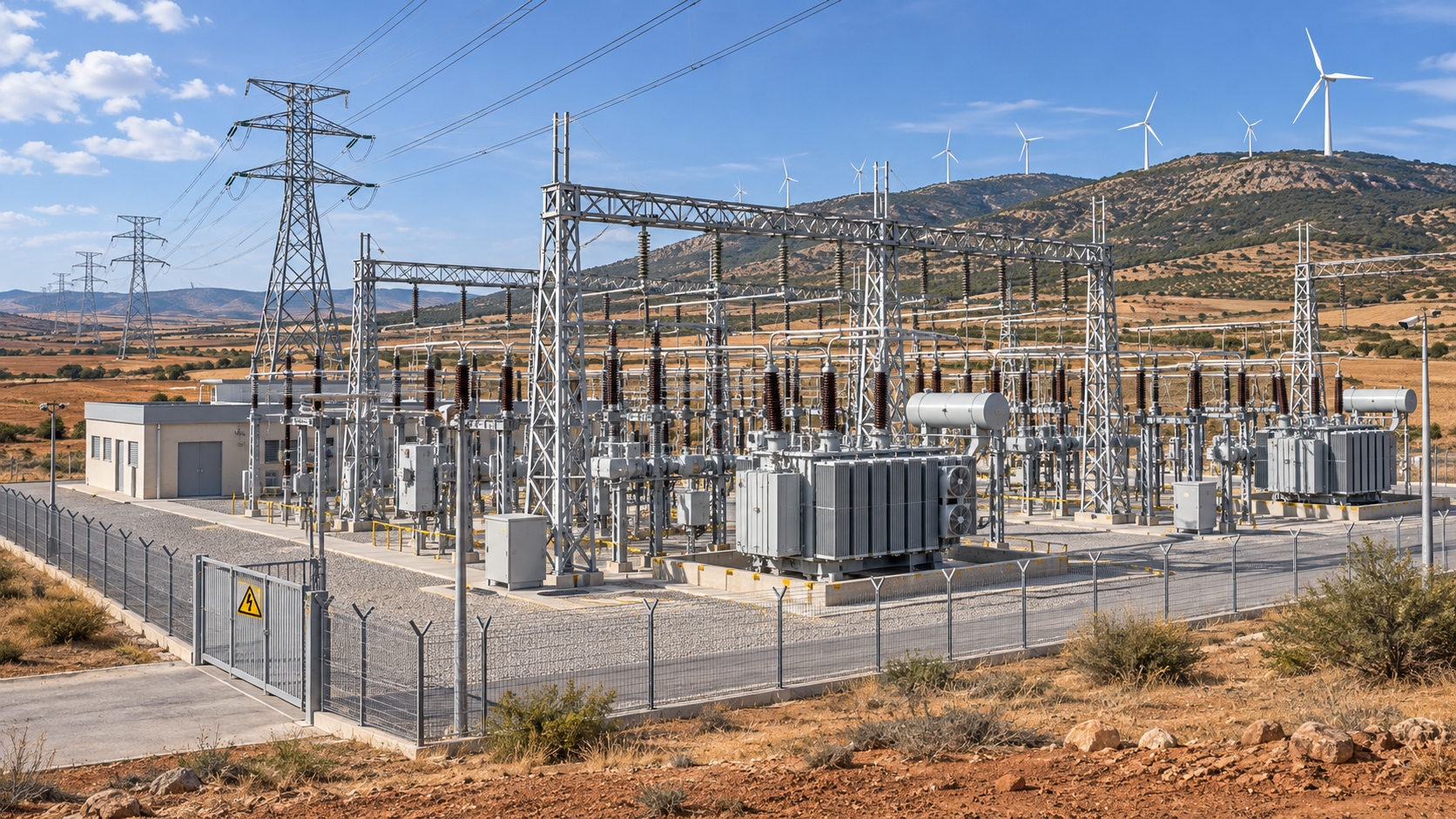
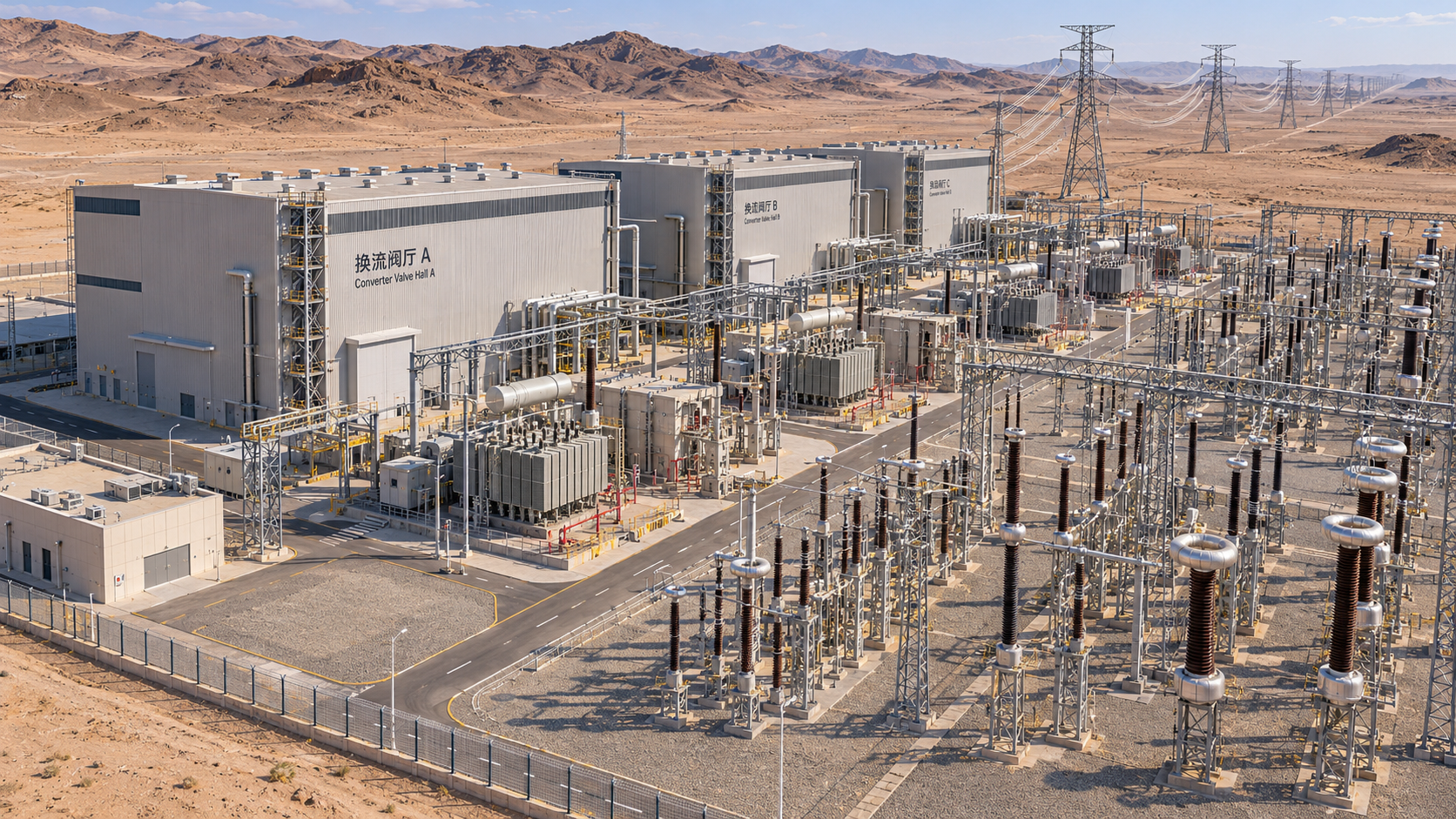
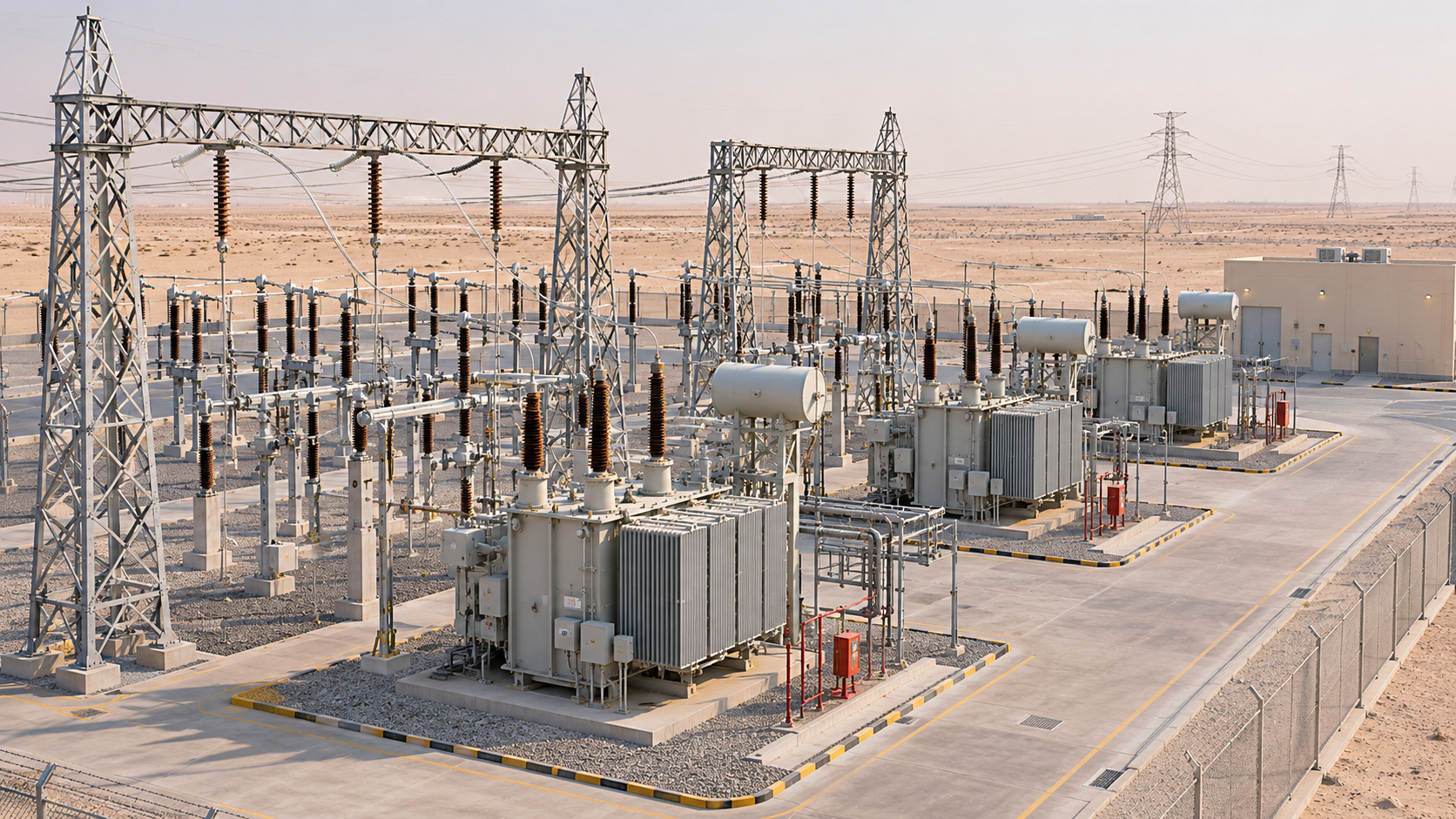
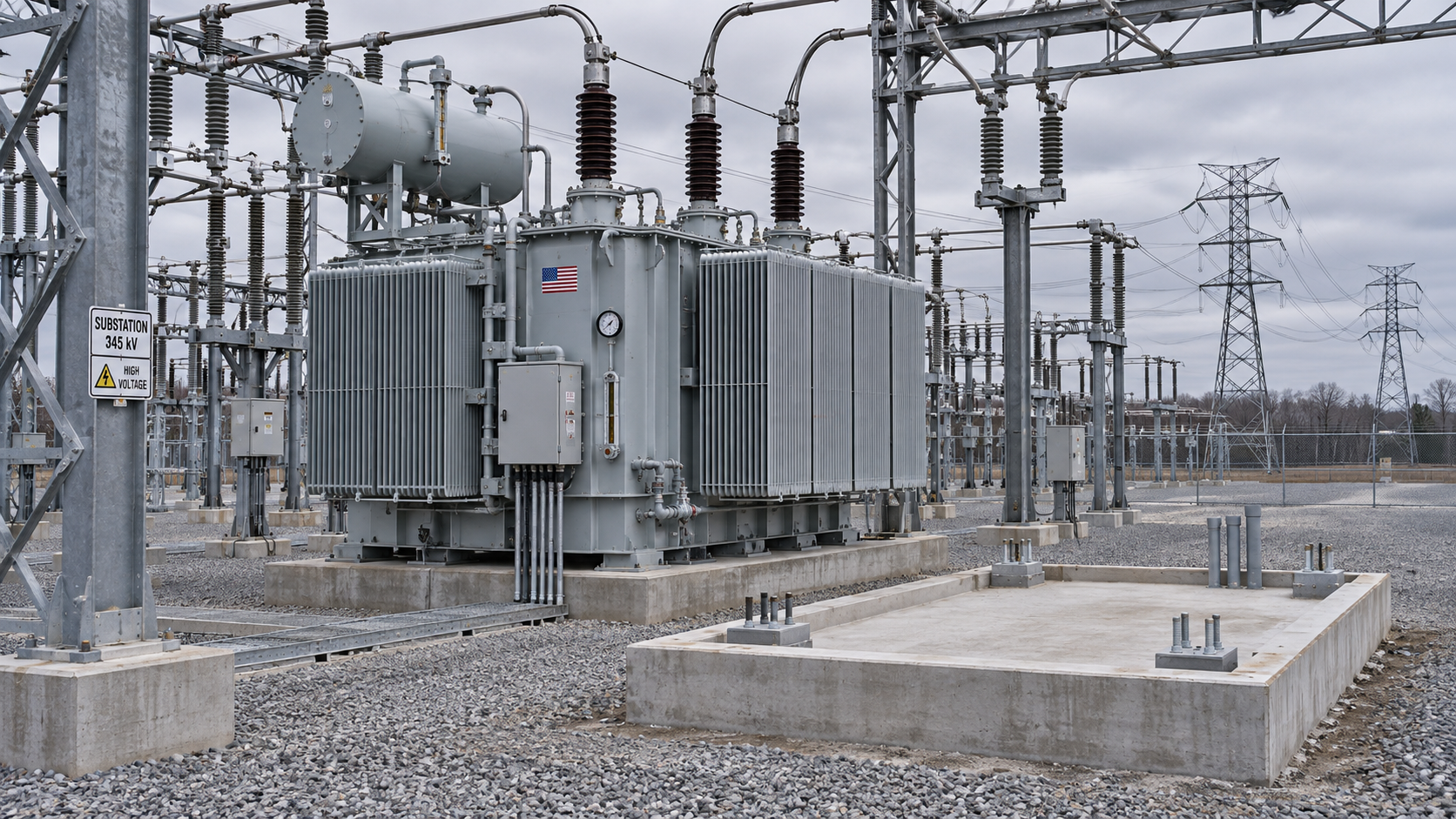
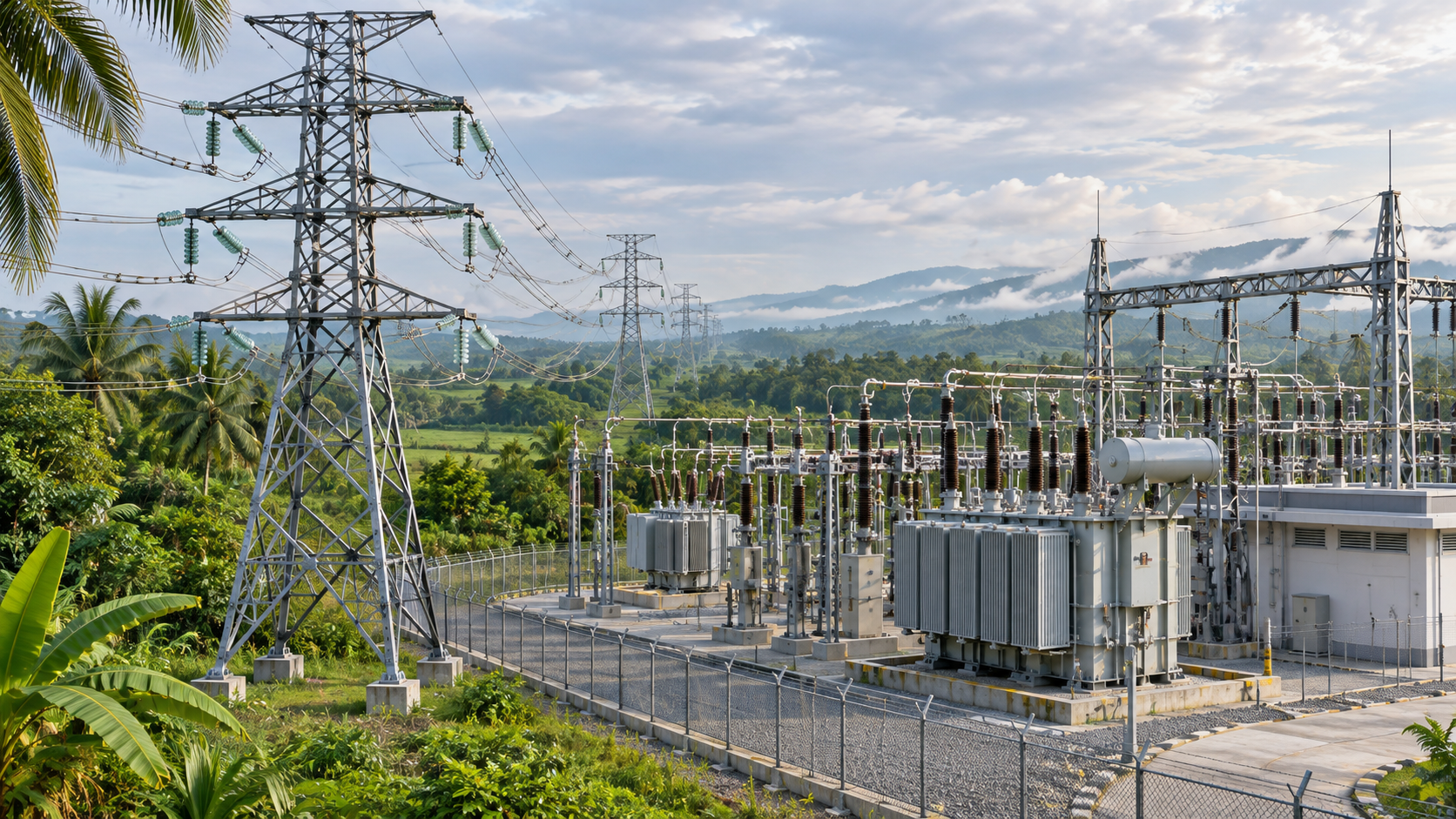
Spain’s government has approved a €17.1 billion ($18.7 billion) plan to expand and modernize the country’s electricity transmission network by 2030. The plan calls for 193 new substations and 6,707 kilometers of new lines, with the aim of accommodating approximately 47 gigawatts (GW) of additional demand and providing infrastructure to support renewable energy connections.
The approval establishes the intended investment and scale of construction. Its practical effect will depend on how the network is developed and how the additional capacity relates to the locations where electricity needs to be generated, transmitted and consumed.
What the transmission plan is intended to do
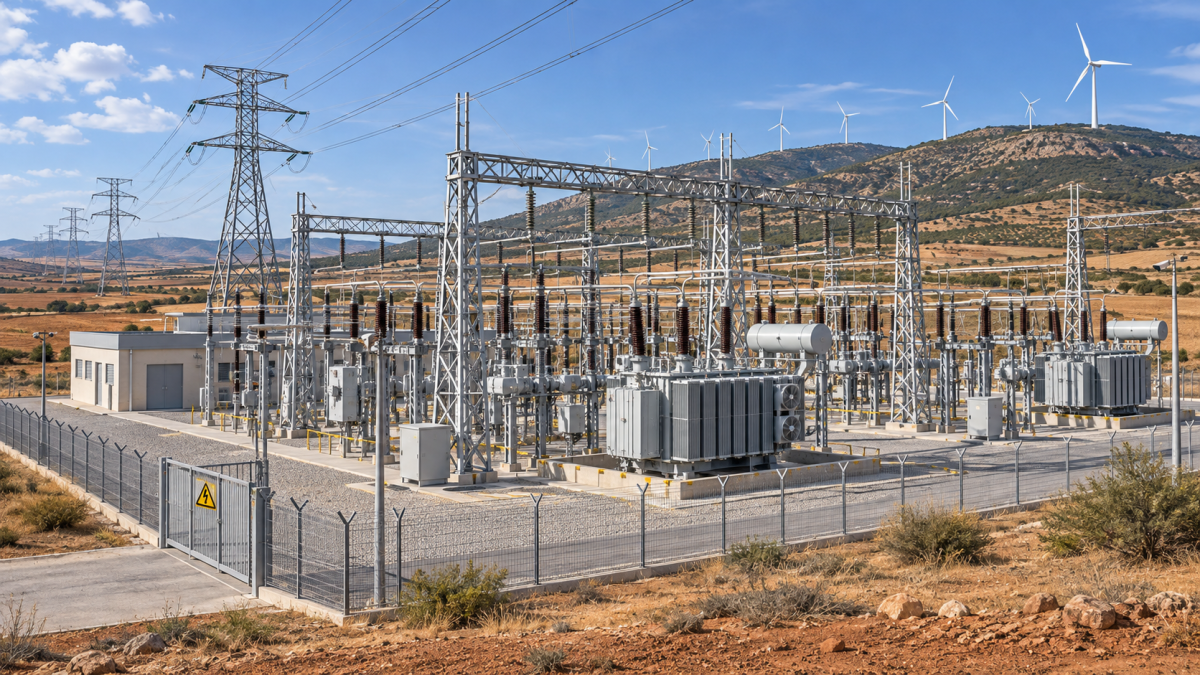
The planned lines and substations are the physical components through which the investment is expected to expand the network. New lines can provide additional routes for electricity transmission, while substations provide points where different parts of the network can be connected and electricity can be directed through the system.
The stated goal is to accommodate about 47 GW of additional demand. That figure describes the scale of demand the plan aims to support; it does not mean that this amount of new demand has already connected to the network. The plan also identifies renewable energy connections as a principal reason for strengthening the infrastructure. The relationship between individual renewable projects, new demand and specific network works will become clearer as implementation details emerge.
For readers assessing the plan, the distinction between an investment approval and completed infrastructure matters. Approval sets out a program to be delivered by 2030. The additional lines and substations will contribute to the network as they are built and brought into service, rather than simply as a result of the decision to invest.
Where the effects could appear
Transmission construction is the most direct activity associated with the plan. The proposed assets create a potential pipeline of work involving the design, supply and installation of network infrastructure. The timing and distribution of that work will depend on how the program is organized and which projects proceed first. The total investment figure alone does not establish the value available to any particular supplier or contractor.
For renewable energy projects, the relevant question is whether the network additions provide a suitable route to connect and transmit electricity. A larger transmission network can support connections, but the usefulness of a particular line or substation depends on its location, capacity and completion date relative to the project seeking access.
Prospective electricity users face a related question: whether planned network capacity will be available where and when their demand arises. The headline estimate of 47 GW is a program-level objective. It should not be read as a guarantee of connection capacity for every location or as a measure of how quickly individual users can connect.
Coordination between these different needs will shape the plan’s value. For example, a renewable project may require transmission infrastructure in a different place or on a different schedule from a new source of electricity demand. The announced program addresses the network as a whole; its effects on particular projects will depend on the details of the works that are ultimately delivered.
What to follow as the plan moves forward
Further information on the locations and schedules of the proposed lines and substations would help clarify which connections may benefit first. Project sequencing will also matter: a new connection may depend on more than one part of the network being ready for use.
Other useful details include how the investment is allocated across the program and how the planned works relate to applications for renewable generation and additional demand. Those details would help distinguish the overall ambition of the plan from the capacity available to individual projects.
For now, the clearest signal is the scale of the transmission infrastructure Spain intends to add by 2030. Whether it delivers the intended accommodation of additional demand and support for renewable connections will depend on the completion and configuration of the network works.
Expert Insights

Chief Security Architect
Dr. Thorne specializes in the intersection of structural engineering and digital resilience. He has advised three G7 governments on industrial infrastructure security.
Related Analysis
- Nov 29, 2026Workplace Safety Standards Compliance Checklist: What to ReviewAuthor :Safety Compliance Lead
- Nov 28, 2026Vale Shares Rebound 4.69% as Chinese Steel Demand Remains WeakAuthor :
- Nov 28, 2026Saudi HVDC Corridor Project Includes $725 Million Equipment ContractAuthor :Grid Infrastructure Analyst
Core Sector // 01
Security & Safety
- Saudi HVDC Corridor Project Includes $725 Million Equipment ContractAuthor :Grid Infrastructure Analyst

- Spain Approves $18.7 Billion Grid Expansion Plan to Accommodate 47 GW of Additional DemandAuthor :Grid Infrastructure Analyst

- KAHRAMAA Awards Semaisma-8 400 kV Substation Contract to El Sewedy CablesAuthor :Grid Infrastructure Analyst

- US Grid Equipment Shortage Could Raise Electricity Bills and Outage Risk, Study WarnsAuthor :Grid Infrastructure Analyst

- GIZ Report Estimates $330 Billion ASEAN Grid Investment Need for 2025–2040Author :Grid Infrastructure Analyst

- Visayas Grid Again Under Red Alert as Power Supply TightensAuthor :Grid Infrastructure Analyst

- World’s First 35 kV IGBT Static Full-Power Generator Enters OperationAuthor :Grid Infrastructure Analyst

- Industrial Automation Drives Ethernet Connector and Transformer Market Outlook to 2035Author :Grid Infrastructure Analyst