What Drives Silicone Cable Bulk Price in Industrial Orders?
Author
Date Published
Reading Time
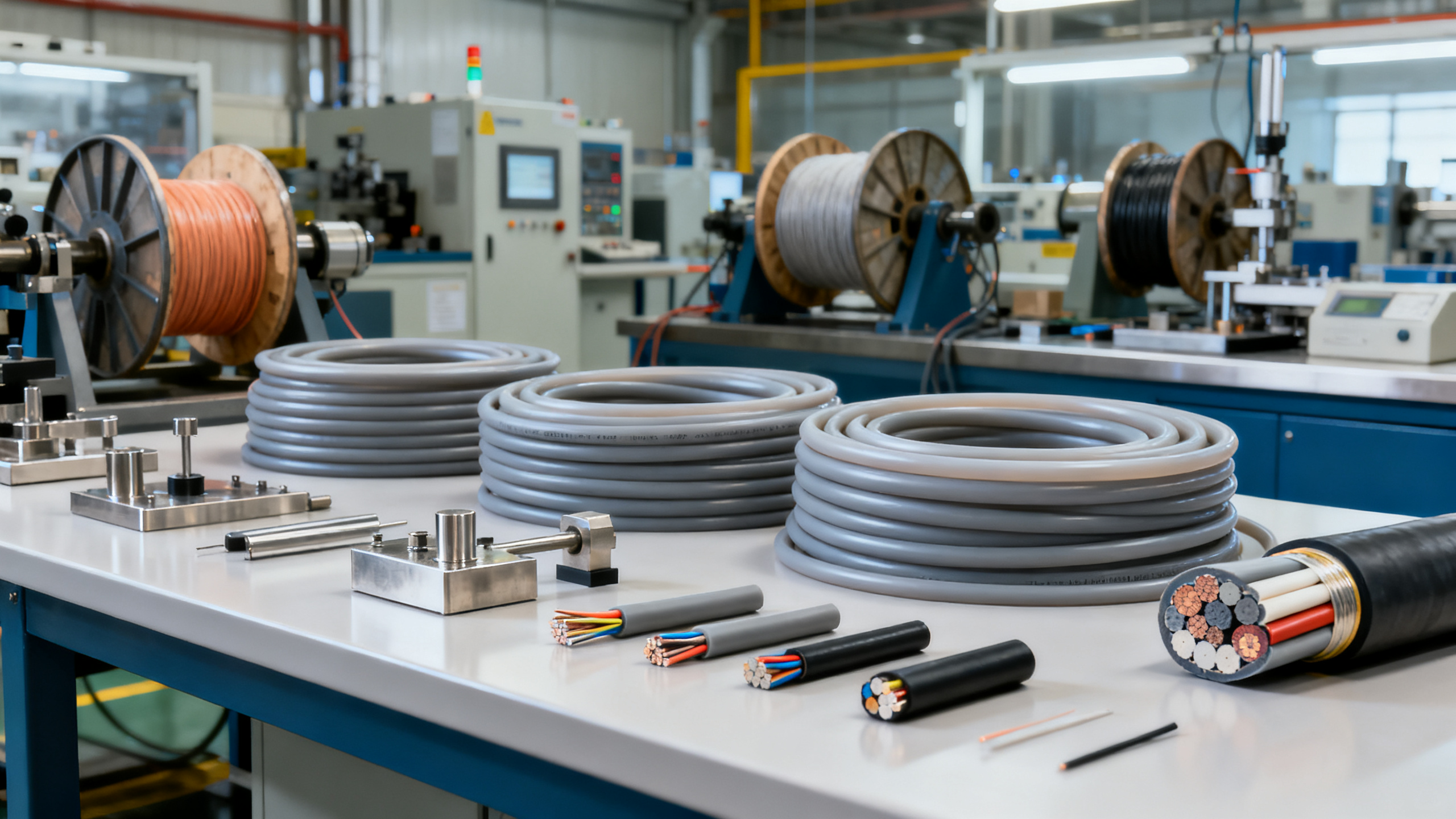
It often starts the same way: a cable line item that looked straightforward during early budgeting becomes a problem once quotations arrive. The drawing says silicone cable, the installation environment is hot, flexible routing is required, and compliance cannot be compromised. Yet the offers from different suppliers do not line up. One price is unexpectedly low, another is far above the estimate, and the specification sheets are not written in the same level of detail. When that happens, it becomes difficult to tell whether you are comparing true alternatives or completely different products.
That uncertainty matters because silicone cable is usually not chosen for casual use. It tends to appear in places where heat, movement, aging resistance, or electrical reliability are part of the decision. If the buying process focuses only on the initial number, the project can end up with delays, re-approval work, installation problems, or extra replacement cost later. Understanding silicone cable bulk price is less about finding the cheapest quote and more about seeing which technical and commercial factors are actually moving the number.
When the same cable name hides different products
A common source of confusion is the assumption that “silicone cable” is a complete description. It is not. In purchasing discussions, that phrase can cover a wide range of constructions, material grades, and performance levels. Two suppliers may both offer silicone-insulated cable, but one may use a simpler structure for general equipment wiring while another may quote a more robust build intended for harsher industrial conditions.
This is one reason pricing can vary early in the RFQ stage. If the specification only states conductor size and voltage class, suppliers may fill in the missing details differently. The result is not simply a spread in silicone cable bulk price; it is a spread in assumptions. Before trying to negotiate, it helps to look at the hidden variables inside the product definition.
The material choices behind the quote
Silicone itself is not a single, uniform input. Formulation affects temperature capability, flexibility, aging behavior, mechanical strength, and resistance to environmental stress. A cable designed to stay flexible during repeated movement or wide temperature cycling may use a different compound approach than one intended for static wiring in a controlled enclosure.
Conductor material also shifts cost. Buyers often focus on insulation first because the cable is called silicone cable, but conductor design has a major impact on the quotation. Bare copper, tinned copper, strand count, and conductor class all influence both performance and price. A finer stranding pattern generally improves flexibility but may increase manufacturing complexity. Tinning can help in certain environments, but it is another cost element rather than a default feature.
Sheathing choices matter too. Some constructions use silicone insulation with an added outer sheath selected for abrasion resistance, chemical exposure, or installation handling. Others rely on a simpler build. If one supplier is quoting a cable with extra mechanical protection and another is not, the bulk price difference may look dramatic even when both descriptions sound similar on the surface.
For that reason, one of the most useful habits during sourcing is to request a construction breakdown instead of accepting only a generic product name.
Temperature rating is often where budgets drift
In many industrial orders, the shift from a moderate temperature requirement to a high-temperature requirement changes the economics faster than expected. Silicone cable is frequently selected because standard PVC or basic rubber insulation will not comfortably meet the service conditions. But there is still a range within silicone-based products. The exact thermal demand influences compound selection, wall thickness, test requirements, and production controls.
Many people run into trouble by specifying the highest temperature rating available “just to be safe.” That sounds prudent, but it can raise costs unnecessarily when the actual routing path, ambient conditions, and exposure pattern do not require that level. On the other hand, under-specifying temperature resistance to protect budget can create a more expensive problem after installation. The practical approach is to define the real operating condition, including continuous exposure, occasional peaks, and proximity to heat sources, rather than relying on a vague high-temp label.
Once those conditions are documented, the supplier has less room to guess, and the silicone cable bulk price becomes easier to interpret.
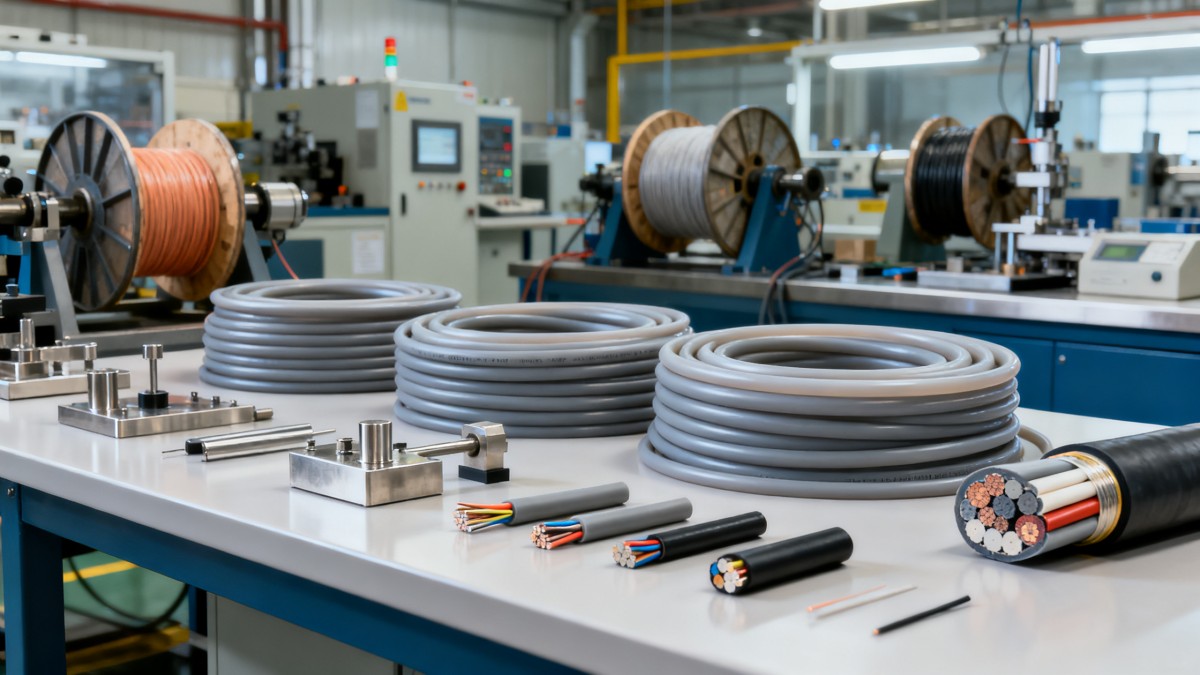
Certification and testing can change the price more than buyers expect
One quotation may look expensive simply because it includes the compliance path your project actually needs. Another may look attractive because it does not. This is common when orders involve export markets, panel integration, OEM equipment, public infrastructure, or regulated industrial environments.
Requested approvals, test reports, traceability documents, and marking requirements all have a cost impact. Even when the cable itself appears similar, documented conformity for a target market can change tooling, labeling, production scheduling, and administrative handling. If flame performance, low smoke behavior, or other specialized tests are part of the project requirement, the pricing gap becomes easier to understand.
A frequent mistake is to ask for certified cable only after the commercial comparison has already started. At that point, some low quotes have to be discarded, and the purchasing cycle slows down. It is usually more efficient to clarify required standards and documentation at the RFQ stage, even if that feels like extra work up front.
Order volume does not reduce cost in a straight line
Bulk buying should improve unit price, but the relationship is rarely simple. Many assume that doubling quantity should produce a predictable reduction. In cable manufacturing, the result depends on production batch efficiency, material procurement timing, color variation, custom printing, packaging format, and whether the requested design is a standard production item or a special build.
For example, a large order split across many conductor sizes, jacket colors, and cut lengths may not behave like a single high-volume item. It can still carry setup inefficiencies. By contrast, a standardized order with consistent construction and packaging may receive a better commercial response even at a more moderate quantity.
This is where internal alignment helps. If engineering, maintenance, and purchasing can reduce unnecessary variants, the total order becomes easier to manufacture and quote. That often improves the final silicone cable bulk price more effectively than pushing for a discount after the supplier has already priced in complexity.
Lead time pressure is a price factor, even if it is not shown separately
Urgent projects often hide cost in the delivery requirement. If the cable is needed quickly, suppliers may have to use available stock components, adjust production plans, or expedite material sourcing. That pressure may be reflected directly in the quotation or embedded in the overall unit price.
When timelines are tight, a lower quote with a long lead time is not necessarily the better commercial option. It may trigger downstream costs in labor scheduling, commissioning, or temporary substitutions. That is why experienced buyers tend to compare price and availability together. A realistic delivery window can broaden the supplier pool and create a cleaner cost comparison.
Customization is where quotes stop being comparable
Not every industrial cable order is off the shelf. Special outer diameter limits, color coding, printed identification, shielding design, flexibility requirements, or unusual packaging can all move the price. Some customizations are essential because they reduce installation errors or meet equipment design constraints. Others are legacy preferences that stay in the specification even after the original reason has disappeared.
When a quotation seems high, it is worth asking which requested features are driving the delta. Sometimes a small revision in marking format, reel length, or noncritical appearance detail removes avoidable cost without affecting function. This is not about weakening the specification; it is about separating operational need from inherited habit.
Supplier capability changes the risk profile, not just the number
It is tempting to compare offers as if cable were a pure commodity, but supplier capability matters in industrial orders. A low price from a source that cannot maintain specification consistency, provide document support, or communicate clearly about changes can become expensive later. The price on paper is only one part of the procurement decision.
In practice, buyers often learn more by asking a few direct questions than by requesting another discount round. Can the supplier explain the construction in plain technical terms? Can they identify which part of the specification adds cost? Are they transparent about standard versus custom production? Can they support ongoing repeat orders with the same build? These are practical signals when evaluating whether the quoted silicone cable bulk price is sustainable or misleading.
A better way to compare quotations
When multiple offers arrive, the fastest way to lose clarity is to compare only unit price and lead time. A better method is to normalize the quotation content first. That means checking whether each supplier is quoting the same conductor material, stranding, insulation system, sheath design, temperature rating, voltage rating, certification status, shielding if required, print details, packaging, and testing documents.
Once the technical baseline is aligned, the commercial differences become more meaningful. At that stage, if one price is still much lower, there are usually only a few possibilities: the supplier has omitted something, the product is from a more standardized line, the source has a cost advantage in production, or the quote carries risk not obvious in the first reading.
It is also useful to separate must-have requirements from preferred features before asking for revised offers. That gives room for alternate quotations without weakening the approval path. In many projects, the most efficient sourcing process is not to request one perfect quote, but to request a compliant base option and a clearly stated alternative where specifications allow flexibility.
Questions worth resolving before issuing the PO
Some purchasing problems do not come from bad supplier behavior. They come from unresolved internal assumptions. Before final placement, it helps to confirm a few points: is the cable for continuous flexing or fixed installation, is the actual ambient temperature documented, is exposure to oils or abrasion relevant, are market approvals mandatory, does the installation need specific color or print identification, and will future repeat orders need the same construction?
These questions may seem basic, but they prevent expensive ambiguity. They also help explain why the silicone cable bulk price from one vendor differs from another even when both appear credible. The more precise the buying requirement, the less likely you are to pay for unnecessary performance or, worse, accept a cable that only looks equivalent.
Where cost control usually works in real sourcing
In industrial cable buying, cost control rarely comes from one dramatic move. It usually comes from several practical decisions made early enough: narrowing the specification to actual service needs, standardizing variants where possible, defining compliance requirements before quotation, allowing realistic lead times, and asking suppliers to identify cost-driving features openly.
If you are working through a difficult cable RFQ, it helps to treat the price spread as a clue rather than a problem by itself. A wide spread usually means the market is responding to gaps in the specification, differences in production capability, or different assumptions about compliance and performance. Once those pieces are clarified, the commercial picture becomes much easier to trust.
That is the point at which silicone cable bulk price becomes a usable purchasing metric instead of a confusing number on a spreadsheet. For industrial orders, the better decision is usually the one that balances temperature performance, documentation, construction quality, delivery reality, and repeatability—not simply the one with the lowest opening quote.
Technical Specifications
- Air Handling Unit Supplier Checklist: Performance Data, Lead Times, and SupportAuthor :Environmental Engineering Director
- Buying Fiberglass Water Tanks Wholesale: Compare Quotes and Delivery CostsAuthor :Environmental Engineering Director
- Choosing an XLPE Power Cable Supplier: Test Reports, Traceability, and Lead TimesAuthor :Grid Infrastructure Analyst
Expert Insights

Chief Security Architect
Dr. Thorne specializes in the intersection of structural engineering and digital resilience. He has advised three G7 governments on industrial infrastructure security.
Related Analysis
- Oct 19, 2026Air Handling Unit Supplier Checklist: Performance Data, Lead Times, and SupportAuthor :Environmental Engineering Director
- Oct 18, 2026Buying Fiberglass Water Tanks Wholesale: Compare Quotes and Delivery CostsAuthor :Environmental Engineering Director
- Oct 17, 2026Choosing an XLPE Power Cable Supplier: Test Reports, Traceability, and Lead TimesAuthor :Grid Infrastructure Analyst
Core Sector // 01
Security & Safety
- Choosing an XLPE Power Cable Supplier: Test Reports, Traceability, and Lead TimesAuthor :Grid Infrastructure Analyst

- How to Select XLPO Insulated Solar Cable for UV, Heat, and High-Voltage PV SystemsAuthor :Grid Infrastructure Analyst

- Selecting PTFE Insulated Hookup Wire for High-Temperature Control PanelsAuthor :Grid Infrastructure Analyst

- How Contractors Can Evaluate EPC Sourcing Solutions for Cost, Lead Time, and RiskAuthor :Grid Infrastructure Analyst

- What Drives Silicone Cable Bulk Price in Industrial Orders?Author :Grid Infrastructure Analyst

- EN 61000-6-4:2026 Takes Effect for EU-Bound ControlsAuthor :Grid Infrastructure Analyst

- How to Choose Low Smoke Cables and Wiring for Safer Commercial Buildings?Author :Grid Infrastructure Analyst

- Medium Voltage Armored Cable Selection Guide: Voltage Rating, Armor Type, and InstallationAuthor :Grid Infrastructure Analyst