TÜV Rheinland Q2 2026 Global Bearing Delivery Alert
Author
Date Published
Reading Time
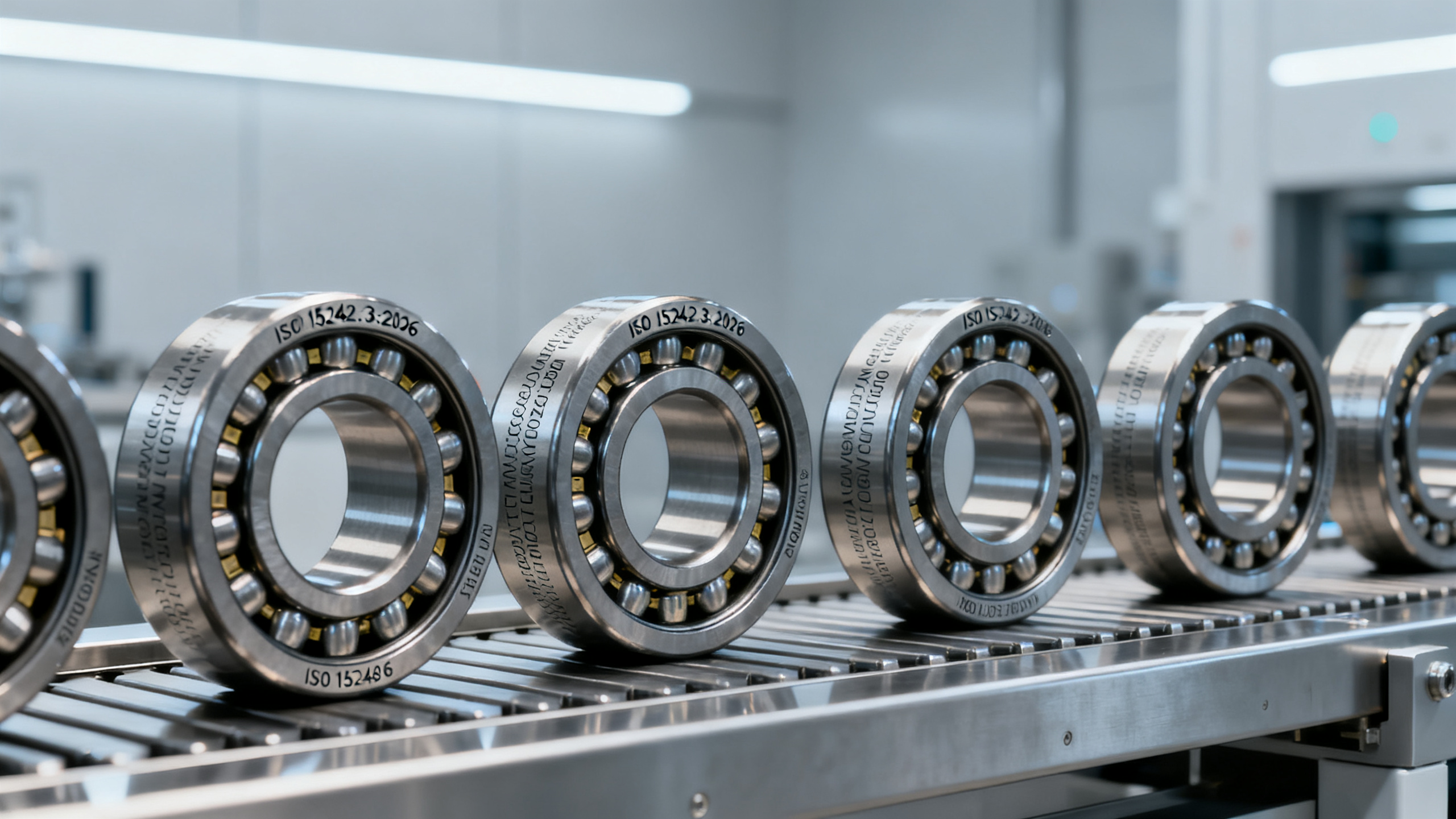
On May 8, 2026, TÜV Rheinland issued a global supply outlook warning indicating that certification capacity for industrial bearings exported from China—specifically for ISO 15242-3:2026 vibration and noise compliance—is fully booked through August 2026. This development extends average delivery lead times for certified bearings from 10 to 16 weeks, with precision sealed bearings now facing up to 22-week delays. Manufacturers and buyers in machinery, automation, renewable energy, and rail systems should monitor this closely, as extended certification timelines directly constrain project scheduling, OEM procurement cycles, and after-sales service logistics.
Event Overview
On May 8, 2026, TÜV Rheinland published its Global Bearing Supply Outlook Q2 2026. The report states that Vietnamese Ministry of Industry and Trade (MOIT) enforcement of ISO 15242-3:2026 vibration and noise testing—and expanded scope of EU EN 15083-2:2026 rolling contact fatigue testing—has intensified demand for third-party certification. As a result, major Chinese export certification bodies—including SGS, CCIC, and CQC—have fully booked schedules through August 2026. Consequently, average delivery time for ISO 15242-3:2026–certified industrial bearings has increased from 10 to 16 weeks; for precision sealed bearings, the delay exceeds 22 weeks.
Industries Affected by Segment
Direct Exporters & Trading Firms
These entities face direct pressure on order fulfillment timelines when contracts stipulate ISO 15242-3:2026 or EN 15083-2:2026 compliance. Delays in certification approval translate directly into delayed shipment dates, potential contractual penalties, and reduced competitiveness in tenders requiring verified test reports.
Raw Material & Component Suppliers
Suppliers of bearing steel, cages, seals, or lubricants may experience downstream order volatility. OEMs and Tier-1 assemblers are likely adjusting procurement planning to accommodate longer lead times, potentially shifting volume allocation or requesting earlier raw material commitments—even before final certification is secured.
Manufacturers (OEMs & Contract Producers)
Industrial equipment manufacturers relying on certified bearings for end-product compliance (e.g., wind turbine gearboxes, CNC spindles, or rail traction systems) face cascading schedule risks. Extended bearing delivery windows compress final assembly and validation windows, increasing pressure on internal quality assurance and testing coordination.
Distribution & Aftermarket Channels
Authorized distributors and service centers stocking certified bearings for maintenance, repair, and overhaul (MRO) must revise inventory planning models. Short-term stockouts of high-demand SKUs—especially precision sealed variants—are increasingly likely, prompting reassessment of safety stock levels and regional warehousing strategies.
What Enterprises and Practitioners Should Monitor and Do Now
Track Official Updates from Certification Bodies and Regulators
Monitor public announcements from SGS, CCIC, and CQC regarding any capacity expansion, priority lane introductions (e.g., for critical infrastructure projects), or phased implementation of new test requirements—particularly any divergence between MOIT and EU enforcement timelines.
Identify High-Risk Product Categories and Markets
Focus attention on bearings subject to both ISO 15242-3:2026 (vibration/noise) and EN 15083-2:2026 (fatigue), especially those destined for Vietnam or EU-based end users. Precision sealed units—already at 22-week lead times—warrant immediate supply chain triage and alternative sourcing review.
Distinguish Between Regulatory Signals and Operational Reality
Note that ISO 15242-3:2026 and EN 15083-2:2026 are standards—not yet universally mandated laws. Some buyers may accept interim documentation (e.g., manufacturer self-declarations or pre-certification test summaries) where full third-party reports remain unavailable; clarify acceptance criteria with each customer early in quoting.
Adjust Procurement and Logistics Planning Immediately
Extend internal procurement lead times by at least six weeks for certified bearings; align purchase orders with confirmed certification booking slots—not just factory production dates. Where feasible, consolidate smaller orders into larger batches to secure earlier certification queue positions.
Editorial Perspective / Industry Observation
Observably, this alert reflects a tightening inflection point—not merely a temporary bottleneck. The simultaneous enforcement push across two major regulatory jurisdictions (Vietnam and the EU), coupled with finite domestic certification capacity, signals growing systemic pressure on China’s export conformity assessment infrastructure. Analysis shows that while the 16-week average delay is currently a reporting metric, it functions more as an operational constraint than a transient fluctuation: certification bookings are fixed through Q3, and no near-term capacity relief is indicated in the TÜV Rheinland report. From an industry perspective, this is less a short-term logistics hiccup and more an early indicator of structural recalibration in how global industrial components meet converging performance and sustainability-related technical regulations.
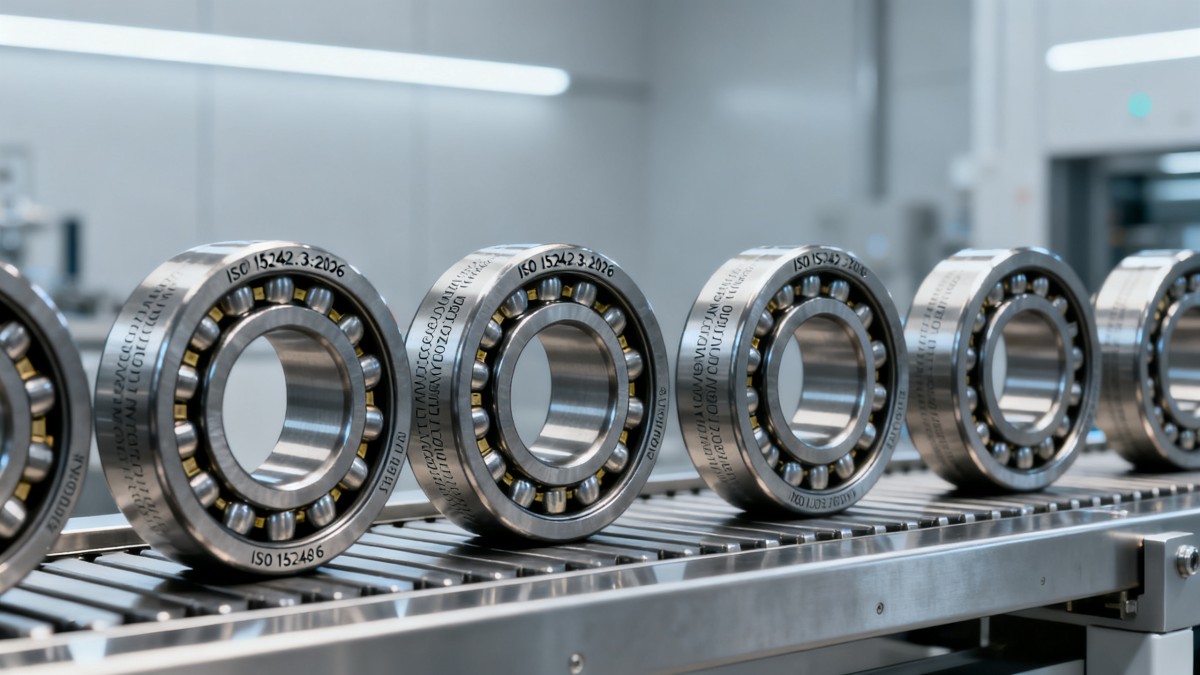
This development underscores that certification readiness is now a core element of supply chain resilience—not just a compliance checkbox. For stakeholders, the current priority is not forecasting when capacity will ease, but adapting planning, communication, and risk-mitigation protocols to operate reliably within the new 16–22 week reality.
Information Sources
Main source: TÜV Rheinland, Global Bearing Supply Outlook Q2 2026, published May 8, 2026.
Additional referenced frameworks: ISO 15242-3:2026, EN 15083-2:2026, Vietnamese MOIT regulatory guidance (as cited in the report).
Note: Ongoing monitoring is advised for updates from SGS, CCIC, and CQC regarding certification scheduling policies and potential capacity adjustments beyond August 2026.
Technical Specifications
- How to Select an Emissions Monitoring System Analyzer for Compliance ReportingAuthor :Precision Metrology Expert
- How to Select an Access Control Management System for Multi-Site FacilitiesAuthor :Safety Compliance Lead
- Portable Gas Monitor Calibration: How Often Is It Needed for Safe Confined-Space Work?Author :Precision Metrology Expert
Expert Insights

Chief Security Architect
Dr. Thorne specializes in the intersection of structural engineering and digital resilience. He has advised three G7 governments on industrial infrastructure security.
Related Analysis
- Sep 21, 2026How to Select an Emissions Monitoring System Analyzer for Compliance ReportingAuthor :Precision Metrology Expert
- Sep 20, 2026How to Select an Access Control Management System for Multi-Site FacilitiesAuthor :Safety Compliance Lead
- Sep 19, 2026Portable Gas Monitor Calibration: How Often Is It Needed for Safe Confined-Space Work?Author :Precision Metrology Expert
Core Sector // 01
Security & Safety
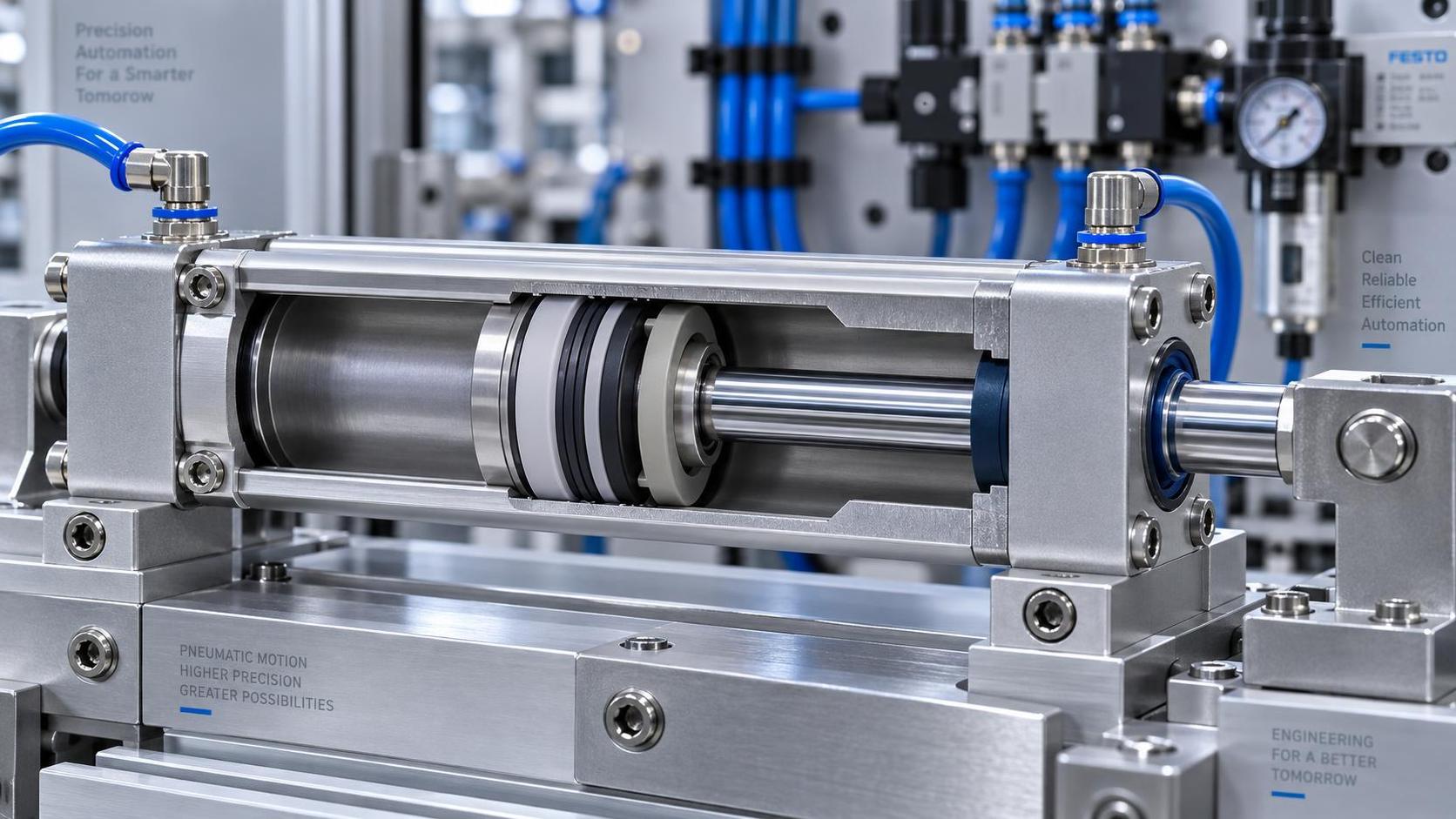
- Selecting Low-Friction Pneumatic Seals for High-Cycle, Low-Pressure CylindersAuthor :Heavy Industry Strategist

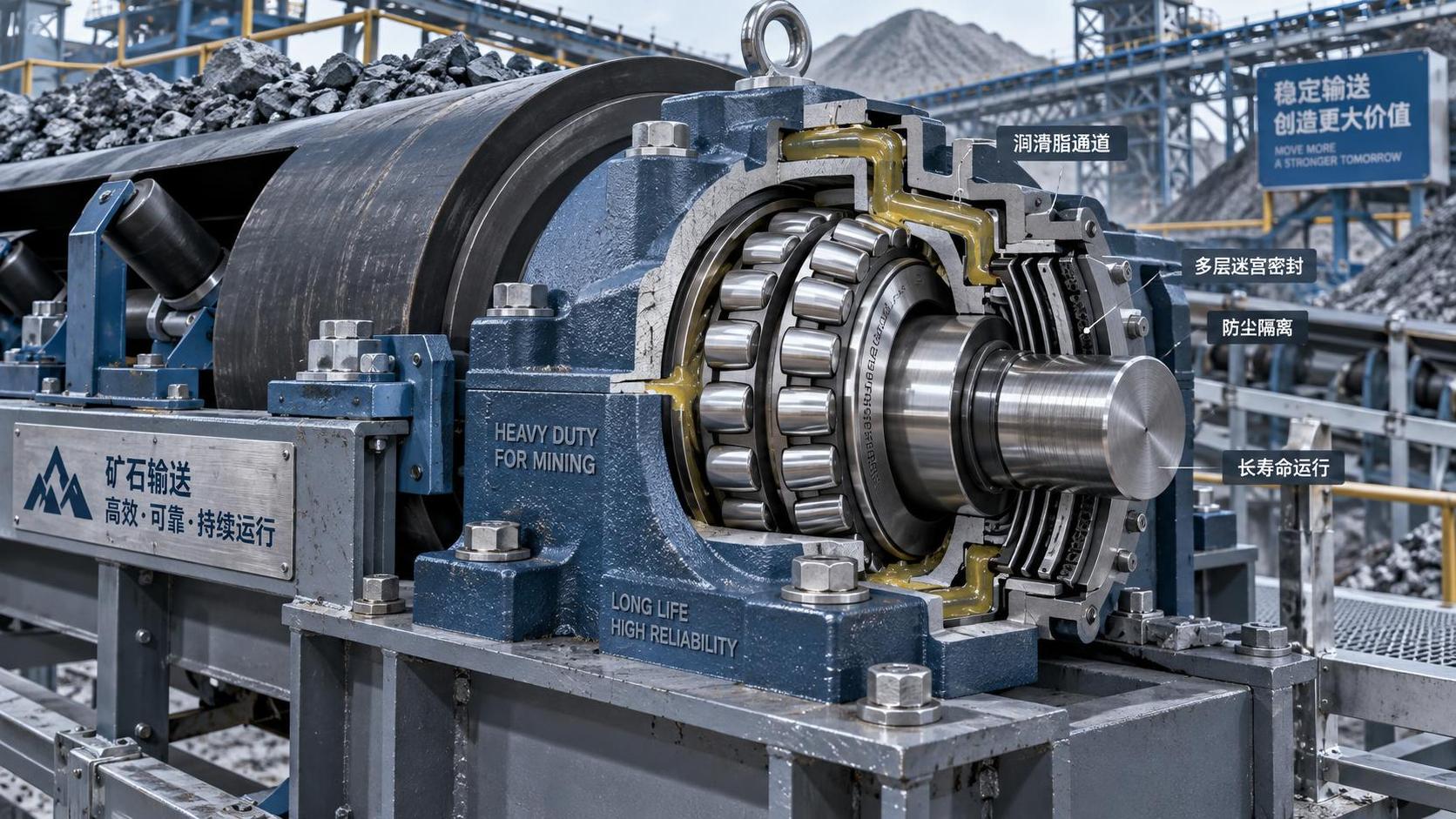
- Selecting Spherical Roller Bearings for Mining: Load, Contamination, and Service LifeAuthor :Heavy Industry Strategist

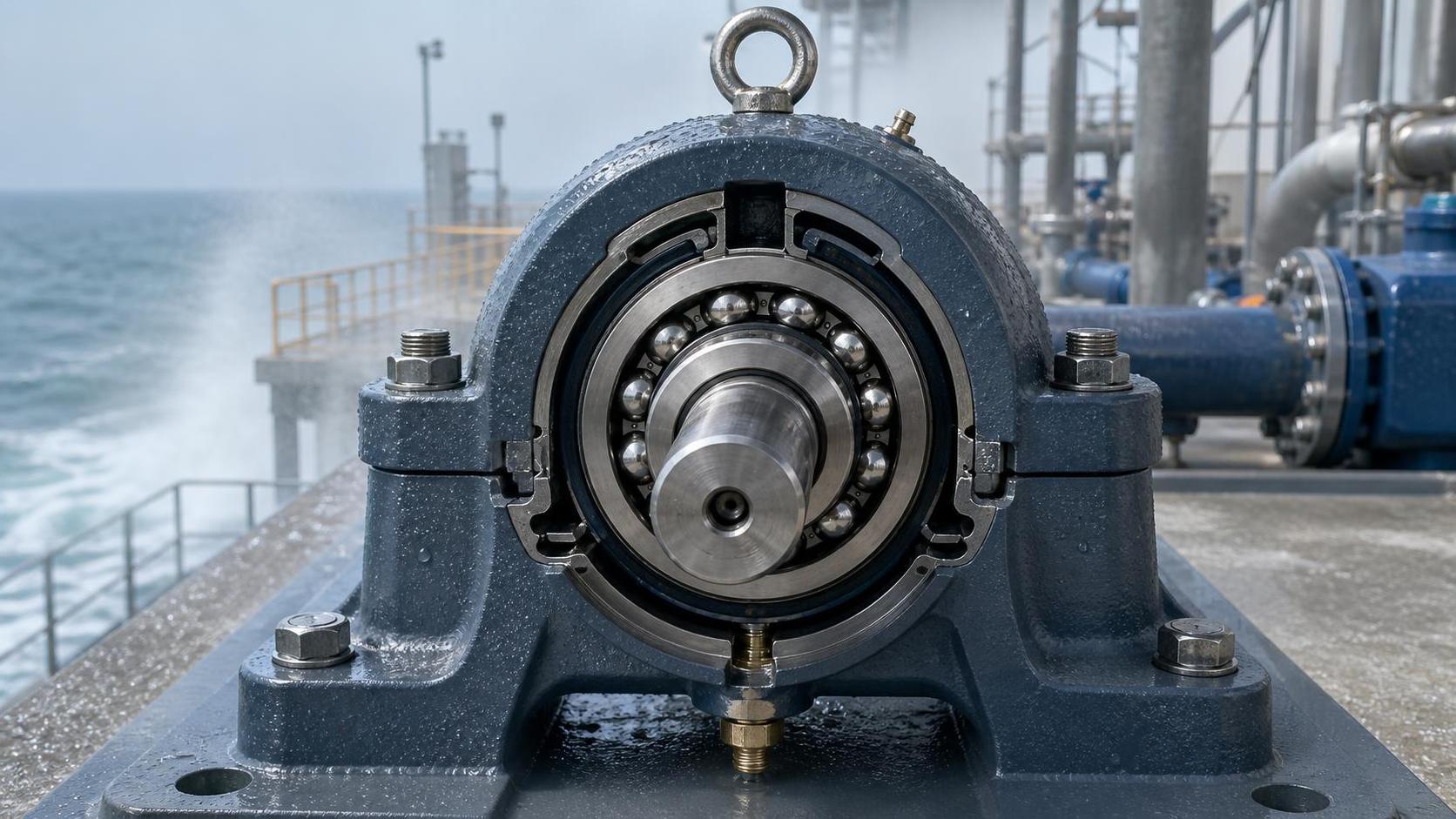
- Do Deep Groove Ball Bearings Need Special Seals in Coastal Humidity?Author :Heavy Industry Strategist

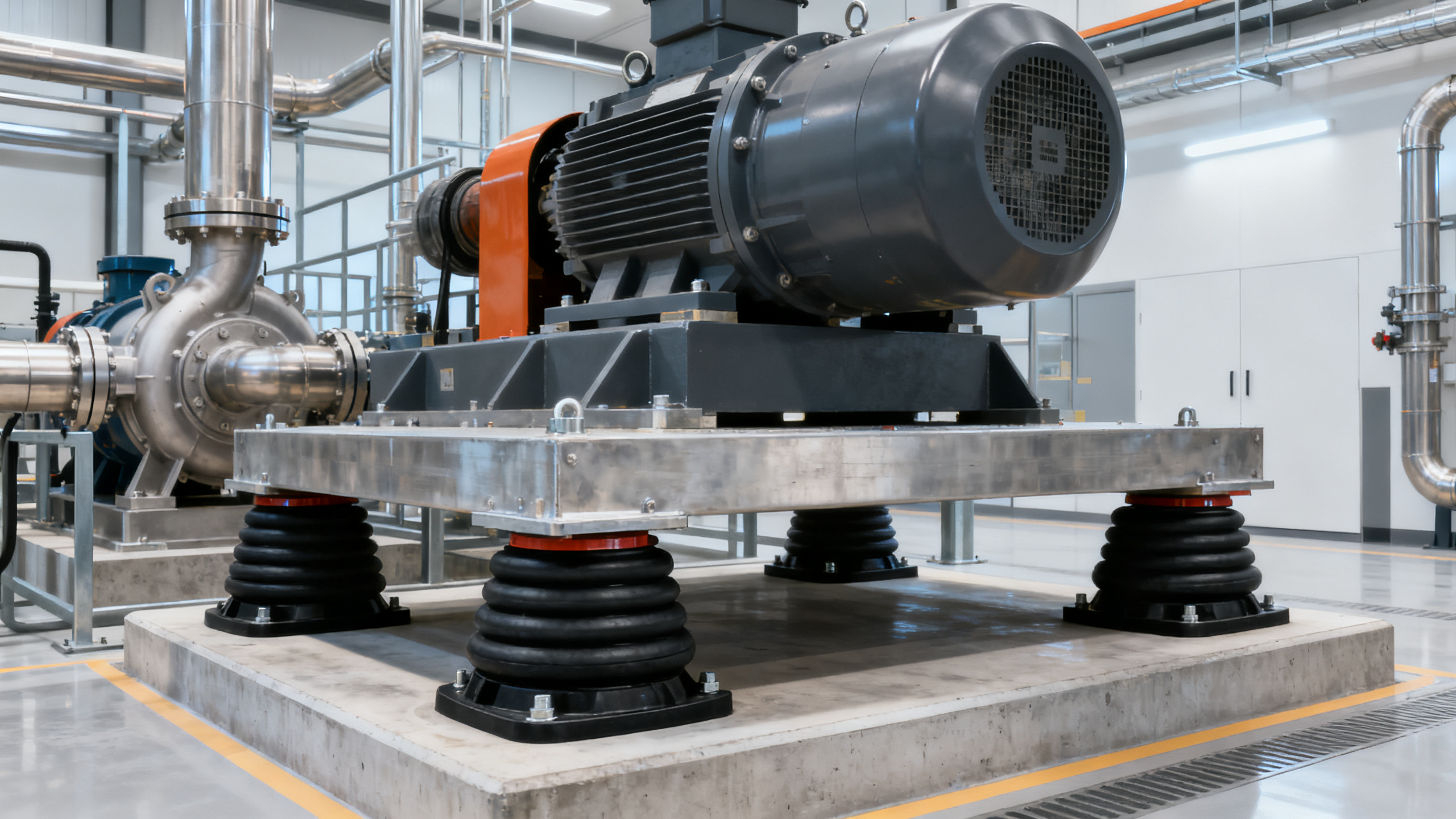
- How to Select Anti Vibration Rubber Shock Absorbers for Machinery and EquipmentAuthor :Heavy Industry Strategist

- When to Specify Induction Hardened Slewing Ring Bearings for Heavy-Duty EquipmentAuthor :Heavy Industry Strategist

- How to Evaluate Weather Resistant EPDM Extrusion for Outdoor Sealing ApplicationsAuthor :Heavy Industry Strategist

- Bearing and Seal Lead Times Stretch to 22 WeeksAuthor :Heavy Industry Strategist

- Angular Contact Ball Bearings Explained: Contact Angle, Load Capacity, and Common UsesAuthor :Heavy Industry Strategist