Carbon Steel Coil Market Trends Buyers Should Watch Before Reordering in 2026
Author
Date Published
Reading Time
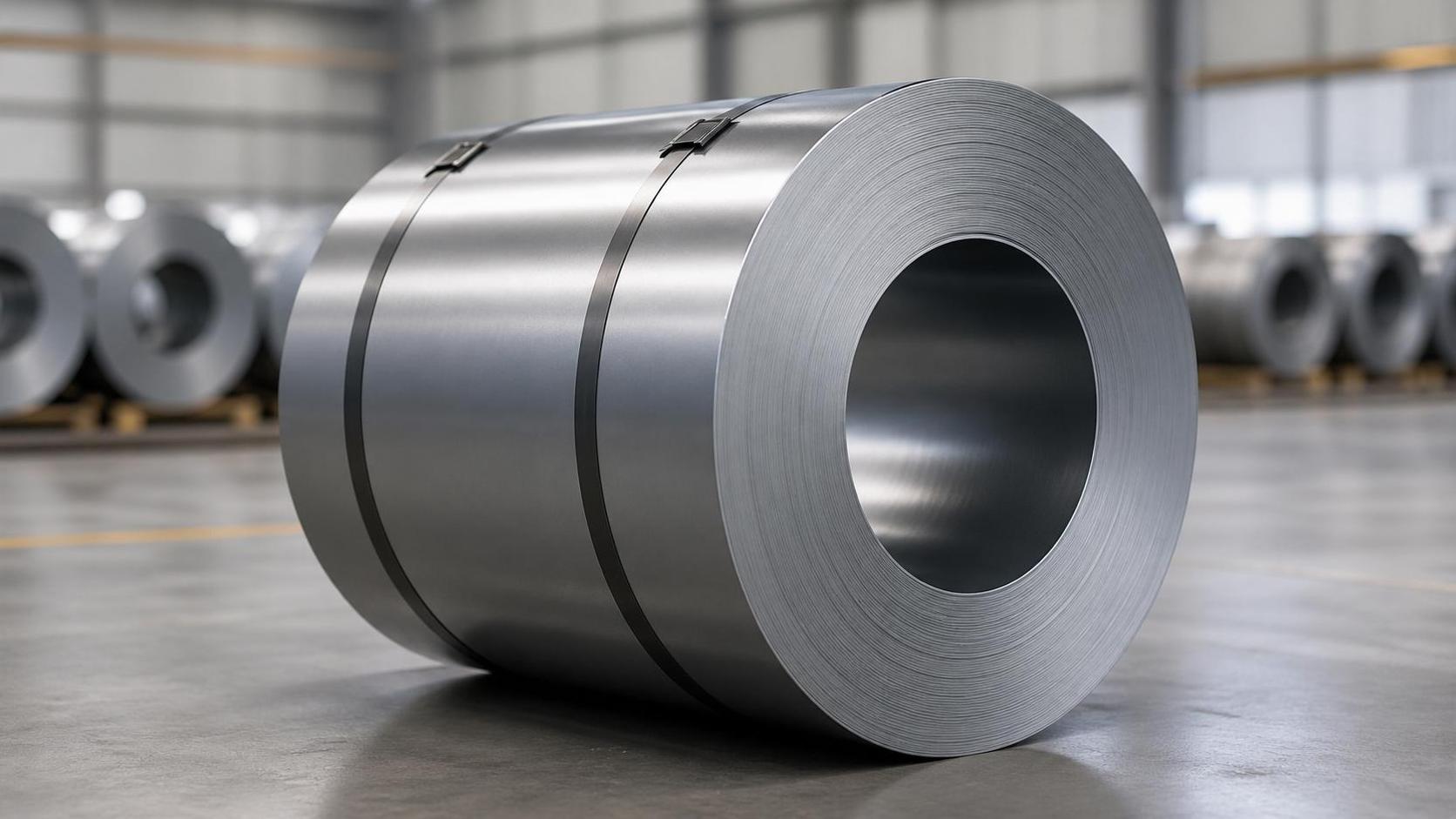
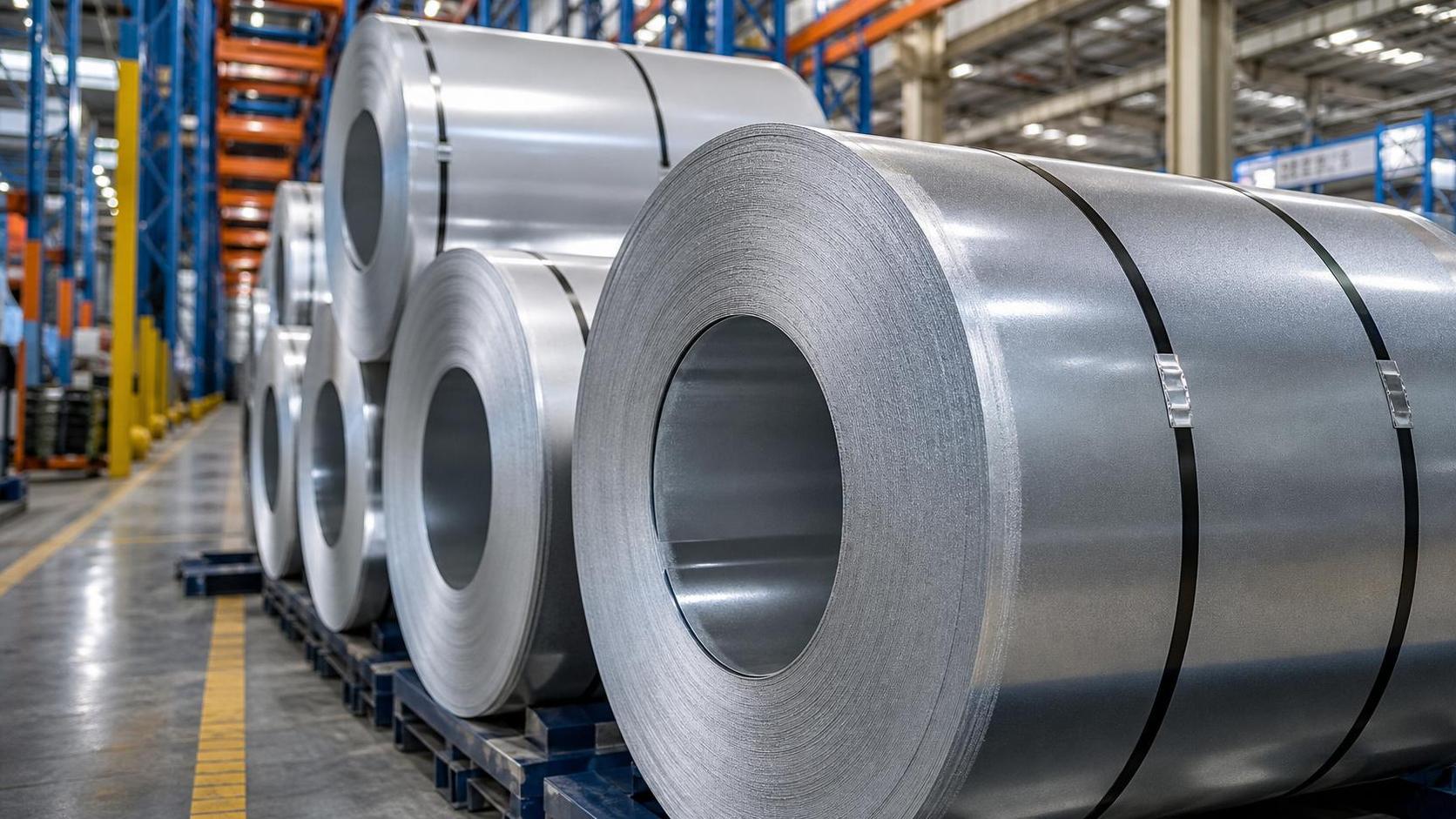
For processors, distributors, fabricators, and project buyers, Carbon Steel Coil is a material category that reacts quickly to downstream demand. Order timing, inventory habits, shipment planning, coating requirements, and supplier responsiveness can matter as much as the base grade itself. A market trends view helps buyers avoid panic buying and avoid slow ordering when lead time is moving.
This article is buyer-facing guidance written for procurement, engineering, quality, and operations teams. It avoids fabricated prices, invented case numbers, unsupported performance claims, and exaggerated promises. The purpose is to help a real buyer make a clearer decision before placing or repeating an order.
Watch How Demand Moves Through the Supply Chain
Carbon steel coil demand is often shaped by construction activity, fabrication output, light manufacturing, appliance production, and export schedules. Buyers should not watch only their own order book. They should also watch whether downstream customers are accelerating or slowing their own projects, because that change eventually flows back into coil purchasing. A flexible buyer notices these signals early and uses them to adjust order timing.
Seasonal behavior also matters. In many markets, coil demand shifts when project schedules, weather windows, shipping cycles, and plant maintenance plans change. That does not require a complicated forecast model. It requires disciplined observation. If the business sees repeated stock pressure around the same months, the purchasing plan should be adjusted rather than repeating the same emergency purchase pattern every year.
A market trends article should help buyers think in layers. First is the base material need. Second is the processing plan. Third is the customer schedule. Fourth is logistics and delivery. When all four are visible, the coil order becomes a planning decision instead of a reaction to the latest email.
Read the Price Signal Without Guessing
Buyers often ask whether the market is cheap or expensive, but the more useful question is what is actually driving the price signal. Raw material cost, mill allocation, transport timing, exchange movements, surface preparation, and order size can all affect the final quote. The result is that two buyers can ask for the same coil and receive very different numbers because their delivery needs and packaging needs are not the same.
A strong buying team separates structural price factors from temporary noise. Structural factors include alloy and thickness, surface treatment, tolerances, and packaging. Temporary noise includes lane congestion, sudden restocking, or a short-term change in regional demand. If a buyer reacts to every small movement, the company pays more in decision churn than it saves in price. The better approach is to review whether the project truly needs the order now or can benefit from a better window.
Price watching should also include order frequency. A buyer who repeats small urgent orders usually pays a hidden premium in transport, handling, and supplier planning. A buyer who consolidates demand may gain a more stable schedule and a more predictable relationship with the supplier. Market trends matter, but buying cadence matters just as much.
Surface and Processing Options Are Gaining More Attention
The market is not asking only for basic coil anymore. Buyers increasingly compare how the material will be used after arrival. They want clearer answers on cutability, coating readiness, surface consistency, and handling quality. That means suppliers are being judged not just on the coil itself, but on whether the coil supports the next process without extra scrap or sorting.
Processing options can change the commercial value of the coil. If the downstream operation needs slitting, stamping, forming, or coating, then delivery consistency becomes part of the product. Buyers should evaluate not just the headline thickness, but whether the supplier can support repeatable batches and packaging that keeps the material stable until it reaches the line.
The market trend is therefore moving toward total usability. Buyers want to know whether a coil will arrive ready for work, not only whether it left the factory within a nominal spec. This is a practical shift, and it gives disciplined suppliers an advantage because they can show how their product reduces rework and uncertainty.
Use a Trend Table to Plan Buying Decisions
The table below turns market movement into procurement action. It is a useful internal tool for procurement, production, and finance teams that need to decide when to place the next coil order.
Inventory Discipline Matters More Than Hype
One of the clearest lessons in the coil market is that inventory discipline often saves more money than chasing every market dip. Buyers should know their minimum stock level, the lead time needed to keep production stable, and the time required to unload, inspect, and release material to the shop floor. Without that, a company can win a price point and still lose time on the line.
The best inventory policy is tied to real consumption. A company with predictable usage can set a reorder point and protect itself from rush buying. A company with irregular demand may need to share planning data with suppliers so that the supplier can hold space or stage material accordingly. Either way, the goal is the same: keep the line moving without overloading the warehouse.
Market trends should not push buyers into dramatic swings. They should help the team decide whether to buy early, split the order, or wait for a better shipping window. Calm purchasing usually produces better total cost than dramatic buying.
What Strong Suppliers Do Differently
Strong suppliers do more than quote a tonnage and wait. They explain what their coil is suited for, which applications need extra surface protection, what packing method reduces damage, and how repeat orders can be standardized. That is valuable in a market where buyers are trying to reduce uncertainty and improve planning.
A supplier also builds trust by keeping the technical conversation specific. Instead of saying the product is premium, the supplier can explain the thickness range, surface finish, packaging method, and response time for repeat orders. Buyers can compare those fields more fairly than they can compare vague marketing language. Market trends therefore reward clarity, not noise.
For long-term buyers, the best supplier relationship is one that supports planning. That means consistent communication, reliable lead time, and enough technical detail to keep the order file useful next time. A market trends article should end by reminding buyers that a coil order is never isolated; it sits inside a scheduling system.
How Trend Awareness Improves Reorder Discipline
Trend awareness is most useful when it changes the reorder rhythm. Buyers should review whether the next coil order is tied to actual consumption, forecast work, or a habit of ordering only after the warehouse is already low. A market view can prevent emergency buying, but only if the company uses it to set a reorder point and a review date.
If the downstream job is stable, the team can use trend notes to choose a more balanced order size and shipping window. If the downstream job is volatile, the team should split risk between stock on hand and supplier lead time. That is a better response than relying on a single market headline. The purpose of trend reading is to create control, not excitement.
This is why a carbon steel coil trend article should be kept with the supplier file. When the next quote arrives, the buyer can compare it with the previous note and understand whether the change is structural or temporary. That record supports better negotiations and better timing over the life of the account.
Procurement Checklist
- Track demand from downstream customers before placing the next order.
- Separate structural price factors from temporary market noise.
- Decide whether to buy now, split the order, or wait for capacity.
- Save the packing and surface notes for future reorders.
- Use inventory discipline rather than reacting to every market comment.
FAQ
Should buyers chase the lowest coil price?
Not by itself. Price should be read together with surface quality, lead time, packing, and repeatability.
Why is demand tracking important for coil buyers?
Because steel coil demand changes with construction, fabrication, and plant schedules. Early signals help buyers avoid rush orders.
What makes a supplier useful in a trend-driven market?
Clear technical detail, stable communication, repeatable specs, and practical packing that protects the material.
Technical Specifications
- How to Select Electronic Hotel Key Card Locks for Guest Rooms and Staff AreasAuthor :Safety Compliance Lead
- How to Select Lab Instruments for Reliable Chemical Analysis WorkflowsAuthor :Precision Metrology Expert
- How to Size a UPS for Server Rooms: Load, Runtime, and Redundancy FactorsAuthor :Grid Infrastructure Analyst
Expert Insights

Chief Security Architect
Dr. Thorne specializes in the intersection of structural engineering and digital resilience. He has advised three G7 governments on industrial infrastructure security.
Related Analysis
- Sep 17, 2026How to Select Electronic Hotel Key Card Locks for Guest Rooms and Staff AreasAuthor :Safety Compliance Lead
- Sep 16, 2026How to Select Lab Instruments for Reliable Chemical Analysis WorkflowsAuthor :Precision Metrology Expert
- Sep 15, 2026How to Size a UPS for Server Rooms: Load, Runtime, and Redundancy FactorsAuthor :Grid Infrastructure Analyst
Core Sector // 01
Security & Safety
- Cold-Formed Steel Market: Price, Capacity, and Lead-Time Signals for BuildersAuthor :

- Heat-Resisting Steel Market Trends: Availability Risks for High-Temperature FabricatorsAuthor :

- Sintered Steel Market: Demand Drivers and Supply Risks for Component SourcingAuthor :

- Structural Steel Market Outlook: What Project Buyers Should Track in 2026Author :

- EU Nickel Supply Chain Compliance: Due Diligence Steps for Industrial BuyersAuthor :

- Comparing Stock vs Custom Galvanized Square Tube for Stable Project DeliveryAuthor :

- How Rebar Traceability Is Shaping Procurement and QA ExpectationsAuthor :

- Galvalume Coil Applications: How Buyers Match Coated Steel to Real ProjectsAuthor :