Stainless Steel Coil Demand Is Entering a New Growth Cycle as Global Buyers Rebuild Flexible Supply Chains
Author
Date Published
Reading Time
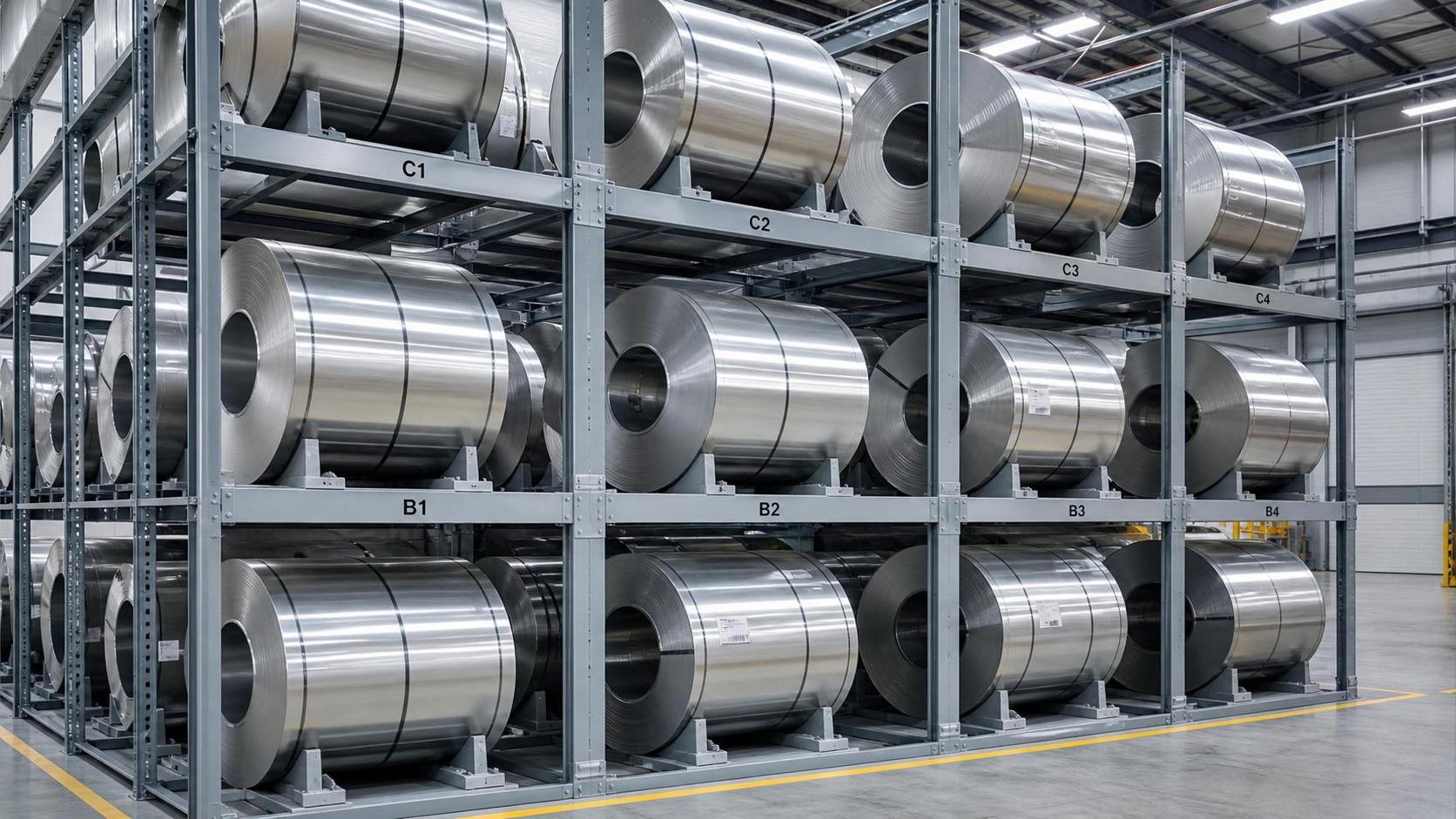
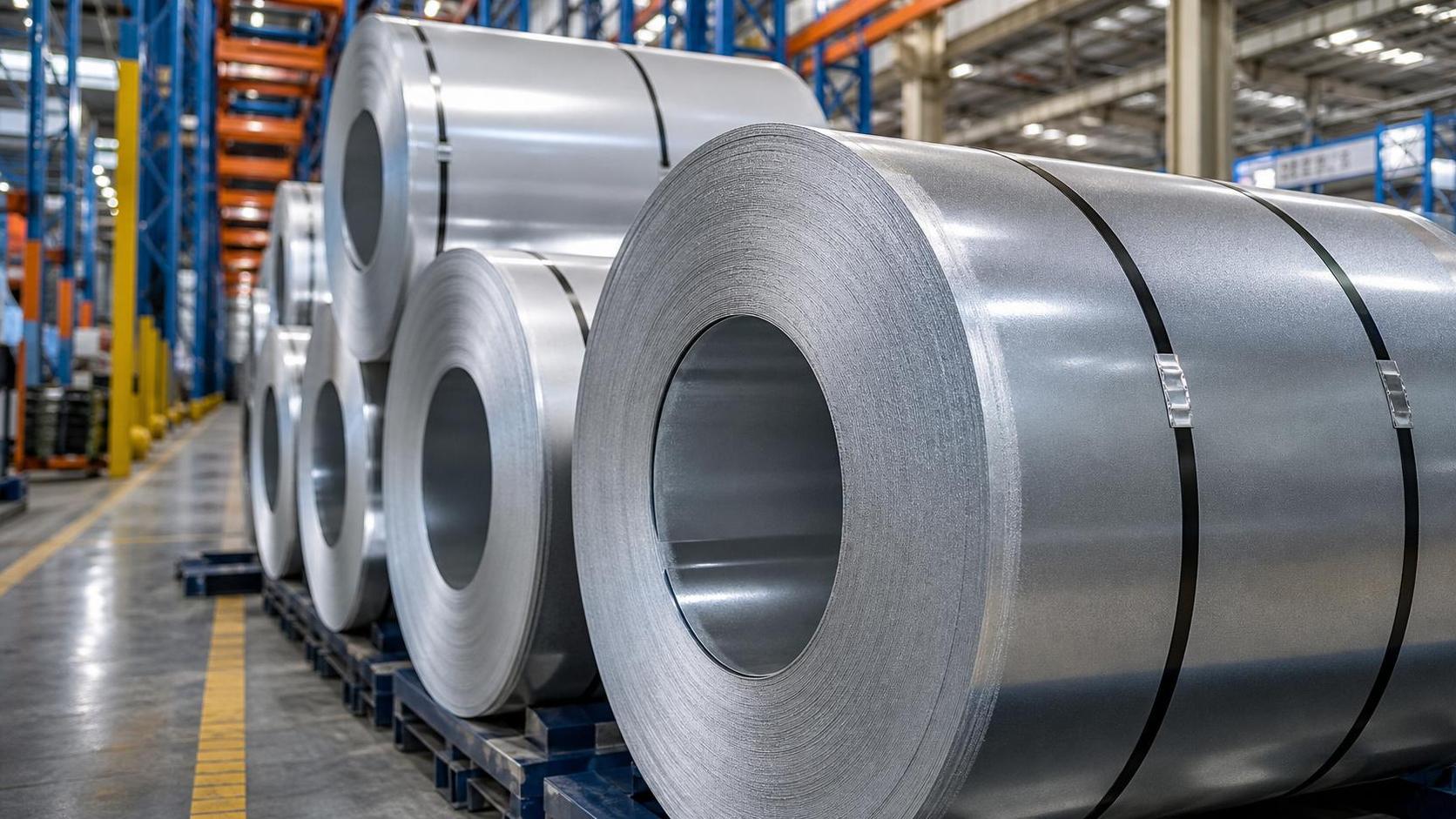
Global stainless steel procurement is moving into a more selective and strategy-driven stage. In previous years, many buyers focused mainly on price, shipment speed, and basic grade availability. Today, the market has changed. Buyers in construction, home appliance manufacturing, automotive components, energy equipment, food processing, machinery, and architectural decoration are paying closer attention to material stability, long-term supply reliability, surface quality, corrosion resistance, processing flexibility, and supplier responsiveness. Against this background,stainless steel coil has become one of the most important materials for companies seeking both performance and procurement flexibility.
The reason is simple: stainless steel coil is not only a raw material, but also a bridge between steelmaking capacity and downstream manufacturing efficiency. It can be slit, cut, polished, stamped, welded, bent, formed, or processed into sheets, strips, pipes, panels, decorative products, appliance parts, tanks, structural components, and industrial equipment. For global buyers, this flexibility matters more than ever. As project cycles shorten and market demand becomes more fragmented, companies need materials that can support different applications without creating unnecessary inventory pressure.
One of the clearest market trends is the growing demand for adaptable stainless steel supply
Many buyers no longer place orders based only on one large, fixed production plan. Instead, they are balancing several different needs at the same time: stable monthly procurement, urgent project replenishment, customized specifications, mixed grades, and different surface finishes. Stainless steel coil fits this purchasing model because it can be supplied in multiple grades, thicknesses, widths, and finishes, giving manufacturers more room to adjust production according to market changes.
In the construction and architectural decoration sectors, stainless steel coil continues to benefit from demand for durable and visually attractive materials. Commercial buildings, transportation hubs, public facilities, elevators, wall panels, roofing systems, handrails, and decorative facades all require materials that can maintain appearance while resisting corrosion and wear. Compared with ordinary carbon steel, stainless steel provides stronger corrosion resistance and longer service life in many environments. This makes it especially attractive for projects where maintenance cost, lifecycle value, and visual quality are important decision factors.
The home appliance sector is another major driver. Refrigerators, washing machines, kitchen equipment, ovens, range hoods, dishwashers, and other appliances often require stainless steel materials with clean surfaces, good formability, and consistent thickness. As consumers continue to prefer products with modern appearance and longer durability, appliance manufacturers are placing greater emphasis on stable stainless steel coil supply. The coil format allows factories to improve production efficiency because it supports automated cutting, stamping, and forming lines.
Food processing and commercial kitchen equipment also support steady demand
Stainless steel is widely used in storage tanks, worktables, processing machinery, sinks, shelves, cabinets, and sanitary piping systems because it is easy to clean and suitable for environments that require hygiene and corrosion resistance. As food safety standards become stricter across global markets, stainless steel materials remain highly relevant. Buyers in this sector usually care not only about price, but also about grade selection, surface finish, and consistency from batch to batch.
In machinery and industrial equipment manufacturing, stainless steel coil is valued for its balance of strength, corrosion resistance, and processability. Many industrial buyers need materials that can withstand humid, chemical, high-temperature, or outdoor working conditions. Stainless steel coil can be processed into machine covers, equipment housings, structural parts, conveyor systems, containers, and other components. For exporters of finished machinery, using reliable stainless steel materials can also help improve product competitiveness in demanding overseas markets.
Another important trend is the shift from short-term price buying to total cost evaluation
Stainless steel prices are influenced by nickel, chromium, energy costs, logistics, exchange rates, and regional supply-demand changes. In a volatile market, some buyers may try to chase the lowest price. However, more experienced procurement teams are realizing that a lower unit price does not always mean a lower total cost. If material quality is unstable, if delivery is delayed, or if surface defects cause production waste, the final cost can rise quickly.
This is why reliable stainless steel coil sourcing is becoming a strategic procurement issue. Buyers are asking more detailed questions before placing orders: Can the supplier provide consistent grades? Are different specifications available? Can the coil be packed securely for export shipping? Can the supplier support mixed orders? Is there flexibility for customized thickness, width, or surface finish? Can the supplier respond quickly when projects change? These questions show that the market is maturing. Buyers are not only purchasing steel; they are purchasing supply-chain confidence.
The international trade environment is also reshaping stainless steel coil procurement. Many importers are diversifying their supplier base to reduce dependence on a single source. This does not necessarily mean replacing existing suppliers completely. More often, it means building a stronger backup network. Buyers want suppliers who can provide stable communication, transparent product information, and flexible order coordination. For steel exporters, this creates opportunities to win long-term customers by offering not only products, but also practical procurement support.
Sustainability is another factor influencing market direction. Stainless steel is recyclable, durable, and suitable for long-life applications. In industries where lifecycle cost and environmental responsibility are becoming important, stainless steel has an advantage. Buyers involved in public infrastructure, green building, food systems, and long-term industrial projects increasingly consider the environmental profile of materials. While price remains important, material durability and recyclability are becoming part of purchasing evaluation.
At the same time, downstream manufacturers are becoming more precise in grade selection.
Common stainless steel grades such as 201, 304, 316, 316L, 409, 410, 420, and 430 serve different application needs. For example, some applications require better corrosion resistance, while others focus on cost control, heat resistance, hardness, or decorative appearance. This means suppliers with a broader product range can better support global buyers who need multiple grades for different markets. A company purchasing stainless steel coil for kitchen equipment may need a different grade from a buyer producing industrial components or decorative panels.
Surface finish demand is also becoming more diverse. Depending on the end use, buyers may require 2B, BA, No.1, No.4, HL, mirror finish, or other surface treatments. Decorative applications often place greater emphasis on appearance, while industrial applications may focus more on mechanical properties and processing performance. This trend increases the importance of communication between buyers and suppliers. Clear specification confirmation before shipment can help reduce misunderstandings and improve order satisfaction.
Logistics and packaging are equally important in the global stainless steel coil market
Coils are heavy, valuable, and sensitive to moisture, edge damage, and surface scratches during transportation. Export buyers need suppliers who understand seaworthy packaging, container loading, protective wrapping, edge protection, and documentation requirements. A good product can lose value if it is not packed and shipped correctly. Therefore, professional export handling is becoming a competitive advantage for stainless steel suppliers.
From a market trend perspective, stainless steel coil demand is likely to remain resilient because it serves many different downstream industries. Even when one sector slows, another may continue to grow. Construction, appliances, machinery, transportation, energy equipment, food processing, and decorative products all create different layers of demand. This diversity gives stainless steel coil a stronger market foundation than materials that depend on only one narrow application area.
For buyers, the key is to build a procurement strategy that balances price, quality, specification flexibility, and supplier reliability. Instead of waiting until inventory becomes urgent, many companies are creating more stable sourcing plans. They are comparing suppliers earlier, confirming technical requirements more carefully, and maintaining communication with multiple qualified partners. This approach helps reduce risk when raw material prices fluctuate or when shipping schedules become uncertain.
For suppliers, the opportunity lies in becoming easier to work with
Global buyers value fast responses, clear quotations, product photos, specification sheets, grade options, packaging details, and realistic delivery schedules. A supplier that can help customers compare grades, choose suitable specifications, and manage mixed-product purchasing will stand out in a crowded market. In stainless steel trading, service quality often determines whether a buyer places a repeat order.
Looking ahead, the stainless steel coil market will continue to be shaped by manufacturing upgrades, infrastructure investment, consumer product demand, and international trade diversification. Buyers will not only look for available materials, but also for dependable partners who can support long-term procurement planning. As industries become more quality-conscious and supply chains become more flexible, stainless steel coil will remain a practical and valuable material for global manufacturing.
In this environment, companies that understand both product performance and buyer procurement pressure will be better positioned to grow. Stainless steel coil is no longer viewed only as a commodity input. It is becoming a strategic material for manufacturers that need durability, adaptability, and stable processing performance. For global buyers, choosing the right supplier can make production smoother, reduce sourcing uncertainty, and improve competitiveness in their own markets.
Technical Specifications
- Air Handling Unit Supplier Checklist: Performance Data, Lead Times, and SupportAuthor :Environmental Engineering Director
- Buying Fiberglass Water Tanks Wholesale: Compare Quotes and Delivery CostsAuthor :Environmental Engineering Director
- Choosing an XLPE Power Cable Supplier: Test Reports, Traceability, and Lead TimesAuthor :Grid Infrastructure Analyst
Expert Insights

Chief Security Architect
Dr. Thorne specializes in the intersection of structural engineering and digital resilience. He has advised three G7 governments on industrial infrastructure security.
Related Analysis
- Oct 19, 2026Air Handling Unit Supplier Checklist: Performance Data, Lead Times, and SupportAuthor :Environmental Engineering Director
- Oct 18, 2026Buying Fiberglass Water Tanks Wholesale: Compare Quotes and Delivery CostsAuthor :Environmental Engineering Director
- Oct 17, 2026Choosing an XLPE Power Cable Supplier: Test Reports, Traceability, and Lead TimesAuthor :Grid Infrastructure Analyst
Core Sector // 01
Security & Safety
- Cold-Formed Steel Market: Price, Capacity, and Lead-Time Signals for BuildersAuthor :

- Heat-Resisting Steel Market Trends: Availability Risks for High-Temperature FabricatorsAuthor :

- Sintered Steel Market: Demand Drivers and Supply Risks for Component SourcingAuthor :

- Structural Steel Market Outlook: What Project Buyers Should Track in 2026Author :

- EU Nickel Supply Chain Compliance: Due Diligence Steps for Industrial BuyersAuthor :

- Comparing Stock vs Custom Galvanized Square Tube for Stable Project DeliveryAuthor :

- How Rebar Traceability Is Shaping Procurement and QA ExpectationsAuthor :

- Galvalume Coil Applications: How Buyers Match Coated Steel to Real ProjectsAuthor :