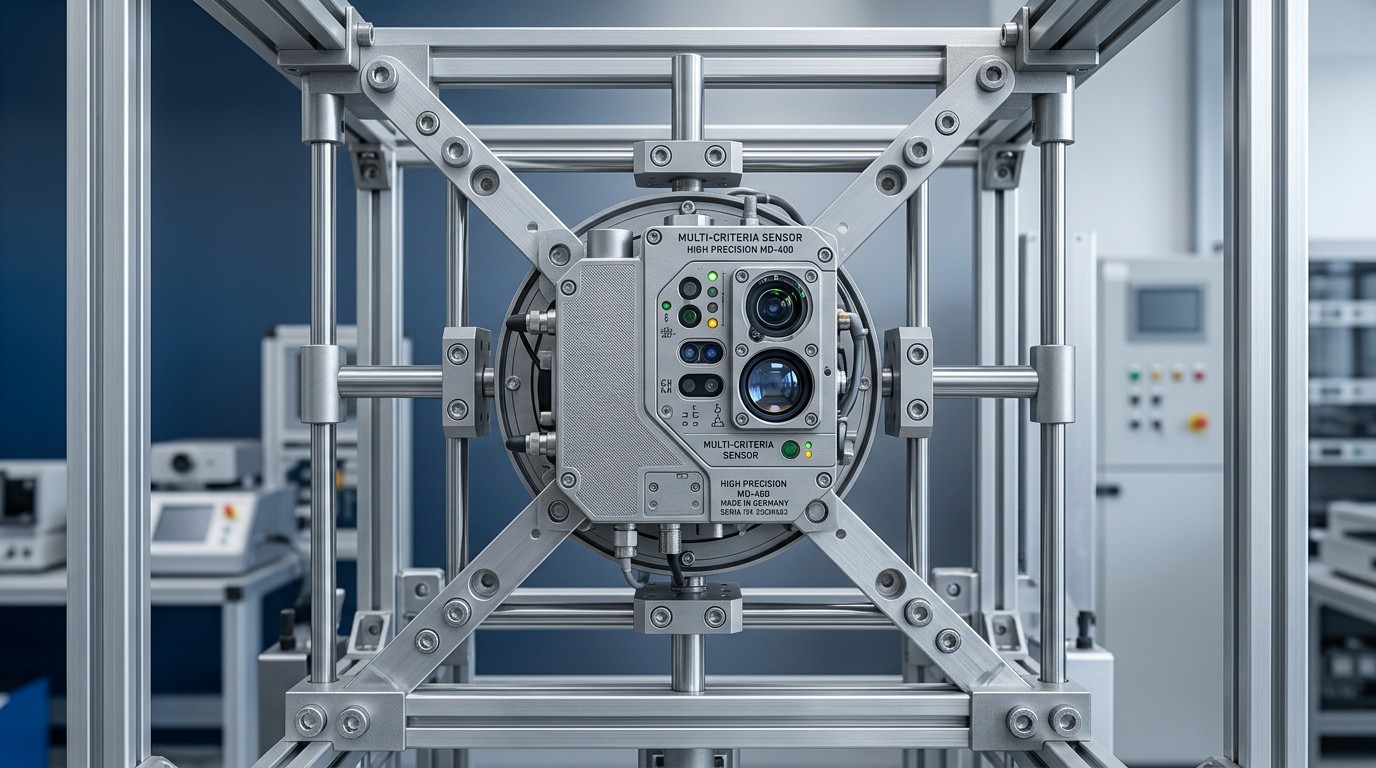
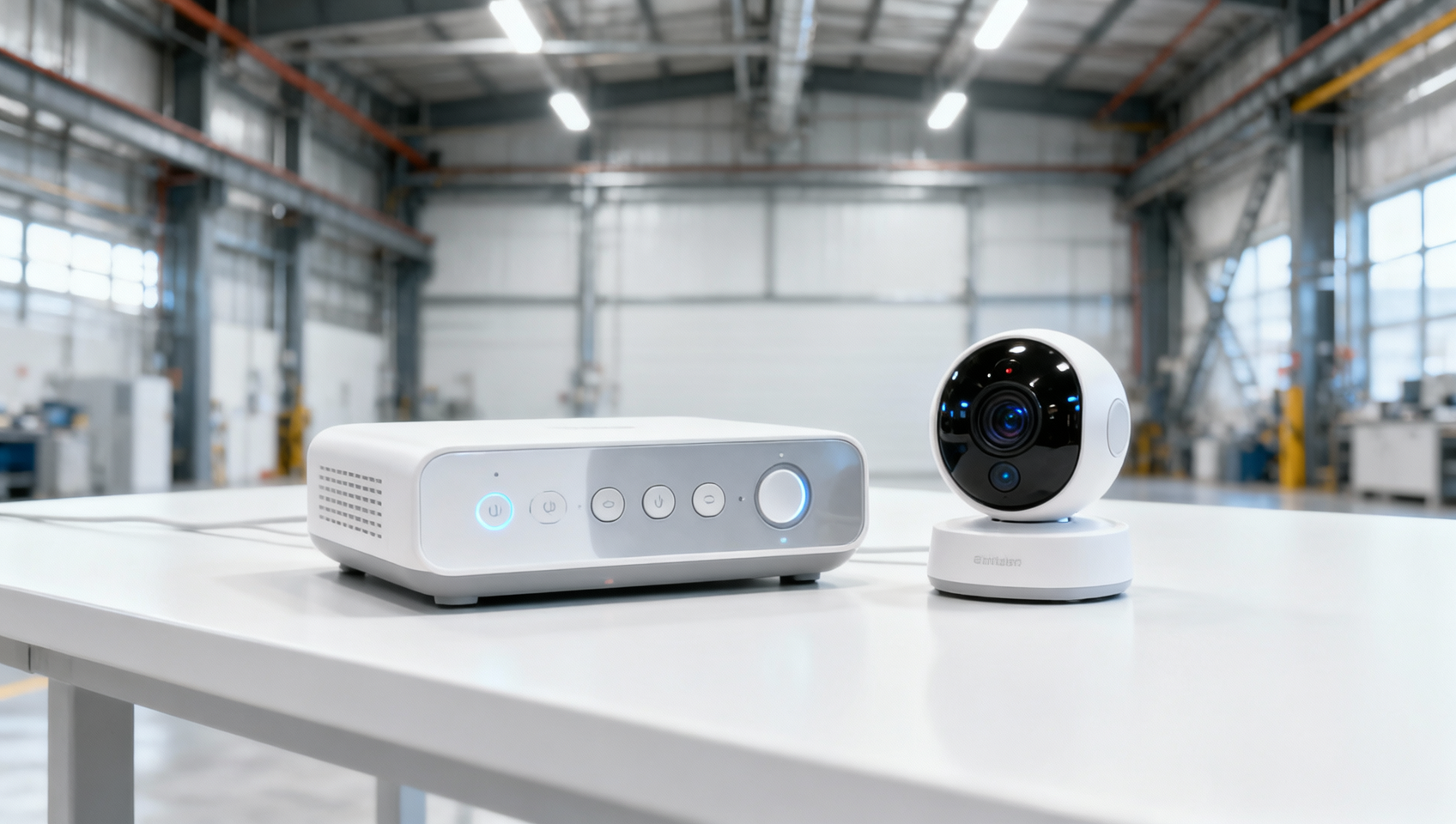
Explosion proof cameras are not all rated for the same zones
Author
Date Published
Reading Time
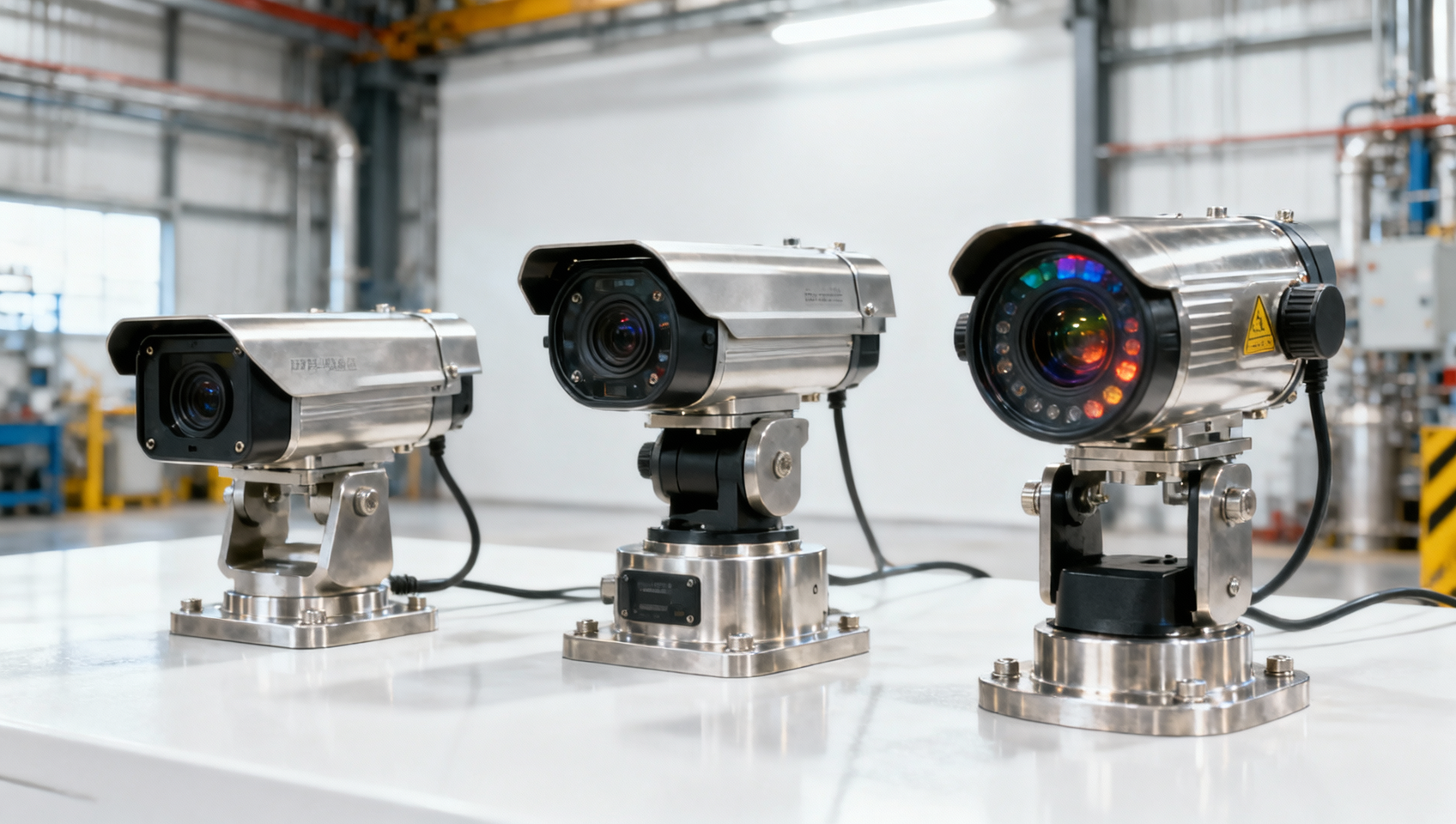
Not all explosion proof cameras are certified for the same hazardous zones, and choosing the wrong model can compromise safety, compliance, and uptime. For buyers comparing thermal imaging security cameras, body worn cameras oem solutions, or broader confined space equipment, understanding zone ratings is essential. This guide explains the differences clearly so procurement teams, operators, and decision-makers can select equipment that matches real industrial risk.
Why zone ratings matter more than the words “explosion proof”
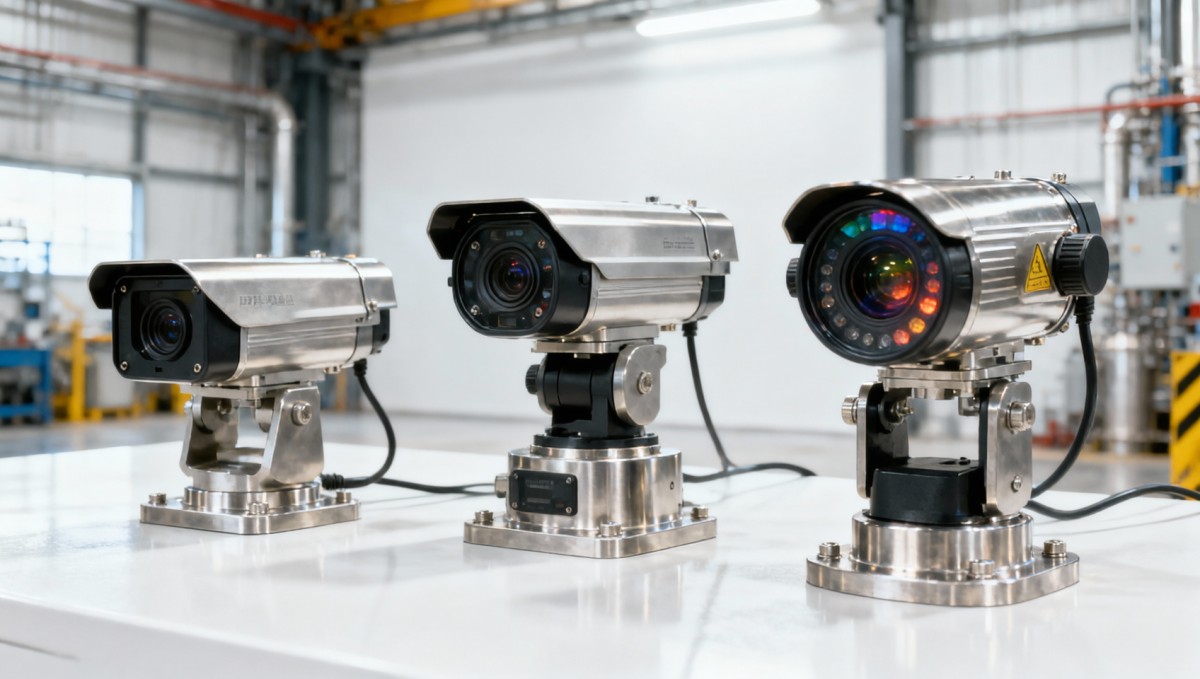
In industrial security and safety projects, the phrase explosion proof camera is often used too broadly. In practice, hazardous area suitability depends on the exact zone or division, gas group, temperature class, installation method, and the certification scheme accepted at the project site. A camera approved for one environment may be non-compliant in another, even when both are described as flammable or dusty areas.
This matters across oil and gas, chemicals, bulk storage, marine terminals, power facilities, mining support areas, and confined processing spaces. A procurement error can trigger redesigns, delayed commissioning, or replacement costs during a 2–4 week shutdown window. For operators, the risk is even more direct: poor equipment matching can reduce visibility, compromise incident response, and create uncertainty during inspections or maintenance.
The most important starting point is simple. “Explosion proof” is not a universal pass. It is a technical claim tied to a defined hazard classification system. Some cameras are built for gas atmospheres, some for combustible dust, and some for both. Some are suitable only where hazards appear infrequently, while others are engineered for continuous or long-duration exposure.
What buyers should verify first
Before discussing resolution, lens range, thermal imaging, or video analytics, teams should verify 4 core items: area classification, ignition source protection method, operating temperature range, and certification acceptance in the destination market. These 4 checks prevent the most common mismatch between site hazard and camera approval.
- Confirm whether the site uses Zone 0, 1, 2 or Division 1, 2 classification, because the naming system changes by region and standard framework.
- Identify whether the hazard is gas, vapor, mist, combustible dust, or a mixed environment, since the certification scope may differ.
- Check the ambient temperature envelope, such as -20°C to +55°C or wider, because enclosure integrity and internal heat management affect compliance.
- Review whether the project demands ATEX, IECEx, UL, CSA, CE-related declarations, or site-specific engineering files for approval.
How hazardous zones differ in real industrial environments
The zone concept is based on how often an explosive atmosphere is expected to be present. In gas environments, Zone 0 generally refers to continuous, long-period, or frequent presence. Zone 1 covers areas where explosive atmospheres are likely during normal operation. Zone 2 covers areas where they are not likely in normal operation, and if they occur, they usually exist only for a short time.
For dust environments, the equivalent logic is often Zone 20, 21, and 22. This distinction is critical in facilities such as grain handling, powder processing, metals handling, and waste-derived fuel systems. A camera suitable for gas Zone 2 is not automatically suitable for dust Zone 22, because ignition behavior, enclosure requirements, and surface temperature concerns are different.
In North America, teams may see Class I, Division 1 or Division 2 terminology instead of the IEC-style zone system. Cross-border procurement often fails when a buyer assumes those labels are interchangeable without checking the actual certificate and installation notes. In multinational EPC projects, this is one of the most common review points during the 3-stage approval process: design, procurement, and site acceptance.
Typical zone-based deployment logic
The table below gives a practical view of how hazardous area classification influences explosion proof camera selection. It is not a substitute for site engineering, but it helps research teams and buyers frame the right technical questions early.
The main takeaway is that zone ratings are about probability and persistence of hazard, not just location labels. Two areas inside the same plant can require different camera types within a 20–50 meter distance, especially around valves, loading points, vents, conveyors, or enclosed transfer zones.
Where mistakes often happen
- Assuming a thermal imaging security camera approved for perimeter duty can be moved into a process area without recertification review.
- Treating stainless housing, IP66 or IP67 ingress protection, and corrosion resistance as proof of hazardous area compliance.
- Overlooking cable glands, junction boxes, brackets, and power accessories, even though the complete installation must remain compliant.
Which camera types fit which applications?
Different industrial tasks require different explosion proof camera architectures. A fixed camera may be enough for pump skids, access points, or small process cells. A PTZ unit is often better when a control room must inspect broad areas from one mounting point. Thermal imaging security cameras add value where smoke, darkness, long-distance detection, or temperature anomalies matter, especially during continuous 24/7 monitoring.
Portable and wearable solutions are a separate category. In field inspections, body worn cameras OEM programs may support traceability, training, and incident records, but they must not be assumed suitable for every hazardous zone. Mobility introduces battery, charging, enclosure, and certification challenges. In confined space equipment packages, camera choice must align with ventilation strategy, communication equipment, and entry permit conditions.
For buyers, application fit should be evaluated through 5 dimensions: hazard zone, imaging task, mounting constraints, environmental exposure, and maintenance access. A camera selected only on image quality may underperform if the site also demands de-icing, washdown resistance, vibration tolerance, or operating temperatures below -30°C.
Practical comparison for industrial sourcing
This comparison helps procurement and engineering teams align camera style with operating need instead of relying on a generic “hazardous area CCTV” label.
Many plants benefit from mixed deployment. For example, a fixed visible camera can document access and operations, while a thermal imaging security camera covers early anomaly detection. In a 2-camera or 3-camera architecture, total system value often comes from complementary visibility rather than from one premium device doing everything.
Application scenarios buyers frequently compare
- Tank farms and loading bays where long-range observation, weather resistance, and hazardous gas zoning intersect.
- Process skids and enclosed modules where space is limited and camera servicing may be scheduled only every quarter or during planned outages.
- Confined space entries where temporary monitoring equipment must work with permit controls, communication gear, and standby rescue procedures.
What should procurement teams check before issuing an RFQ?
A strong RFQ reduces commercial ambiguity and technical rework. In hazardous-area surveillance, procurement should not ask only for an explosion proof camera quote. It should specify site classification, environmental conditions, preferred certification framework, power and network interface, field of view, and accessory scope. A complete RFQ can shorten technical clarification by 7–15 days in multi-vendor reviews.
Industrial buyers also need to separate must-have criteria from optional features. Must-haves typically include zone suitability, accepted certification, enclosure material compatibility, ambient temperature range, and network or control integration. Optional features may include analytics, wipers, heaters, marine coating, edge storage, or custom brackets. This distinction makes bid comparison far more reliable.
Global Industrial Core supports this stage by translating engineering needs into sourcing-ready decision points. For EPC contractors and industrial procurement directors, that means fewer assumption gaps between specification, vendor quotation, and installation approval. The goal is not just to buy a camera, but to buy a camera system that survives compliance review, commissioning, and day-to-day operation.
6-point pre-RFQ checklist
- Define the hazardous area classification and whether gas, vapor, mist, dust, or mixed conditions apply.
- Set the viewing requirement, such as identification, monitoring, perimeter alerting, or thermal anomaly detection.
- Confirm infrastructure details including PoE, fiber, local power, junction boxes, and recording platform compatibility.
- State the ambient environment, including corrosion, humidity, washdown, vibration, and temperature envelope.
- Request documentation needed for technical review, such as certificate references, datasheets, drawings, and installation notes.
- Clarify delivery expectations, for example standard lead time, expedited needs, sample review, and spare-part planning for 12–24 months.
Selection signals that improve long-term ownership
The best purchase is rarely the lowest upfront quote. Teams should also evaluate inspection intervals, gasket replacement policy, lens window cleaning frequency, firmware support, and availability of approved accessories. If a site can only access the camera during shutdowns every 6 months or 12 months, maintainability becomes a major cost variable.
When body worn cameras OEM or portable video kits are involved, ask about charging logistics, docking procedure, battery swap policy, and evidence handling workflow. In many industrial operations, the practical success of a wearable solution depends less on image quality and more on whether it fits the permit system and the operator’s shift routine.
Standards, certification, and common compliance misunderstandings
Certification is not just a document to file after purchase. It is a core part of equipment legitimacy in hazardous areas. Depending on geography and project requirements, buyers may need to evaluate IECEx, ATEX, UL, CSA, CE-related declarations, or project-specific compliance packages. The accepted framework may be defined by regulation, customer specification, insurer guidance, or internal engineering standards.
One common misunderstanding is assuming that ingress protection, such as IP66 or IP67, proves hazardous area suitability. It does not. IP ratings indicate resistance to dust and water ingress under defined conditions. Hazardous area certification addresses ignition risk in explosive atmospheres. Both may be necessary, but they solve different engineering problems.
Another frequent issue is incomplete system compliance. The camera body may be certified, but the installation can still fail review if cable entries, glands, conduits, mounting adapters, or external power devices are not selected correctly. In practical terms, compliance should be reviewed as a full installation path, not only as a product checkbox.
Documents worth requesting during evaluation
- Certificate references and marking details that clearly state the approved hazardous area scope.
- Installation instructions that show any limitations on orientation, cable entry, maintenance, or accessory use.
- Mechanical and electrical drawings needed for interface checks during the 2-stage design review and site handover.
- Operating temperature information and any restrictions tied to heaters, sunshields, or thermal loading.
A realistic compliance mindset
Good compliance practice means matching the equipment to the site, then verifying the installation details before energization. For large projects, this often involves 3 stakeholder groups: engineering, procurement, and site safety. When these groups work from the same technical checklist, approval cycles become faster and less adversarial.
This is where a technical sourcing partner adds value. GIC helps industrial teams compare documentation quality, certification scope, application fit, and procurement risk in one review path, which is especially useful when comparing several vendors across multiple plants or export markets.
FAQ and next-step guidance for buyers, operators, and decision-makers
Can one explosion proof camera cover all hazardous zones?
No. A camera may be certified for a specific zone, gas group, dust environment, or temperature class, but that does not make it universally suitable. Buyers should compare the site classification with the product marking and installation conditions. A model selected for Zone 2 may not be appropriate for Zone 1, and gas approval may not cover combustible dust areas.
Are thermal imaging security cameras always better than visible-light cameras?
Not always. Thermal imaging security cameras are excellent for darkness, smoke, perimeter monitoring, and heat-related anomalies, but they do not replace visible-light detail in every task. In many industrial sites, the best result comes from a dual approach: thermal for detection and visible imaging for verification. The right balance depends on distance, weather, target size, and response workflow.
What is a practical lead-time expectation for industrial projects?
Lead time varies with certification scope, enclosure material, accessories, and customization. Standard configurations may move faster than bespoke assemblies with special mounts, coatings, or integration requirements. For planning purposes, buyers should ask for standard lead time, expedited option, and spare-part availability separately rather than assuming one timeline covers all three.
When do body worn cameras OEM solutions make sense in industrial safety programs?
They are useful when a site needs mobile documentation, remote expert support, operator training records, or incident review. However, teams should verify whether the wearable device is intended for the exact hazard class and workflow. Charging stations, battery management, shift turnover, and data handling often determine success more than hardware cost alone.
Why choose GIC for hazardous-area sourcing support?
Global Industrial Core helps industrial buyers turn complex safety requirements into clear sourcing decisions. If your team is comparing explosion proof cameras, thermal imaging security cameras, body worn cameras OEM programs, or related confined space equipment, GIC can support parameter confirmation, application-based model selection, certification review points, accessory scope alignment, delivery planning, and quote-stage clarification. That means fewer specification gaps, better vendor comparison, and more confidence before purchase approval.
Contact GIC when you need help with 5 practical issues: matching the correct zone rating, checking certification acceptability for your region, comparing fixed versus PTZ versus thermal options, evaluating delivery windows and customization, and preparing a sourcing brief for RFQ or tender release. For EPC teams, facility managers, and procurement leaders, this support can reduce rework and improve decision speed across the full buy-install-operate cycle.
Technical Specifications
- SCFI Surges 27% Weekly; Shanghai–Rotterdam Freight Hits $4,200/TEUAuthor :Environmental Engineering Director
- INMETRO New Rule: Industrial Circuit Breakers Must Pass IEC 60947-2 Annex Q Test from Sep 2026Author :Grid Infrastructure Analyst
- FDA Expands Regulation of Industrial Air Filters: ULPA Filter MVR Verification RequiredAuthor :Environmental Engineering Director
Expert Insights

Chief Security Architect
Dr. Thorne specializes in the intersection of structural engineering and digital resilience. He has advised three G7 governments on industrial infrastructure security.
Related Analysis
- Apr 26, 2026SCFI Surges 27% Weekly; Shanghai–Rotterdam Freight Hits $4,200/TEUAuthor :Environmental Engineering Director
- Apr 26, 2026INMETRO New Rule: Industrial Circuit Breakers Must Pass IEC 60947-2 Annex Q Test from Sep 2026Author :Grid Infrastructure Analyst
- Apr 26, 2026FDA Expands Regulation of Industrial Air Filters: ULPA Filter MVR Verification RequiredAuthor :Environmental Engineering Director
Core Sector // 01
Security & Safety
- Reducing false alarms in Security & SafetyAuthor :Safety Compliance Lead

- IEC 62061:2026 Effective April 21, 2026 — Safety Controller Recertification RequiredAuthor :Safety Compliance Lead
![]()
- SABIC Launches Industrial Security Localization Plan in Q2 2026Author :Safety Compliance Lead
![]()
- IEC 62061:2026 Released — Higher Certification Bar for Industrial Safety Control SystemsAuthor :Safety Compliance Lead
![]()
- Smart peephole viewers: night vision quality is not all the sameAuthor :Safety Compliance Lead

- Video door phones wholesale: wired systems still win in some jobsAuthor :Safety Compliance Lead

- Wireless intercom systems drop audio in buildings with thick wallsAuthor :Safety Compliance Lead

- Wholesale baby monitors: when extra features become false comfortAuthor :Safety Compliance Lead