INMETRO Launches Remote Certification Pilot for Waste Incinerators
Author
Date Published
Reading Time
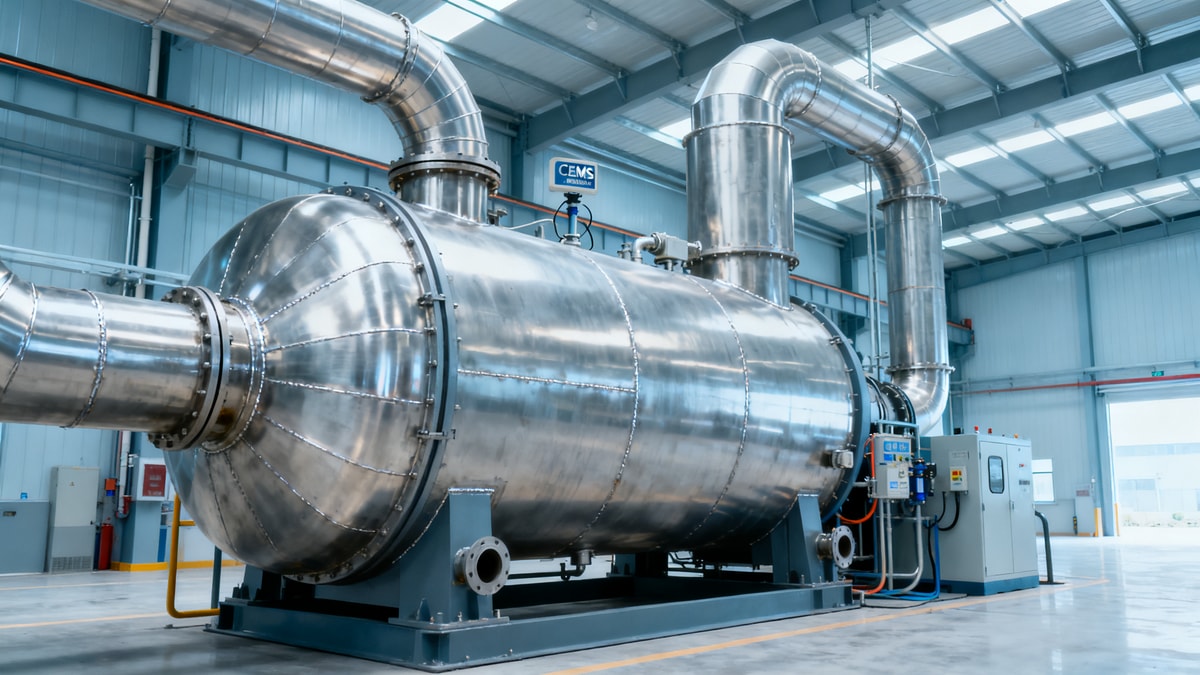
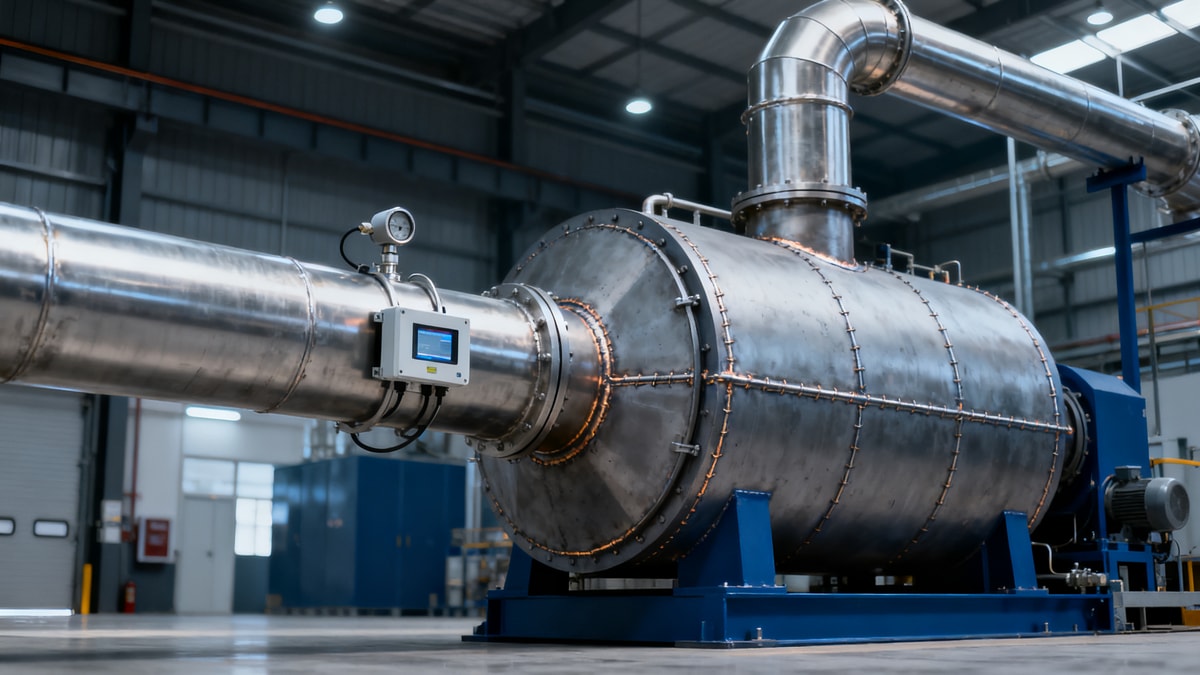
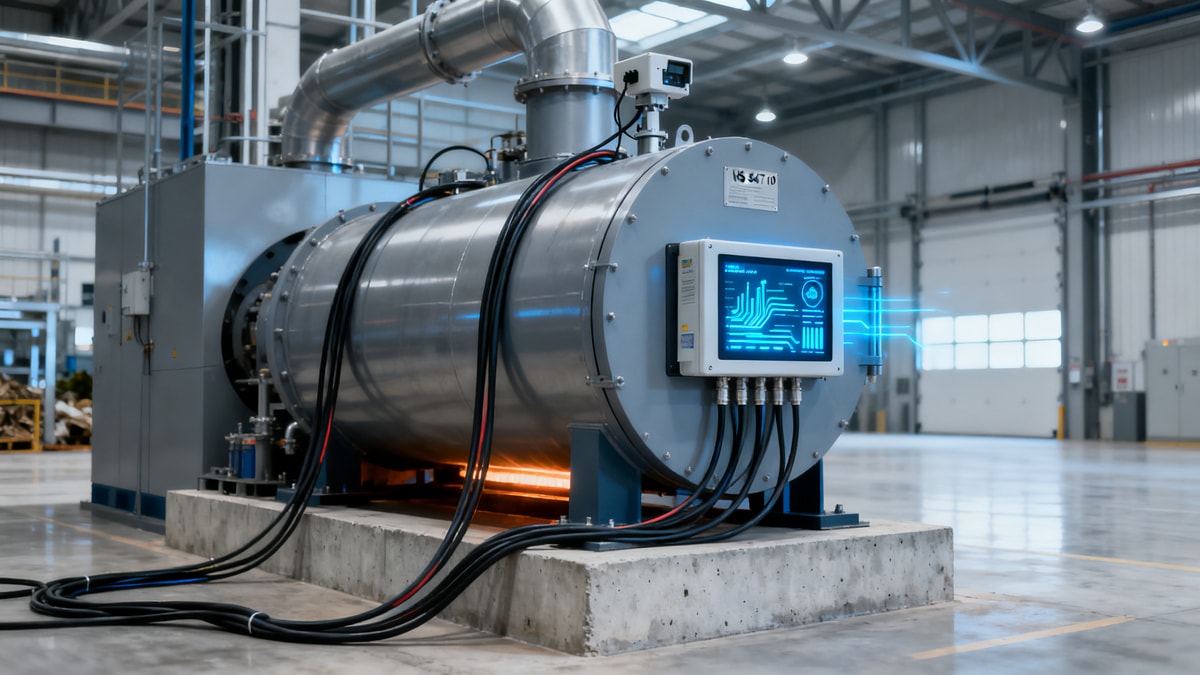
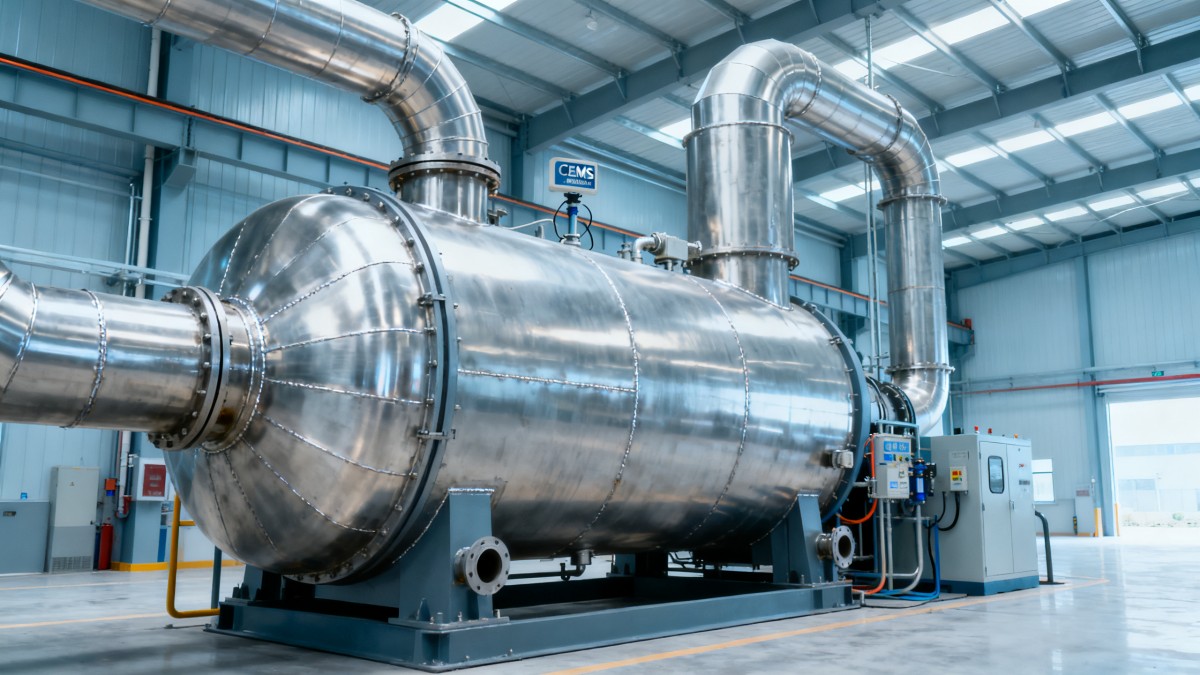
On April 30, 2026, Brazil’s National Institute of Metrology, Standardization and Industrial Quality (INMETRO) launched a pilot program for remote type-approval audits of industrial solid waste incinerators. This development is particularly relevant for manufacturers and exporters of waste-to-energy equipment, environmental technology providers, and third-party testing service providers operating in or targeting the Brazilian market — as it signals a material shift in conformity assessment pathways for emissions- and vibration-sensitive industrial equipment.
Event Overview
On April 30, 2026, INMETRO announced the initiation of a pilot program for remote type-approval audits of industrial solid waste incineration systems. Under this pilot, INMETRO formally accepts test reports from laboratories accredited by China’s National Accreditation Service for Conformity Assessment (CNAS), specifically for vibration and noise measurements (per ISO 10816) and continuous emissions monitoring system (CEMS) performance verification (per EN 15267). No further scope, duration, or eligibility criteria for the pilot have been publicly disclosed.
Which Subsectors Are Affected
Waste Equipment Manufacturers (China-based)
These companies produce incinerators, flue gas treatment units, and integrated thermal treatment systems. They are directly affected because CNAS-issued test data — previously not accepted for INMETRO type approval — now qualifies for remote audit submission. The impact includes reduced time-to-market in Brazil, lower on-site audit costs, and earlier alignment with local regulatory expectations.
Third-Party Testing & Certification Providers (CNAS-accredited labs)
Laboratories offering ISO 10816 and EN 15267 testing services gain new relevance in Brazil-bound projects. Their role shifts from pre-market support to formal input in regulatory compliance. Impact centers on increased demand for traceable, INMETRO-aligned reporting formats and potential need for bilingual (Portuguese/English) documentation protocols.
Importers & Local Distributors (Brazil-based)
These entities act as responsible parties for product conformity under INMETRO’s regulatory framework. The pilot reduces their dependency on Brazilian lab retesting but increases responsibility for verifying the validity and applicability of foreign test reports. Impact includes revised internal technical review workflows and tighter coordination with upstream Chinese suppliers during certification planning.
What Relevant Companies or Practitioners Should Focus On
Monitor official updates on pilot scope and sunset conditions
The pilot is explicitly described as a trial. Stakeholders should track INMETRO’s official communications for any expansion (e.g., inclusion of additional standards such as EN 13445 or ISO 9001 interface requirements) or termination notices — especially ahead of the 2027 regulatory review cycle.
Verify alignment of existing CNAS lab reports with INMETRO’s current acceptance criteria
Not all CNAS-accredited labs perform tests under the exact versions of ISO 10816 or EN 15267 referenced by INMETRO. Exporters must confirm that their lab’s report references the applicable edition, includes mandatory uncertainty statements, and contains full traceability to national metrological standards recognized by INMETRO (e.g., through ILAC MRA signatory status).
Distinguish between pilot eligibility and full regulatory recognition
This is a time-limited, procedure-specific acceptance — not a broad mutual recognition agreement. It applies only to remote type-approval audits for incinerators, not to other INMETRO-mandated certifications (e.g., safety, energy efficiency, or electrical compatibility). Companies must avoid extrapolating its applicability to unrelated product categories or conformity routes.
Prepare documentation packages for remote submission in advance
INMETRO has not published a checklist for remote audit dossiers. However, experience from similar pilots (e.g., in lighting or low-voltage equipment) suggests early preparation of Portuguese-translated technical files, calibration records, and lab accreditation certificates — all digitally signed and timestamped — will reduce processing delays once submissions open.
Editorial Perspective / Industry Observation
Observably, this pilot reflects a pragmatic response to growing trade volume and logistical constraints in environmental infrastructure exports — not a structural policy shift. Analysis shows it prioritizes procedural efficiency over harmonization: acceptance is limited to two specific test domains, tied to remote auditing, and contingent on continued CNAS–INMETRO technical dialogue. From an industry perspective, it is best understood as an operational signal — indicating willingness to streamline entry for technically mature equipment — rather than evidence of broader regulatory convergence. Continued attention is warranted, as outcomes may inform future bilateral arrangements in environmental technology conformity assessment.
Conclusion
This initiative marks a targeted easing of market access barriers for a narrow but high-value equipment category. Its significance lies less in immediate scale and more in precedent-setting potential: it validates third-country test data under defined conditions, reinforcing the role of internationally aligned laboratory accreditation in cross-border regulatory cooperation. For now, it is more accurately interpreted as a procedural pilot than a de facto market opening — one requiring careful, case-specific implementation rather than broad strategic assumption.
Information Sources
Main source: Official INMETRO announcement dated April 30, 2026.
Note: Details regarding pilot duration, application process, and post-pilot transition plans remain unconfirmed and are subject to ongoing observation.
Technical Specifications
- ILAC Recognizes CNAS Bearing Vibration ReportsAuthor :Heavy Industry Strategist
- ESMA Mandates EN 14181 QA/QC Level 3 for Industrial Water Sensors in UAEAuthor :Environmental Engineering Director
- JIS T 8201-2026 Enforces New Low-Temp Impact Test for Fire Respirator MasksAuthor :Safety Compliance Lead
Expert Insights

Chief Security Architect
Dr. Thorne specializes in the intersection of structural engineering and digital resilience. He has advised three G7 governments on industrial infrastructure security.
Related Analysis
- May 01, 2026ILAC Recognizes CNAS Bearing Vibration ReportsAuthor :Heavy Industry Strategist
- May 01, 2026ESMA Mandates EN 14181 QA/QC Level 3 for Industrial Water Sensors in UAEAuthor :Environmental Engineering Director
- May 01, 2026JIS T 8201-2026 Enforces New Low-Temp Impact Test for Fire Respirator MasksAuthor :Safety Compliance Lead
Core Sector // 01
Security & Safety
- INMETRO Launches Remote Certification Pilot for Waste IncineratorsAuthor :Environmental Engineering Director

- INMETRO Launches Remote Audit Pilot for Waste Incinerators in BrazilAuthor :Environmental Engineering Director

- RCEP Mandates ISO 14067 Carbon Footprint Interface for Waste IncineratorsAuthor :Environmental Engineering Director

- RCEP-ASEAN Mandates ISO 14067 Carbon Interface for Waste IncineratorsAuthor :Environmental Engineering Director
![]()
- RCEP ASEAN Mandates ISO 14067 Carbon Interface for Waste IncineratorsAuthor :Environmental Engineering Director
![]()
- RCEP Industrial Waste Equipment Mutual Recognition Takes EffectAuthor :Environmental Engineering Director
![]()
- Industrial sludge in environmental engineeringAuthor :Environmental Engineering Director

- RCEP Industrial Waste Equipment Mutual Recognition LaunchedAuthor :Environmental Engineering Director
![]()