Industrial sludge in environmental engineering
Author
Date Published
Reading Time
Industrial sludge management has become a cornerstone of modern environmental engineering, demanding rigorous oversight to ensure compliance with global industrial standards. For facility management professionals and project managers, navigating the complexities of sludge treatment is essential for maintaining Security & Safety within industrial ecosystems. Integrating advanced solutions from mechanical engineering and metallurgical engineering ensures that waste processing meets the highest efficiency benchmarks. As industries evolve, understanding the intersection of Electrical & Power requirements and environmental stewardship is vital. This guide provides technical evaluators and decision-makers with the mission-critical intelligence needed to manage industrial sludge effectively, securing operational resilience and environmental sustainability.
The Regulatory Framework and Global Compliance Standards
For engineering, procurement, and construction (EPC) contractors and facility managers, the primary challenge of industrial sludge lies in the stringent regulatory landscape. Industrial sludge is rarely uniform; its composition varies significantly across the metallurgical, chemical, and manufacturing sectors. Consequently, compliance with international standards such as ISO 14001 (Environmental Management) and specific regional mandates like the EU’s Industrial Emissions Directive (IED) or the US EPA’s Resource Conservation and Recovery Act (RCRA) is non-negotiable.
Technical evaluators must prioritize the classification of sludge—distinguishing between hazardous and non-hazardous waste—as this determines the entire downstream processing chain. Failure to accurately measure heavy metal concentrations or volatile organic compounds (VOCs) not only risks environmental contamination but also exposes the enterprise to massive legal liabilities and operational shutdowns. Effective management begins with rigorous "Instruments & Measurement" protocols to baseline sludge characteristics before selecting a treatment pathway.
Advanced Mechanical and Chemical Treatment Strategies
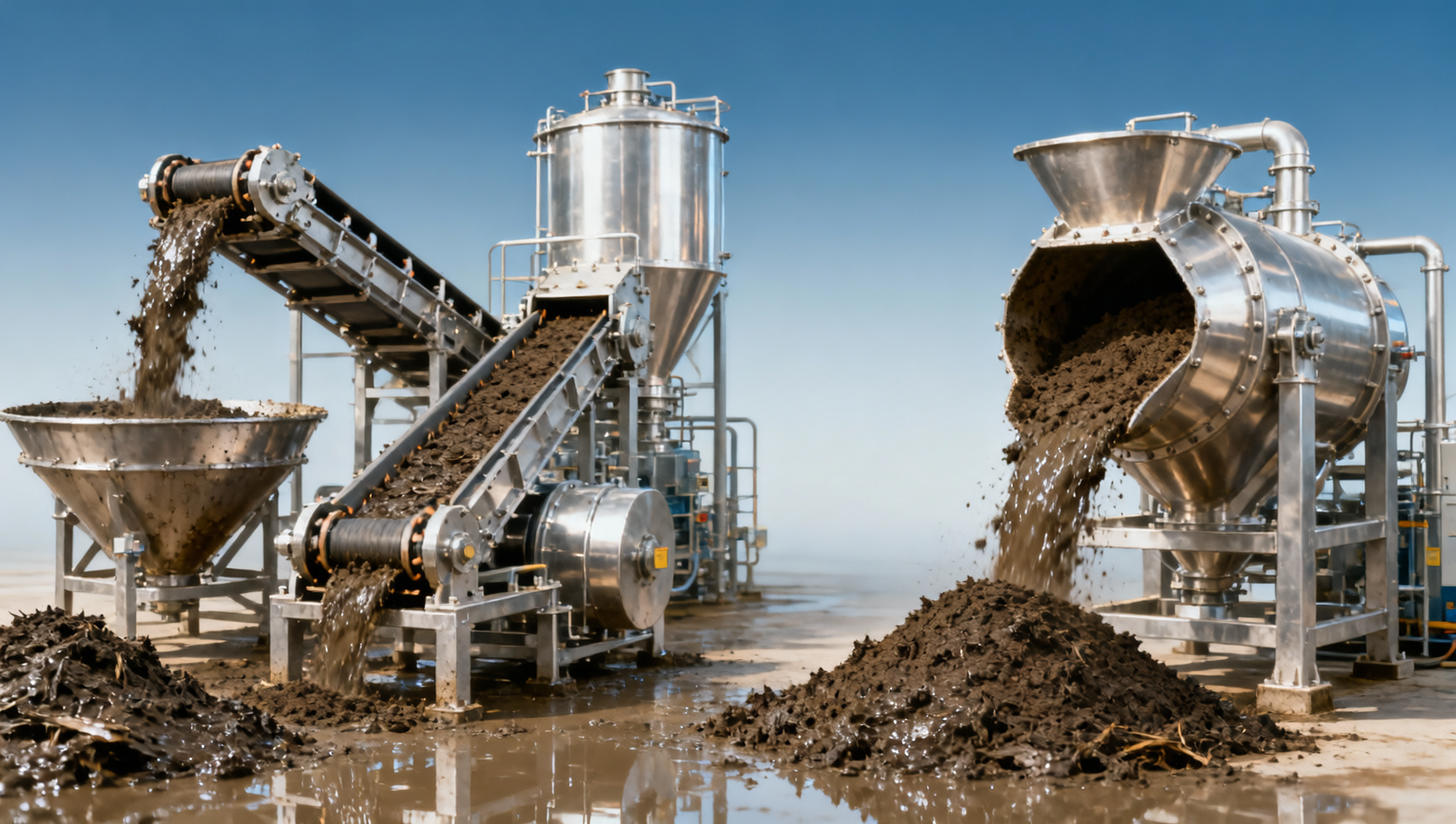
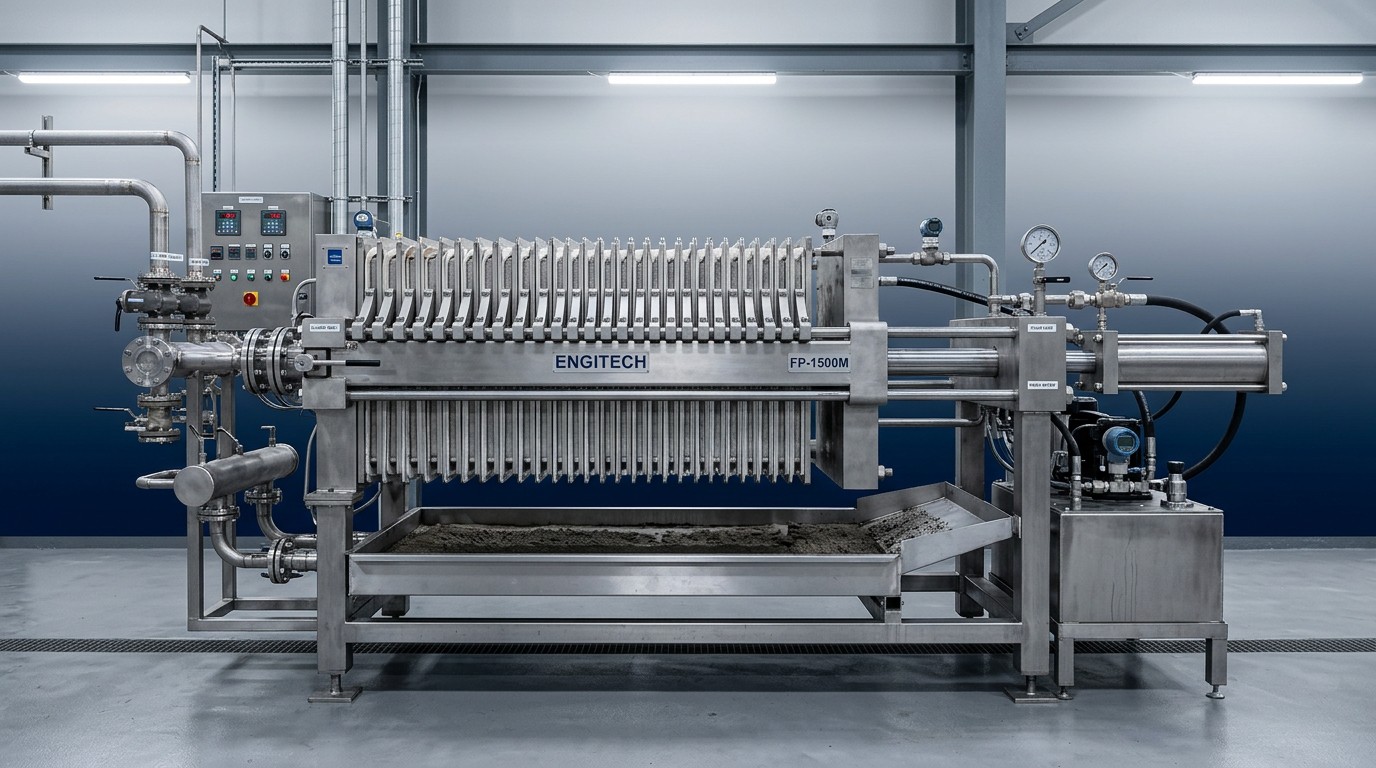
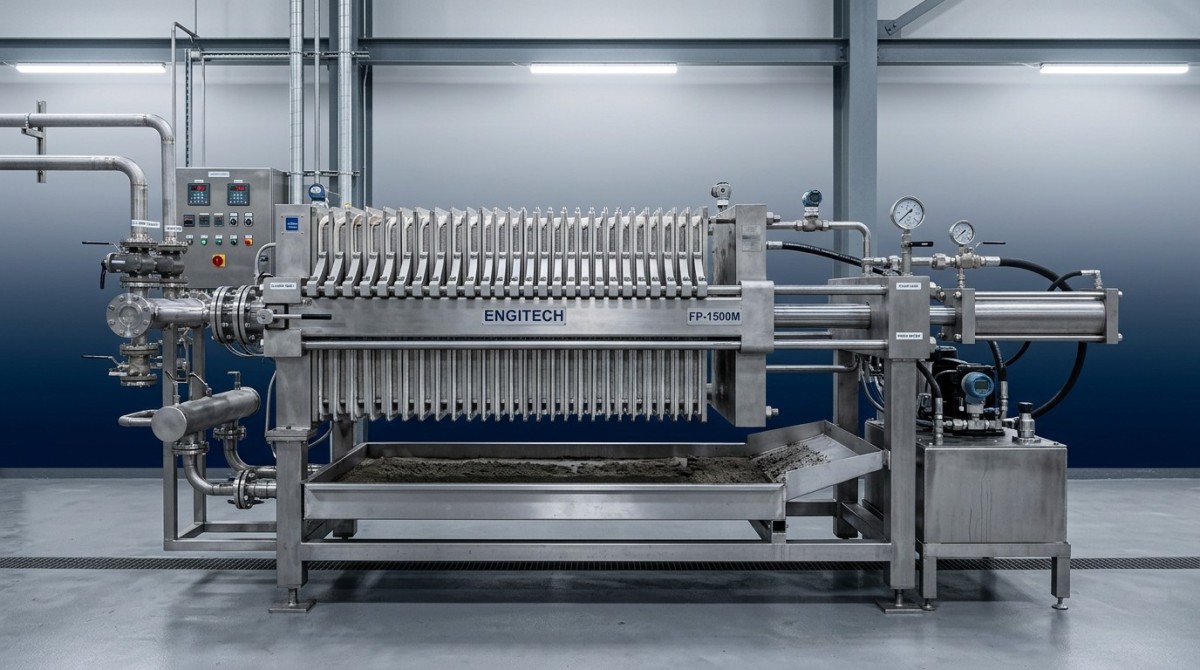
Modern environmental engineering has shifted from simple disposal to sophisticated processing. For technical personnel and project managers, the focus is on volume reduction and stabilization. Mechanical components play a vital role here. High-efficiency dewatering systems—such as membrane filter presses, decanter centrifuges, and multi-disk screw presses—are the workhorses of the industry.
- Mechanical Dewatering: Reducing water content from 98% to below 60% significantly lowers transport and disposal costs while preparing the material for thermal processing.
- Chemical Stabilization: Using metallurgical by-products or advanced polymers to neutralize hazardous elements, ensuring the final cake meets safety standards for landfilling or reuse.
- Thermal Drying: Utilizing waste heat from "Electrical & Power Grid" operations to further reduce sludge volume, transforming it into a handleable, often energy-rich solid.
From an operational standpoint, the reliability of these mechanical systems in "extreme conditions" (corrosive or high-temperature environments) is a critical KPI for procurement directors. Precision engineering at the micron level ensures that seals and filters maintain integrity, preventing leaks that could compromise facility safety.
Economic Value and Resource Recovery: The Decision-Maker’s Perspective
For business evaluators and corporate decision-makers, industrial sludge should no longer be viewed strictly as a cost center. The "Circular Economy" model within environmental engineering seeks to extract value from waste. In metallurgical industries, for instance, sludge can often contain recoverable precious metals or iron oxides that can be reintroduced into the production cycle.
Furthermore, the "Waste-to-Energy" (WtE) potential of organic-rich industrial sludge is a key factor in improving a facility’s energy ROI. By implementing anaerobic digestion or gasification, plants can generate biogas or thermal energy, offsetting the load on the local electrical grid. When evaluating the business case for advanced sludge infrastructure, decision-makers should calculate the "Total Cost of Ownership" (TCO), factoring in reduced disposal fees, potential energy credits, and the long-term mitigation of environmental "Trust Signals" risk.
Strategic Procurement and Risk Mitigation in Sludge Infrastructure
Selecting the right equipment and service partners is the final, most critical step in building a resilient industrial ecosystem. Procurement for sludge management infrastructure must transcend basic unit economics. It requires a deep dive into the certification of components (CE, UL) and the track record of the engineering firm in handling specific industrial waste streams.
Quality control (QC) and safety managers must ensure that any integrated system includes robust monitoring instruments. Real-time data on flow rates, pressure, and chemical composition are essential for "Security & Safety." Strategic sourcing authorities recommend partnering with providers who offer comprehensive technical whitepapers and verified testing certifications, ensuring that the infrastructure can withstand the rigors of heavy industrial use over a multi-decadal lifecycle.
Summary: Securing the Industrial Foundation
Effective management of industrial sludge in environmental engineering is a multi-disciplinary effort that bridges the gap between mechanical precision and environmental stewardship. For the modern industrial enterprise, the goal is clear: transition from reactive waste management to proactive resource recovery. By adhering to rigorous compliance standards, investing in high-performance mechanical dewatering, and leveraging data-driven insights for procurement, organizations can ensure operational resilience. Ultimately, mastering the sludge lifecycle is not just an environmental obligation—it is a strategic imperative that protects the brand’s integrity and ensures dominance in the global infrastructural supply chain.
Technical Specifications
Expert Insights

Chief Security Architect
Dr. Thorne specializes in the intersection of structural engineering and digital resilience. He has advised three G7 governments on industrial infrastructure security.
Related Analysis
- Apr 25, 2026China Launches World's Largest Agri-Meteorological Observation NetworkAuthor :Precision Metrology Expert
- Apr 25, 2026Binggang Group & AHUT Advance Steel Slag Valorization TechAuthor :Heavy Industry Strategist
- Apr 25, 2026China Leads First ISO Standard for Zero-Carbon CitiesAuthor :Environmental Engineering Director
Core Sector // 01
Security & Safety
- RCEP Industrial Waste Equipment Mutual Recognition Takes EffectAuthor :Environmental Engineering Director
![]()
- Industrial sludge in environmental engineeringAuthor :Environmental Engineering Director

- RCEP Industrial Waste Equipment Mutual Recognition LaunchedAuthor :Environmental Engineering Director
![]()
- CIBF2026 Highlights Lithium Battery Recycling Equipment DemandAuthor :Environmental Engineering Director
![]()
- RCEP Industrial Waste Equipment Mutual Recognition LaunchesAuthor :Environmental Engineering Director
![]()
- RCEP Launches Industrial Waste Equipment Mutual RecognitionAuthor :Environmental Engineering Director
![]()
- How to choose an organic fertilizer machine for wet raw materialsAuthor :Environmental Engineering Director

- What affects output stability in a hydraulic briquetting pressAuthor :Environmental Engineering Director