RCEP Mandates Carbon Labeling for Industrial Air Filters from Jul 2026
Author
Date Published
Reading Time
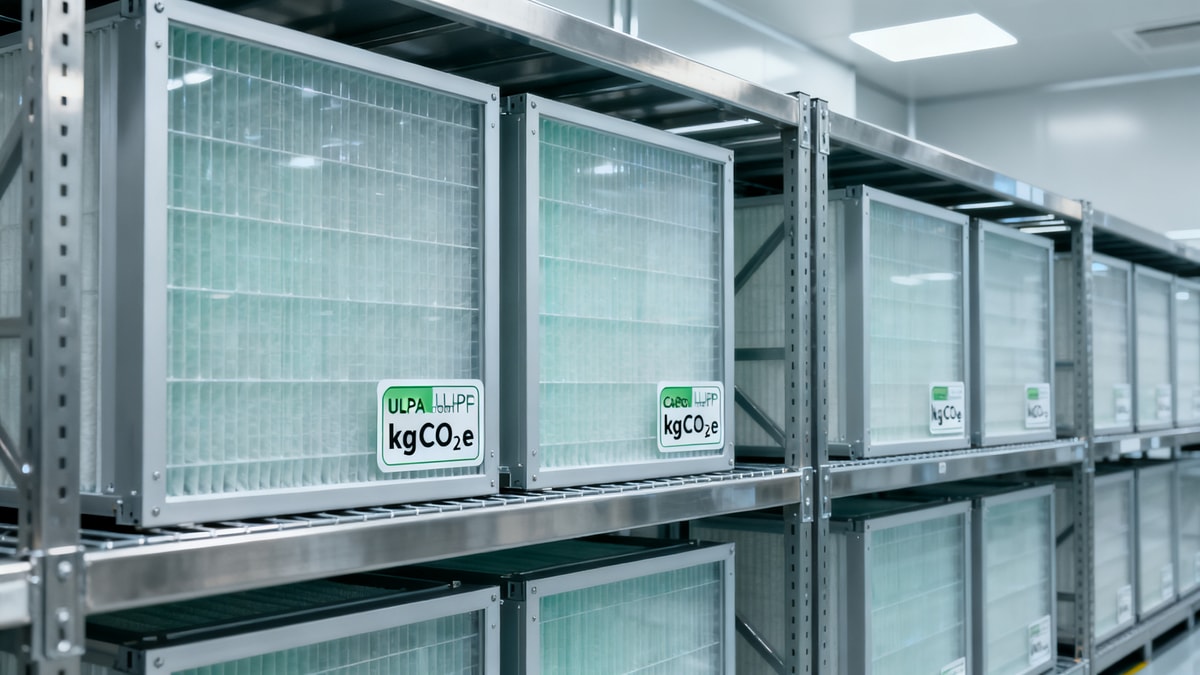
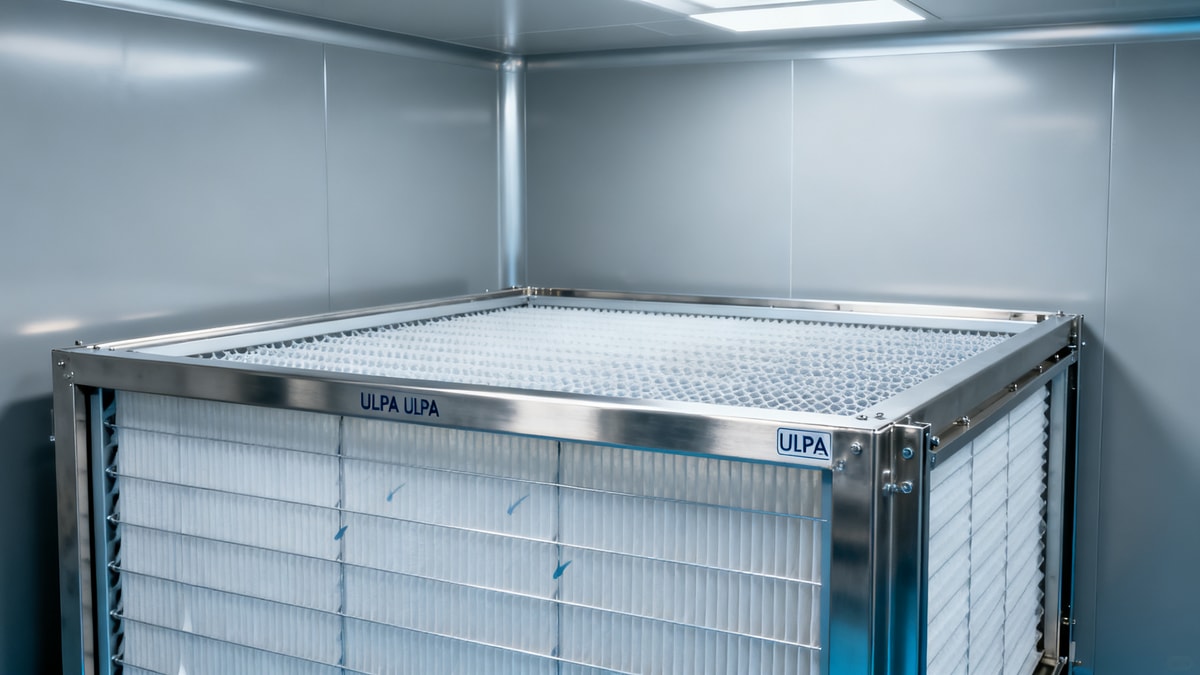
Effective 1 July 2026, the RCEP ASEAN Joint Secretariat has introduced a mandatory carbon footprint labeling requirement for ULPA/HEPA-grade industrial air filters traded across the RCEP region — impacting manufacturers, exporters, and supply chain stakeholders in cleanroom, pharmaceutical, and semiconductor sectors.
Event Overview
On 29 April 2026, the RCEP ASEAN Joint Secretariat issued the Air Filtration Products Carbon Labeling Mandate. The mandate stipulates that, starting 1 July 2026, all ULPA/HEPA-class industrial air filters intended for use in cleanroom, pharmaceutical, and semiconductor applications — and placed on the market within the RCEP region — must carry a verified, ISO 14067-compliant life cycle assessment (LCA) result expressed in kgCO₂e per unit. This value must be uploaded to the ASEAN Green Products Database. Exporters based in China are required to complete LCA modeling and third-party verification by June 2026.
Industries Affected by Segment
Direct Exporters (e.g., Chinese Filter Manufacturers)
These enterprises face immediate compliance deadlines. Because the mandate applies to products placed on the market in RCEP jurisdictions after 1 July 2026, any shipment cleared for entry post–1 July without a valid carbon label will be ineligible for customs clearance or market access in participating ASEAN and RCEP economies.
Raw Material Suppliers (e.g., Filter Media, Frame, Sealant Providers)
Suppliers may be asked to provide primary data (e.g., cradle-to-gate emissions, energy mix, transport distances) to support their customers’ LCA modeling. Absence of verifiable upstream emission data could delay or invalidate downstream verification — especially where tier-2 or tier-3 inputs are involved.
Contract Manufacturers & OEM Assemblers
Entities assembling final filter units from sourced components must ensure full traceability across subassemblies. The ISO 14067 requirement covers the entire life cycle — including manufacturing energy, packaging, and logistics — meaning process-level emissions data (e.g., curing oven kWh, compressed air usage) must be documented and auditable.
Distribution & Import Agents
Importers and regional distributors bear legal responsibility for product conformity under many RCEP national market surveillance frameworks. They must verify that carbon labels are present, correctly formatted, and linked to validated entries in the ASEAN Green Products Database prior to release into local commerce.
What Relevant Enterprises Should Focus On — And How to Respond
Confirm verification timelines with accredited LCA providers now
Third-party verification against ISO 14067 requires documented methodology, data sourcing, and uncertainty analysis. Lead times for full verification — particularly for complex multi-material filters — commonly exceed 8–12 weeks. Chinese exporters should secure engagement letters from accredited verifiers before mid-May 2026.
Map and prioritize SKUs by destination and application
The mandate explicitly covers ULPA/HEPA filters used in cleanroom, pharmaceutical, and semiconductor contexts — not general HVAC or industrial dust collection filters. Companies should identify which SKUs fall under scope, assess volume share per RCEP market (e.g., Vietnam, Malaysia, Thailand), and allocate verification resources accordingly.
Validate database upload procedures with ASEAN Green Products Database administrators
The ASEAN Green Products Database is newly operational as of Q2 2026. Its API specifications, file format requirements (e.g., XML schema), and user registration protocols remain subject to minor updates. Early registrants are advised to test uploads using non-live submissions during May–June 2026.
Distinguish between regulatory obligation and commercial expectation
This is a formal market access condition — not a voluntary sustainability initiative. Compliance is enforced at border control and post-market surveillance levels. Non-compliant units may be detained, recalled, or excluded from public procurement tenders in RCEP countries.
Editorial Observation / Industry Perspective
Observably, this mandate signals a structural shift: environmental performance is becoming a technical trade barrier — not just a corporate ESG metric. Analysis shows it is not an isolated pilot but part of a broader ASEAN-led harmonization effort under the RCEP Sustainable Trade Framework. From an industry perspective, it functions less as a one-off compliance event and more as the first enforceable node in an expanding network of product-level carbon transparency rules across Asia-Pacific. Current attention should focus less on whether the rule will be implemented — it is already published and time-bound — and more on how granularly national enforcement agencies interpret ‘ULPA/HEPA-grade’ and ‘industrial air filtration’ in practice.
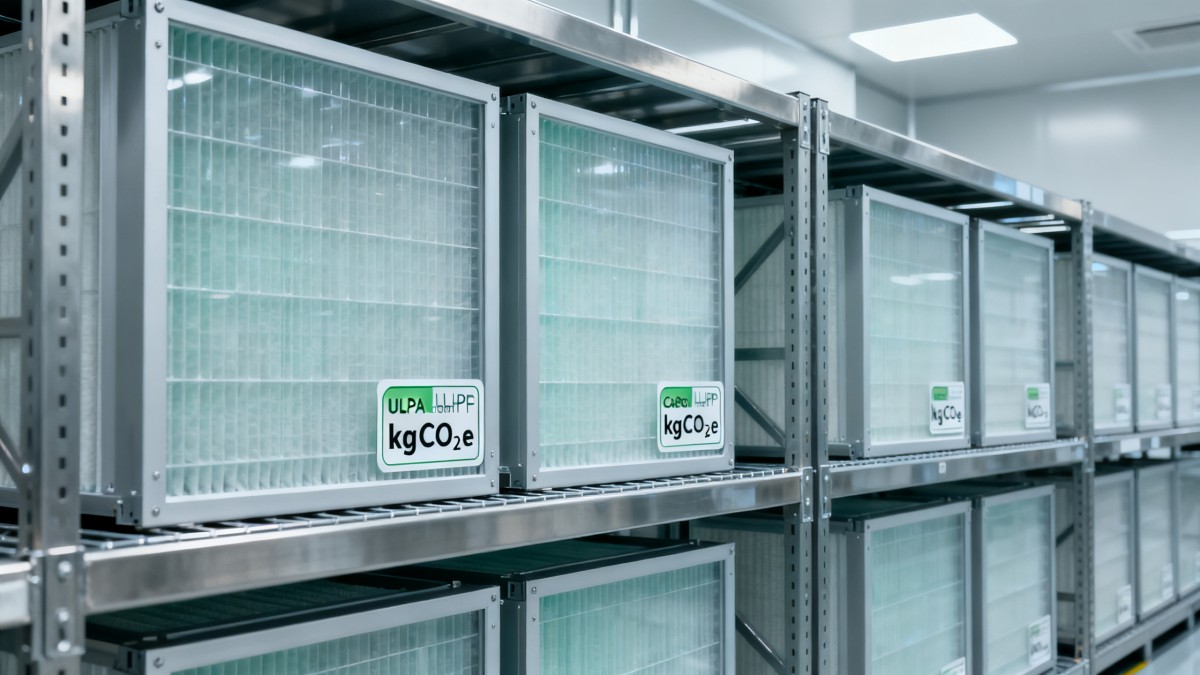
Conclusion: This requirement marks a concrete step toward embedding carbon accountability into regional trade infrastructure. It does not represent a broad-based green tariff, but rather a targeted, product-specific access condition grounded in international standards. For affected firms, the priority is procedural readiness — not strategic repositioning — as the timeline is fixed and enforcement begins immediately on 1 July 2026.
Source: RCEP ASEAN Joint Secretariat, Air Filtration Products Carbon Labeling Mandate, issued 29 April 2026. Note: Ongoing monitoring is recommended for ASEAN Green Products Database technical guidelines and national implementation notices from RCEP member customs authorities.
Technical Specifications
Expert Insights

Chief Security Architect
Dr. Thorne specializes in the intersection of structural engineering and digital resilience. He has advised three G7 governments on industrial infrastructure security.
Related Analysis
- Apr 30, 2026Egypt SMIIC Mandates Arabic Energy Labels for Industrial PumpsAuthor :Heavy Industry Strategist
- Apr 30, 2026TÜV SÜD Launches China Industrial Optics Fast TrackAuthor :Precision Metrology Expert
- Apr 30, 2026LME Nickel Surges 5.2% on April 29, 2026: Impact on Stainless Bearings & SealsAuthor :Heavy Industry Strategist
Core Sector // 01
Security & Safety
- RCEP Mandates Carbon Labeling for Industrial Air Filters from Jul 2026Author :Environmental Engineering Director

- EU CE Update: ULPA Filters Require MVR Testing from Jan 2027Author :Environmental Engineering Director

- EU CE Draft: ULPA Air Filters Must Pass MVR TestingAuthor :Environmental Engineering Director
![]()
- FDA Expands Regulation of Industrial Air Filters: ULPA Filter MVR Verification RequiredAuthor :Environmental Engineering Director
![]()
- Preventing dust leaks in environmental engineeringAuthor :Environmental Engineering Director

- EU CBAM Enters Enforcement Phase for Industrial Filtration & Water Treatment EquipmentAuthor :Environmental Engineering Director
![]()
- EU Mandates PM0.3 Efficiency & Energy Labels for Industrial Air Filters from 1 July 2026Author :Environmental Engineering Director
![]()
- EU Draft Rules: Industrial Air Filters Must Label PM0.3 Efficiency from July 2026Author :Environmental Engineering Director
![]()