Preventing dust leaks in environmental engineering
Author
Date Published
Reading Time
In the complex field of environmental engineering, preventing dust leaks is paramount to maintaining operational integrity and ensuring worker protection. For professionals in facility management and mechanical engineering, these leaks represent more than just maintenance issues; they are significant risks to Security & Safety and overall Electrical & Power stability. Adhering to rigorous industrial standards and deploying advanced safety equipment are essential steps in mitigating these hazards. This guide explores technical strategies to safeguard your infrastructure, providing actionable insights for safety management and project leaders committed to building resilient, compliant, and efficient industrial environments across the global supply chain.
The Technical Imperative of Dust Containment in Environmental Engineering
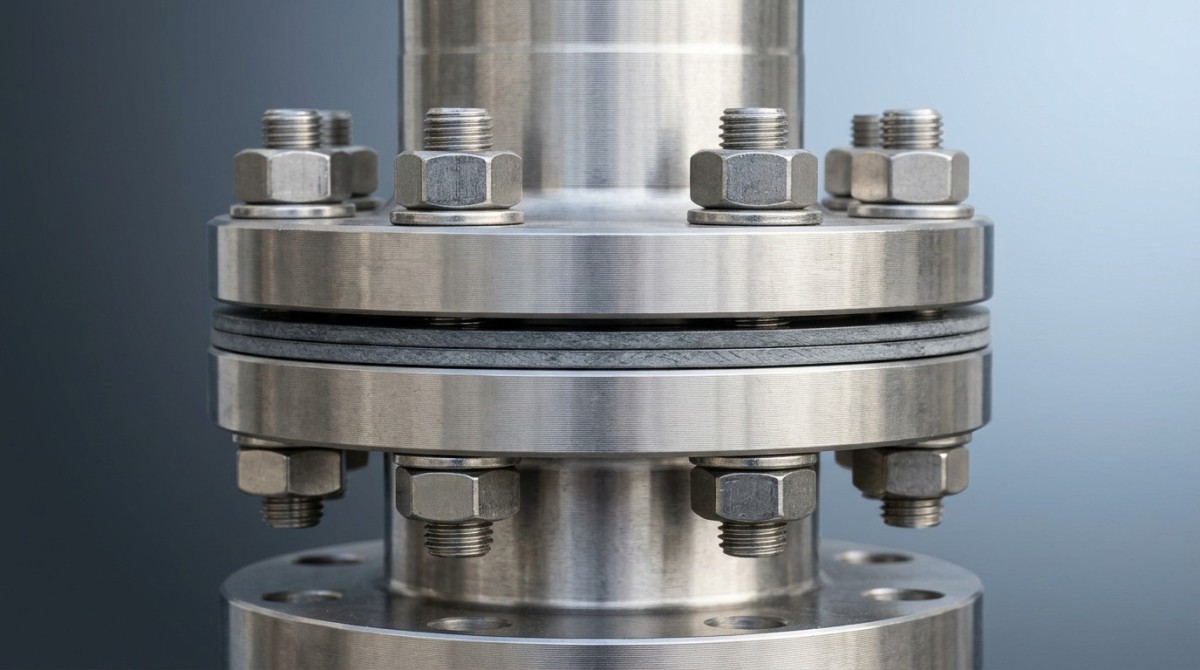
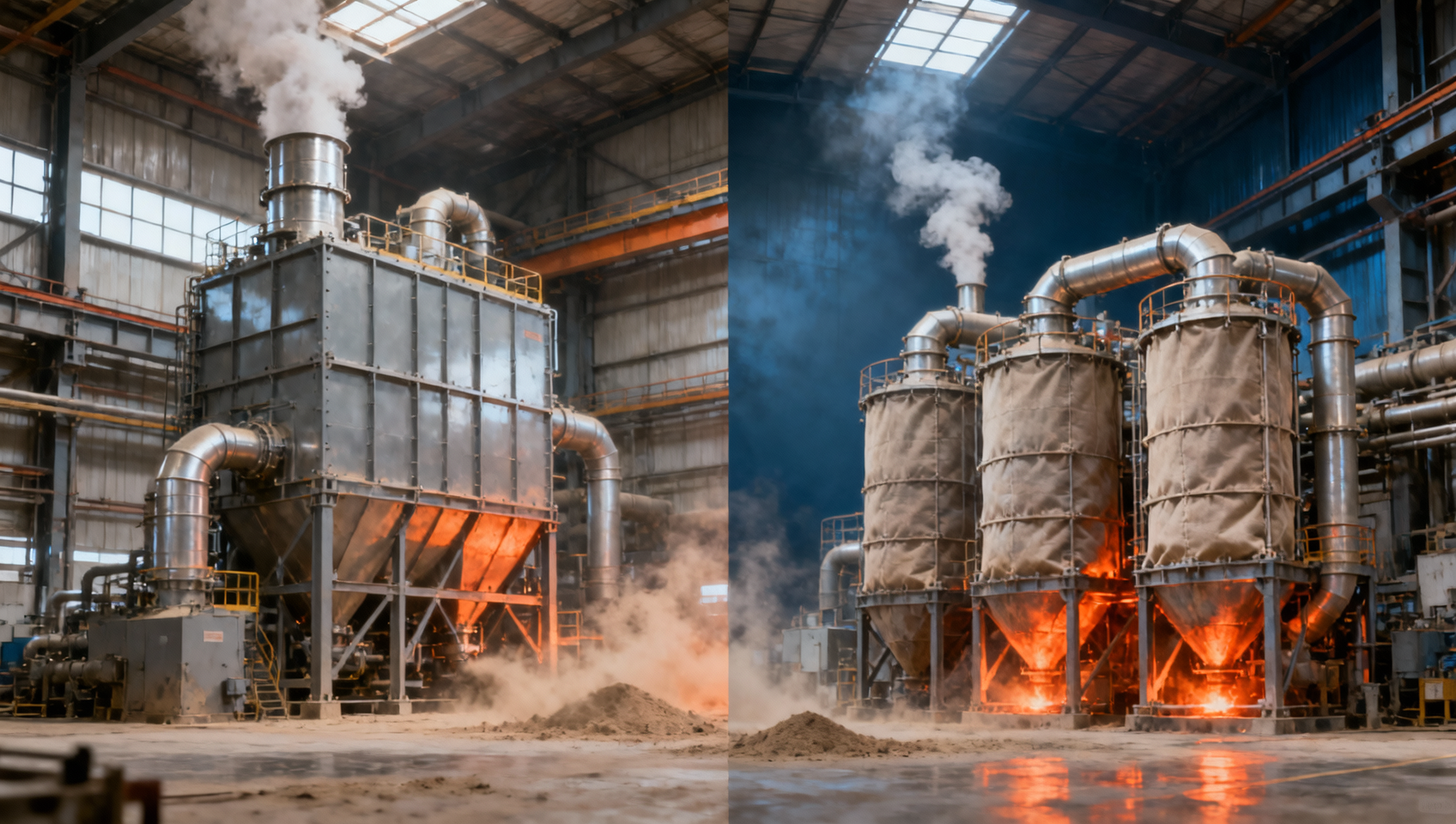
In modern industrial landscapes, dust containment is not merely a housekeeping concern but a foundational requirement for operational resilience. Within the framework of Global Industrial Core (GIC), dust leaks are categorized as high-priority failures that compromise the Environment & Ecology pillar. These leaks often involve particulate matter ranging from 0.3 to 10 microns, which can infiltrate sensitive mechanical components and electrical switchgear, leading to catastrophic failure or decreased efficiency. For EPC contractors and facility managers, understanding the physics of particle migration is the first step toward architecting a leak-proof infrastructure that meets stringent international safety protocols.
Dust leaks frequently originate from pressure differentials between the interior of industrial processing equipment and the surrounding ambient environment. When a system operates under positive pressure, even a microscopic breach in a seal or a hairline fracture in ductwork can release thousands of particles per second. From a Security & Safety perspective, this particulate release creates a dual threat: health risks for onsite personnel and the potential for combustible dust explosions. Technical evaluation teams must prioritize systems that maintain a stable negative pressure environment, typically between -150 Pa and -250 Pa, to ensure that any potential leakage path draws air inward rather than expelling contaminants outward.
Furthermore, the integration of dust prevention strategies directly impacts the longevity of Electrical & Power Grid infrastructure. Fine conductive dust, if allowed to leak and settle on electrical contacts or transformers, can cause arcing, short circuits, and unpredicted downtime. Engineering teams must view dust prevention as a comprehensive system of "Trust Signals"—indicators that the facility is operating within safe, high-fidelity parameters. By implementing micron-level precision in mechanical joints and utilizing advanced filtration media, industrial directors can protect their high-value assets and ensure long-term compliance with ISO and CE standards for environmental safety.
Achieving total containment requires a multidisciplinary approach that blends Mechanical Components & Metallurgy expertise with modern metrology. The choice of materials for gaskets, the precision of flange machining, and the aerodynamic design of capture hoods all play critical roles in the prevention of leaks. For project managers, the mission is clear: move beyond basic unit economics and invest in the foundational engineering that prevents small leaks from becoming large-scale infrastructural failures. This commitment to precision and reliability is what defines an elite B2B operation in the global infrastructural supply chain.
Critical Assessment of Leak Path Scenarios in Heavy Industry
Identifying potential leak paths requires a rigorous, data-driven methodology that examines every interface within the material handling system. In heavy engineering, the most common failure points are found at transition zones—where raw materials move from one piece of equipment to another. These interfaces, such as conveyor transfer points, hopper discharges, and rotary valve inlets, are subjected to constant vibration and thermal cycling. Over a standard 12-month operational cycle, these stresses can degrade even the most robust sealing systems, necessitating a proactive 3-stage inspection protocol to identify wear before a breach occurs.
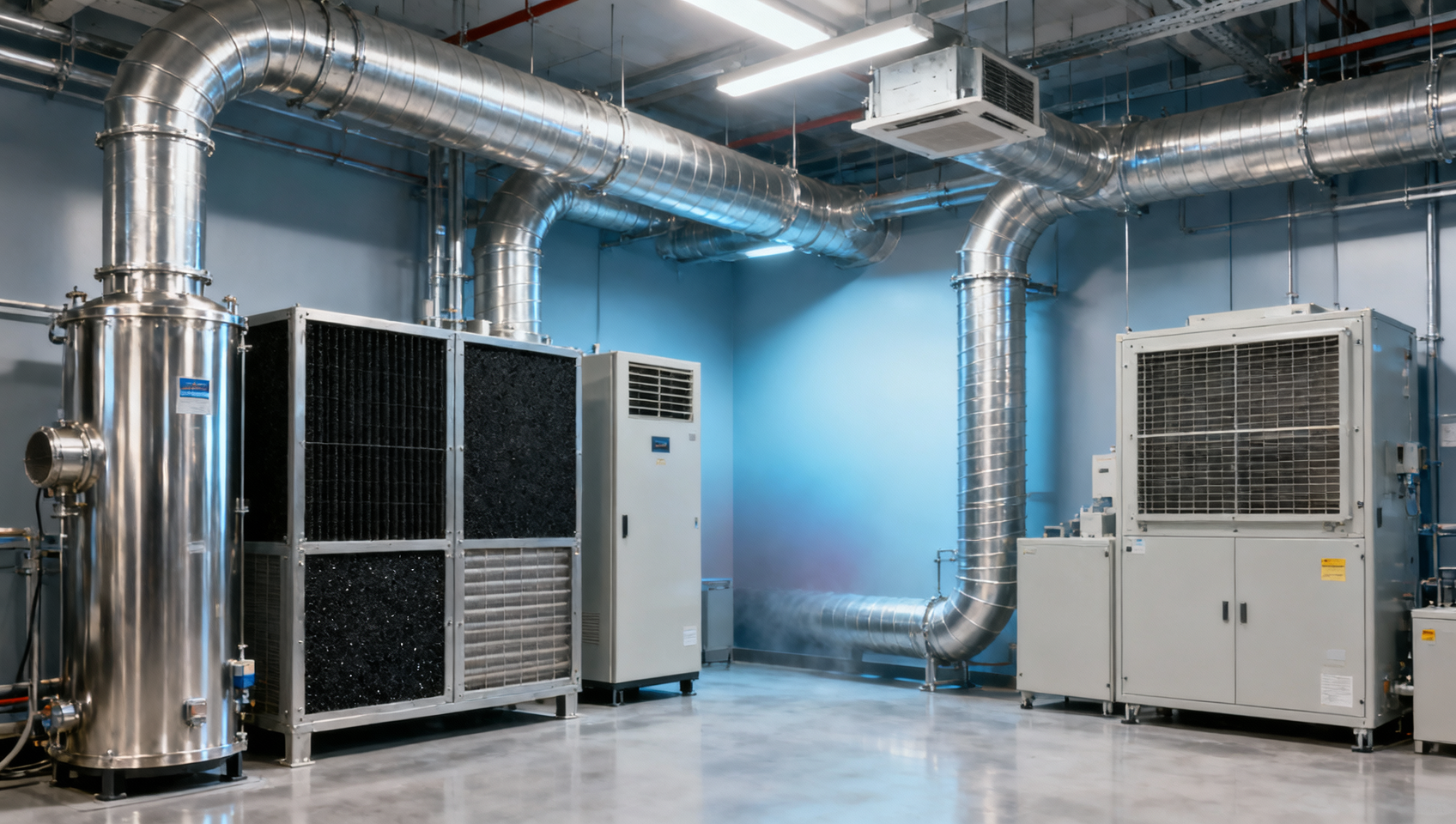
Another significant source of dust leaks is the failure of structural integrity in ventilation ductwork. High-velocity airflows, often exceeding 20 m/s to prevent dust from settling within the ducts, can cause internal abrasion, particularly at elbows and junctions. This erosion can thin the metal walls to the point of perforation. Technical evaluators must look for signs of "bleeding" at joints or discoloration on duct surfaces, which indicate internal wear. Utilizing high-fidelity monitoring instruments to measure static pressure drops across these sections allows operators to detect leaks that are not yet visible to the naked eye, ensuring continuous adherence to safety standards.
The following table provides a comparative analysis of common leak sources and the corresponding technical risk factors associated with each scenario, designed to assist business evaluators in prioritizing maintenance and procurement budgets.
As illustrated in the table, the risk levels vary significantly based on the location and mechanism of the potential leak. For instance, bypass leakage in baghouse filter seals is categorized as severe because it allows unfiltered, high-concentration dust to enter the clean air plenum, directly violating environmental discharge permits. Effective procurement strategies should prioritize high-performance materials like Viton or silicone-based gaskets for these critical areas, ensuring that the components can withstand the extreme conditions typical of heavy industry without compromising the structural integrity of the facility.
Furthermore, operators should implement a 24-48 hour response time for any detected breach in high-risk zones. For quality control and safety management personnel, the presence of localized dust accumulation—often referred to as "ghosting"—is a primary indicator of a slow leak. Addressing these issues early prevents the migration of dust into Electrical & Power Grid systems, where the cost of remediation and the risk of fire are exponentially higher. In the B2B sector, this proactive stance is what separates industry leaders from those merely struggling to maintain baseline compliance.
Technological Solutions and Material Innovations for Absolute Containment
Preventing dust leaks requires a shift from reactive patching to proactive engineering. Modern environmental engineering leverages advanced sealing technologies that provide a high-fidelity barrier against particulates. For example, pneumatic sealing systems utilize a 0.5 to 1.5 bar air cushion to create an invisible barrier at rotating shafts and discharge points. This technology eliminates mechanical wear, ensuring that the seal remains effective throughout 5,000 to 10,000 hours of continuous operation. For technical evaluators, these innovations represent a significant upgrade over traditional packing glands, which require frequent adjustment and are prone to leakage as they wear.
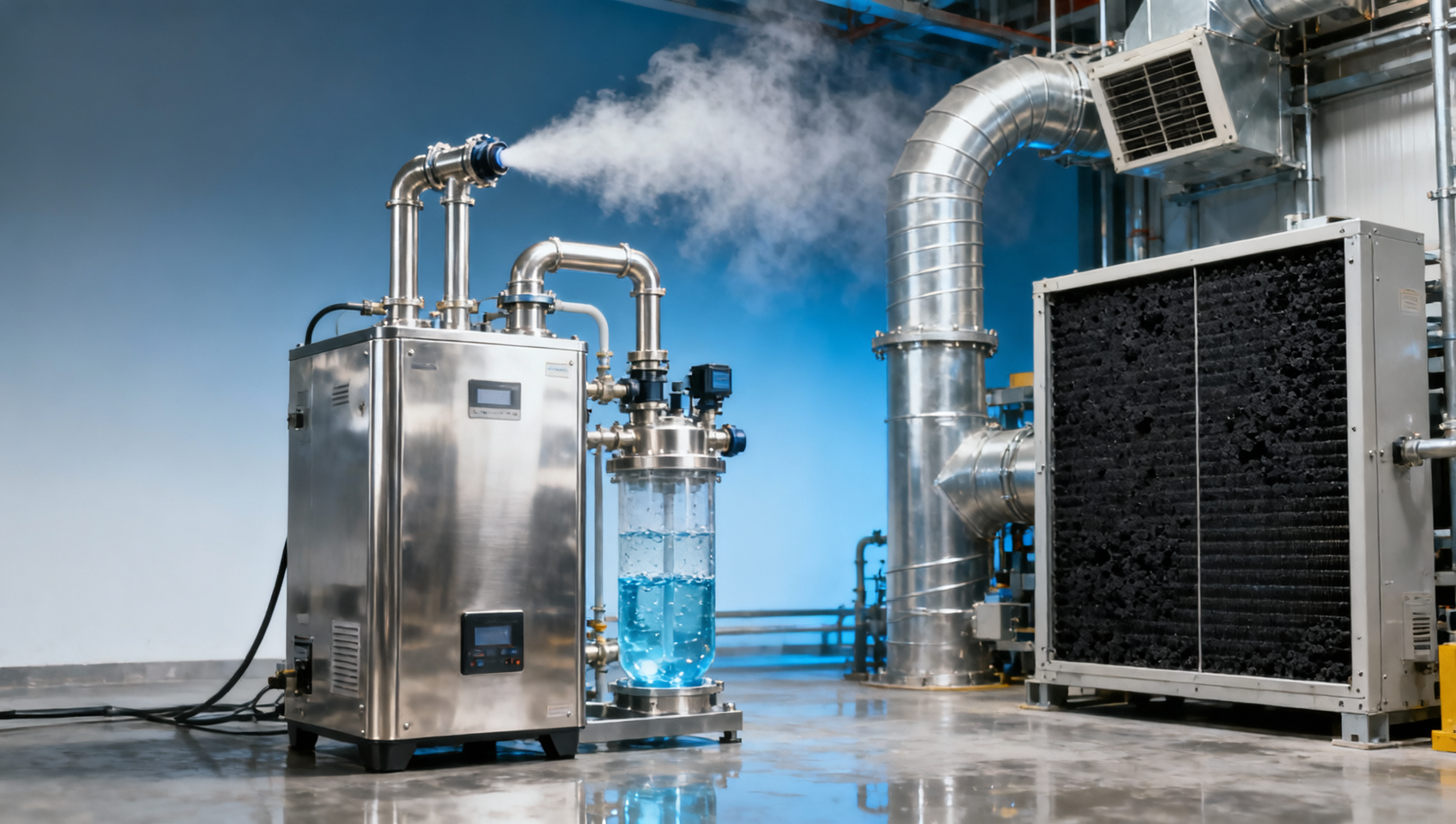
In the realm of filtration, the deployment of ePTFE (expanded polytetrafluoroethylene) membrane filters has revolutionized dust containment. These membranes provide surface filtration with an efficiency of 99.97% for particles as small as 0.3 microns. Unlike conventional depth filtration media, which can become saturated and allow "seepage" through the fabric over time, membrane filters maintain a consistent barrier. This is critical for meeting CE and ISO 16890 standards, which demand verifiable performance in capturing fine respirable dust. Procurement directors should evaluate the long-term ROI of these high-efficiency materials, factoring in reduced energy consumption from lower pressure drops and extended filter life cycles.
The following table outlines the material properties and application suitability for various sealing and containment components, providing a decision-making framework for project managers and procurement officers.
As shown in the table, selecting the right material depends heavily on the operating temperature and the chemical environment of the application. For instance, while Viton gaskets are ideal for the corrosive environments found in Metallurgy, they may be an over-engineered choice for a standard food processing line where ePTFE or silicon-based components would suffice. Decision-makers must balance these technical parameters with budgetary constraints, ensuring that the most critical "Trust Signals" are prioritized. A leak in a high-temperature cement plant ducting system is not just an environmental issue; it is a mechanical component failure that can halt the entire production line.
Finally, the integration of real-time leak detection sensors provides a digital layer of protection. Modern systems can monitor dust concentrations in the mg/m³ range, alerting facility managers via their building management systems as soon as a threshold is exceeded. This data-driven approach allows for surgical maintenance interventions, reducing the total cost of ownership (TCO) by preventing extensive cleanup operations and avoiding the heavy fines associated with environmental non-compliance. In the landscape of heavy engineering, where failure is not an option, these technological investments are the foundation of a resilient operational environment.
Navigating International Standards and Compliance Mandates
In the global B2B supply chain, compliance with international standards is the ultimate validation of engineering quality. For environmental engineering projects, adhering to ISO 14001:2015 (Environmental Management) and ISO 45001 (Occupational Health and Safety) is mandatory. These standards require organizations to demonstrate systematic control over their dust emission levels. Preventing leaks is therefore a core component of the "Experience, Expertise, Authoritativeness, and Trustworthiness" (E-E-A-T) that GIC promotes. When an EPC contractor delivers a facility that meets these standards, they are providing a high-fidelity environment that institutional buyers can trust for long-term investment.
Beyond general ISO standards, specific regional and industry certifications such as ATEX (EU) or NFPA (USA) define the requirements for combustible dust safety. These regulations mandate specific leak prevention measures, including explosion isolation valves and pressure-rated ductwork. Compliance in these areas involves rigorous testing, often requiring that components withstand a pressure shock of 10 bar or more. For safety compliance leads, the selection of equipment must be backed by verified testing certifications and technical whitepapers that prove reliability under extreme conditions. This level of detail is critical for business evaluators who must manage risk across international borders.
Quality control personnel should also focus on metrology and measurement standards, such as EN 1822 for HEPA filters. These standards provide a uniform way to measure filtration efficiency and leak-tightness. By insisting on components that meet these precise micron-level tolerances, project managers can ensure that their infrastructure is not only compliant today but resilient enough to meet future, more stringent environmental regulations. This forward-thinking approach to compliance is a key differentiator for manufacturers targeting global expansion and high-net-worth institutional contracts.
Ultimately, compliance is about more than just avoiding legal penalties; it is about building a reputation for excellence. In the foundational systems of heavy industry, where Electrical & Power Grid stability and Environment & Ecology are interlinked, a single dust leak can tarnish a brand's "Trust Signals" for years. By aligning with GIC's editorial mandate for rigorous technical analysis and material breakthroughs, industrial partners can establish themselves as leaders in the global infrastructural supply chain, attracting the attention of the world's most demanding procurement directors.
Expert FAQ for Technical and Procurement Teams
How can I determine the appropriate filtration efficiency for my specific dust type?
Selecting the correct filtration efficiency begins with a particle size distribution (PSD) analysis. If your dust contains a high percentage of sub-micron particles (below 1.0 micron), you must specify HEPA-rated media (99.97% at 0.3 microns) to prevent leakage into the clean air plenum. For coarser industrial dusts, such as wood chips or aggregate, a MERV 13 to 15 rating may be sufficient, provided the filter seals are maintained at a compression of 25-30% to prevent bypass. Always consult with a metrology expert to ensure your measurement tools are calibrated to the specific density and moisture content of your material.
What are the common misconceptions regarding "leak-proof" mechanical seals?
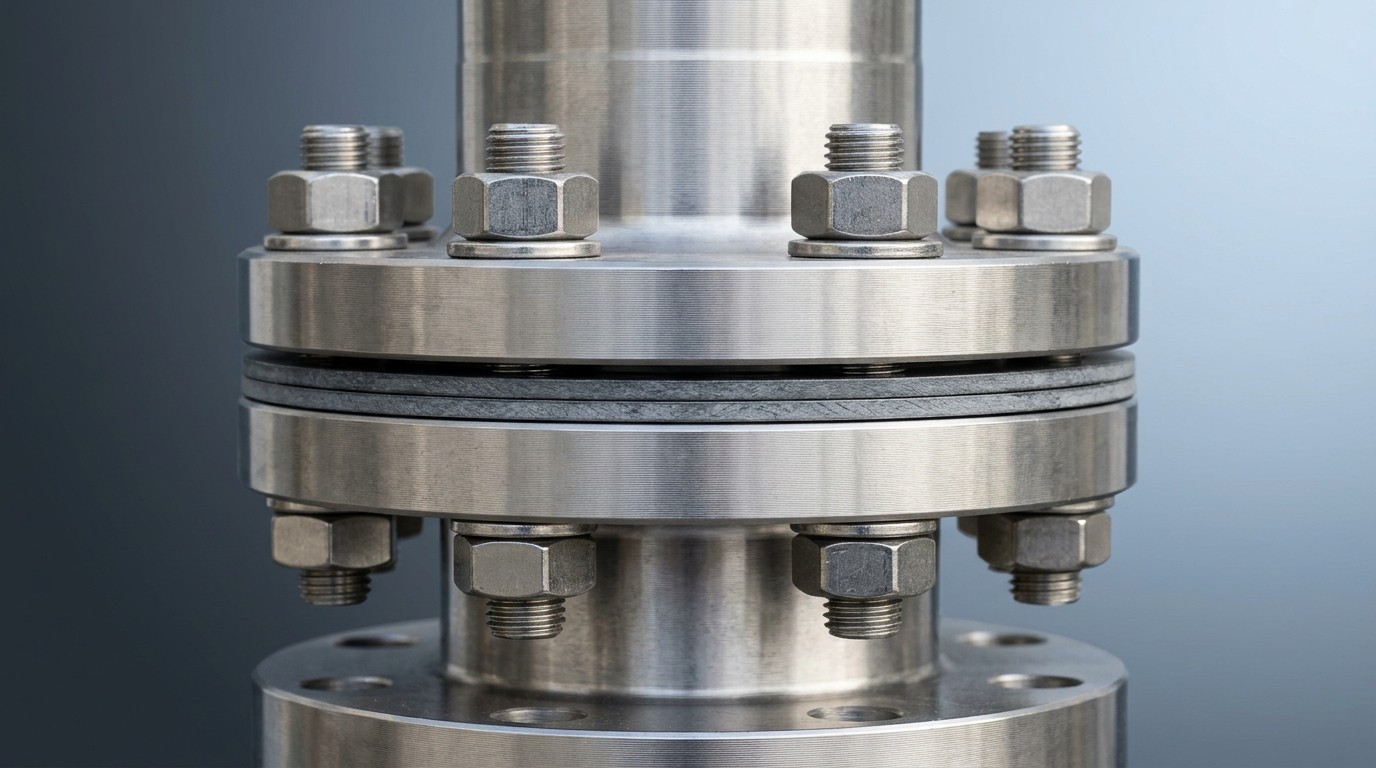
A frequent misconception is that a seal is a "set-and-forget" component. In reality, all mechanical seals are subject to wear and require a defined maintenance cycle, typically every 6 to 12 months in heavy engineering applications. Another error is over-tightening flanges to stop a leak, which often leads to gasket deformation or "crushing," creating even larger leak paths. Proper installation requires the use of calibrated torque wrenches and following the 4-step crossing pattern to ensure even pressure across the sealing surface, maintaining the integrity of Mechanical Components & Metallurgy.
What is the typical ROI for upgrading to advanced leak prevention systems?
While the initial procurement cost for advanced systems like pneumatic air seals or ePTFE membranes can be 20-40% higher than standard options, the ROI is usually realized within 18-24 months. This is achieved through a 30% reduction in maintenance labor, a 15% decrease in fan energy consumption due to cleaner filters, and the total avoidance of cleanup costs and environmental fines. For business evaluators, the business case is clear: investing in high-fidelity containment reduces long-term operational risk and enhances the overall resilience of the industrial environment.
Securing Industrial Foundations with Global Industrial Core
In the high-stakes world of environmental engineering, the margin for error is non-existent. Preventing dust leaks is a fundamental requirement for the Security & Safety of your personnel and the longevity of your Mechanical Components & Metallurgy infrastructure. Global Industrial Core (GIC) stands as your elite B2B intelligence hub, providing the mission-critical insights and strategic sourcing authority needed to navigate these complex challenges. Our focus on the five pillars of heavy industry ensures that every technical analysis we publish is curated by verified experts and adheres to the highest standards of Experience, Expertise, Authoritativeness, and Trustworthiness.
By aligning your procurement strategies with the data-driven frameworks presented here, you can build safer, more efficient, and more resilient operational environments. Whether you are an EPC contractor looking for compliant components or a facility manager seeking to optimize maintenance cycles, GIC provides the high-fidelity environment required to elevate your brand and capture the attention of institutional buyers. We invite you to engage with our verified panel of environmental engineers and safety compliance leads to refine your containment strategies.
For established industrial manufacturers looking to dominate the global infrastructural supply chain, GIC offers a formidable platform for strategic growth. Contact our technical team today to discuss your specific requirements for parameter confirmation, custom engineering solutions, or international certification support. Let us help you architect the foundation of modern industry with precision, compliance, and unwavering reliability. Reach out to explore our latest technical whitepapers and real-world case studies to ensure your next project meets the elite standards of Global Industrial Core.
Technical Specifications
Expert Insights

Chief Security Architect
Dr. Thorne specializes in the intersection of structural engineering and digital resilience. He has advised three G7 governments on industrial infrastructure security.
Related Analysis
- Apr 25, 2026China Launches World's Largest Agri-Meteorological Observation NetworkAuthor :Precision Metrology Expert
- Apr 25, 2026Binggang Group & AHUT Advance Steel Slag Valorization TechAuthor :Heavy Industry Strategist
- Apr 25, 2026China Leads First ISO Standard for Zero-Carbon CitiesAuthor :Environmental Engineering Director
Core Sector // 01
Security & Safety
- Preventing dust leaks in environmental engineeringAuthor :Environmental Engineering Director

- EU CBAM Enters Enforcement Phase for Industrial Filtration & Water Treatment EquipmentAuthor :Environmental Engineering Director
![]()
- EU Mandates PM0.3 Efficiency & Energy Labels for Industrial Air Filters from 1 July 2026Author :Environmental Engineering Director
![]()
- EU Draft Rules: Industrial Air Filters Must Label PM0.3 Efficiency from July 2026Author :Environmental Engineering Director
![]()
- Electrostatic precipitator ESP vs baghouse in high temperature dustAuthor :Environmental Engineering Director

- Commercial kitchen exhaust hood sizing mistakes that hurt captureAuthor :Environmental Engineering Director

- HVAC ozone generator use cases where odor control can backfireAuthor :Environmental Engineering Director

- Industrial humidifiers wholesale orders often miss water quality limitsAuthor :Environmental Engineering Director